
How safe are the Seychelles?
The Seychelles has a low crime rate. It is still sensible to take a few routine precautions for your personal safety and the security of your belongings.
Please avoid walking alone on deserted beaches, swimming alone, or leaving yachts unlocked at their moorings.
In general, Seychellois are very peaceful people who do not look for trouble and are almost always in good spirits.
The official assessments agree. The Austrian Foreign Ministry places the Seychelles in its lowest risk category (Level 1, good security standard), and the Australian travel advisory recommends the usual precautions. The German Foreign Office warns mainly about petty crime. Violence against tourists is rare, and opportunistic theft is the real issue.
Where and what actually happens
According to the German Foreign Office's travel advice, pickpocketing and bag snatching do occur, especially on beaches such as Côte d’Or beach on Praslin. On Mahé, the Australian travel advisory names Victoria and Beau Vallon as places with more thefts. Mahé is the most densely populated island, which explains the number of incidents. The situation can change, so check the current advice from your foreign ministry before you leave.
| Place | What occurs | What to watch out for |
|---|---|---|
| Busy beaches (e.g. Beau Vallon, Côte d'Or) | Pickpocketing, bag snatching, theft from beach bags | Take only a towel and swimwear, don't leave bags unattended while swimming |
| Car parks and rental cars | Break-ins to vehicles, theft of valuables | Keep nothing visible, always lock the car, avoid isolated car parks |
| Hiking trails | Occasional attacks on tourists | Hike in groups, share your plans, don't carry anything valuable |
| ATMs | Credit card fraud | Cover the PIN, prefer ATMs in banks or hotels |
| Accommodation | Break-ins, especially through unlocked doors | Close doors and windows, lock valuables away |
| Victoria, buses, taxis | Pickpocketing, opportunistic theft | Carry bag in front, don't leave phone out in the open |
Hiking and remote places
The German Foreign Office mentions isolated attacks on tourists during trekking tours. The Swiss travel advice recommends hiking in groups where possible and with a local guide. You will find more on popular routes under Hiking. Tell your accommodation where you are going and when you expect to be back.
Sea and boats
Shark attacks are rare in the Seychelles. The German Foreign Office does point out, however, that in recent years there have been fatal attacks off a few beaches on Praslin. Most beaches have no lifeguards, so watch for currents and local warning signs, and ask at your accommodation if in doubt. If you are travelling by yacht, you will find advice under Sailing. The German Foreign Office still lists a risk of piracy in the waters off Somalia and also around the Seychelles, so skippers should ask about the current situation before setting off.
Everyday precautions
Please also avoid carrying large sums of money or valuables with you, or leaving them openly accessible in your room or in the boot of your car. Do not mention to anyone that you are carrying valuables or how much money you have brought.
Most accommodation has in-room safes or safes at reception where valuables can be locked away. Visitors are advised to use this service.
On the go
- Carry little cash and no flashy jewellery. For money matters, see Money & Banks.
- Wear handbags and rucksacks close to your body, especially in Victoria and on buses (Travelling by bus).
- If you are out on foot at night, stay in a group where possible and keep to well-lit routes.
- Do not park at isolated, remote beaches, and always lock your hire car.
- Do not let anyone into your room except the staff of your accommodation.
Choosing accommodation
With holiday homes and self-catering accommodation, it is worth checking the security: windows and doors that lock, lighting and a safe. The Swiss travel advice explicitly recommends paying attention to security when choosing accommodation. You will find more on booking under Booking a holiday home and Booking a hotel. Further tips on behaviour are under Do’s and Don’ts.
Emergency numbers and what to do after an incident
Important numbers
| Location | Number |
|---|---|
| Emergency number (police, ambulance, fire brigade) | 999, also 112 |
| Police hotline (for crimes only) | 133 |
| Ambulance | 151 |
| Central police station Victoria | +248 4 28 80 00 |
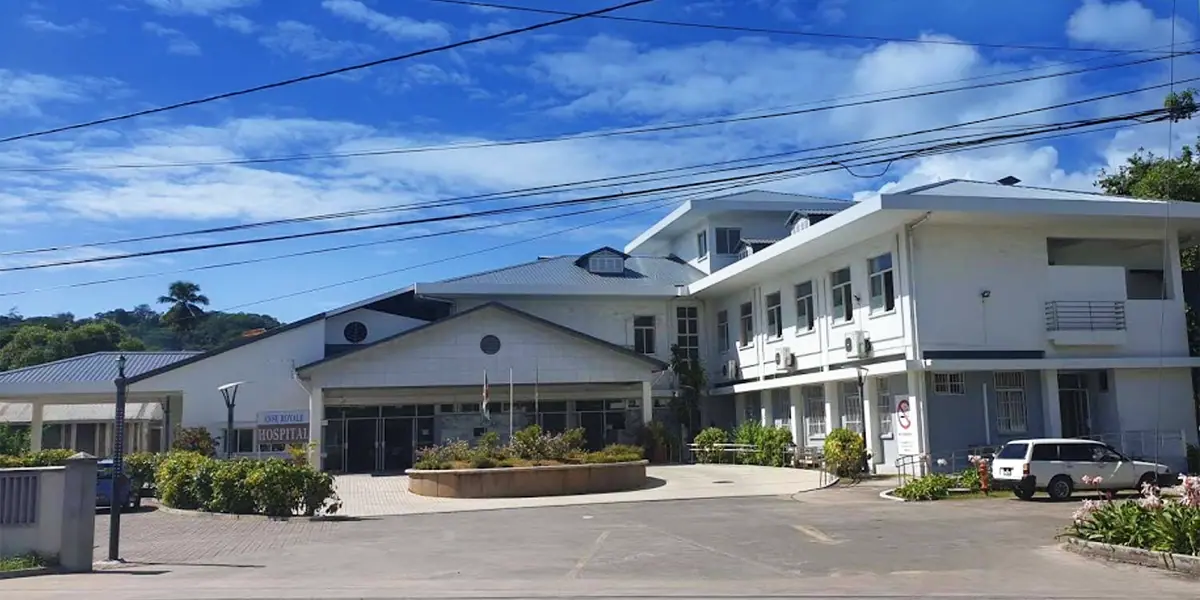
| Seychelles Hospital, Victoria | +248 4 38 80 00 |
After a theft
- Report the incident to the nearest police station and ask for a written report. Your travel insurer will usually need it.
- Block stolen bank and credit cards immediately through your bank or your home country's card blocking hotline.
- If your passport is lost or stolen, contact your embassy. There is no German embassy in the Seychelles; the German embassy in Nairobi (Kenya) is responsible.
- Tell your accommodation, as it can often help with the police report.
Before you travel, the German Foreign Office recommends registering on its crisis preparedness list, ELEFAND, and taking out international health insurance. For entry documents, see Entry requirements, and for more advice see Travel tips.
Frequently asked questions
Are the Seychelles safe for holidaymakers?
Yes. Violent crime against tourists is rare. With the usual precautions, most trips pass without incident.
Can I still go for a walk in the evening?
In busy hotel areas and towns, generally yes. After dark, avoid deserted roads, unlit paths and beaches, and try not to walk alone.
Are valuables safe in the hotel safe?
Yes, the Austrian and Swiss authorities explicitly advise leaving valuables and ID documents in the hotel safe.
Is it dangerous to drive a hire car?
Not in itself. The important thing is to leave nothing visible in the car, as vehicles do get broken into, and to park only in busy spots.
Which number do I call in an emergency?
999 (also 112). For crimes there is also the police hotline 133, and for the ambulance service 151.
Back to Clinics & Emergency Numbers