Electricity and water at a glance
Drinking water and bottled water
On all islands, the tap water meets the guidelines of the WHO (World Health Organization) and is safe to drink.
As chlorine is added to the tap water, visitors may prefer to drink bottled water. It is available in all shops, restaurants and hotel bars.
The state-owned Public Utilities Corporation (PUC) is responsible for treating and distributing water on Mahé, Praslin and La Digue. The water is filtered and chlorinated, and the acidity of the mountain spring water is balanced with limestone. The taste is something you get used to and can vary depending on the island and the time of year. Many guests find the chlorine taste noticeable on La Digue and Mahé, while others hardly notice it. If you would like to avoid plastic bottles, you can chill or filter the water before drinking it.
On small private islands and in resorts, the supply depends on the individual property. Ask at reception whether the water from the tap is meant for drinking. For hikes and beach days, it is worth taking plenty of water with you, as there is no shop at many beaches and along many trails. You will find more on this on the page Seychelles travel checklist.
Water supply and water shortages
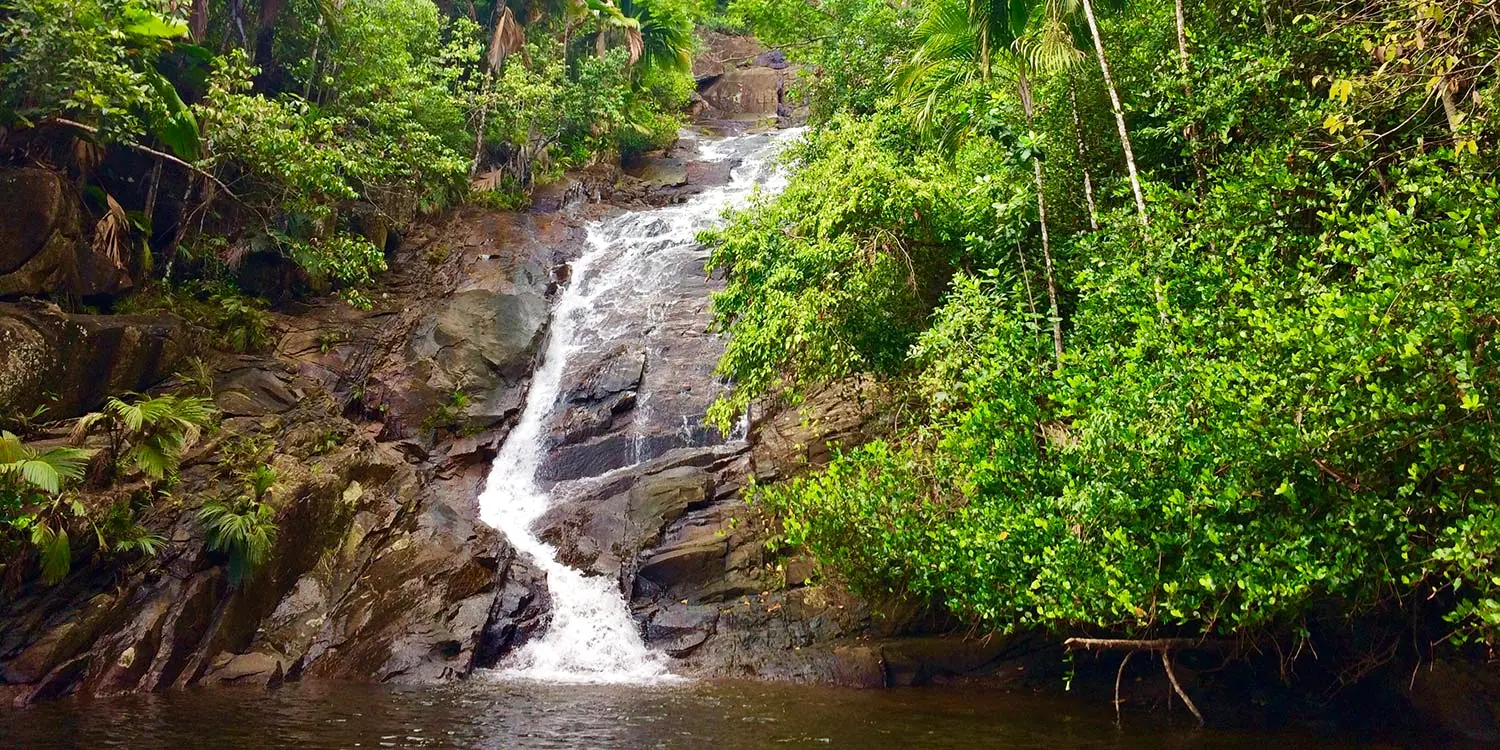
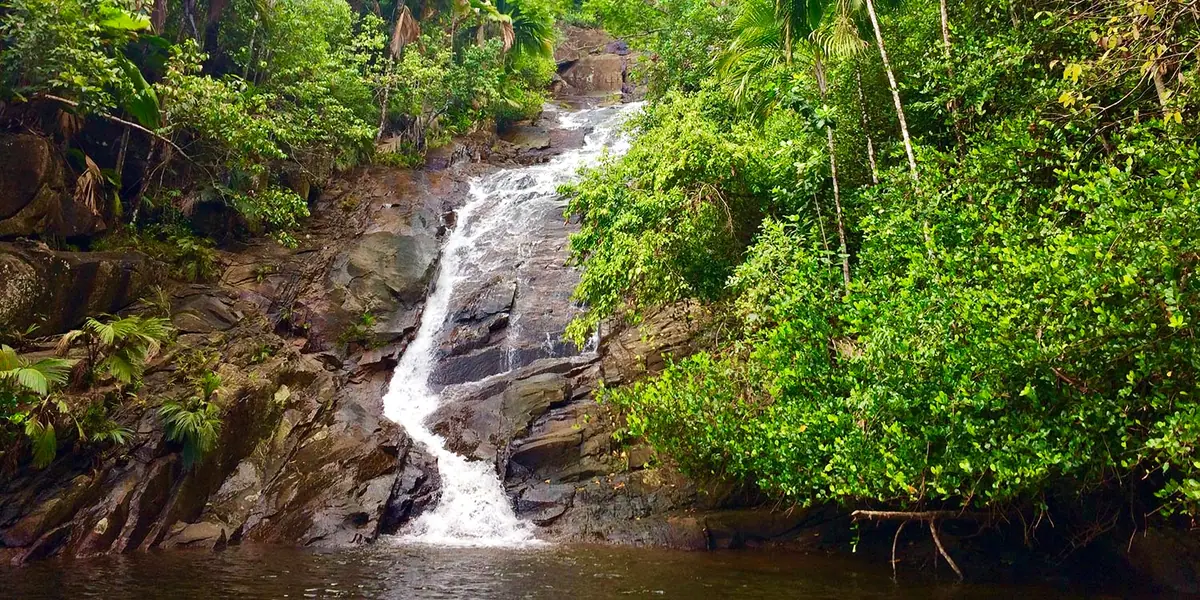
The Seychelles get a lot of rain but have little land area in which to store it. The water comes from rivers, reservoirs and, increasingly, from seawater desalination. During longer dry spells it becomes scarce, especially on Praslin. According to media reports, in October 2025 most of the tap water there came from desalination plants.
Current situation
In July 2026, after two dry months, the PUC introduced restrictions on Mahé, Praslin and La Digue. In September 2026, three containerised desalination plants were handed over from the United Arab Emirates, which are expected to supply an additional 3,000 cubic metres per day in total. They are intended for sites on Mahé and Praslin. The best way to find out what the situation will be during your stay is to ask your accommodation. For information on the weather and the rainy seasons, see Climate & Weather and best time to travel.
Using water sparingly
Take short showers, turn off the tap while brushing your teeth and reuse towels: this is appreciated, especially in guesthouses and holiday apartments with their own tank. More on self-catering can be found under Self-catering in the Seychelles, and on dealing with scarce resources under Nature and environmental protection.
Electricity and plug sockets
On all islands of the Seychelles, the supply is 240 volt alternating current at 50 Hz.
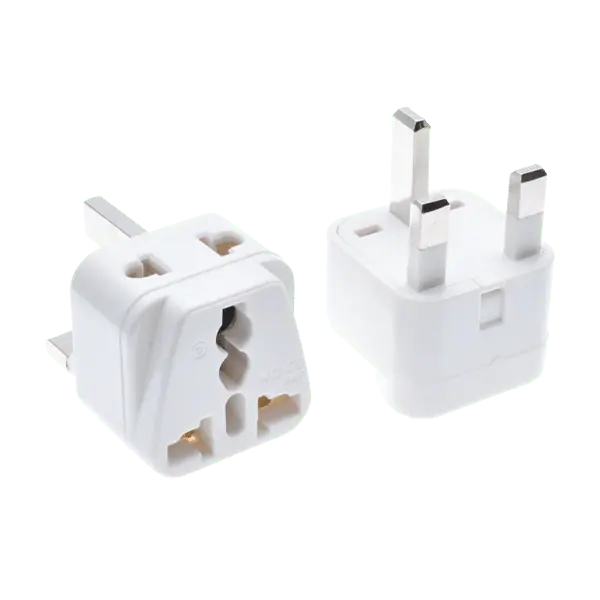
The Seychelles use the British socket standard with 3 rectangular pins and 13 amps (type G). All visitors who are not travelling from the UK are advised to bring an adapter.
Which adapter for whom?
| Origin | Adapter | Voltage |
|---|---|---|
| Germany, Austria, Switzerland | Adapter for type G needed | 230 volts, fits |
| Great Britain, Ireland | No adapter needed | fits |
| USA, Canada | Adapter needed | Only use devices marked 100–240 volts without a converter |
Chargers and electrical appliances
Chargers for phones, cameras and laptops are usually designed for 100 to 240 volts. Check the label on the charger. Hairdryers and shavers are often built for one voltage only and should be checked too. An adapter with USB ports is useful if you want to charge several devices at once. You will find more packing tips under Luggage for the Seychelles.
Power cuts
Electricity comes mainly from diesel power stations, with solar plants playing a growing role. Short outages do happen. On 21 April 2026, power went out on Praslin and La Digue for a good two hours because a line was damaged during tree felling. In February 2026, the PUC took delivery of four new generators for Praslin to stabilise the supply. A torch and a charged power bank are still a sensible precaution on Praslin, La Digue and Mahé. You can also find information on mobile phones and networks under Phone & Internet.
Frequently asked questions
Can you drink tap water in the Seychelles?
Yes, the PUC water is treated for drinking, but it tastes of chlorine. If you do not like that, buy bottled water. In resorts and on small islands, it is best to ask locally.
What voltage is used in the Seychelles?
240 volts at 50 Hz. Appliances from Germany, Austria and Switzerland work with it without a converter.
Which adapter do I need?
An adapter for the British type G with three rectangular pins. Visitors from the UK do not need one.
Is there a water shortage?
In dry spells, yes, especially on Praslin. The PUC introduced restrictions in July 2026 and is expanding desalination.
What should I do in a power cut?
Usually the power is back within a few hours. Keep the fridge closed, switch off appliances before the power returns and ask your accommodation.
Back to Opening hours or Tipping in the Seychelles