Creole culture at a glance
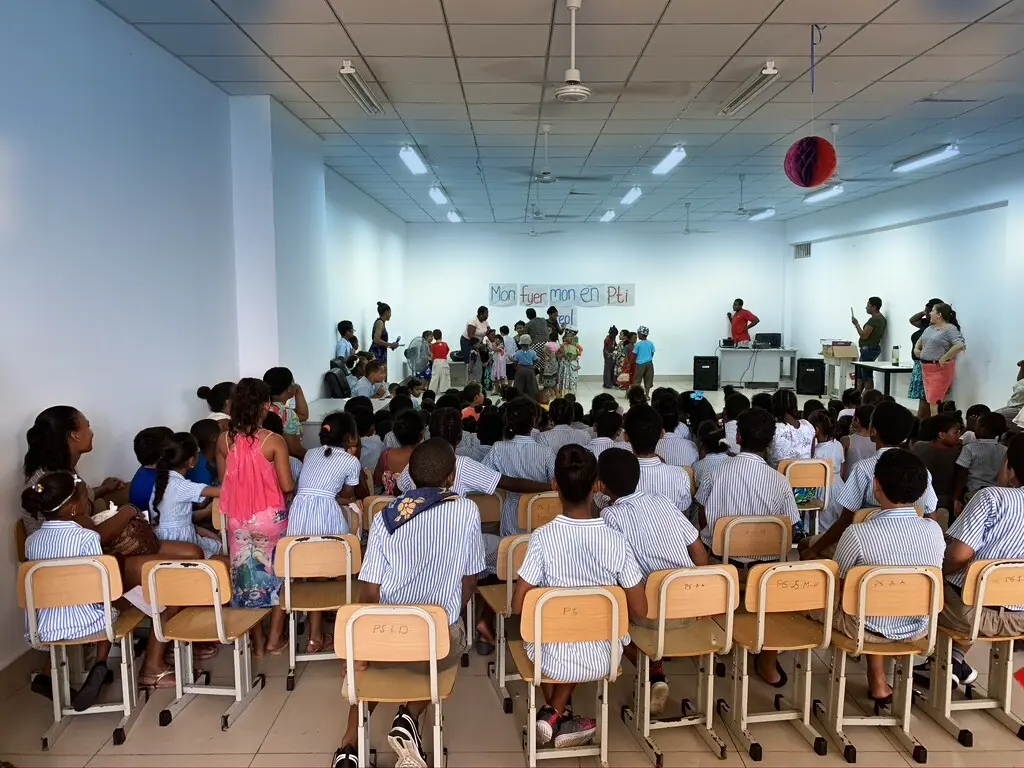
The cosmopolitan Seychellois are an interesting mix of people of different origins, cultures and religions. The history of the Seychelles has been shaped by the traditions and customs of people of African, European and Asian descent. Each of them helped create the lively way of life and the culture of the Seychellois today.
These influences are easy to spot in the local art, food and music, in the dance and in the architecture.
In everyday life, the Creole mix shows itself first of all in the language. The official languages are Seychellois Creole, English and French. You will hear Creole on the street, on the bus and at the market, and visitors get along well with English everywhere.
Architecture and cuisine
Architecture of the Seychelles
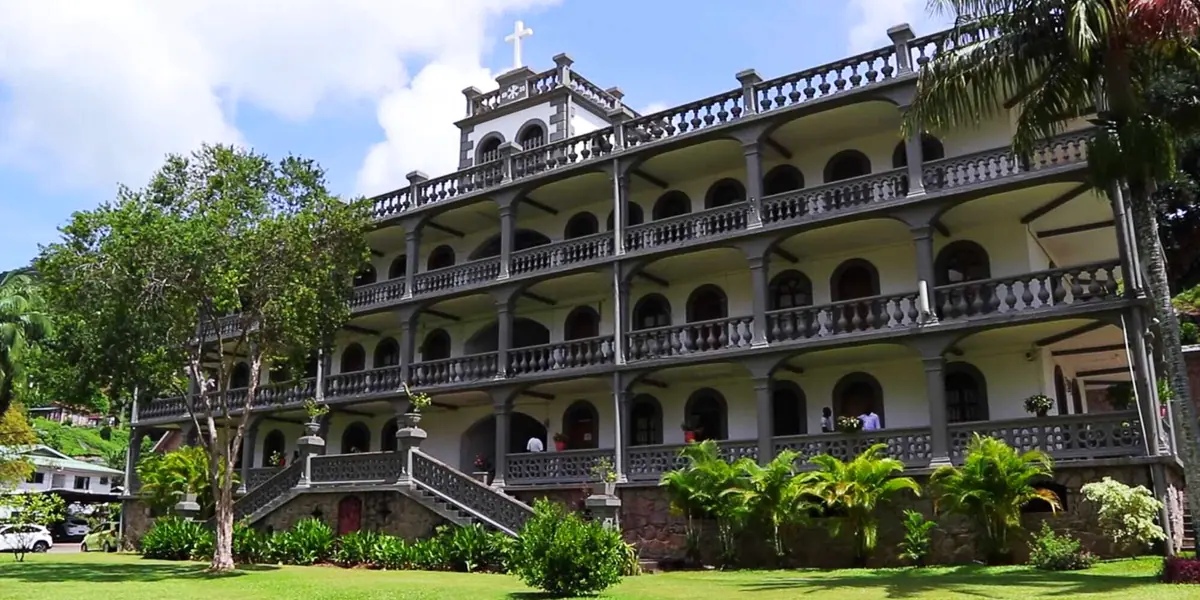
Seychellois architecture is unmistakable in style and at the same time practical in the way it is built. The influence of colonial times is clear, but so are the practical considerations. The old houses with their steep roofs reflect a building style typical of the tropics, designed for comfortable living, with elements from the French and British colonial periods. The steep roofs shed the rain, the wide verandas suit island life, which is largely lived outdoors, and the construction as a whole is ideal for catching the constant, cooling breeze. Modern architecture combines the traditional style with practical features to capture the fresh sea breeze of the islands.
Traditionally, kitchens were built outside so that the strong smell of spices did not drift into the living quarters.
The colonial history of the Seychelles shows in the rivalry between wealthy landowners and plantation owners to build the most impressive approach to their houses. This culminated in magnificent flights of steps on all four sides of a building.
Houses were normally thatched with palm leaves from the coconut plantations. For practical reasons and for prestige, these were replaced by corrugated iron roofs once corrugated iron became available on the island. Many of the smaller houses were built more or less in this style, and the traditional wooden cladding was gradually replaced by concrete.
To see what a plantation house looks like inside, visit the Domaine de Val des Prés on Mahé. It has the plantation house "Gran Kaz" from around 1870, and next to it "La Kaz Rosa", a typical 20th-century workers' house (more in the section "Experiencing culture").
Food and cooking
Creole cooking also reflects the unusual ethnic mix of the population. The finer points of French cuisine, the exotic touch of Indian dishes and the spicy flavours of the Orient come together in a true culinary experience.
Grilled fish or squid, drizzled with a sauce of fresh chilli, ginger and garlic paste, is a national favourite, as are the various delicious curries, lovingly prepared with fresh coconut milk. The chutneys served as a side dish are particularly interesting. They are a tasty mix of local fruits such as papaya or golden apple with spices. As you would expect, seafood forms the basis of most dishes. Rice is usually served with them.
You can find out where to eat Creole food in our restaurant recommendations.
Art and crafts
For such a small country, the Seychelles has a very lively art scene, including painters, sculptors, writers and poets, a range of craftspeople, musicians and dancers.
Local artists work in many different styles, which reflect the multi-ethnic background of the islands and the many influences that have left their mark here. Painters and other artists have always drawn inspiration from the natural, colourful beauty of the islands. This has produced a wide range of work in different art forms, such as printmaking and etching, collage and object art, using the most varied materials, including watercolours, oils, acrylics, metals, aluminium, wood, textiles, lacquers, pastels and charcoal. Sculptors make fine pieces from local wood, stone, bronze and cartonnage.
The Seychelles has always held a strong fascination for local writers and poets. This has produced historical accounts and fascinating works on the history of the islands' society. The collection of short stories and poems reflects the passion of these people.
Traditional craftspeople can be found all over the Seychelles. Their work is as varied and diverse as the islands themselves. Items are made from coconut shells or fibres, shells or coral, bamboo and metal, and you will also find clothing, gold, silver and other jewellery, and pottery.
Music, dance and folklore
Music and dance have always been an integral part of Seychellois culture and are an essential part of any celebration. Creole music and dance have their roots in African, Malagasy and European cultures. The traditional rhythms are accompanied by tambour and tam-tam drums and simple string instruments. The violin and the guitar are relatively recent European additions that give today's music its distinctive note.
Moutya and Sega
The traditional Moutya is an erotic, mysterious-seeming dance that dates back to the days of slavery. In those times it served as a way of expressing strong emotions and a release for people's misery. It was originally danced at night around a fire in the forest, and the drums are warmed over the fire before playing. In December 2021, UNESCO added the Moutya to the Representative List of the Intangible Cultural Heritage of Humanity. Over time, stage performances for visitors were added to the spontaneous dances held within the community.
The lively Sega, with its vivid lyrics, elegant swaying hips and almost shuffling footwork, is just as popular as the Moutya.
Kanmtole and Contredanse
The Contredanse and the Kanmtole are dances of European origin. The Kanmtole recalls a Scottish country reel and is accompanied by banjo, accordion, violin and triangle. The intricate steps of the Contredanse come from the French court and are danced to the sound of banjo and triangle, with the "Komander" calling the figures.
Various traditional dance groups perform at local festivals, as do modern performers of jazz, reggae, country and western, hip hop, ballads and rock. There are several choirs on the islands that delight audiences with their hymns and chorales. Their repertoire, to name just a few styles, includes traditional sacred music as well as gospel and folk.
Stories and mythical creatures
In the relatively short history of the Seychelles, the islands' folklore was passed down by word of mouth, long before television, radio and the written word became the main media.
Over the years a few fabled characters have come to stand out in Seychellois folklore. One example is "Soungula", known for his cleverness and resourcefulness in dealing with the everyday problems of life. Other colourful figures include Bro Zako, Kader, Tizan and Kousoupa.
Some of the best-known fables and stories still told today date from the days before television, when storytelling was not just entertainment but a way of passing on values and practical advice for island life.
Experiencing the culture: festival, museum and Craft Village
Festival Kreol
Since 1985 the Festival Kreol has celebrated Creole language, music, food and crafts every October. It is organised by the Seychelles National Institute of Culture, Heritage and the Arts. The 2026 edition was the 41st and fell in the year the Seychelles celebrate 50 years of independence. The main events traditionally take place in the last week of October, mostly in Victoria and other parts of Mahé. Many of the events are free. The next festival is in October 2027, and the detailed programme is often only announced shortly beforehand. You will find more festivals under Festivals and events.
Museums and the craft village
The National Museum of History in Victoria tells the story of the islands from the first explorers to the present day, with a section on traditional Creole life. The Domaine de Val des Prés in Au Cap, in the southeast of Mahé, brings together a plantation house, a workers' house and twelve workshops. These include the "Maison de Coco", which sells souvenirs made from different parts of the coconut palm. For more on the background, see History of the Seychelles.
| Location | Opening hours | Admission (as of November 2026) |
|---|---|---|
| National Museum of History, Independence Avenue, Victoria, by the clock tower | Mon 9:30–12:30, Tue–Fri 9:30–12:00 and 13:00–16:30, Sat 9:30–12:30, closed Sun and public holidays | Visitors aged 12 and over Rs 150, children under 11 free |
| Natural History Museum, Victoria | According to the museum website, closed for renovation | no information |
| Domaine de Val des Prés (Craft Village), Au Cap, Mahé | Roughly Mon–Fri 9:00–16:00, Sat and Sun until about 13:00; details vary, and individual workshops open at different times | Access to the village free, craft items paid for individually |
Frequently asked questions
Where can you see Moutya?
Most likely at festivals such as the Festival Kreol and at performances by dance groups. At hotel and restaurant evenings it is usually a staged version. You will find current dates under Festivals and events.
When does the Festival Kreol take place?
Every year in October, with the main events in the last week. Plan your flight and accommodation early, as the dates are often confirmed late.
Which language is spoken?
Seychellois Creole, English and French are the official languages. English will get you by everywhere, and a few words of Creole are always appreciated.
What should I bear in mind when buying souvenirs?
Not everything on sale at the markets is made on the islands. It is best to buy crafts made from coconut, wood or fabric directly from workshops such as the Craft Village. Export restrictions may apply to shells, coral and coco de mer, so read the customs regulations beforehand.
Back to Seychelles society or on to Flora & Fauna.