People, language and religion
How the society came about
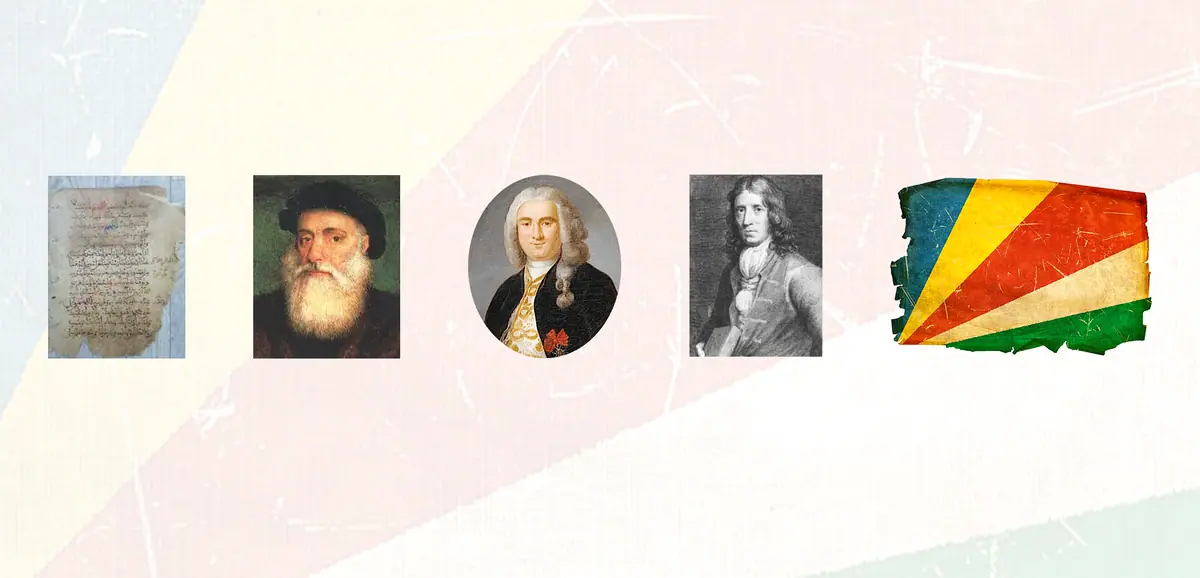
Seychelles had no indigenous population before settlement, and throughout the making of its society it has stayed true to its multi-ethnic roots. For more than two centuries the islands have been a melting pot of ethnic groups, traditions and religions from all parts of the world. The first permanent settlers arrived in 1770: a small group of French, Africans and South Indians. You can read more in the History of the Seychelles.
Even today, the peaceful coexistence of people from many cultural backgrounds is the defining characteristic of this lively and harmonious nation.
Population
The population still reflects these multi-ethnic roots. It numbers around 100,000 people, and the 2022 census counted just over 102,000. The great majority live on Mahé, with smaller communities on Praslin and La Digue.
The islands have always drawn people from every corner of the world. Freed slaves from the French colonies in Africa and slaves from the English colonies in India came to Seychelles, as did European settlers from France, England and Italy, political exiles, adventurers, Arab and Persian traders and Chinese migrants.
Practically every nation on earth is represented in the cultural melting pot of Seychelles, each leaving its own mark and shaping the dynamic yet very peaceful society of today.
Language
There are three official languages: Creole (a melodious patois based on French), English and French. Many Seychellois also speak fluent Italian or German. In everyday life, in hotels, shops and government offices, visitors generally get by well with English. A few words of Creole are always appreciated, though:
| Creole | Meaning |
|---|---|
| Bonzour | Good morning, good day |
| Bonswar | Good evening |
| Komman sa va? | How are you? |
| Mersi | Thank you |
| Orevwar | Goodbye |
Religion
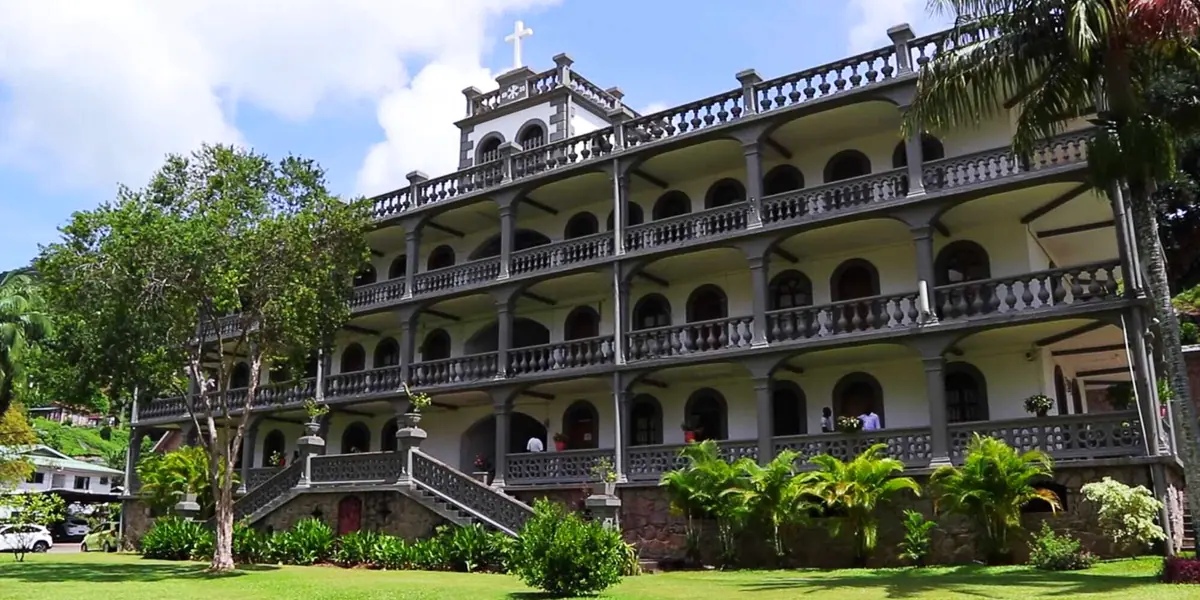
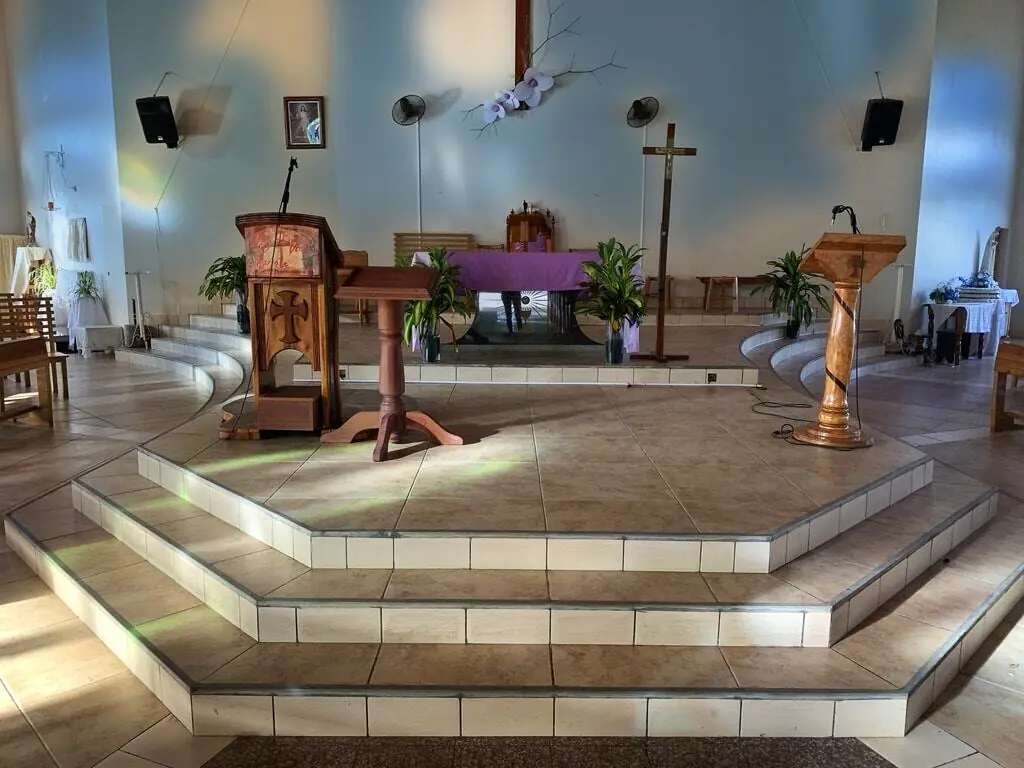
Most people are still Roman Catholic, but there are also many Anglicans and Protestants. The Catholic share used to be given as over 90%. According to the 2022 census it is around 61%, while other analyses put it at about 70%. Hindus are the largest non-Christian group, at just over 5%.
The faithful live peacefully alongside Muslims, Hindus, Bahá’í followers and other communities, such as Buddhists, on Mahé, Praslin and La Digue. Churches, a Hindu temple and a mosque are part of the townscape, above all in Victoria. When visiting places of worship, it is customary to cover your shoulders and knees.
State and government
From one-party state to democracy
The politics of Seychelles has historical roots in both one-party socialism and autocratic rule. After independence from the United Kingdom in 1976, Seychelles was a sovereign republic until 1977. Then the original president and leader of the Seychelles Democratic Party, James Mancham, was overthrown in a bloodless coup by Prime Minister France-Albert René. René set up a socialist one-party state under the Seychelles People's Progressive Front, which lasted until 1991. Multi-party elections were held in 1993 for the first time since independence.
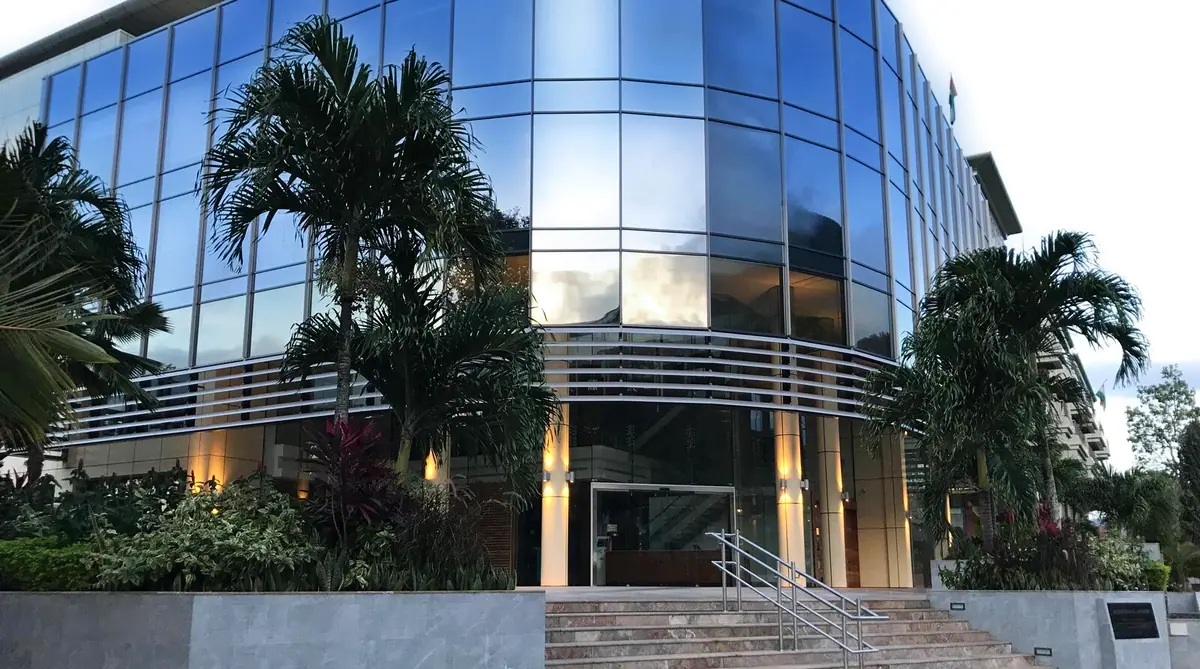
The Republic of Seychelles has had a democratic multi-party system since 4 December 1991. Government takes the form of a presidential republic in which the president is both head of state and head of government. Executive power is exercised by the government and legislative power by the National Assembly. The president chairs the cabinet, which includes the vice-president.
Presidents since independence
In April 2004, James Alix Michel succeeded President Albert René, who had been in office since 1977. Michel was re-elected by the people in 2006, 2011 and 2015. On 16 October 2016 he announced his resignation, and his vice-president, Danny Faure, took over the office without an election. In 2020 the Anglican priest Wavel Ramkalawan won the presidential election as the opposition candidate, the first peaceful change of power of its kind since independence.
In the elections of September and October 2025, Patrick Herminie of United Seychelles won the run-off. He was sworn in as the sixth president on 26 October 2025. Sebastien Pillay has been vice-president since 28 October 2025.
| President | Term in office |
|---|---|
| James Mancham | 1976–1977 |
| France-Albert René | 1977–2004 |
| James Michel | 2004–2016 |
| Danny Faure | 2016–2020 |
| Wavel Ramkalawan | 2020–2025 |
| Patrick Herminie | since 26 October 2025 |
National Assembly and parties
The National Assembly (the legislature) took its present form after the elections of 25 to 27 September 2025. It has 34 members. Twenty-six are elected in single-member constituencies under the first-past-the-post system, and a further eight seats are allocated as compensatory seats in proportion to the votes cast. In the previous term (2020) there were 35 seats. Members serve for five years.
The former Seychelles People's Progressive Front (SPPF), led by the late President France-Albert René, was renamed Parti Lepep in 2010 and United Seychelles in 2018. After its election defeat in 2020 (just 10 seats), it returned to power in 2025 with 19 seats.
The LDS (Linyon Demokratik Seselwa) was a coalition of the main opposition parties, originally the Seychelles National Party, the Seychellois Alliance, the Seychelles Party for Social Justice and Democracy and the Seychelles United Party. From 2016 it held the majority in the National Assembly. The Seychellois Alliance left the coalition in February 2018, after its chairman Patrick Pillay resigned as Speaker and member of the National Assembly in January 2018. In 2020 the LDS under Wavel Ramkalawan won both the presidency and parliament; in 2025 it lost both and now forms the opposition with 15 seats. The Seychelles National Party was struck off the register of parties by the Electoral Commission in 2021.
| Party | Position | Seats 2025 |
|---|---|---|
| United Seychelles (US) | Governing party, led by Patrick Herminie, left to centre-left | 19 |
| Linyon Demokratik Seselwa (LDS) | Opposition, the party of Wavel Ramkalawan | 15 |
| Seychelles United Movement | Minor party, no seats in 2025 | 0 |
| Seychelles People's National Movement | Minor party, no seats in 2025 | 0 |
Women and politics
After the 2025 election, nine women sit among the 34 members of the National Assembly: seven through constituencies and two through compensatory seats. On 28 October 2025, Azarel Ernesta became the first woman to be elected Speaker of the National Assembly. There was no woman among the candidates for the presidency in 2025.
Districts of the Seychelles
The Seychelles are divided into 25 administrative districts. Of these, 22 lie mainly or entirely on the main island of Mahé and two on Praslin, while La Digue, together with its neighbouring islands and some of the more distant islands, forms one further district. For the 2025 parliamentary election there were 26 constituencies.
Memberships
The Seychelles belong to the United Nations (UN), the African Union (AU), the Commonwealth, the Indian Ocean Commission (IOC), the Indian Ocean Rim Association for Regional Cooperation, the Common Market for Eastern and Southern Africa (COMESA), the Southern African Development Community (SADC) and La Francophonie. There are embassies in Paris, New York, Brussels, New Delhi, Nairobi and Beijing, among other places, and a number of honorary consulates around the world.
Everyday life together
You will find more about customs, music, food and crafts under Culture of the Seychelles. For safety advice, see Crime in the Seychelles, and for tipping, see Tipping in the Seychelles.
Frequently asked questions
Who is the current president of the Seychelles?
Patrick Herminie of United Seychelles, in office since 26 October 2025. The vice-president is Sebastien Pillay.
How many people live in the Seychelles?
Around 100,000. The 2022 census counted just over 102,000. Most people live on Mahé.
Which languages are spoken?
The official languages are Creole, English and French. For visitors, English is usually enough.
Were there indigenous people in the Seychelles?
No. The islands were uninhabited until the first settlers arrived in 1770.
Which religion is most widespread?
Christianity, above all the Roman Catholic Church (about 61% according to the 2022 census). There are also Anglicans, Hindus, Muslims and other communities.
Back to the history of the Seychelles or to culture in the Seychelles.