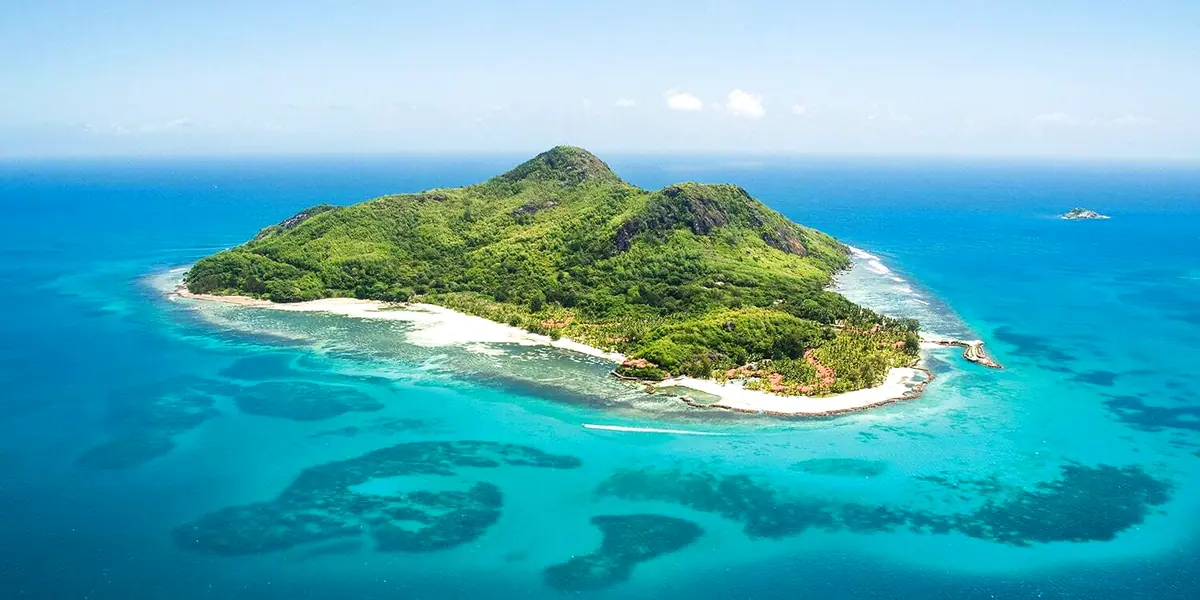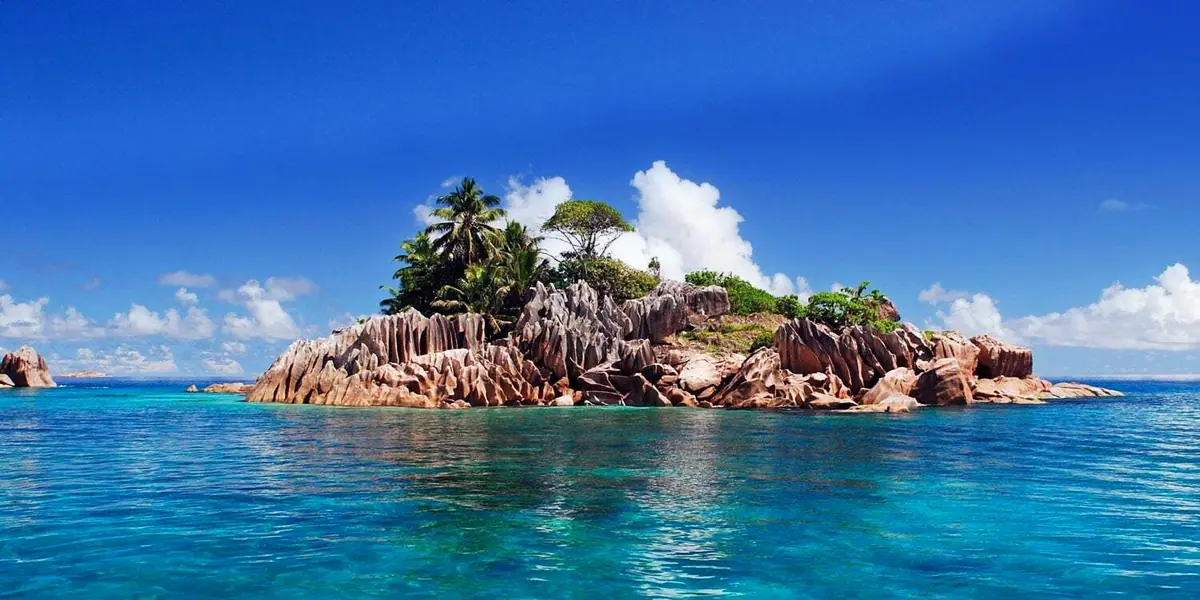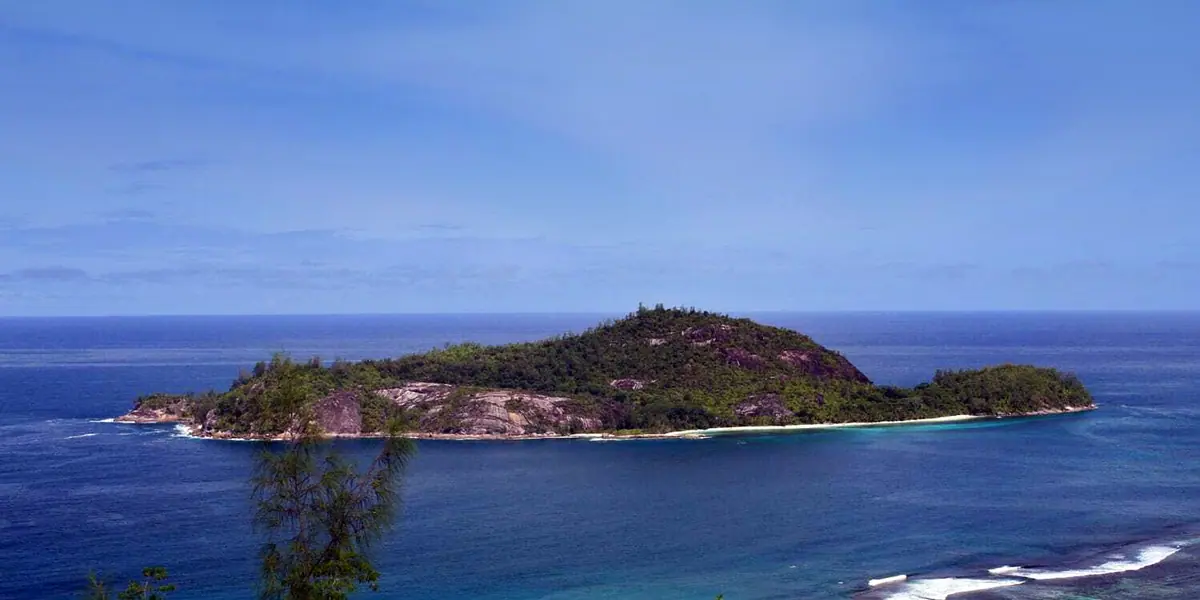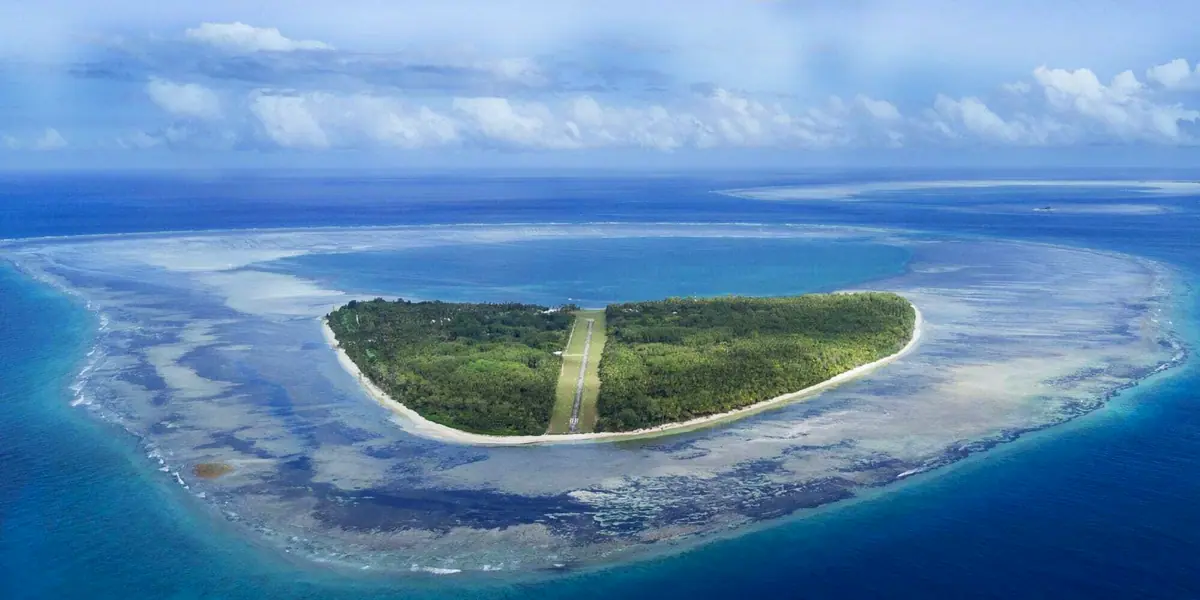
Inner and Outer Islands
The Republic of Seychelles consists of 115 islands with a total land area of 455 km² and an exclusive economic zone of around 1.4 million km². The archipelago lies between 4 and 10 degrees south of the equator, between 480 and 1,600 km off the east coast of Africa.
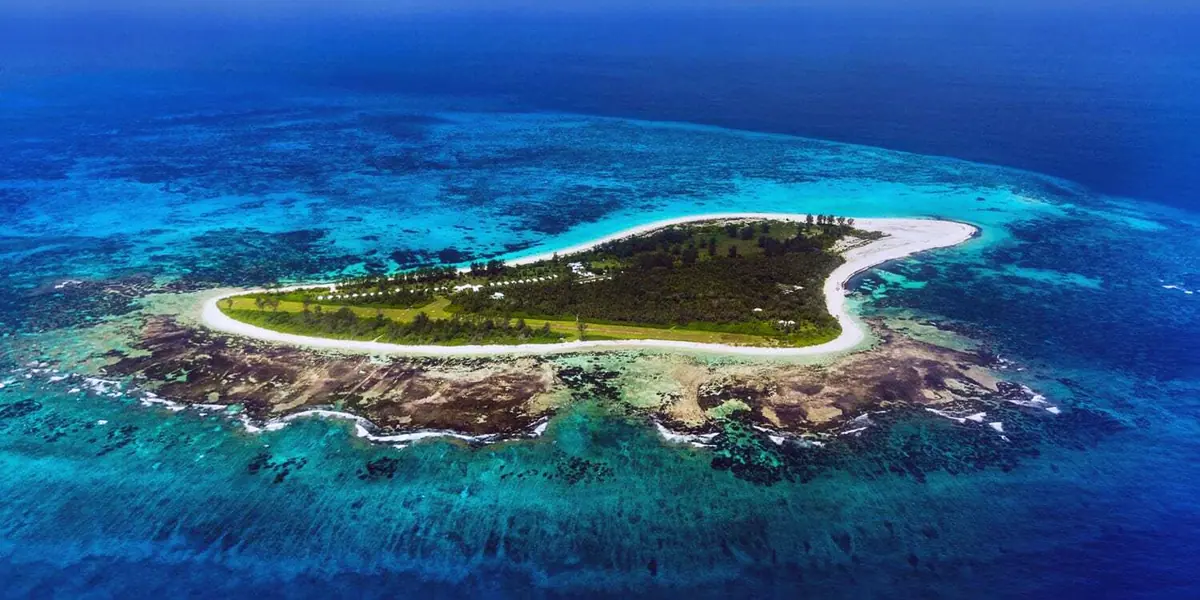
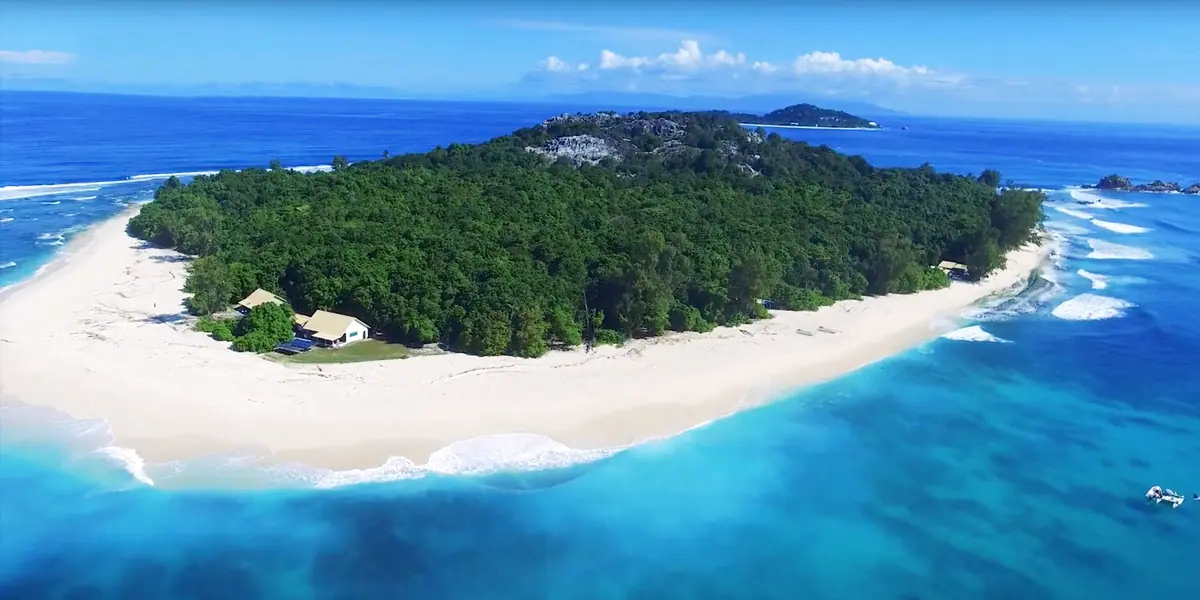
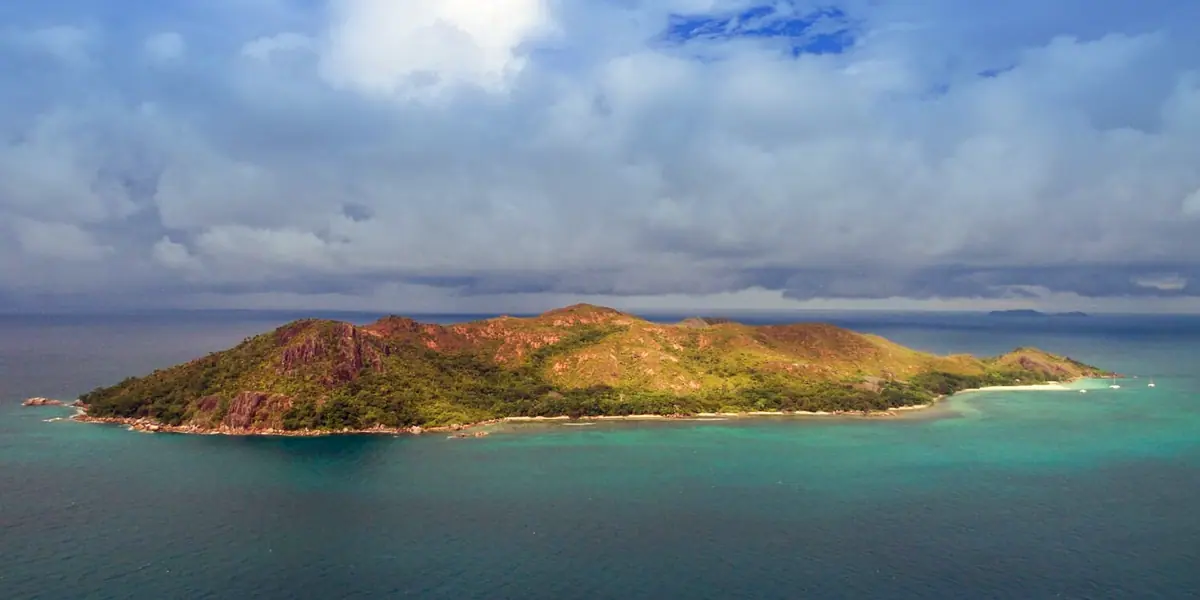
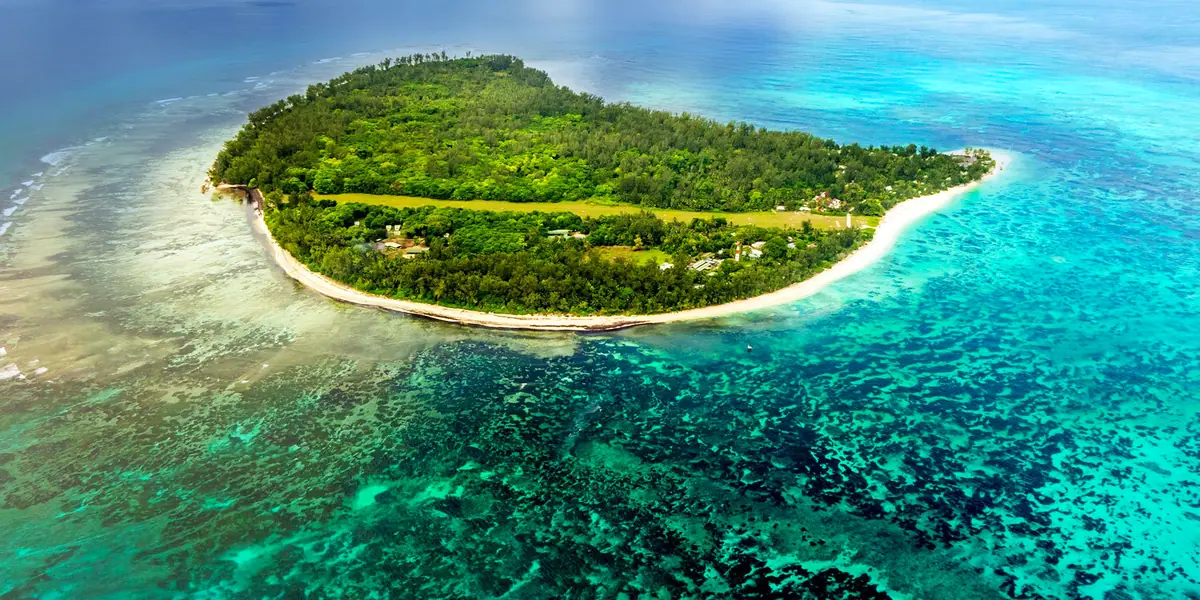
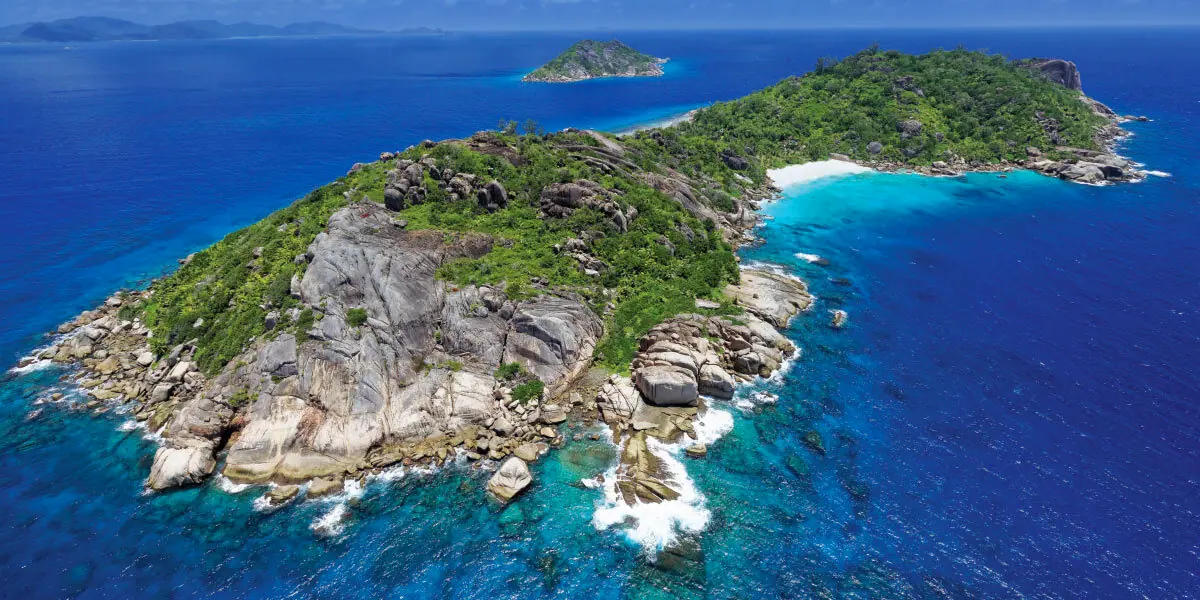
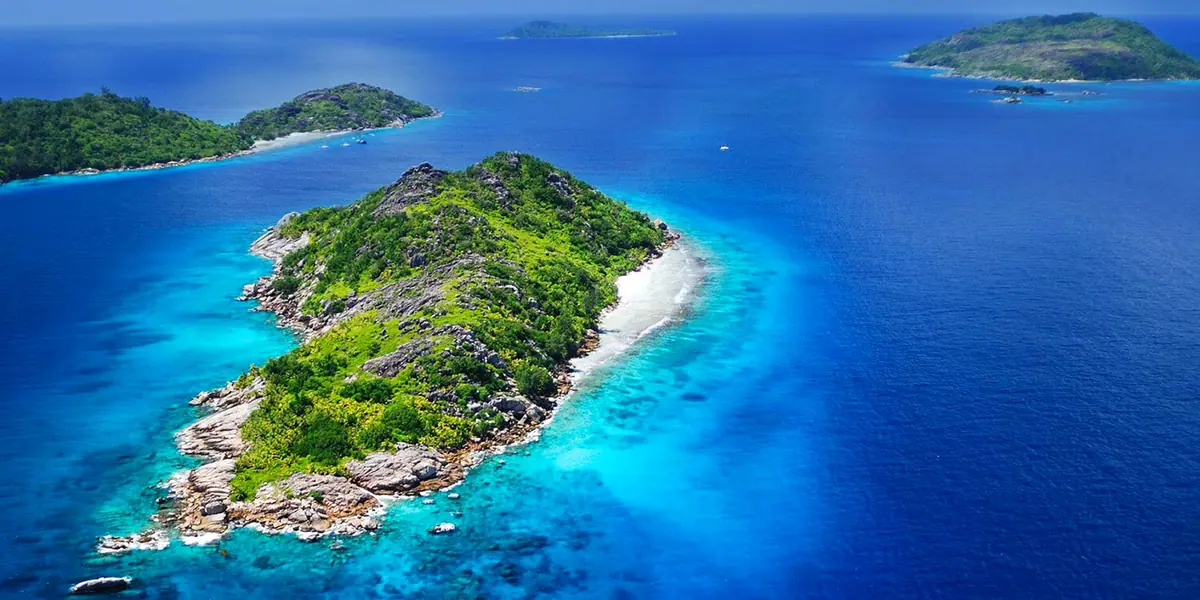
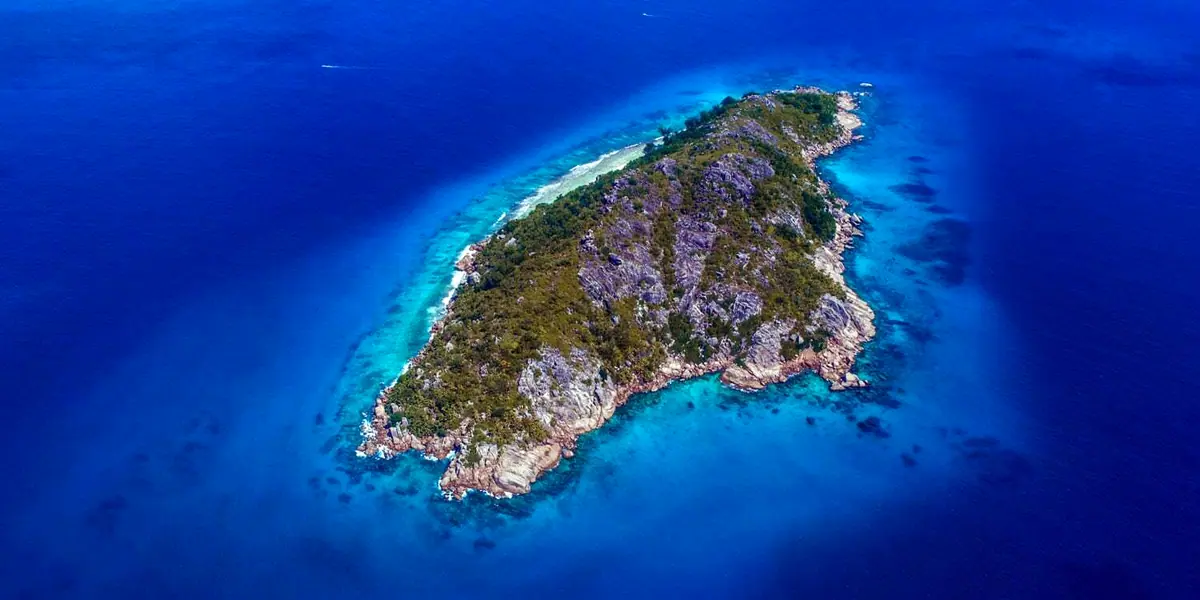
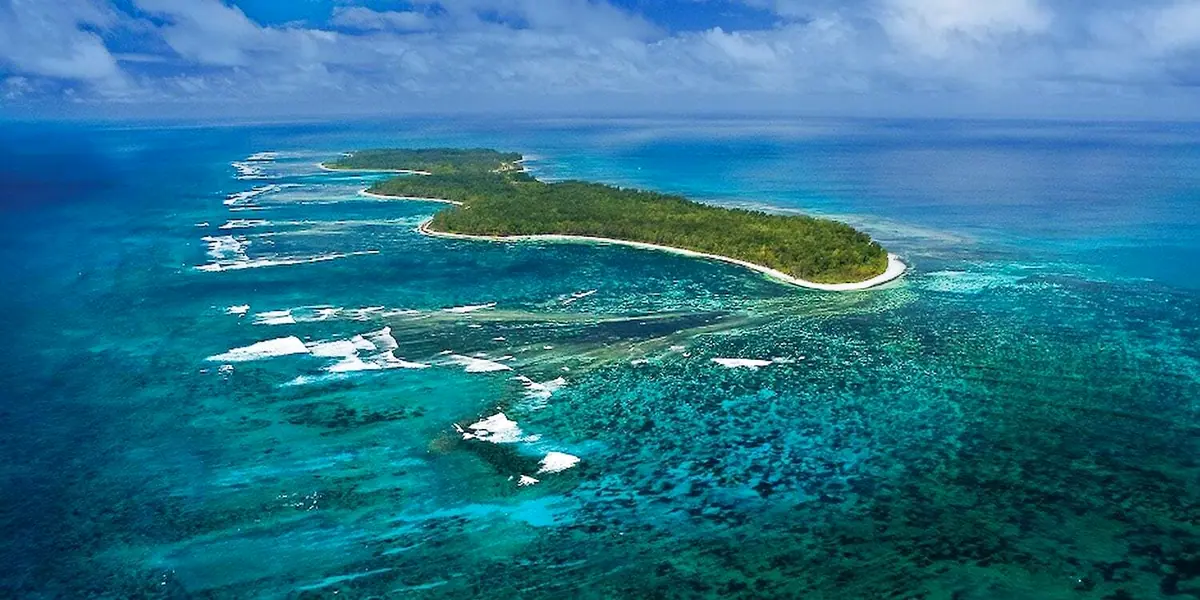
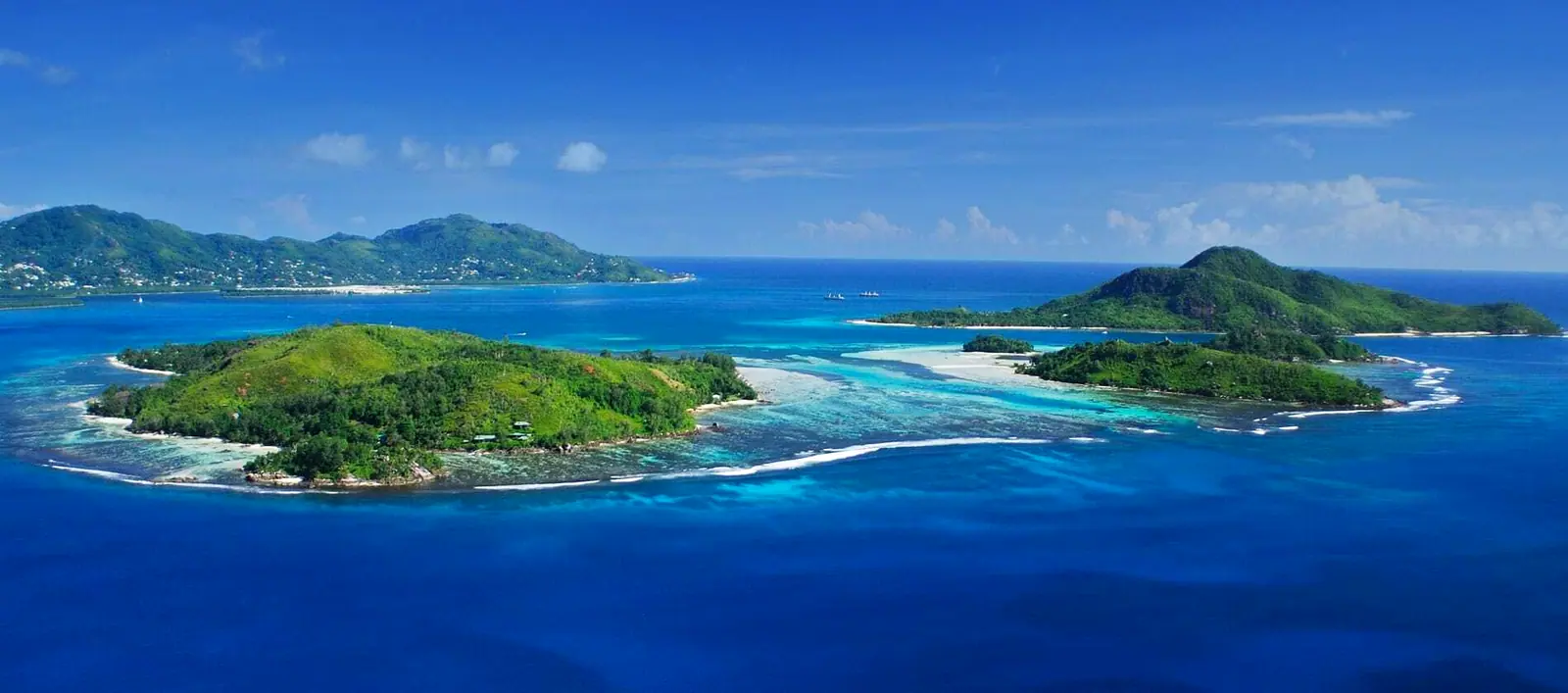
Of the 115 islands, 41 are among the oldest mid-ocean granite islands on Earth (the Inner Islands). The remaining 74 are the lower-lying coral atolls and reef islands of the "Outer Islands".
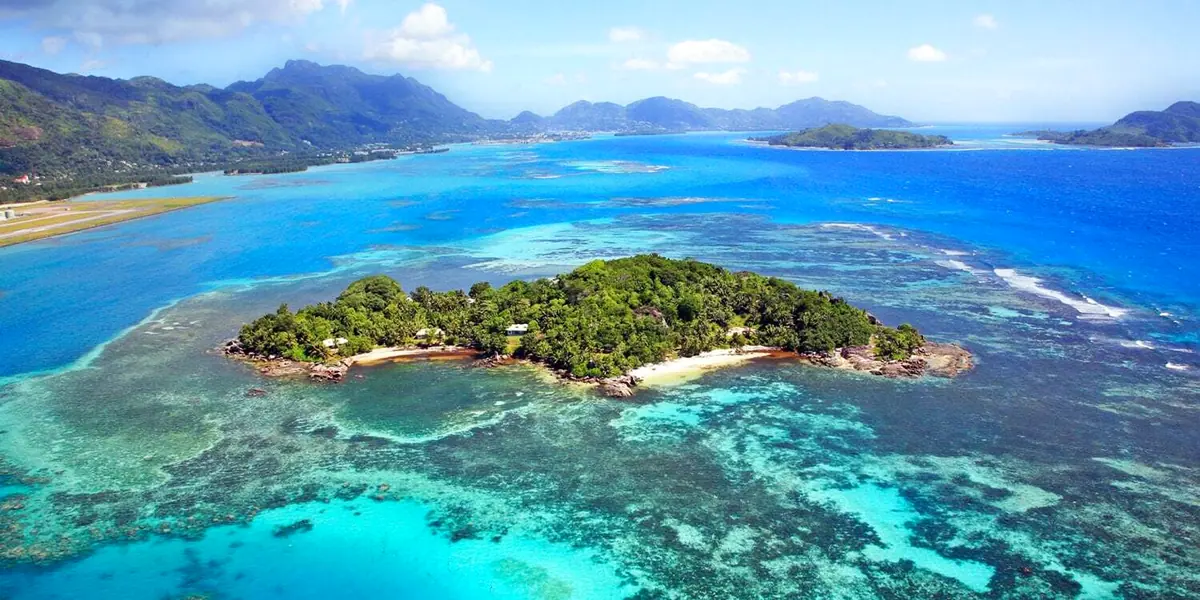
The granite islands cluster around the main island of Mahé, home to the capital, Victoria, and the international airport. Praslin and La Digue are close by. These Inner Islands form the cultural and economic heart of the nation, with the most important tourist infrastructure and the loveliest dream beaches (more under Dream Beaches).
The Outer Islands are widely scattered to the southwest. The main groups are:
| Island group | Distance from Mahé | Highlight |
|---|---|---|
| Amirantes | approx. 230 km | Hotel island Desroches, flight from Mahé approx. 35 to 40 minutes |
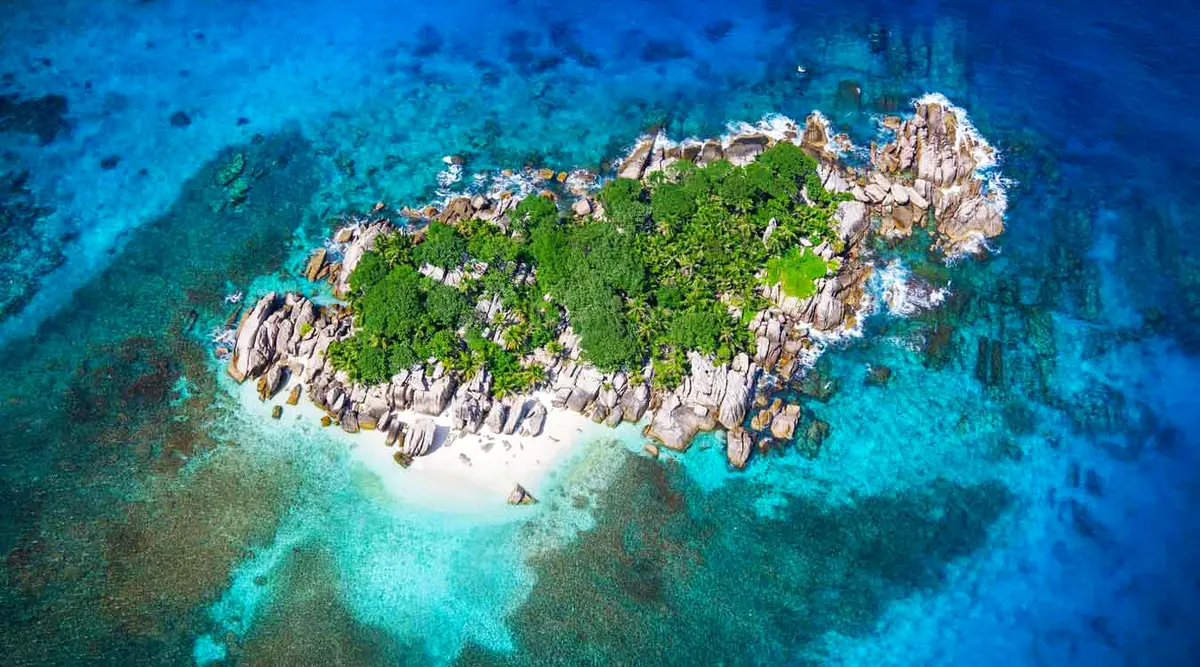
| Southern Coral Group | approx. 280 km | Coëtivy Island (shrimp farming) |
| Alphonse Group | approx. 400 km | Main island Alphonse, flight from Mahé approx. one hour |
| Farquhar Group | approx. 750 km | only reachable by ship or charter |
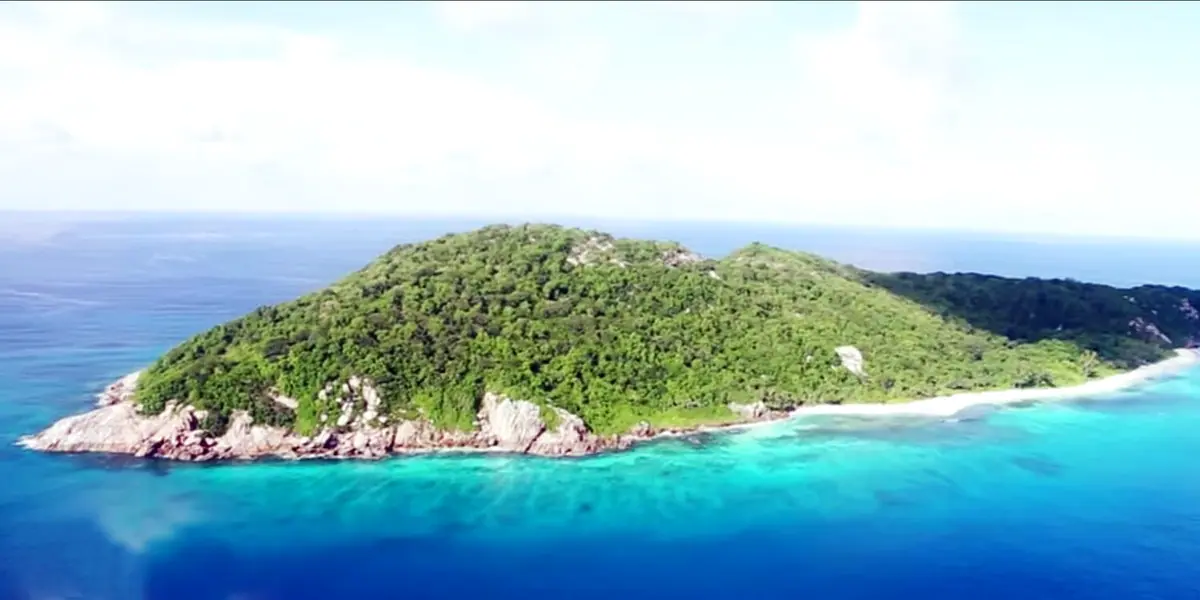
| Aldabra Group | approx. 1,200 km | UNESCO World Heritage Site, huge colony of Aldabra giant tortoises |
With the exception of Desroches and Alphonse, all the Outer Islands can only be reached by chartered or private light aircraft or by boat, and they are of little interest to general tourism. The subpages therefore concentrate on the main islands and a few selected smaller ones.
Mahé, Praslin, La Digue and Silhouette
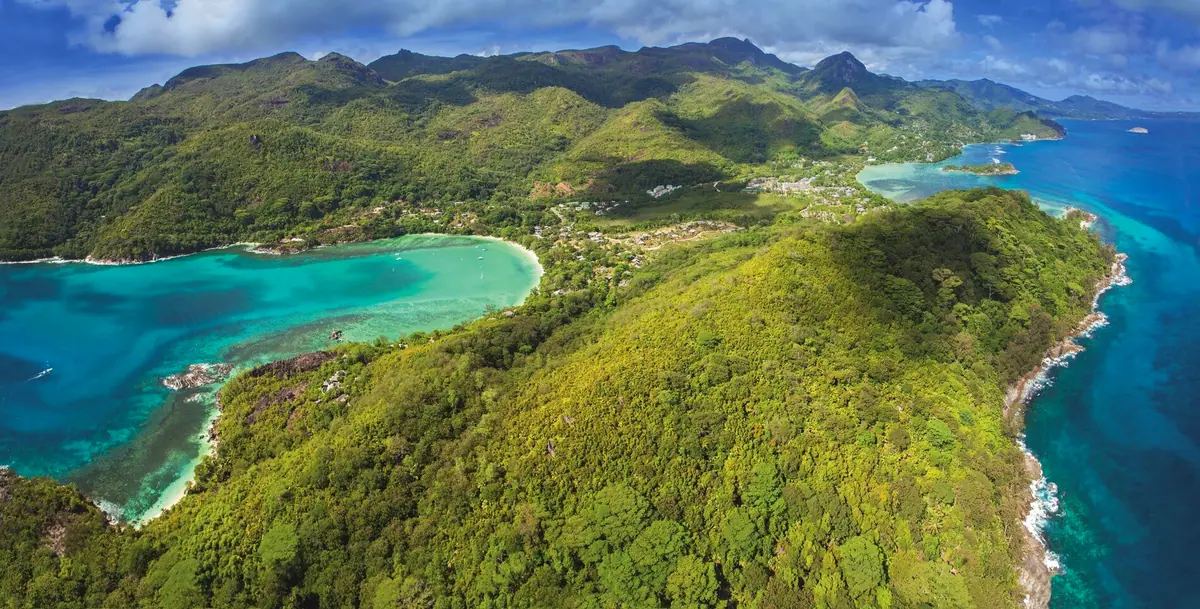
The main island of the Seychelles is Mahé, with an area of around 155 km², almost exactly a third of the total land area of all the islands. According to the 2022 census, about 88 per cent of the country's inhabitants live on Mahé and the small neighbouring islands.
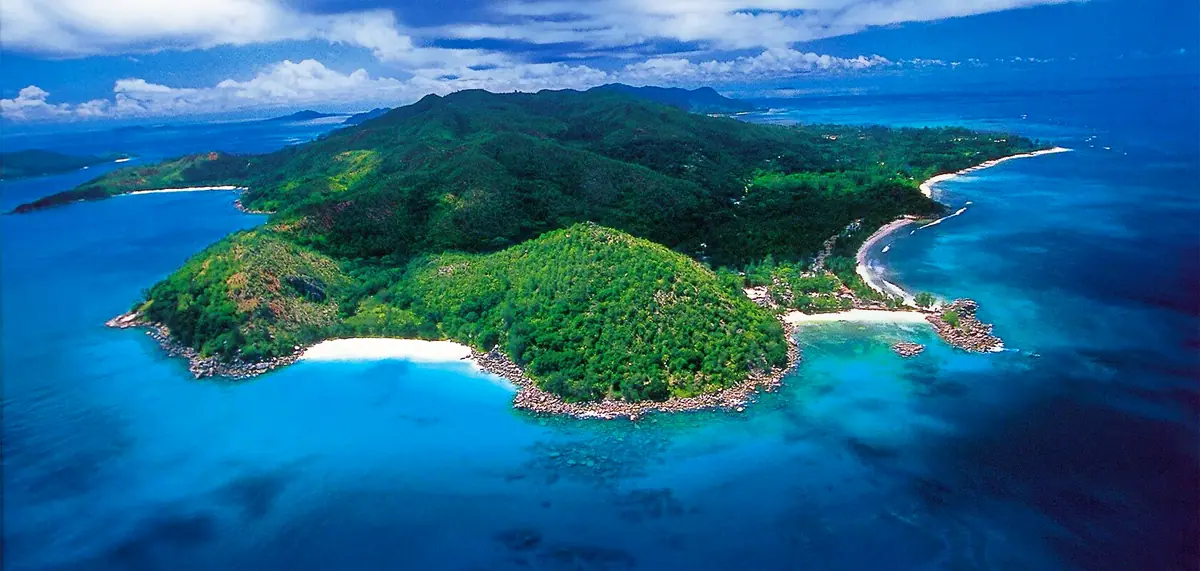
The second largest island is Praslin. The name is pronounced the French way, with a nasal ending and a silent "s", roughly: pra-LENG. The island is famous mainly as the home of the coco de mer, also called the Seychelles nut (more under Flora and Fauna).
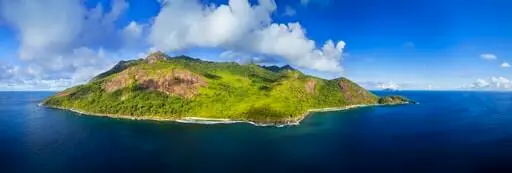
The third largest island, Silhouette, is of less importance to the average holidaymaker. You can visit it, but there is only one hotel, and by far the greater part of the island is a nature reserve, partly made up of almost impenetrable jungle.
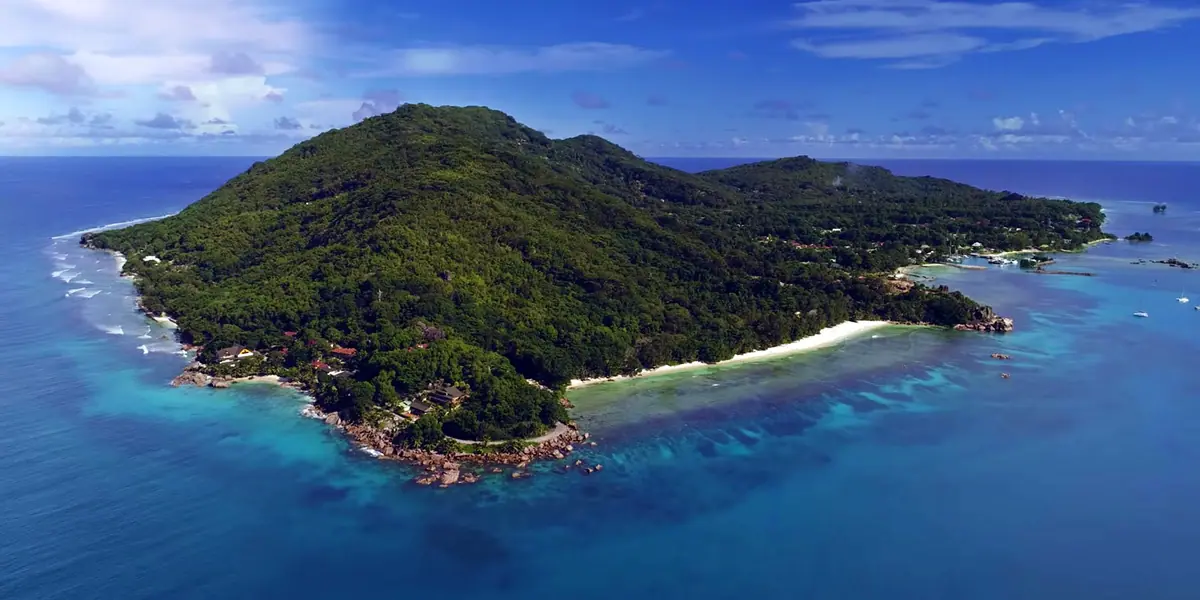
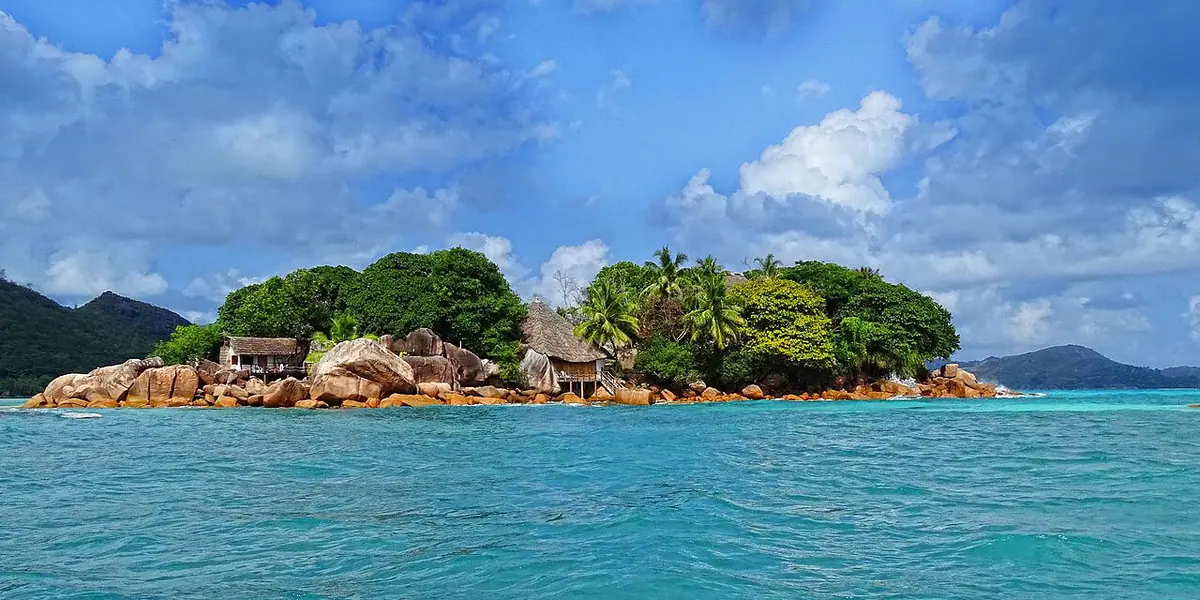
Of greater importance for tourism is La Digue, the fourth largest of the Inner Islands (pronounced la-DEEG, named after an exploration ship), which lies close to Praslin. So many "typical" Seychelles photos, film scenes and adverts were shot here that you will know its unique granite formations even if you have never heard the name of the island.
Smaller islands and hotel islands
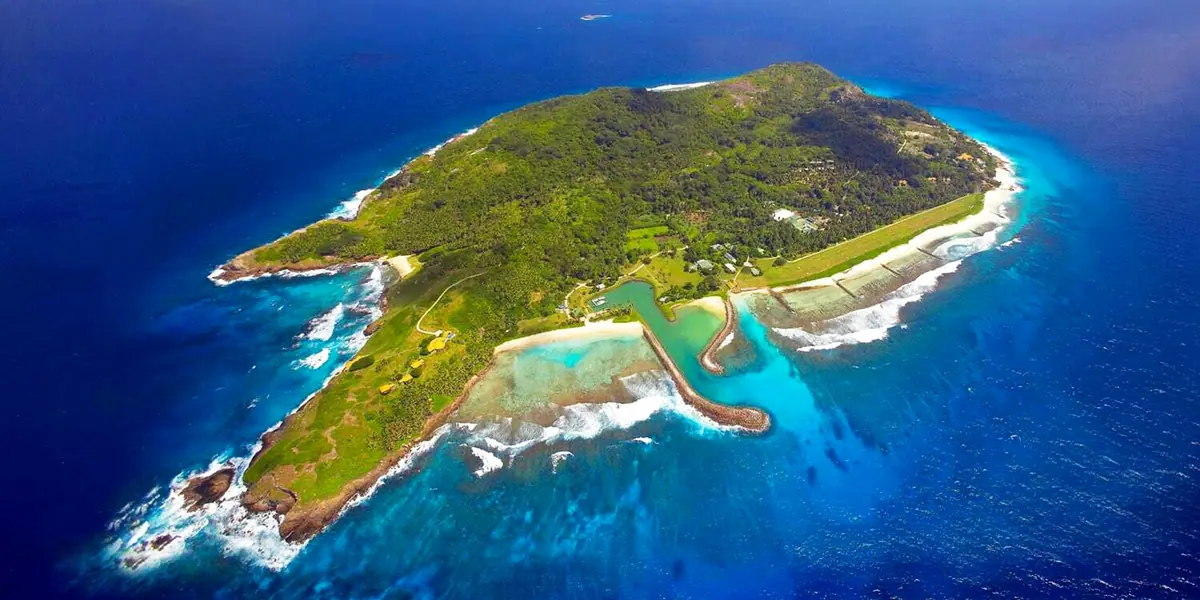
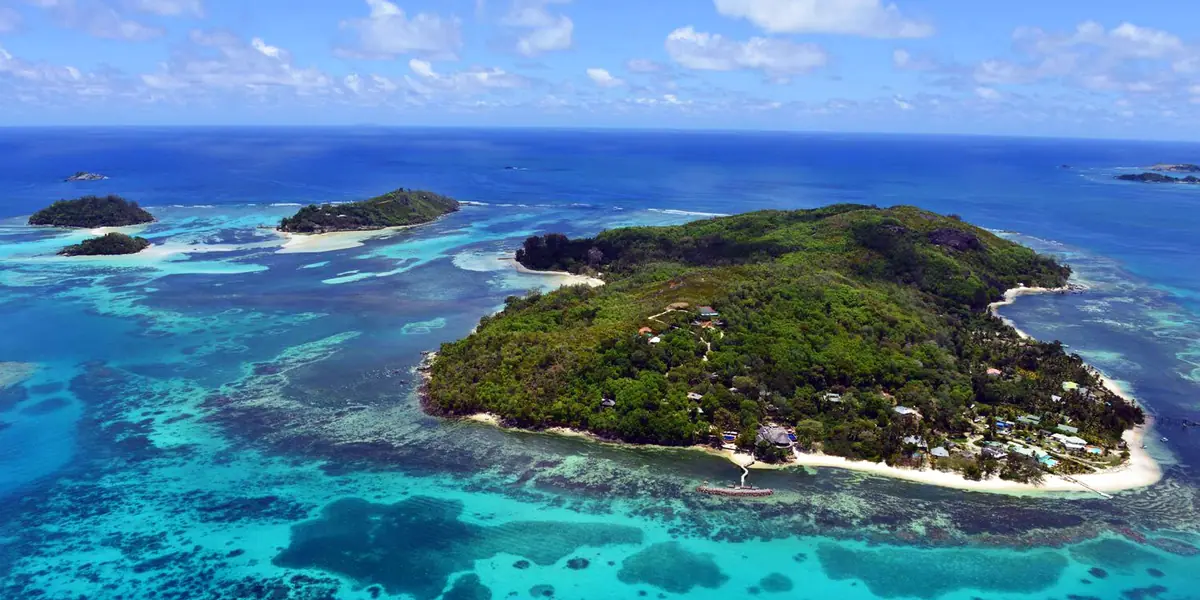
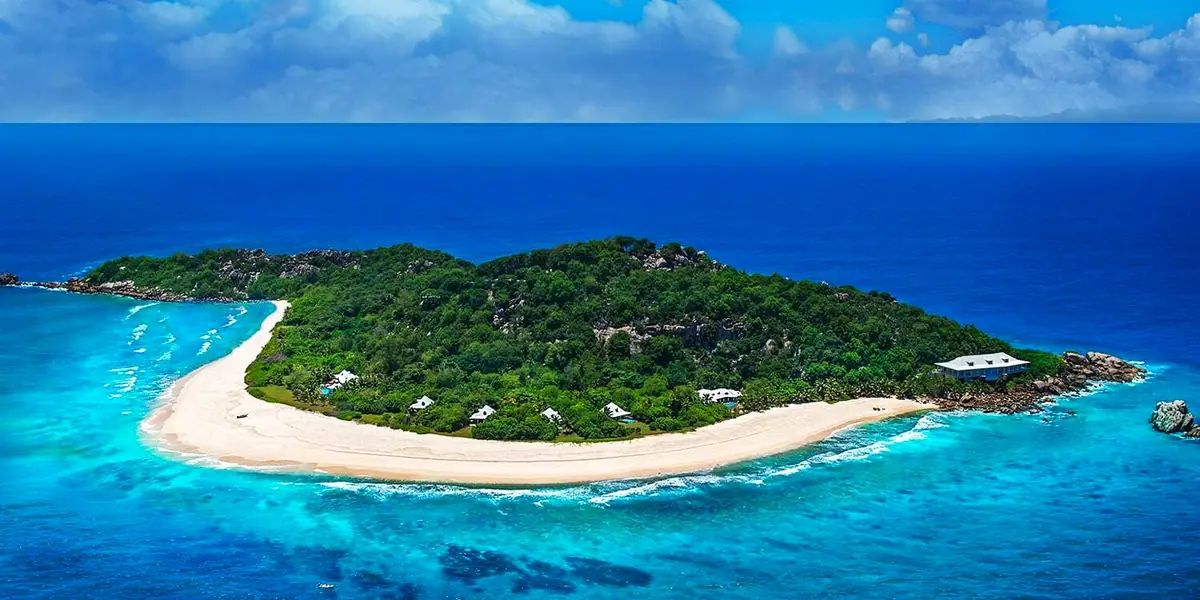
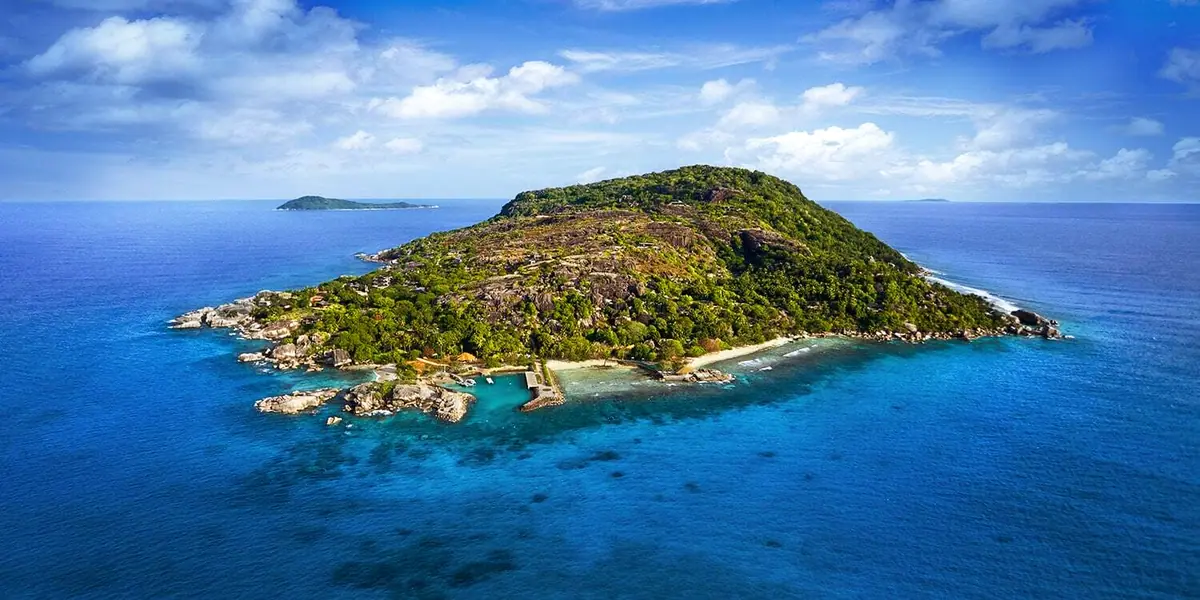
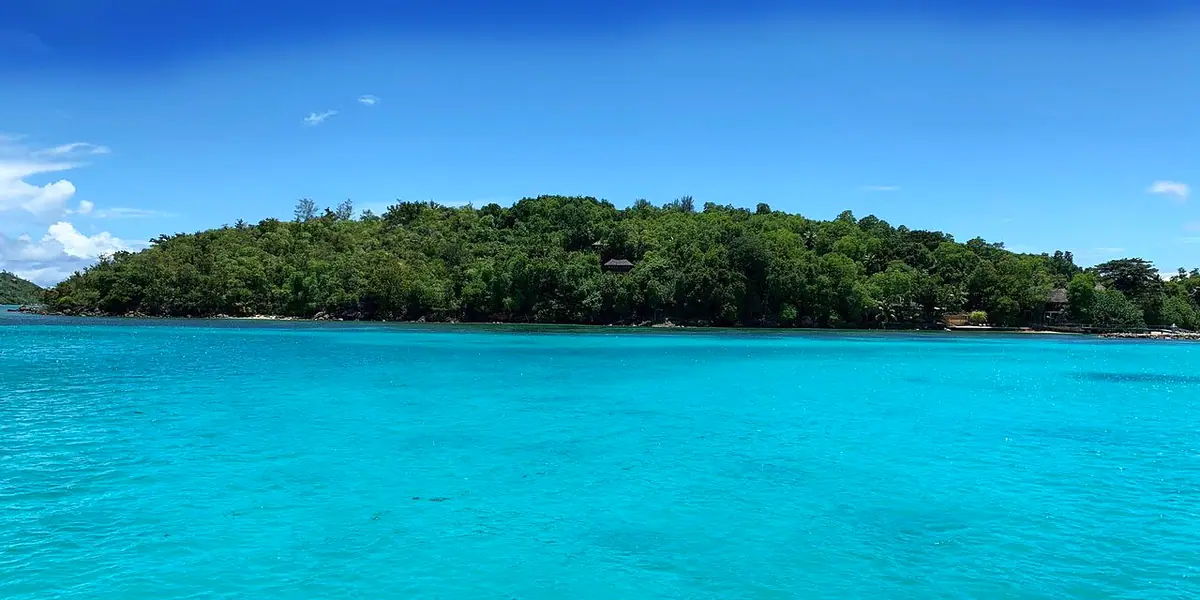
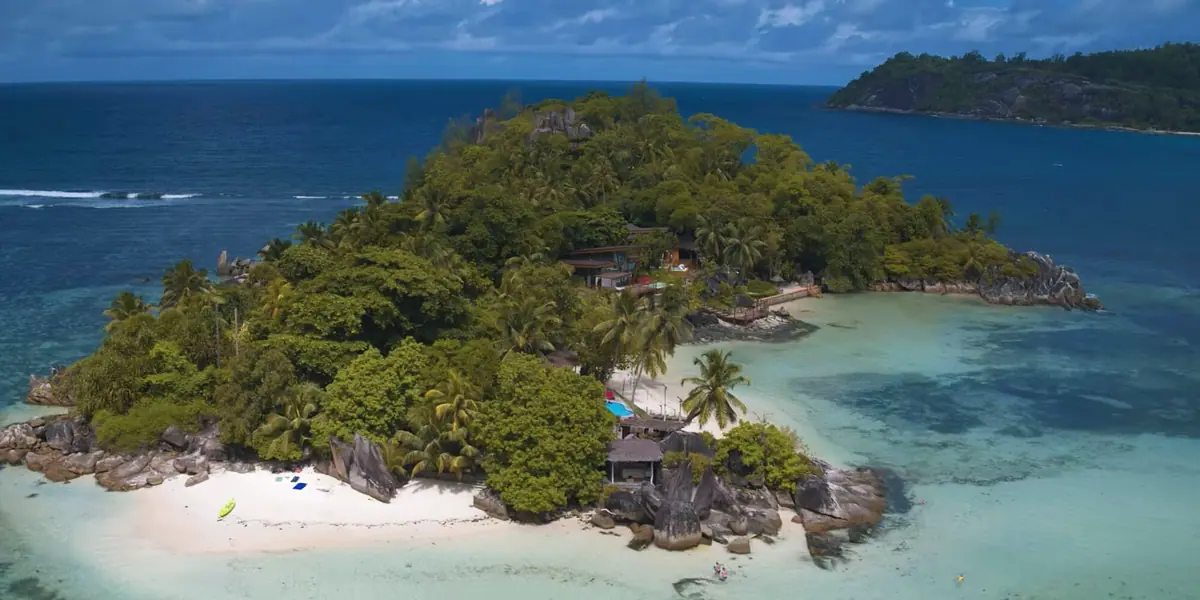
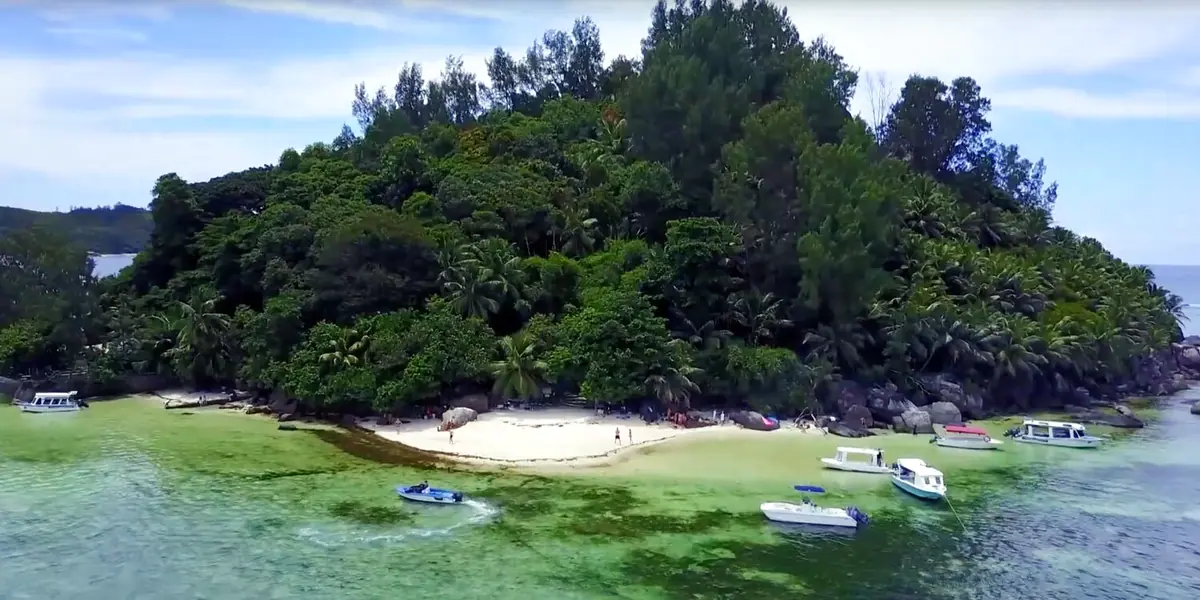
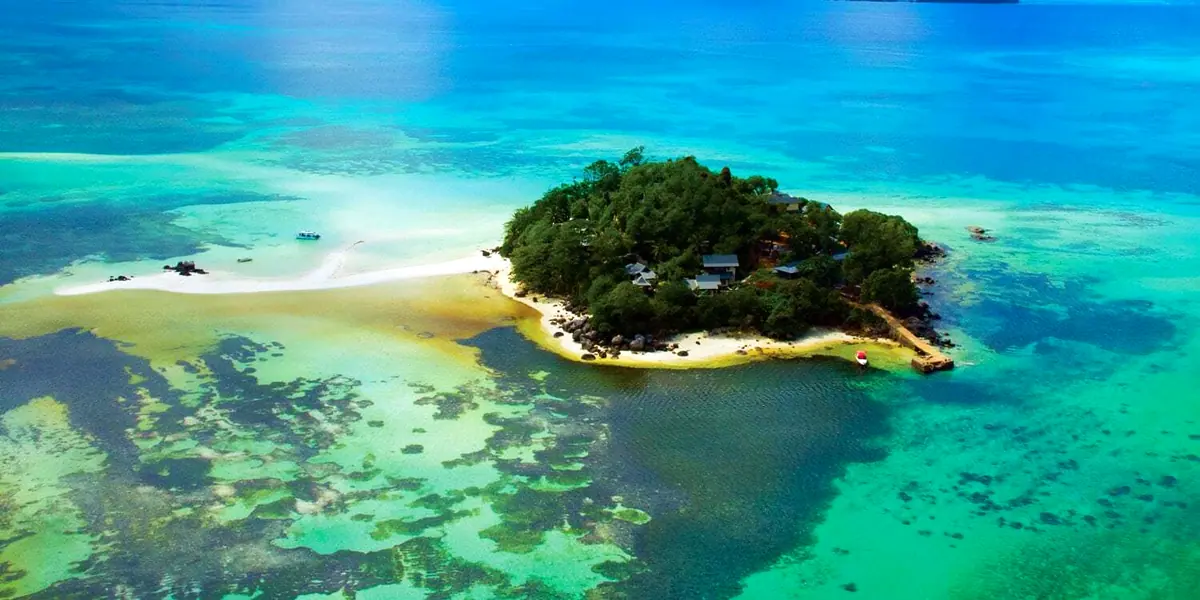
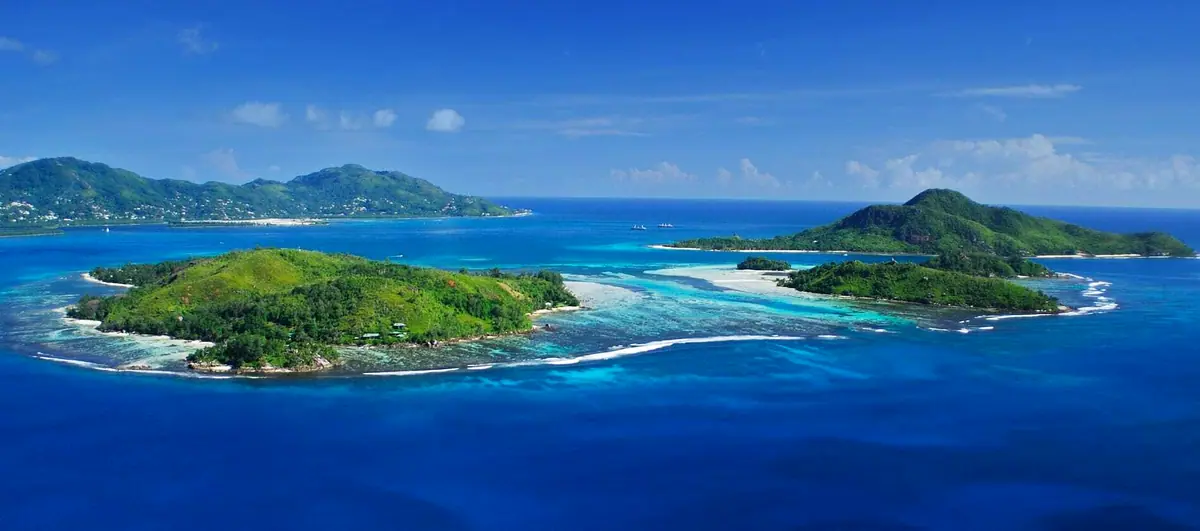
Most of the other islands have one place to stay at most, the exception being the little island of Cerf off the coast of Mahé. Hotel guests there are mostly left to themselves, and on some hotel islands you share the place with only a handful of other holidaymakers and the staff.
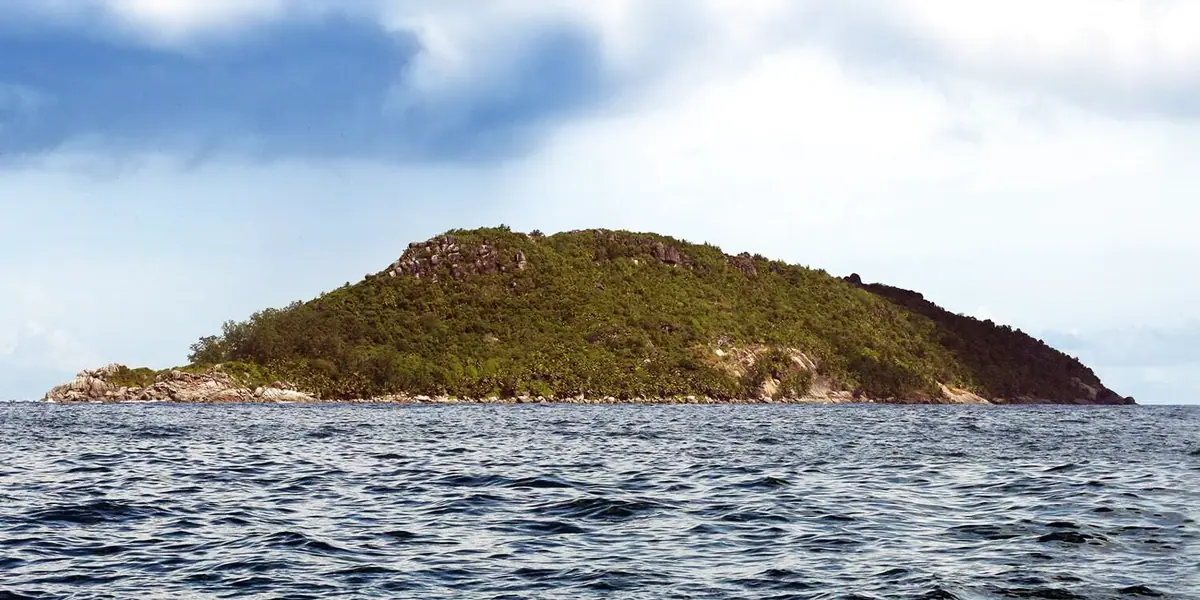
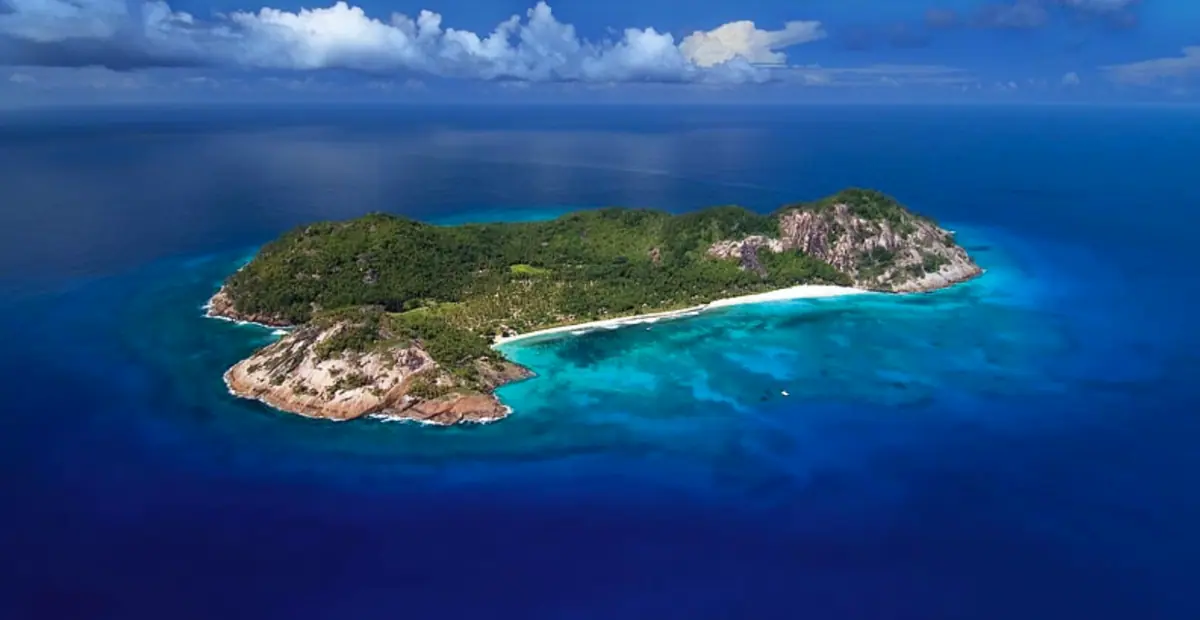
There are dedicated pages for Bird Island, Denis, Frégate, North Island, Curieuse, Cousin, Aride and Sainte Anne, among others. You will find a complete list under List of the Seychelles Islands.
New islands off Mahé: Eden, Eve and Perseverance
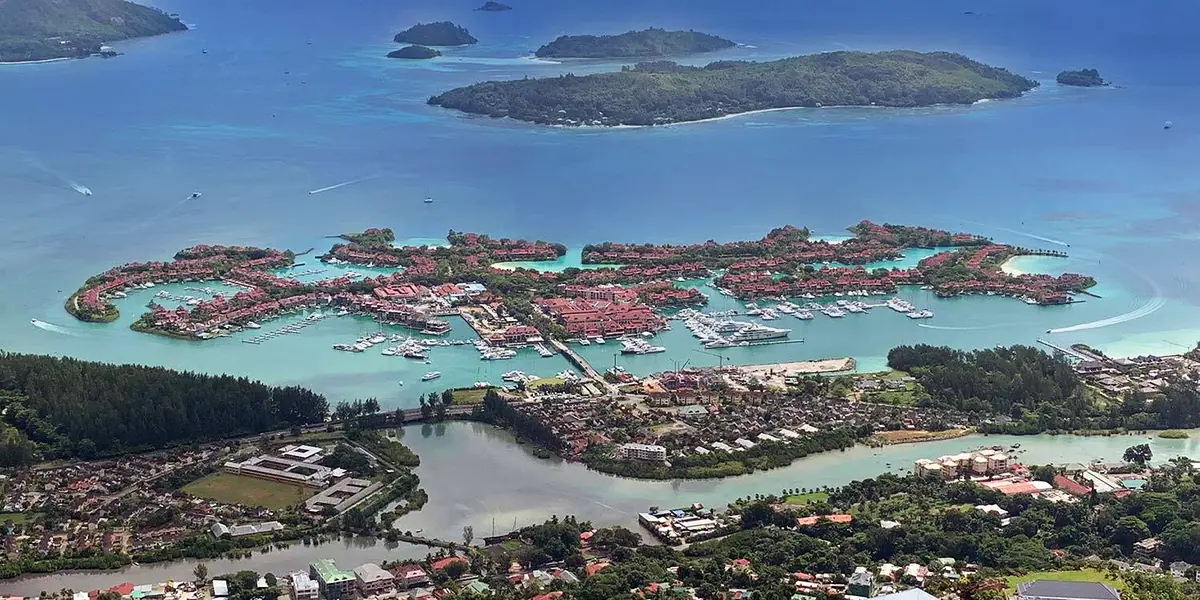
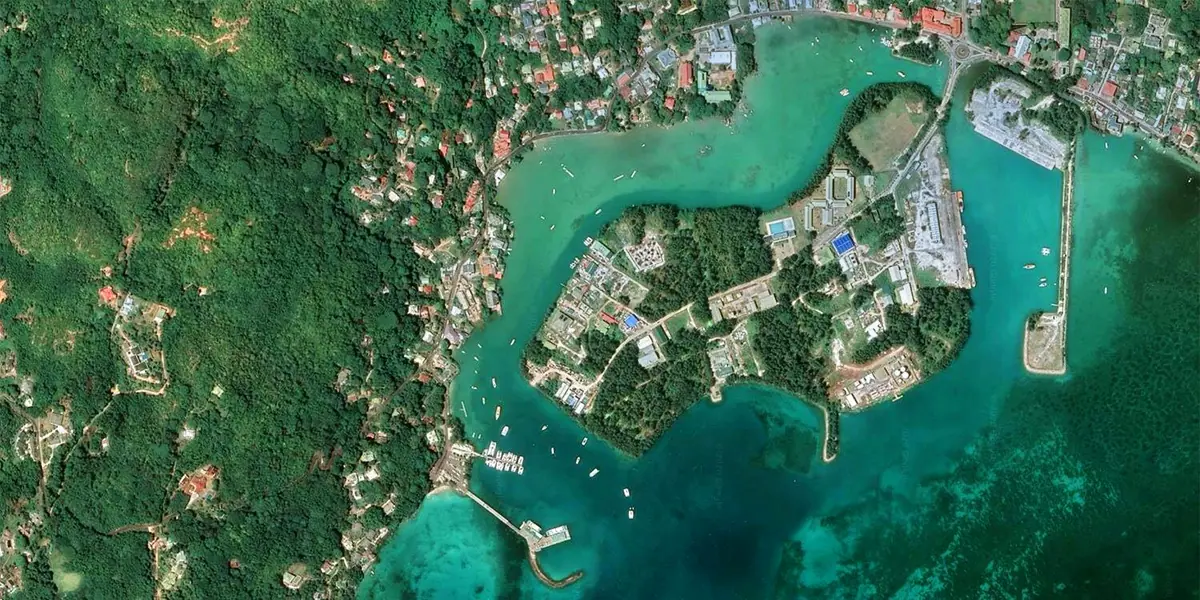
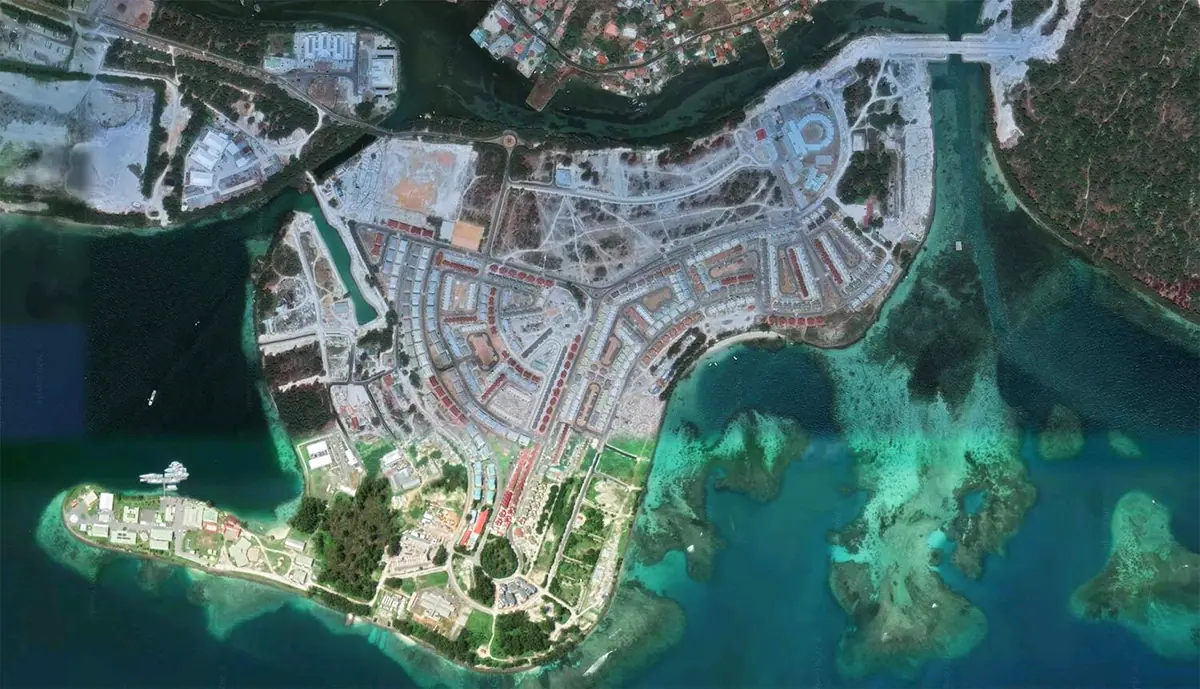
In recent years Mahé has grown by a few square kilometres through land reclamation on the east coast. New housing estates have been built here for the local population, along with several artificial islands linked by bridges.
On Eden Island, apartments have been built that foreigners can also buy (see Investing). The island of Eve is used as a commercial zone, while Perseverance offers affordable housing for Seychellois.