Overview
Location and size
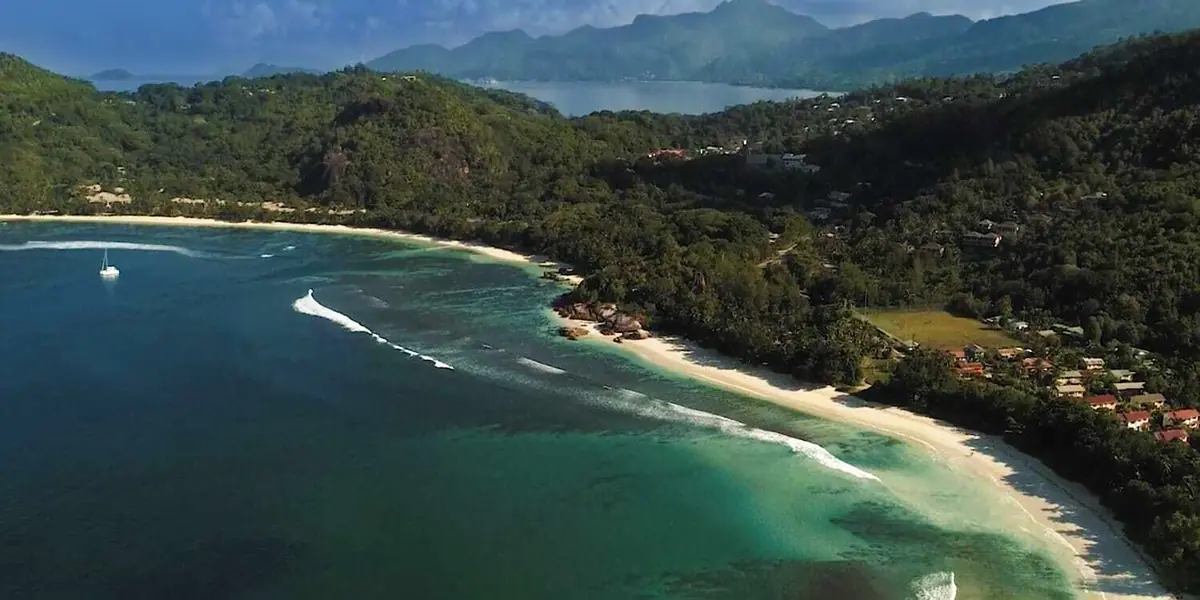
Mahé measures 31.3 km in length, from the northern tip (Machabee) to the south (Police Bay), and 8.1 km in width, from the westernmost point (Baie Ternay) to the east (Point La Rue). That makes it the largest of the inner granite islands (Inner Islands) of the Seychelles.
Mahé is the main island of the Seychelles. With around 85,000 inhabitants, it is also home to most of the Seychellois.
Granite instead of an earthquake zone
The Seychelles are made up mainly of granite, which has the advantage that an earthquake is very unlikely there, because the tectonic plates that would have to rub against or shift past each other to cause one are simply not present. For the same reason, a tsunami originating from the granite islands is also very unlikely.
Nature and wildlife
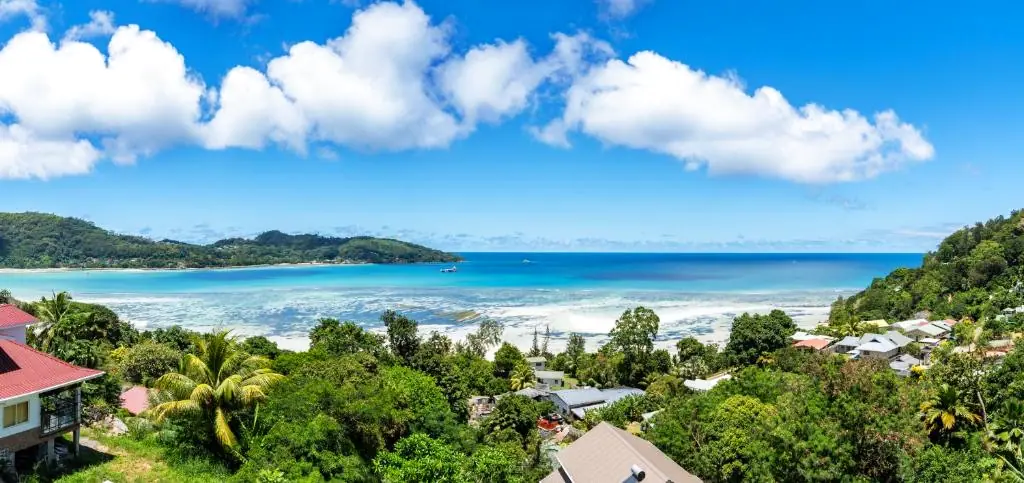
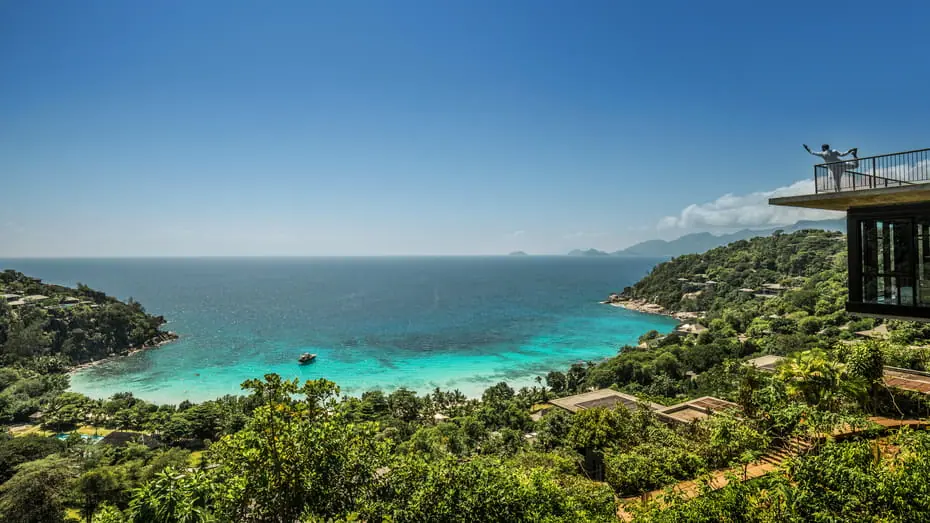
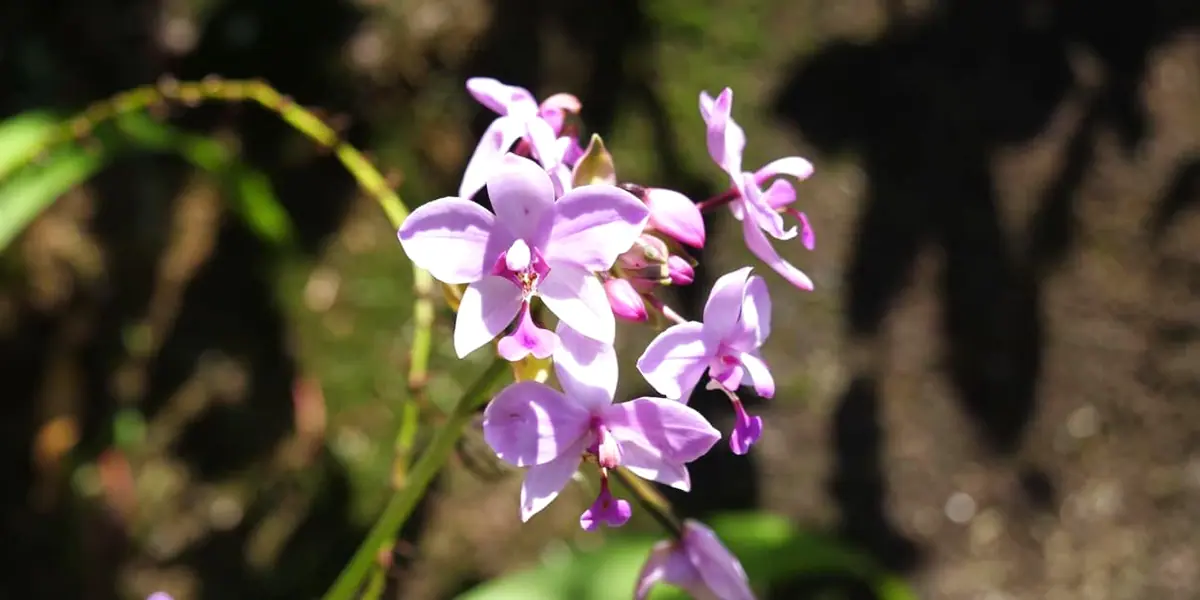
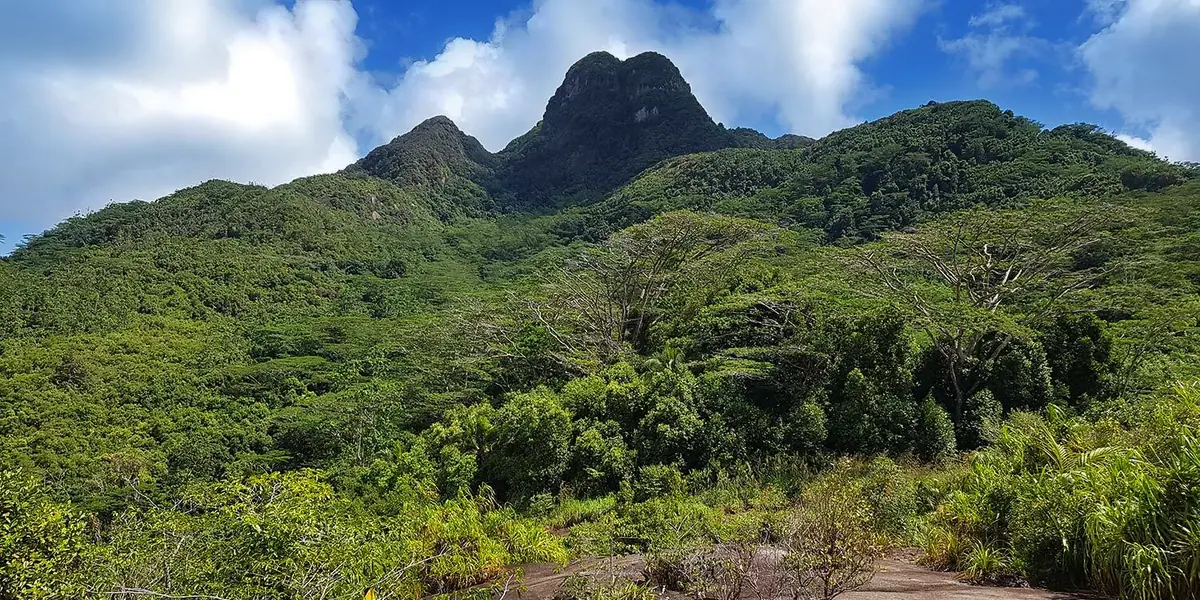
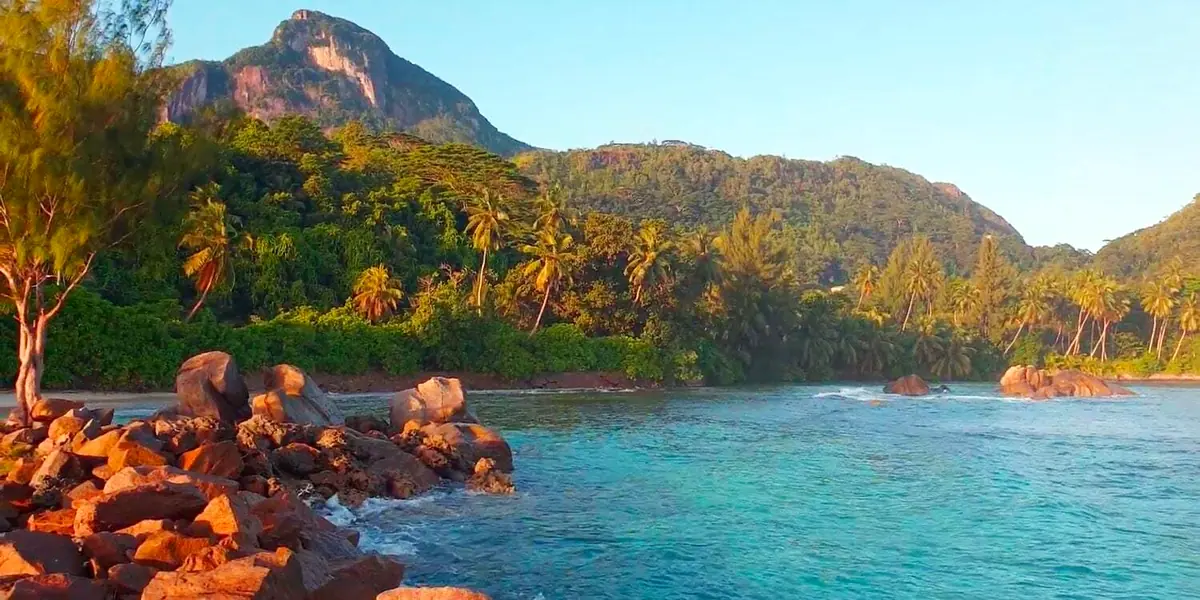
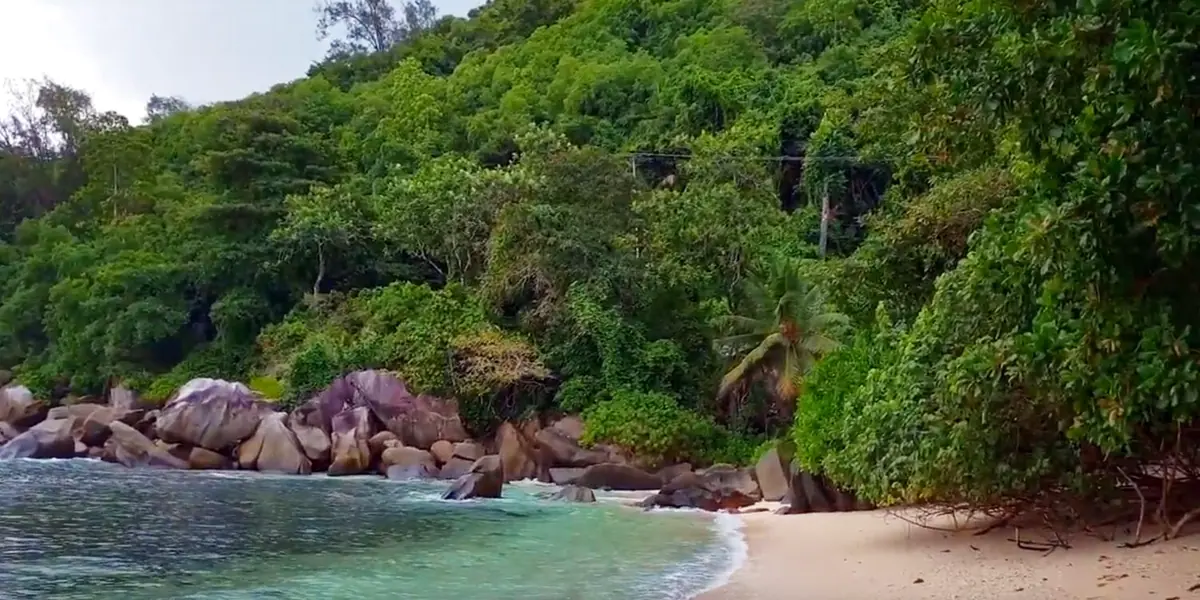
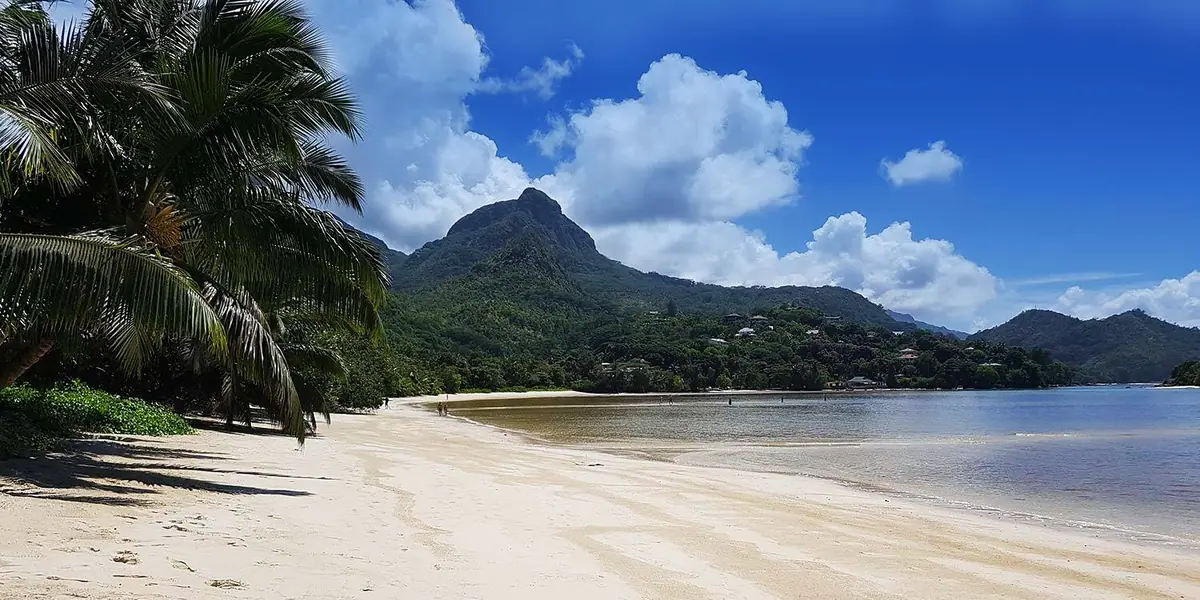
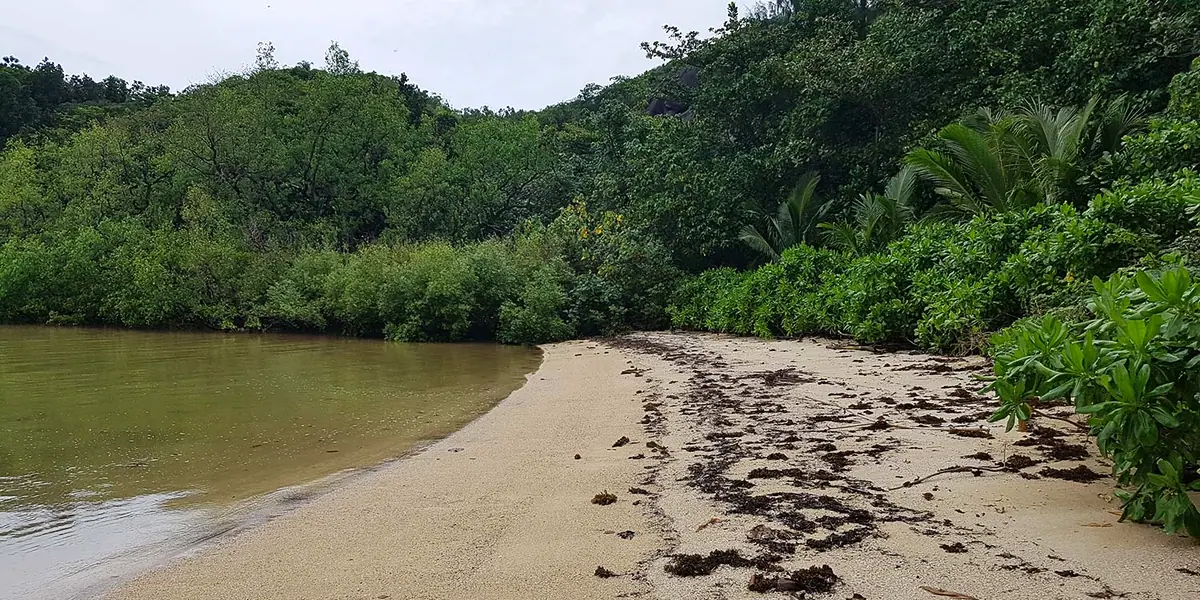
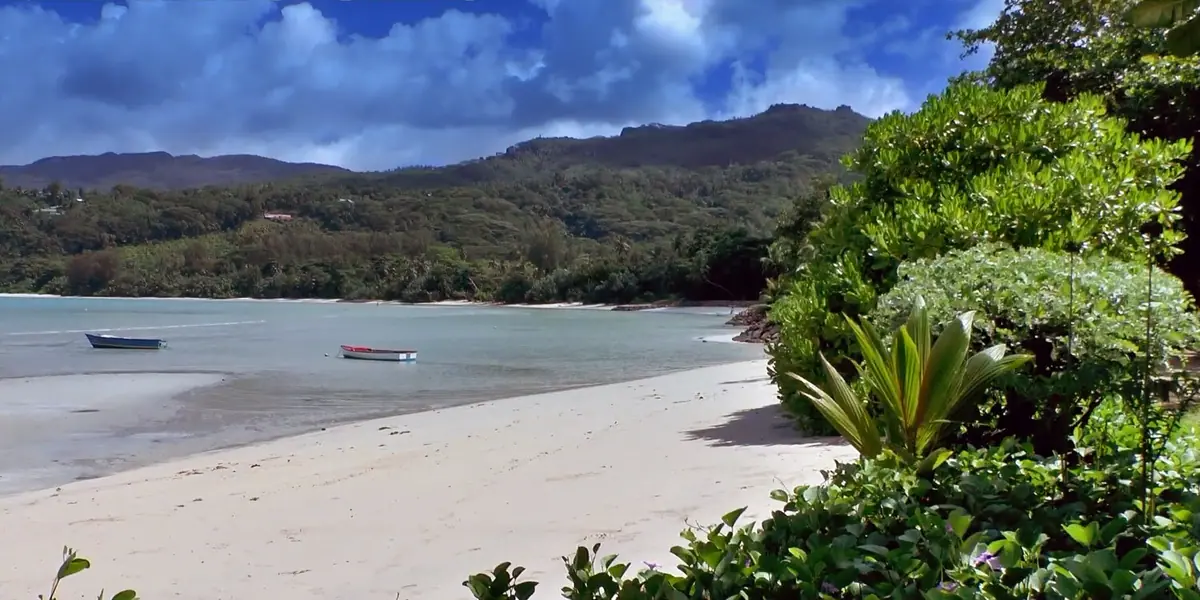
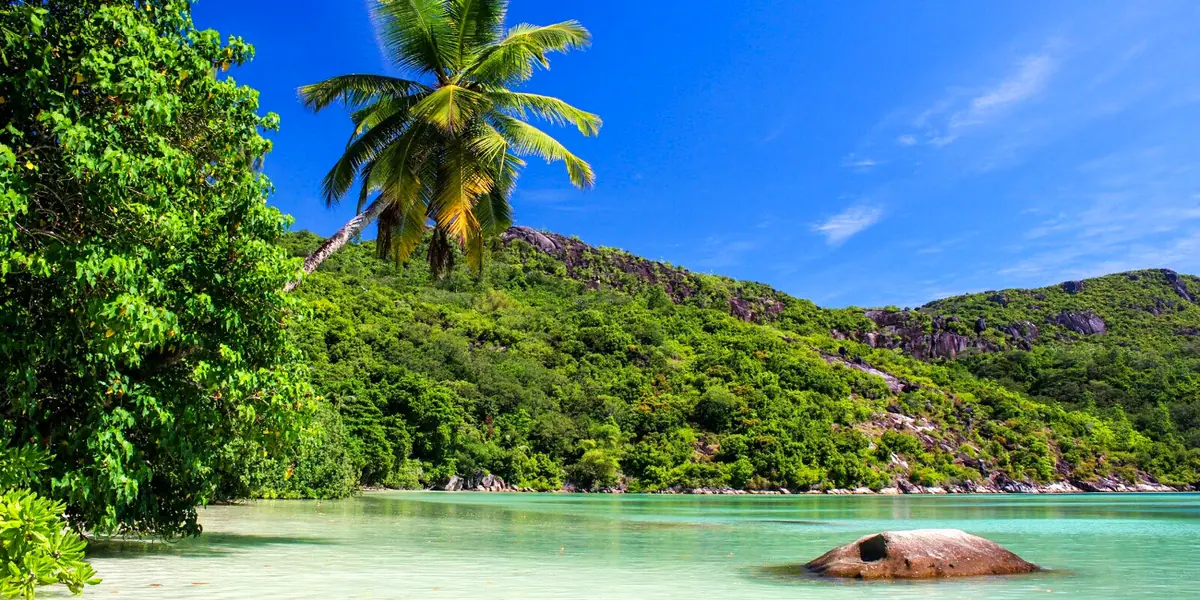
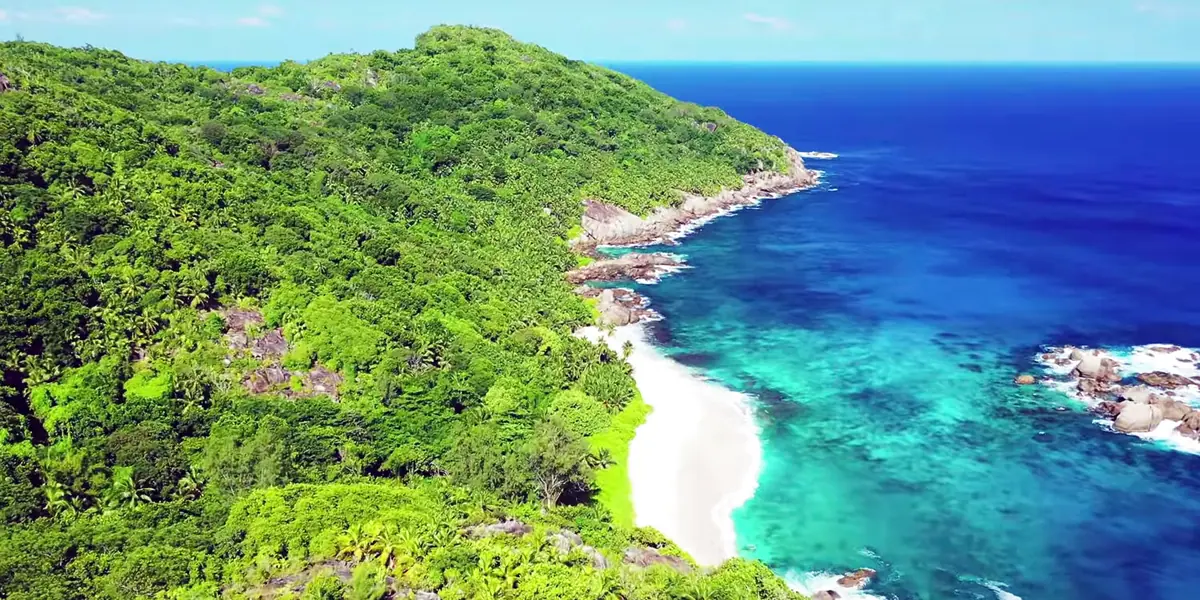
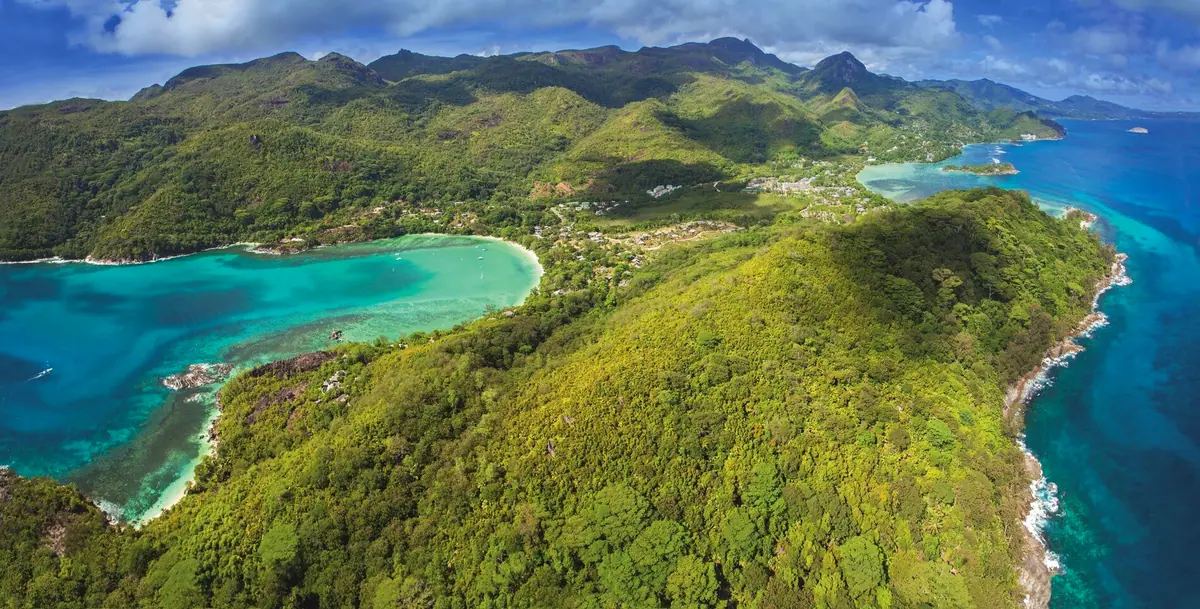
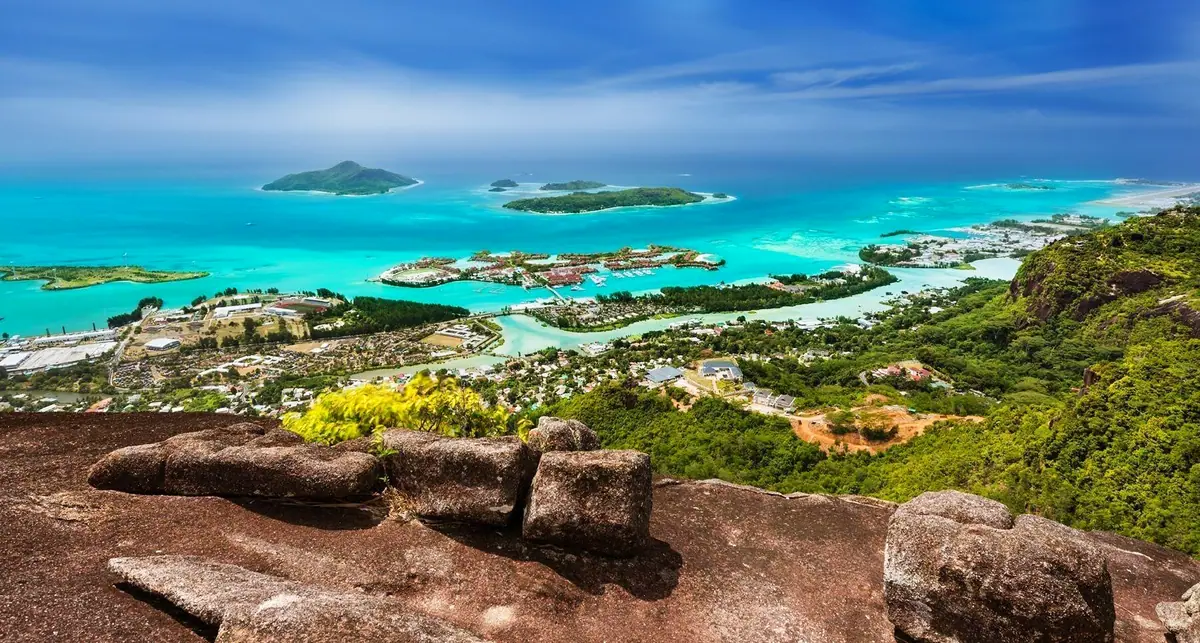
The many freshwater springs in the mountains of Mahé shape the rich flora and fauna and with it the look of the island. Mahé is green right up to the peaks. Tropical trees and palms grow here, along with mango, papaya, bananas, tea and much more.
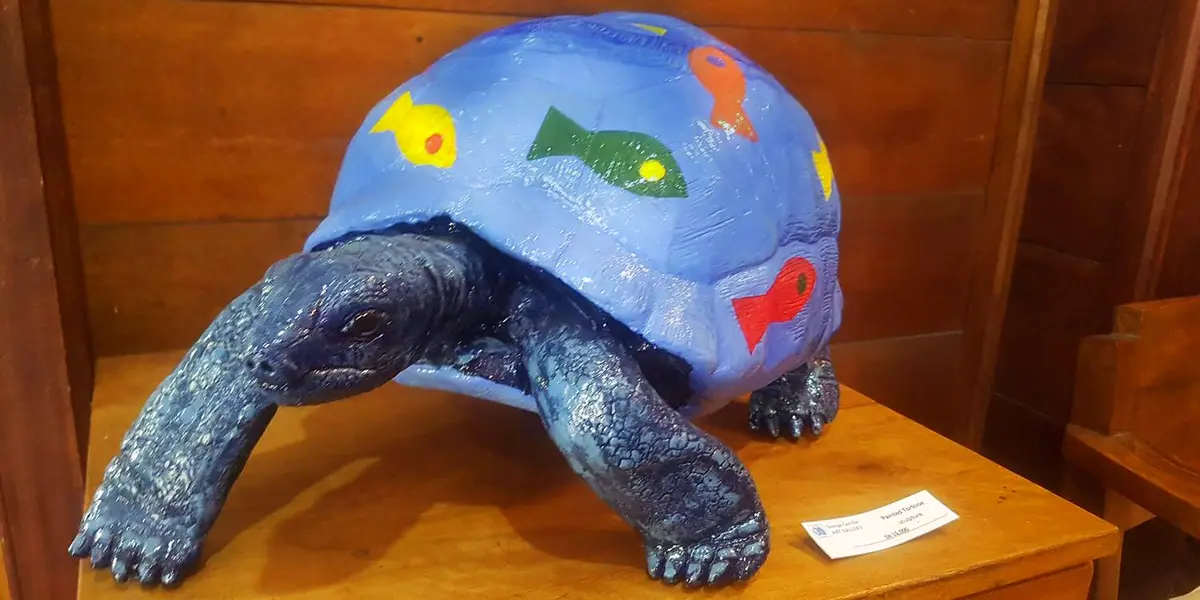
The wildlife is varied too. It consists mostly of birds, fruit bats (flying foxes) and giant tortoises. There are no dangerous animals in the Seychelles that could seriously bite, sting or otherwise harm you. There are also no malaria mosquitoes, which means you do not need a malaria vaccination or prophylaxis for entry and can spare yourself that procedure before you travel.
Getting there
Airport
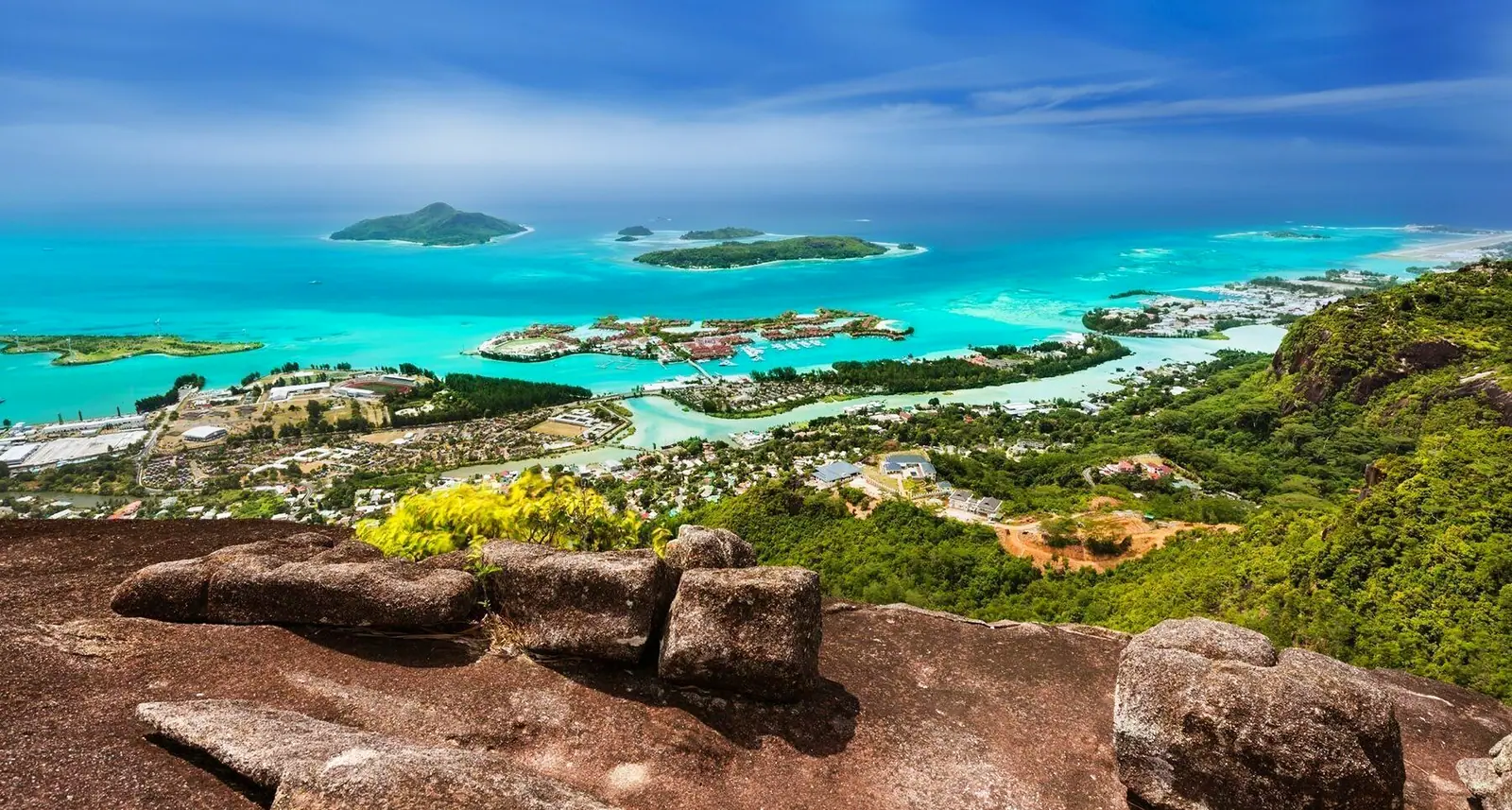
The international airport is on the east of the island and is modern and functional. Air Seychelles, the national airline, is also based on Mahé, in an annex building. From the airport you can reach your accommodation by taxi, hire car or bus. For the bus you need a card; more on that in the section "Getting around".
Entry
You do not need a visa for the Seychelles. However, all travellers, including children, must apply online for a Travel Authorisation before departure. You submit the application through the government's official portal. You will need your passport, a selfie, contact details and your travel information, including the booking confirmation for your accommodation. The fee is 12.06 euros per person (as of November 2026). Processing can take up to 24 hours, so do not leave the application until the day you travel. Border control may also ask for proof of sufficient funds and travel insurance. A yellow fever certificate is only required if you are arriving from a yellow fever area. You will find more details on our page about entry requirements.
Onward travel to the other islands
The Cat Cocos fast ferry departs from the Inter Island Quay in Victoria and sails to Praslin (Baie Sainte Anne jetty) and on to La Digue. The crossing to Praslin takes about 75 minutes. To reach La Digue you travel via Praslin, which takes around 1 hour 45 minutes in total. You can also reach Praslin by plane.
| Connection | Duration | One-way price (as of November 2026) |
|---|---|---|
| Mahé to Praslin, Cat Cocos Economy | approx. 75 minutes | from approx. 56 euros (adults), approx. 27 euros (children aged 2 to 11), plus a port fee of approx. 2 euros |
| Mahé to La Digue, via Praslin | approx. 1 hr 45 min | from approx. 66 euros (adults) |
Prices differ depending on the booking portal and class. The timetable also changes with the day of the week, so check departure times directly with the operator.
Getting around
Bus
The bus and taxi infrastructure is very good. The bus takes you to every destination on Mahé for a flat fare, no matter how far you travel. Travellers most recently reported 10 rupees per journey (as of November 2026). The fare has been raised in recent years, so check the current rate with the bus company SPTC.
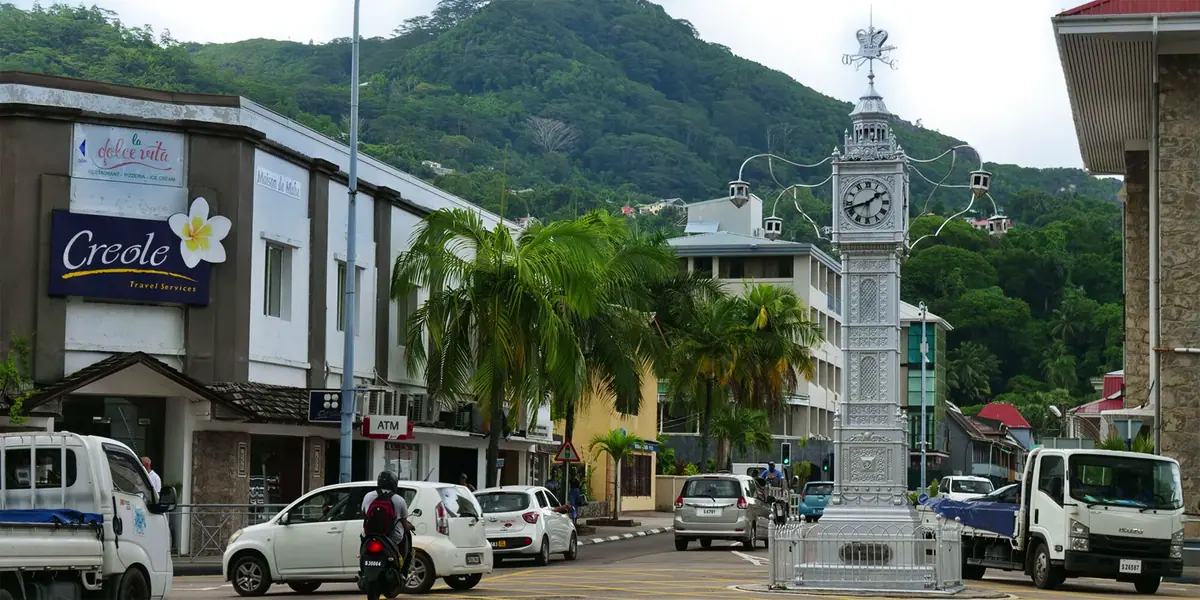
According to recent reports, you can hardly pay cash on the bus any more. As a visitor you need a rechargeable card, available at the airport, at SPTC offices, at post offices and in selected shops. SPTC also offers a mobile app. Buses generally run from about 5 am to 8 pm, less often on minor routes. From around 7 or 8 pm you should expect to take a taxi. All routes go through the bus station in Victoria, close to the market, the Hindu temple and the clock tower. A new version of the timetable has applied since June 2026.
Taxi
A taxi is more expensive but very comfortable, as almost only new cars are used as taxis. Even so, it is best to agree the fare beforehand and, if possible, always pay in rupees (SCR).
By car or bike
Unfortunately you cannot circle Mahé completely by car or bike, though only a few kilometres are missing. The north-western part at Baie Ternay is a dead end because it lies within the protected Morne Seychellois Park. Before that you have to turn right at Anse Lisette (Port Glaud) towards the tea factory, and then you rejoin a circular route that covers 82.4 km in total.
Traffic in the Seychelles drives on the left. The roads are narrow and winding, and during rush hour between about 4 and 6 pm there are traffic jams around Victoria.
Beaches, sights and hikes
Beaches
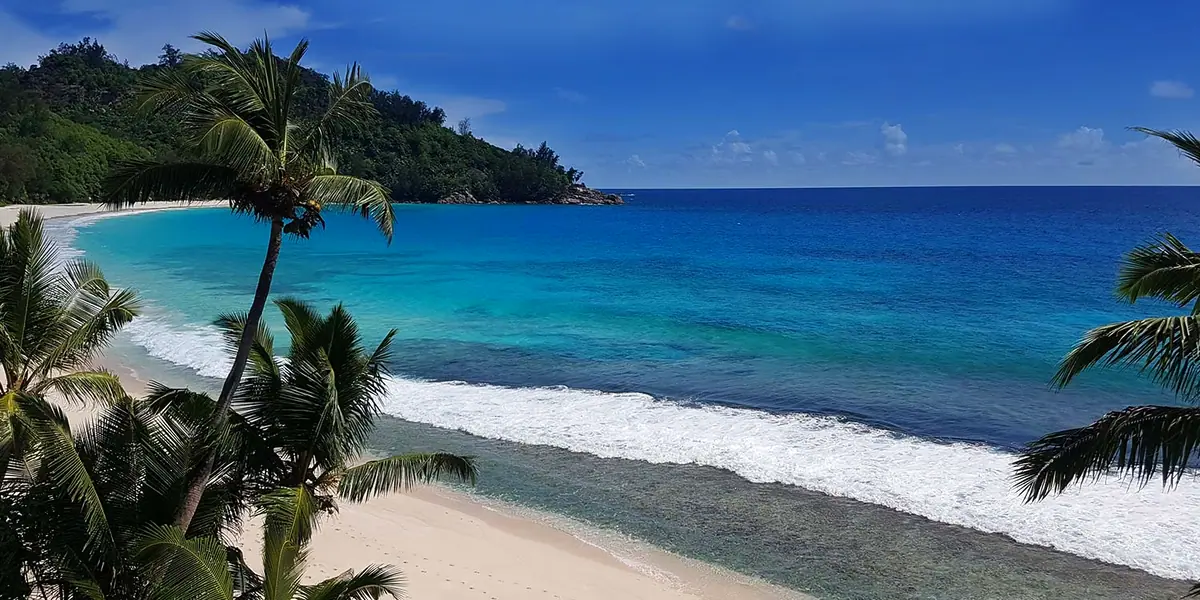
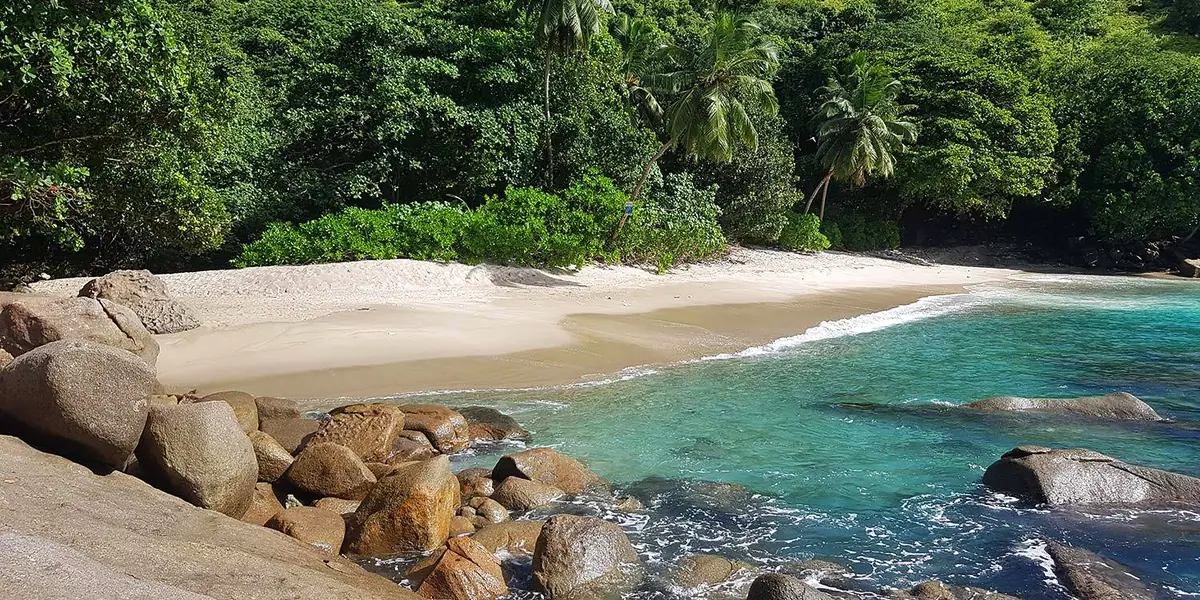
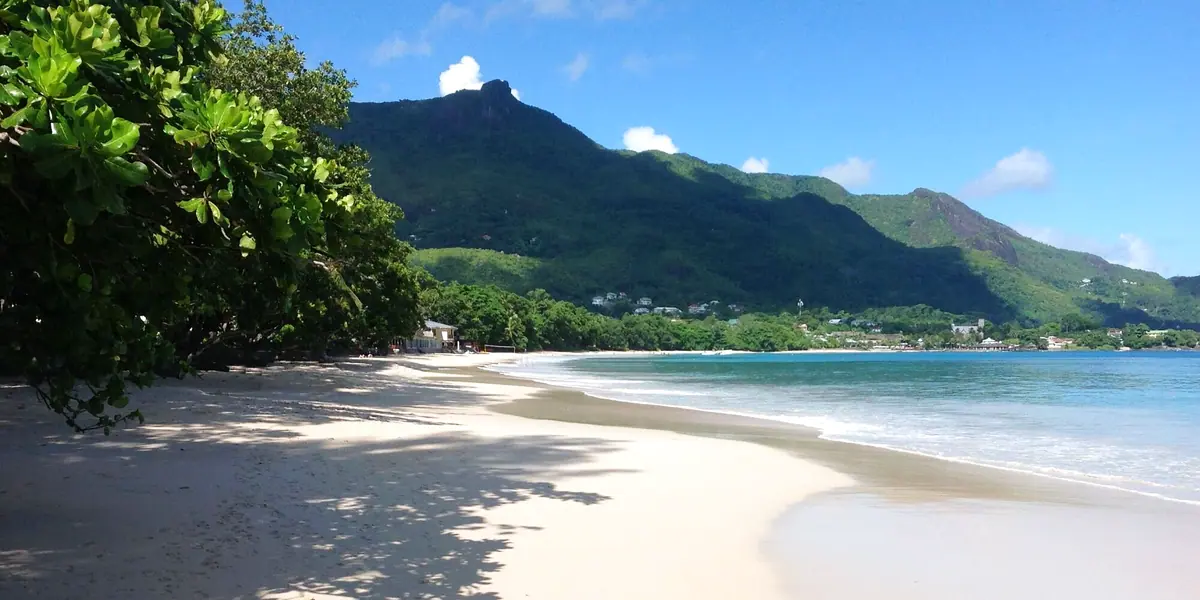
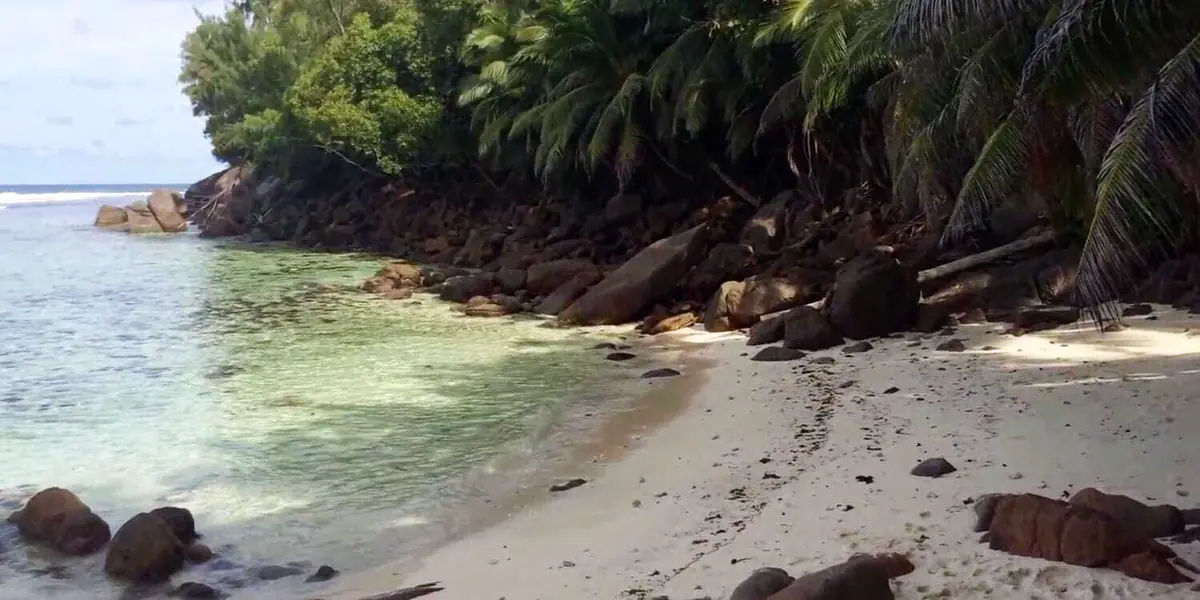
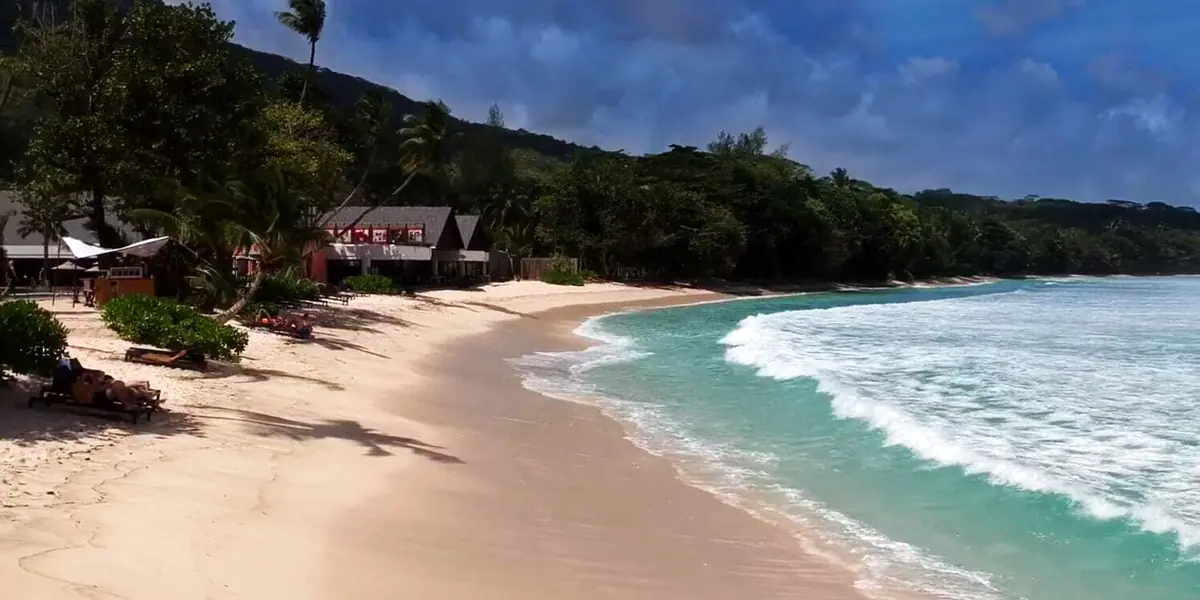
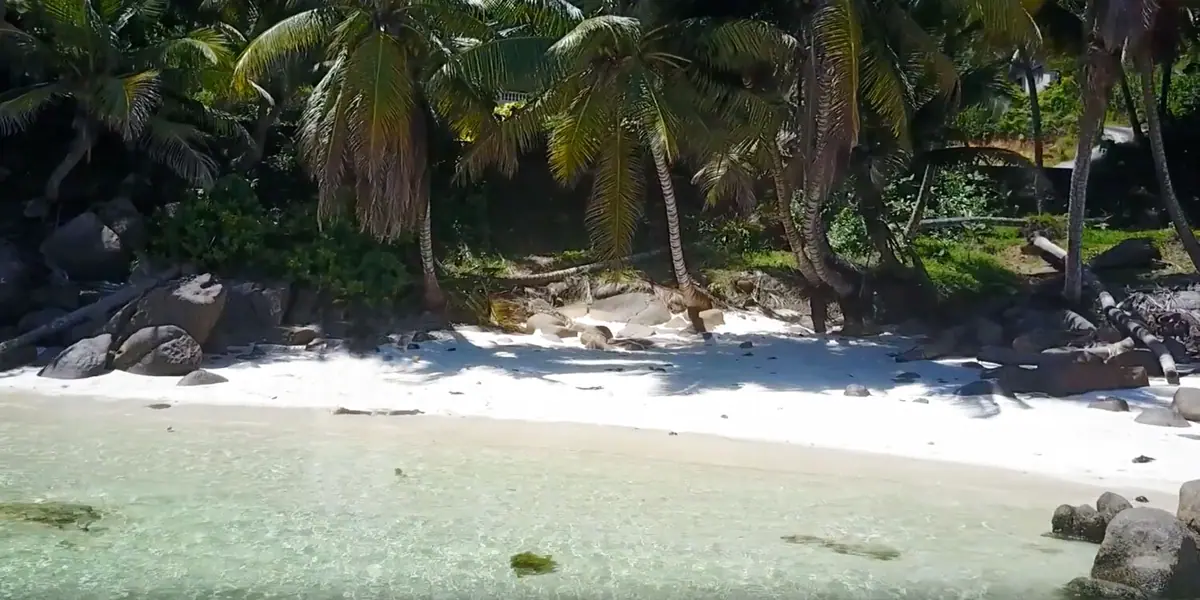
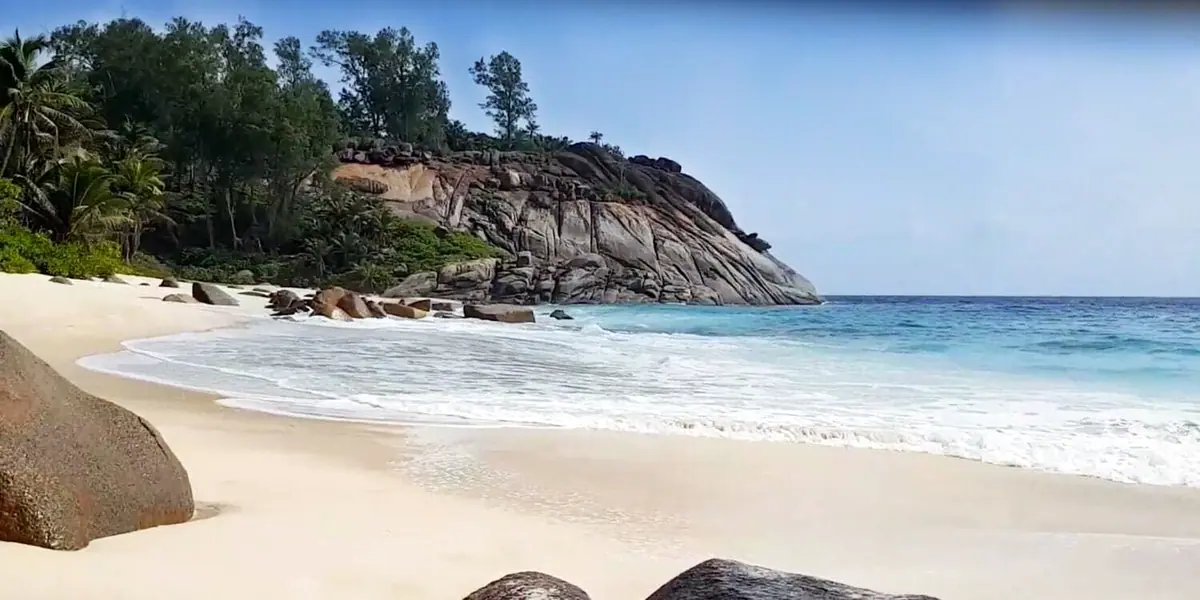
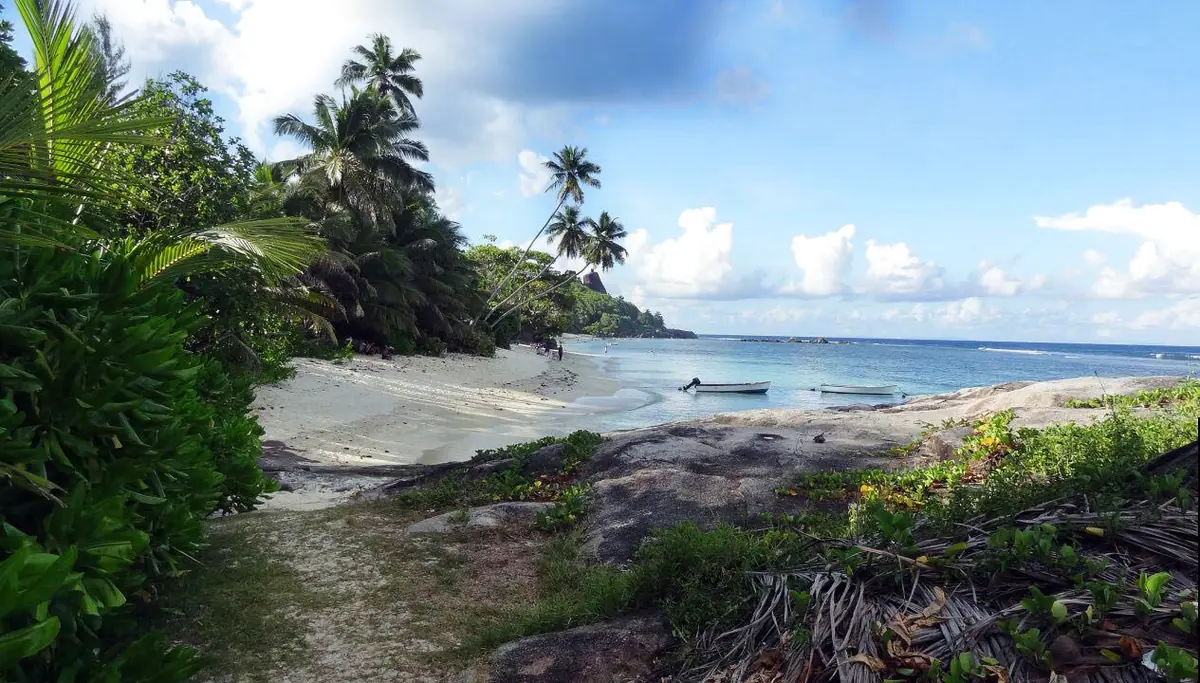
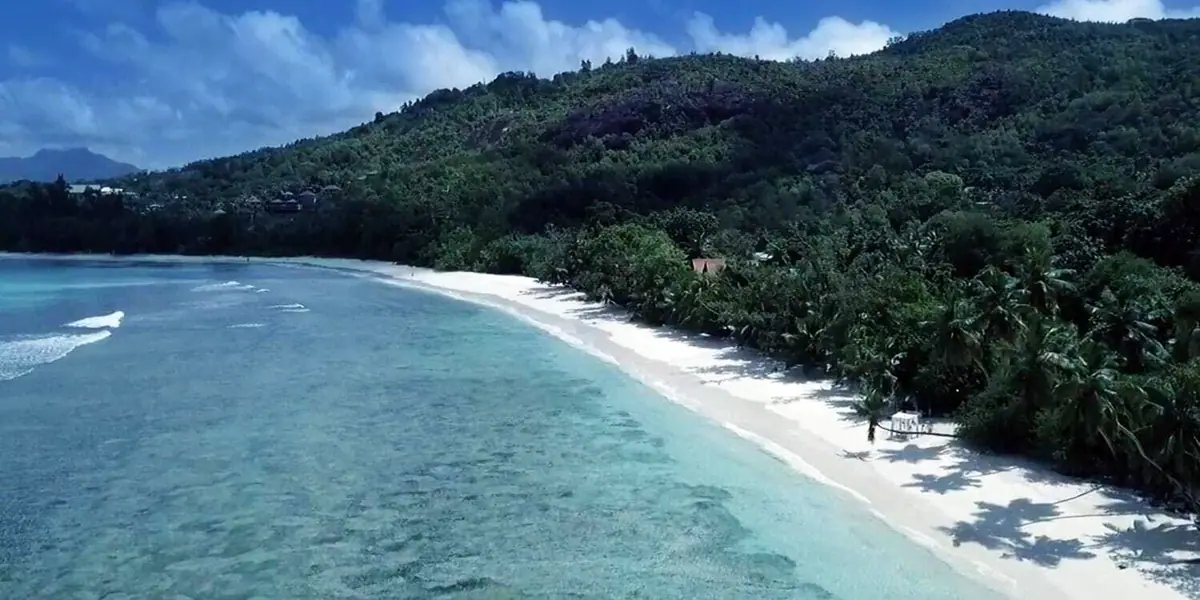
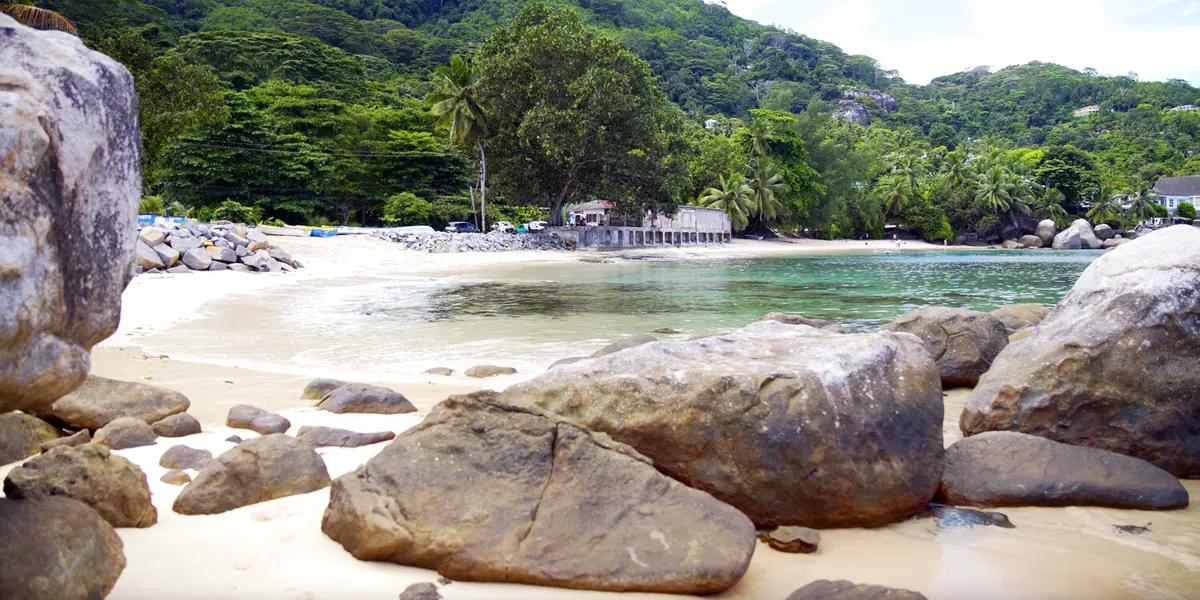
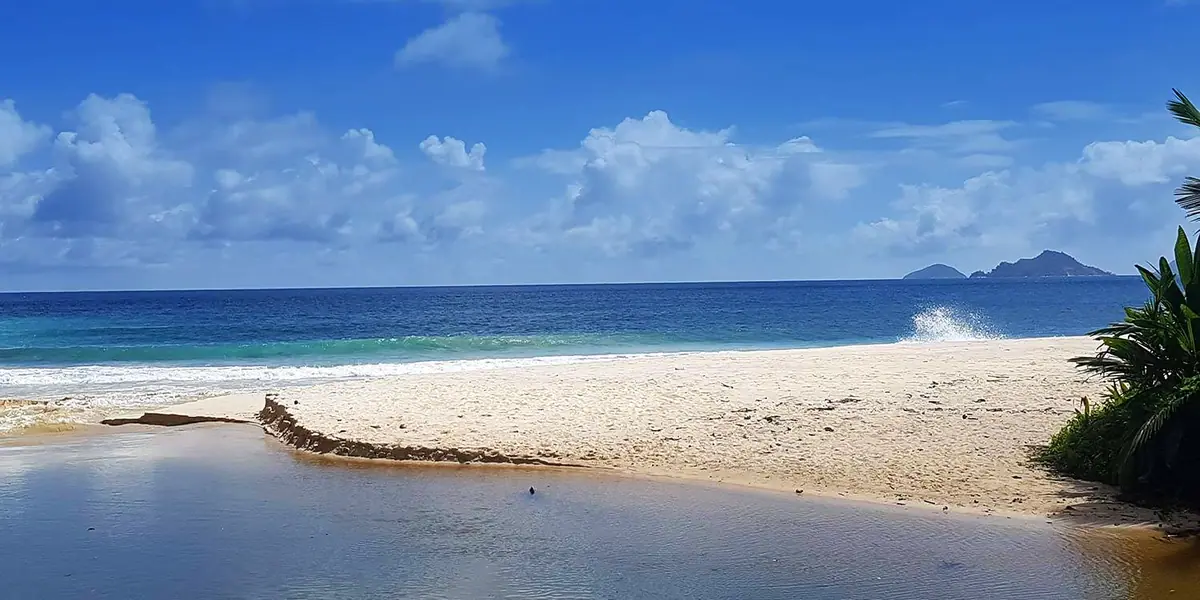
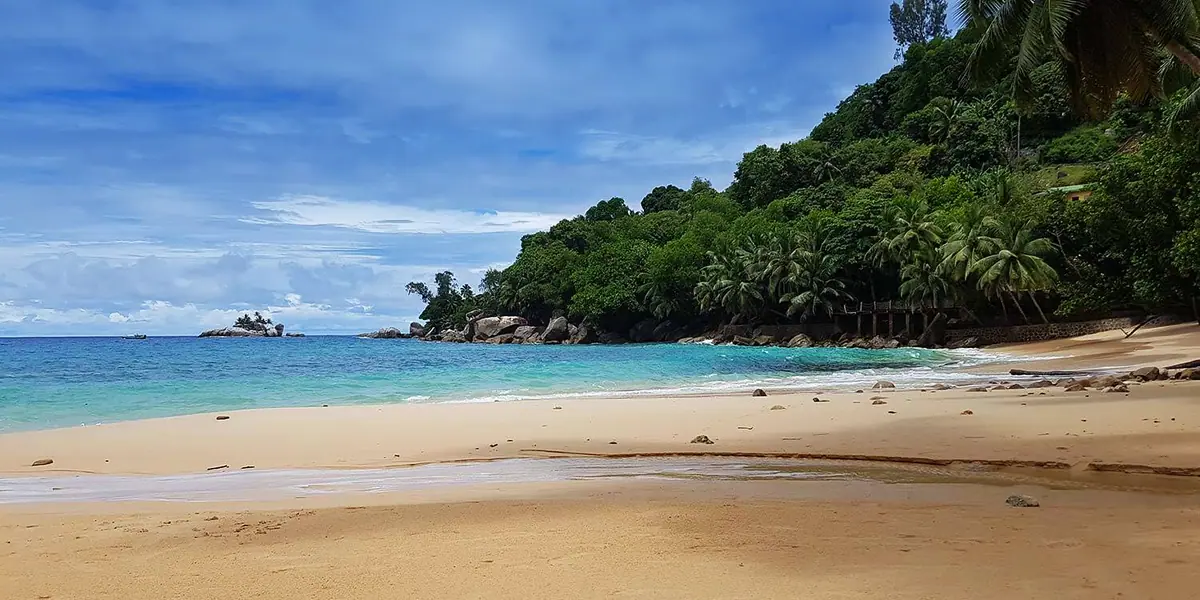
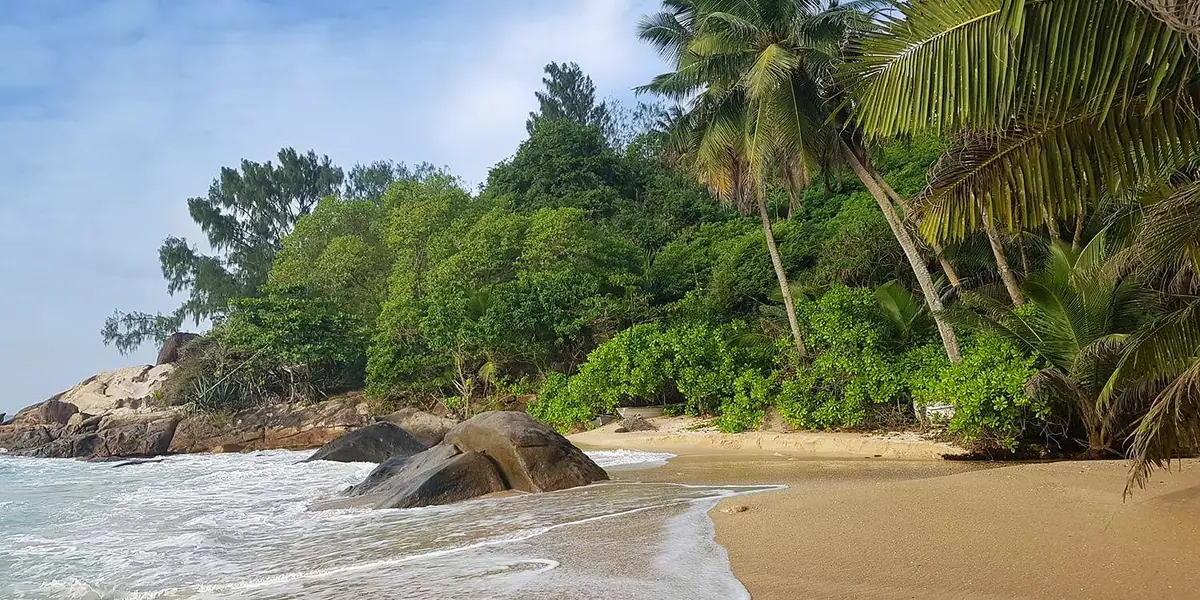
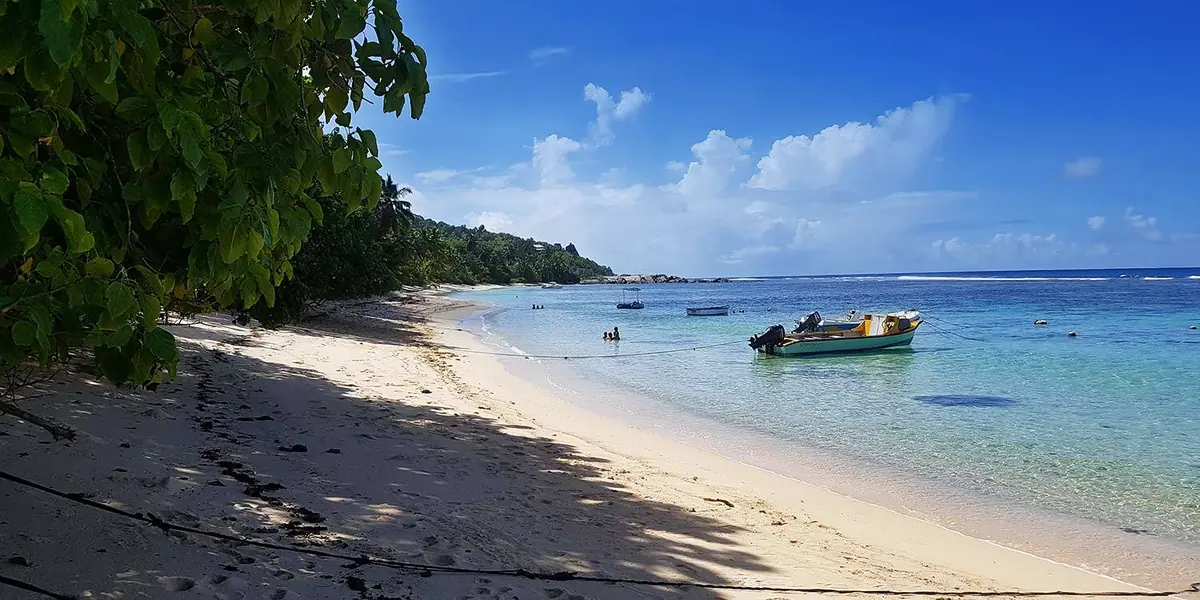
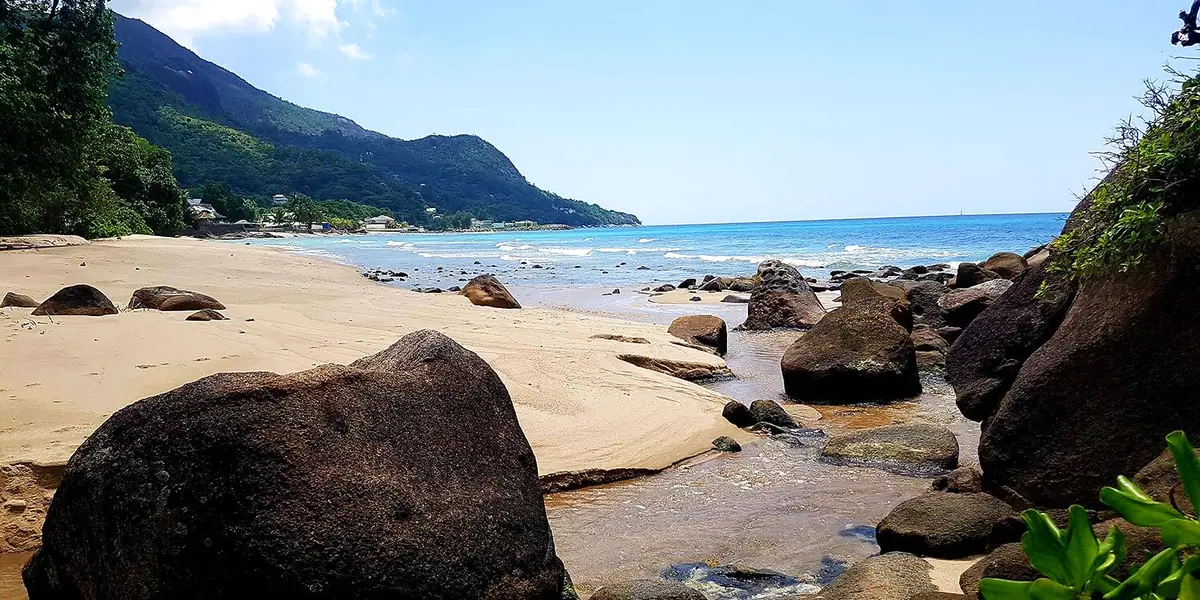
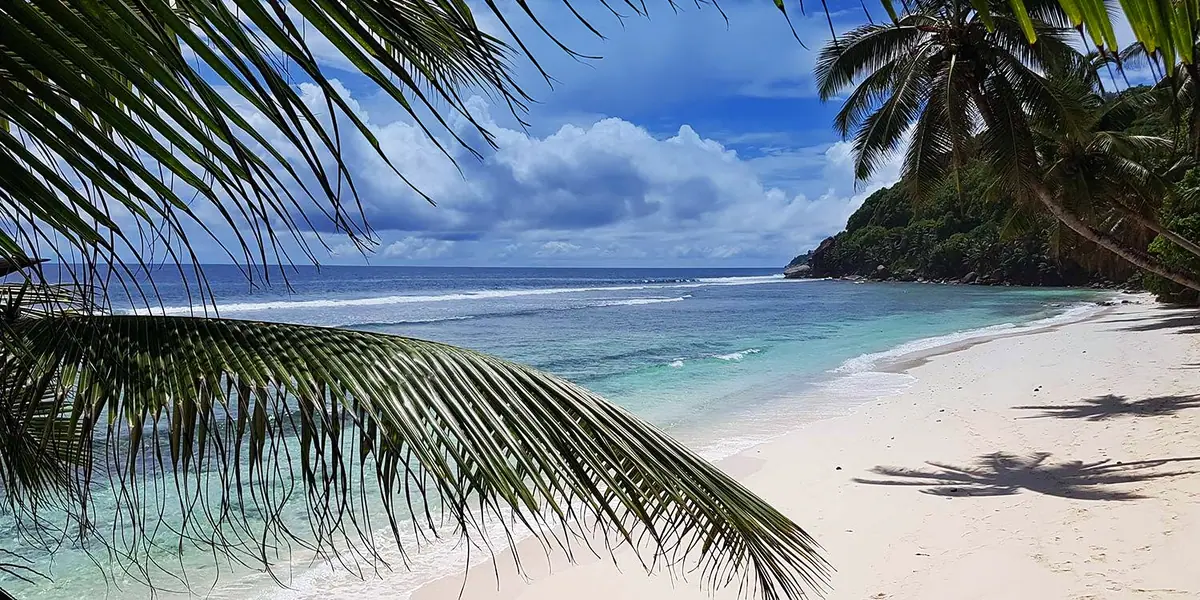
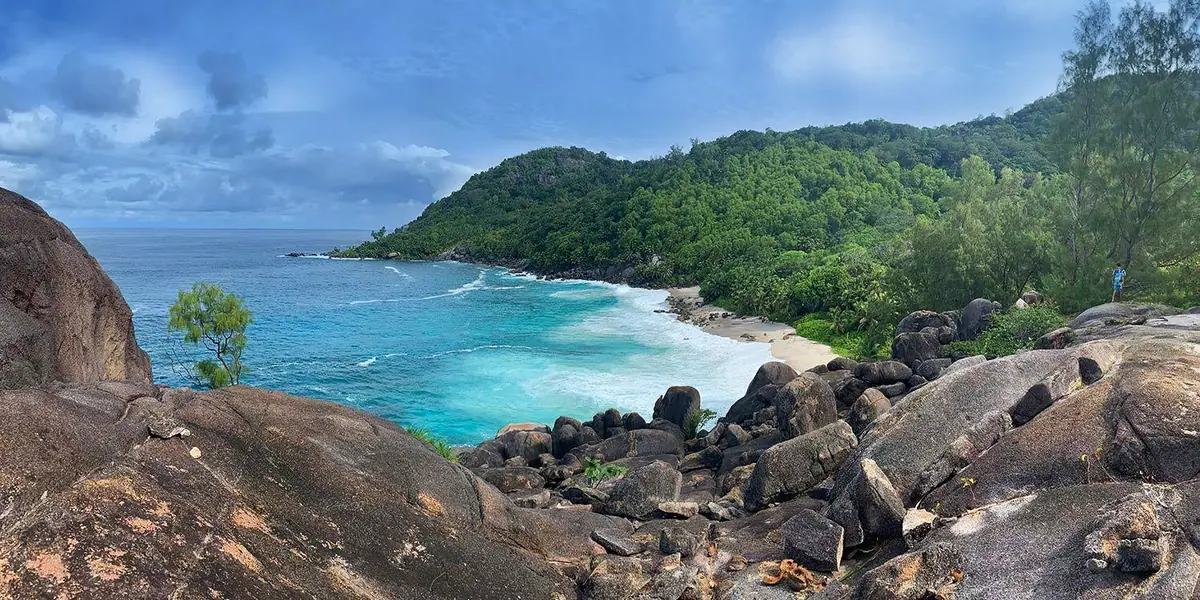
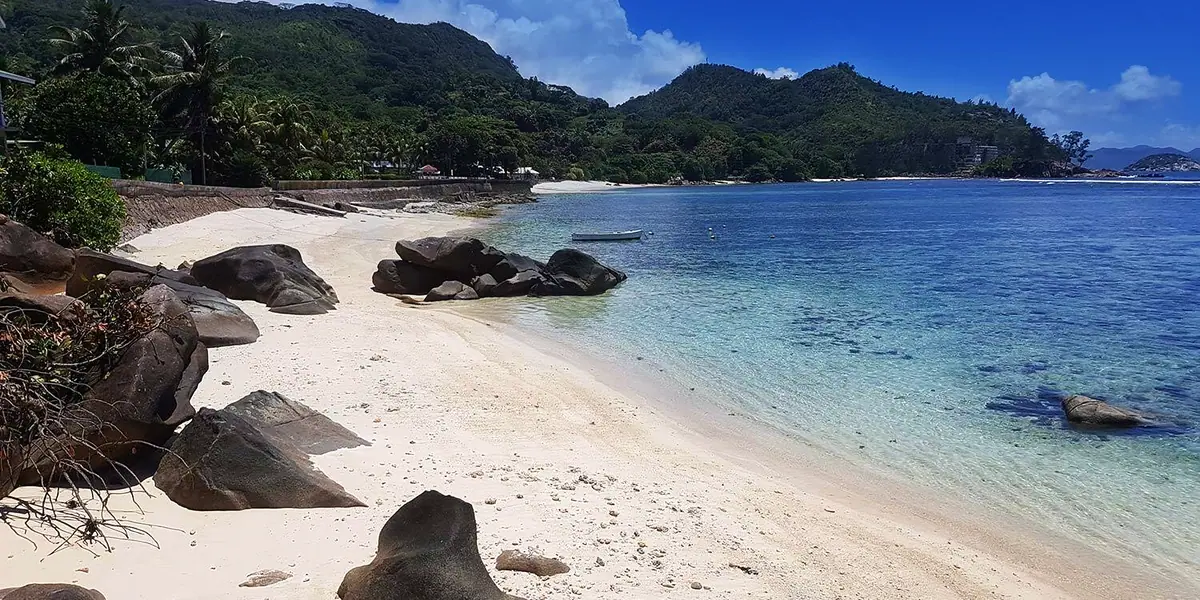
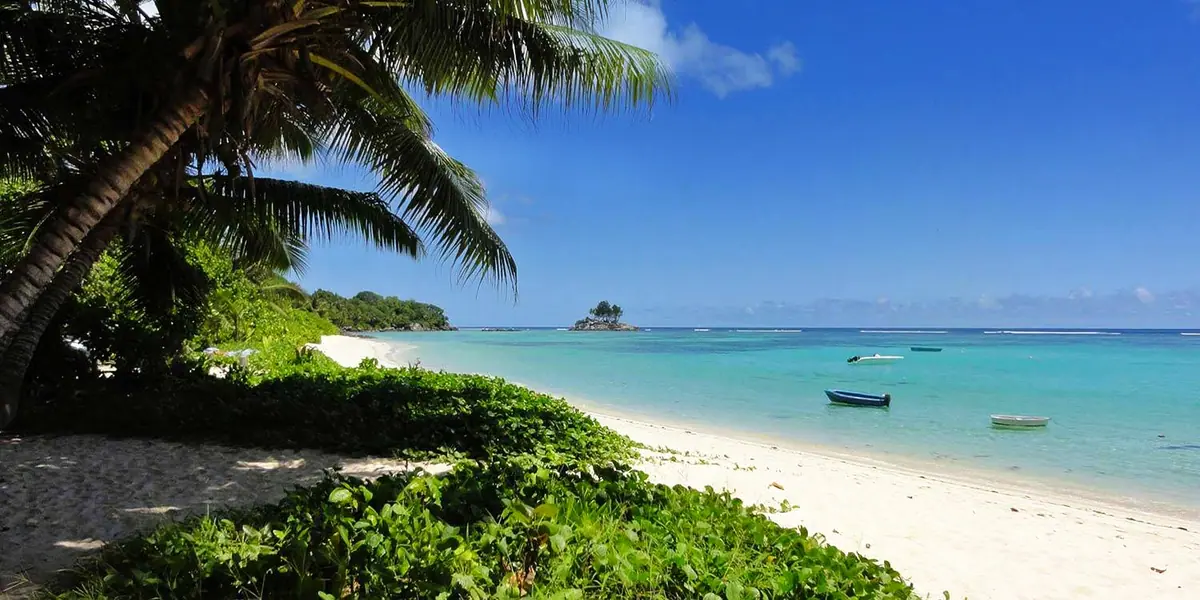
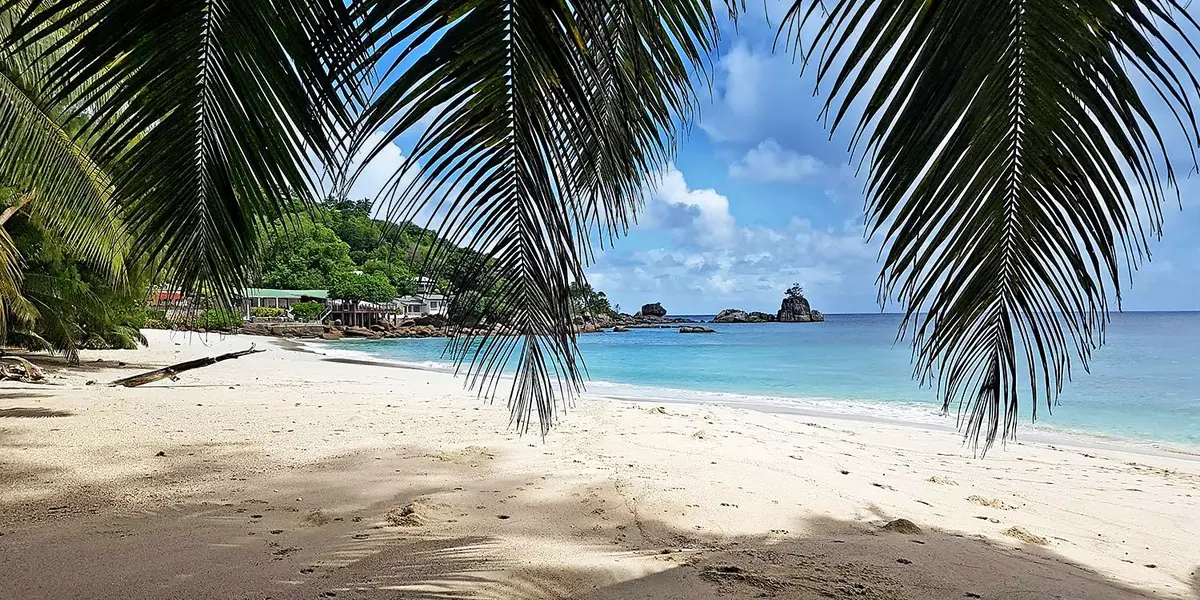
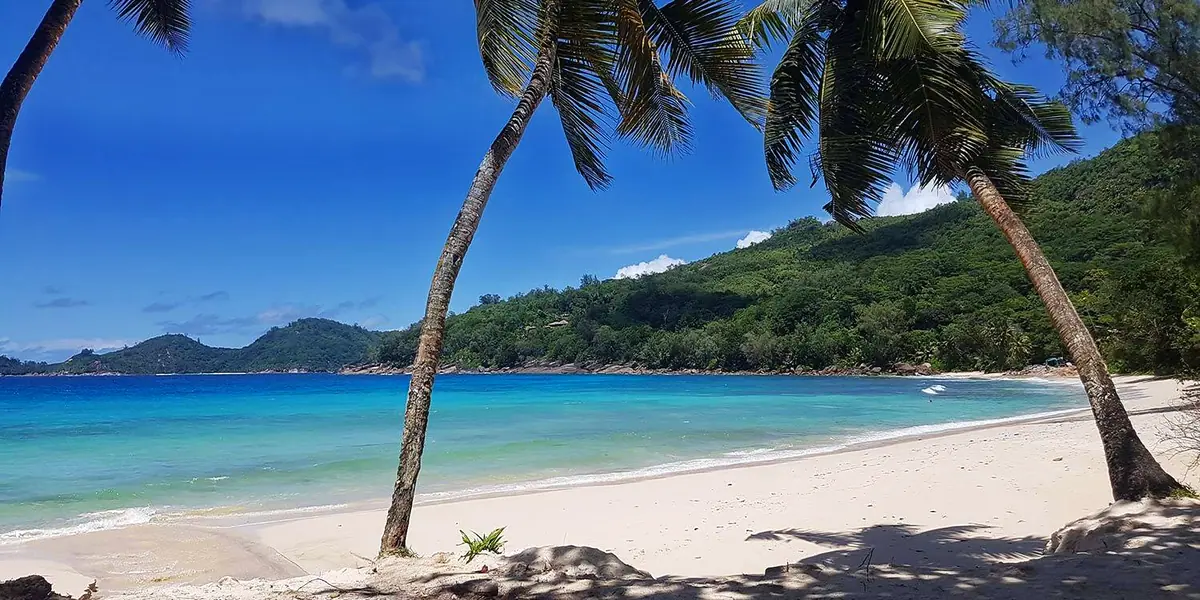
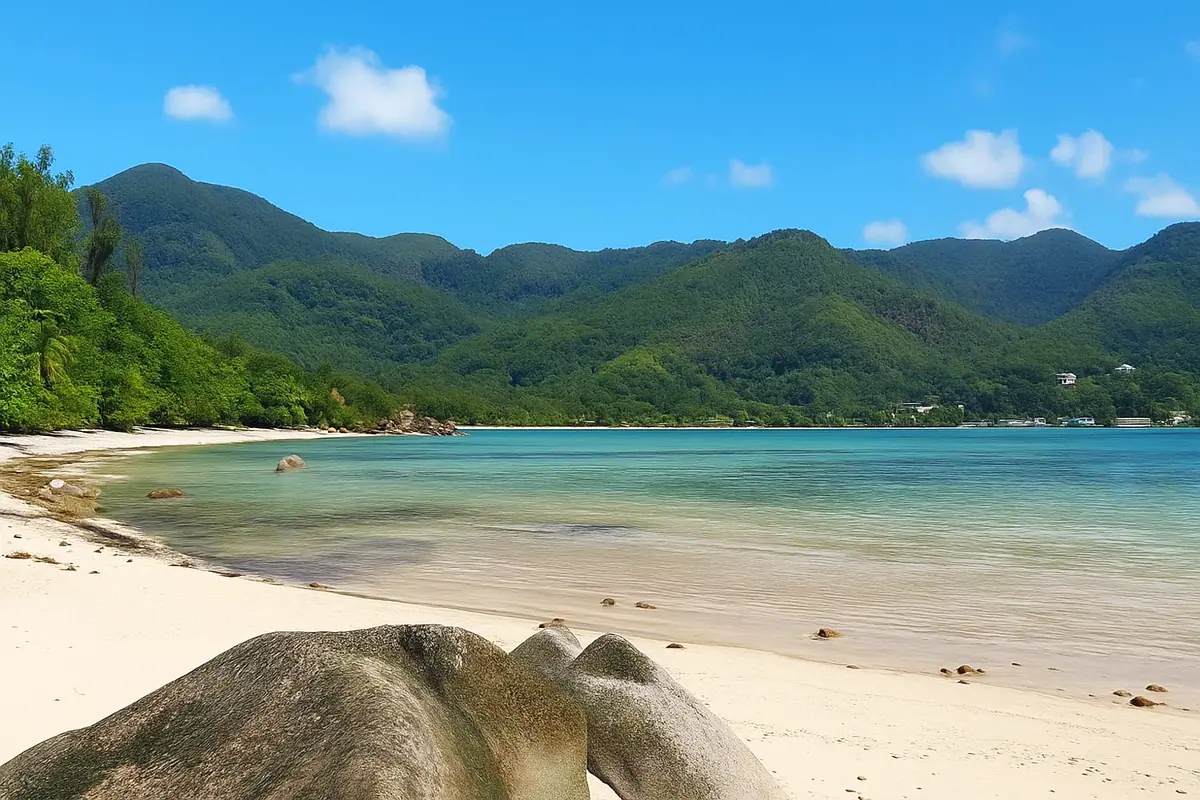
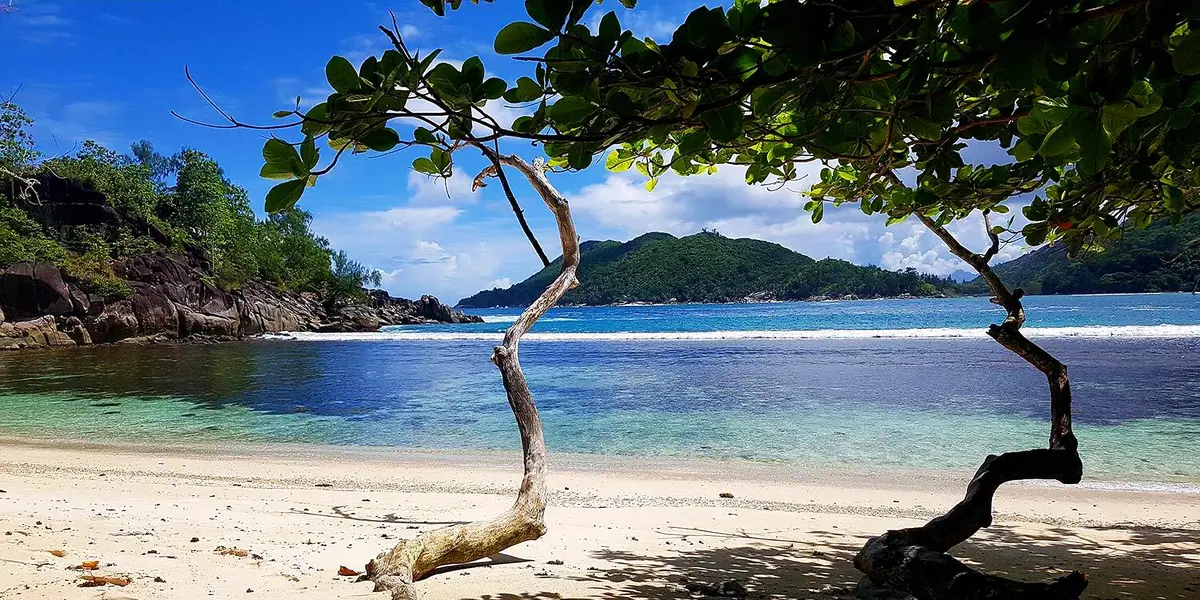
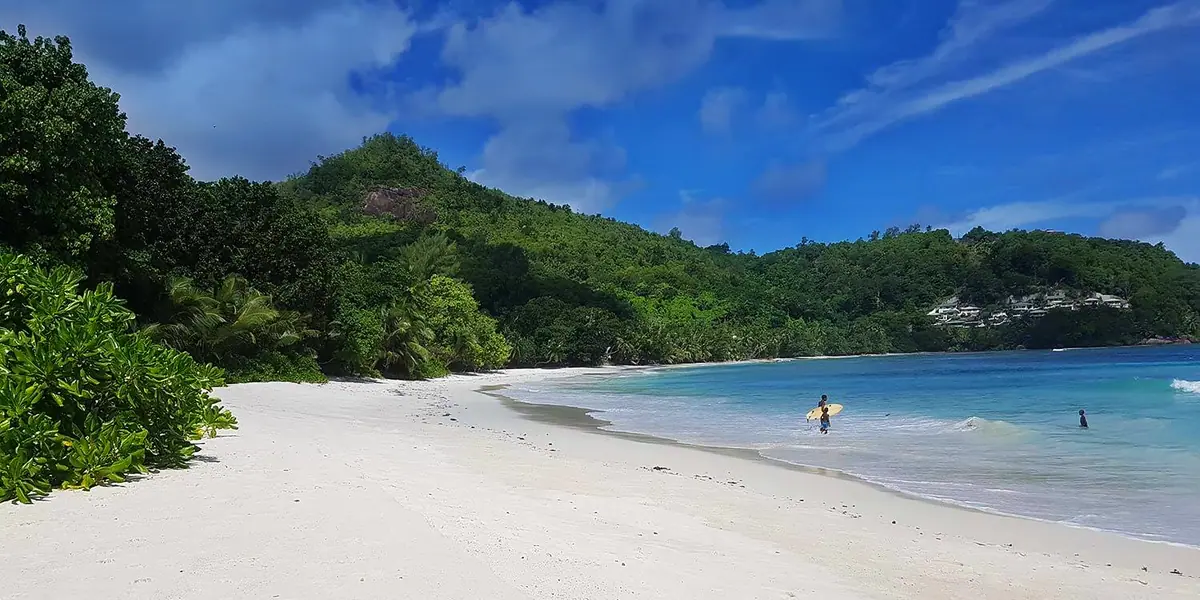
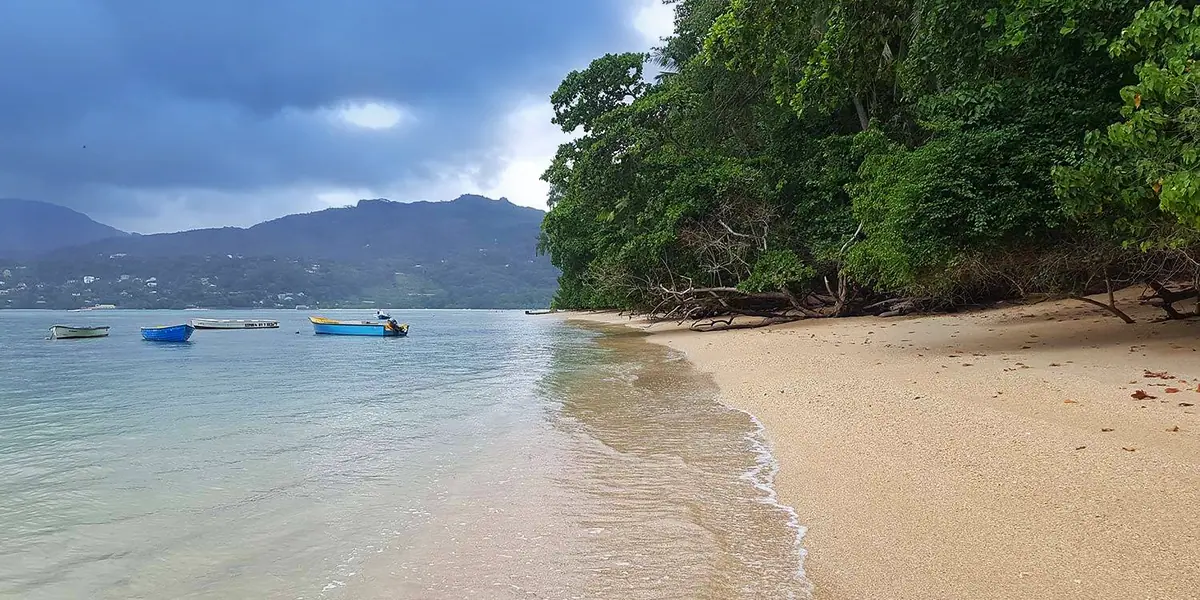
The best known and probably most popular beach, and also the longest at about 1.7 km, is Beau Vallon in the north-west of Mahé. Other beaches well worth seeing are Anse Intendance in the south-west, Anse Royale in the east, Anse Takamaka in the west and Anse Major, also on the west side of the island.
Which coast is calm depends on the time of year. From May to October the south-east trade wind usually blows, which makes the sea rougher on the east and south coasts and calmer in the west and north. During the north-west monsoon from December to February it is mostly the other way round. On open beaches such as Anse Intendance the surf can be strong at other times too. Heed the warning signs there and never swim alone.
Every beach has its own page with directions and notes. A selection:
- Anse Boileau, Anse Petite Boileau and Anse Forbans
- Anse Soleil, Anse Louis and Anse Marie Louise
- Baie Lazare, Anse Gaulette and Anse Port Glaud
- Port Launay, Anse L’Islette and Baie Ternay
- Carana Beach, Anse Capucins and Anse L’Amour
- Anse Machabée, North East Point and Grand Anse
- Police Bay and Petit Police, Anse Takamaka and Turtle Bay
Victoria and the market
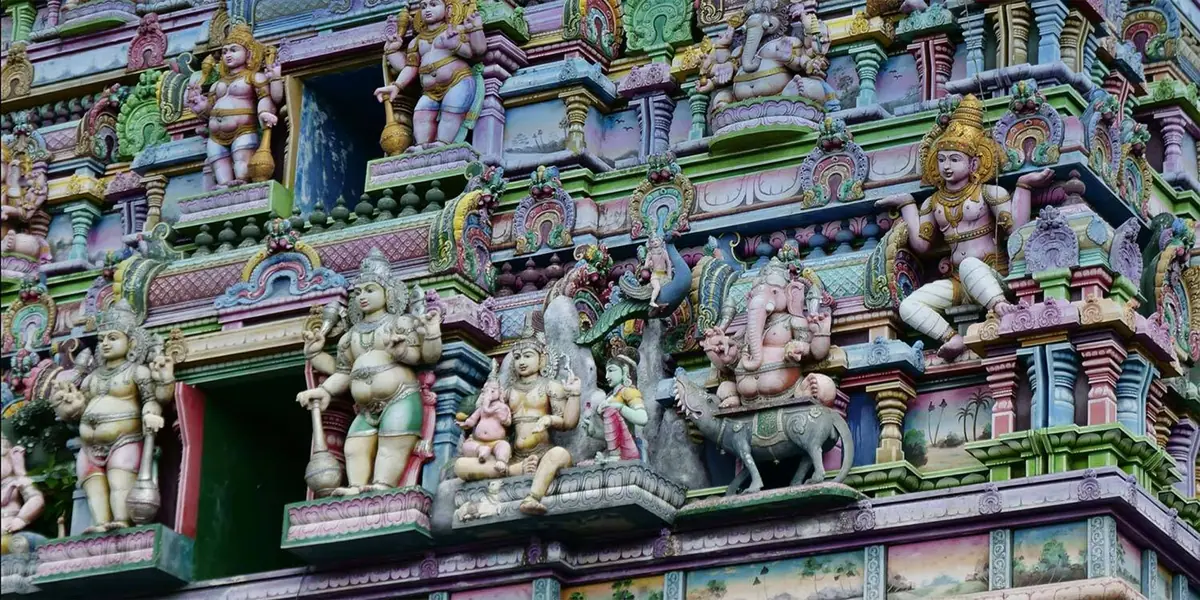
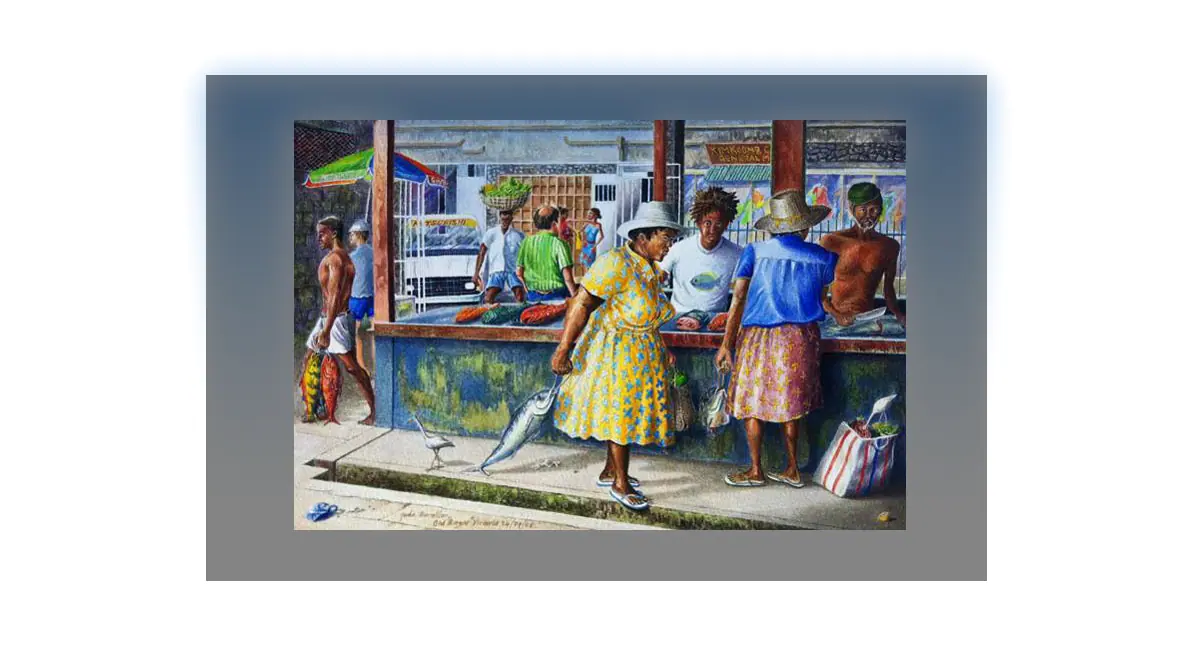
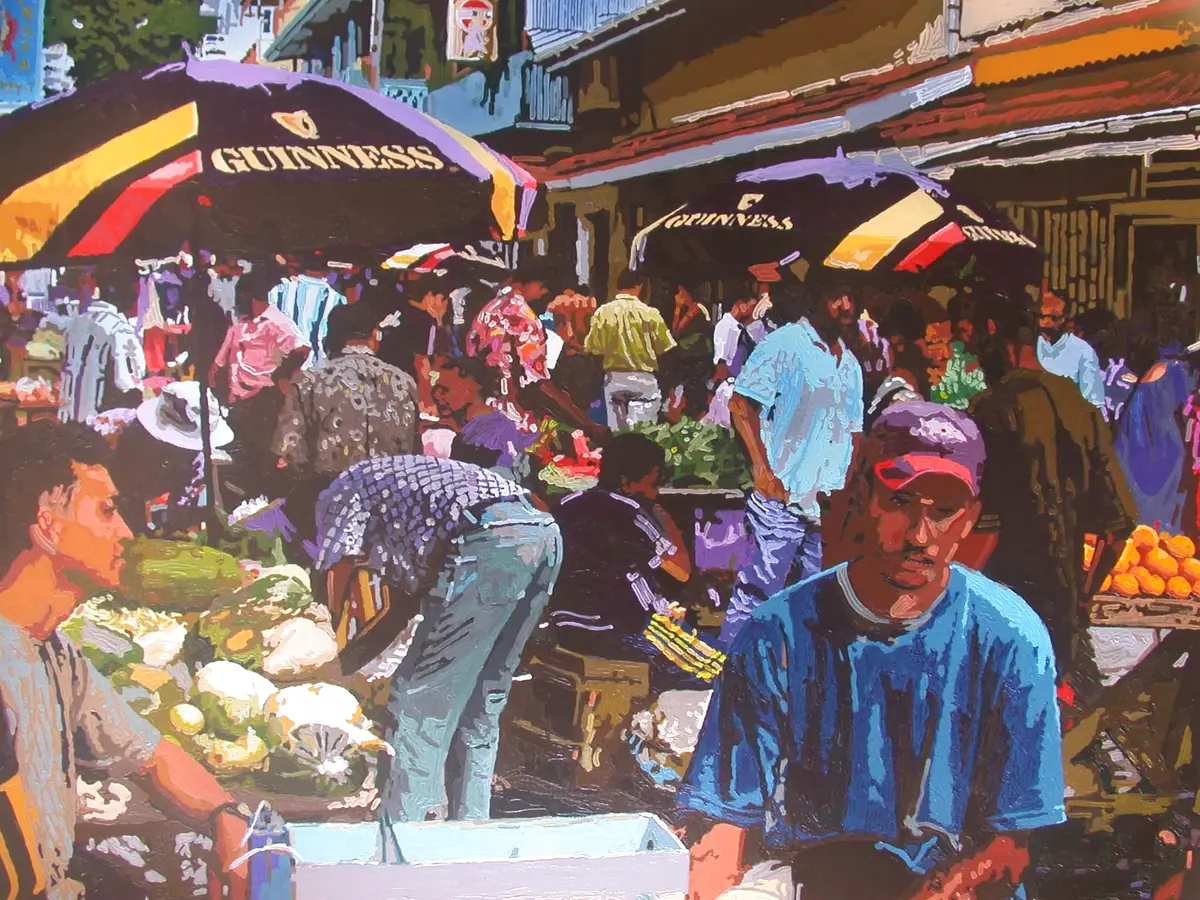
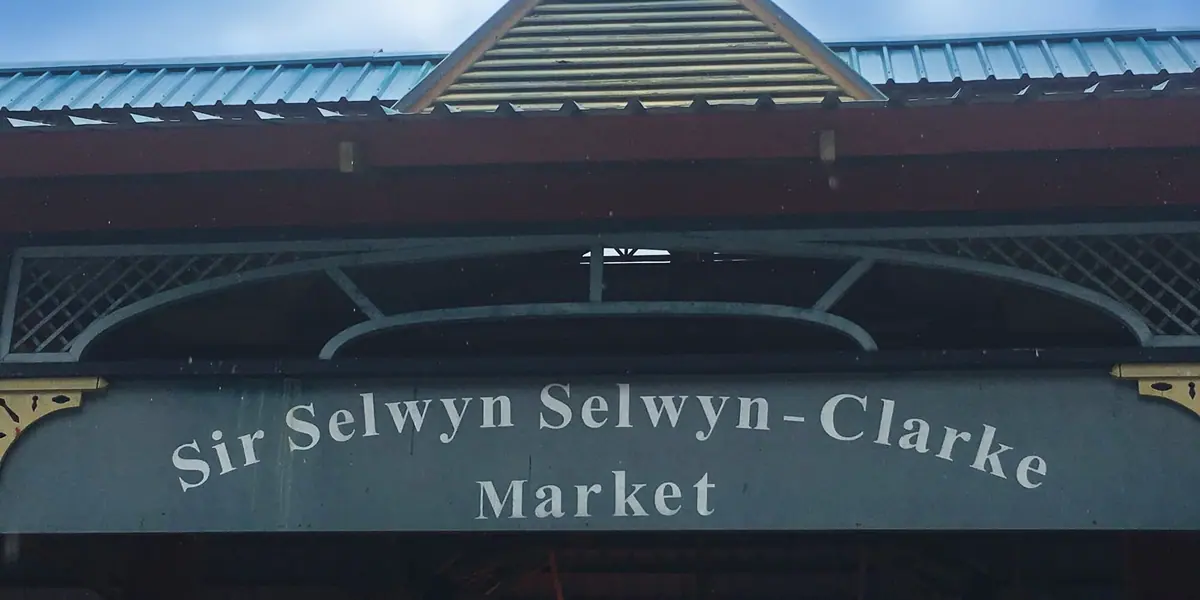
If you would like to experience the cultural charm of the island, head to Victoria, the capital of Mahé, on a Saturday morning (from 5.30 am) and visit the Sir Selwyn Clarke Market, close to the Arul Mihu Navasakthi Vinayagar Temple (a Hindu temple).
You can buy fresh everything that Mahé produces to eat: fish, vegetables, salad, fruit, rice, tea and more. The market is colourful and loud, but fair and honest.
Usual opening hours are given as Monday to Friday from about 7 am to 4 pm and Saturday until about 1 pm, closed on Sundays (as of November 2026, details vary). The market was renovated in 2025 and moved temporarily to the former STC building in Victoria. Ask at your accommodation where it is currently located. Entry is free, and upstairs you will find crafts and souvenirs.
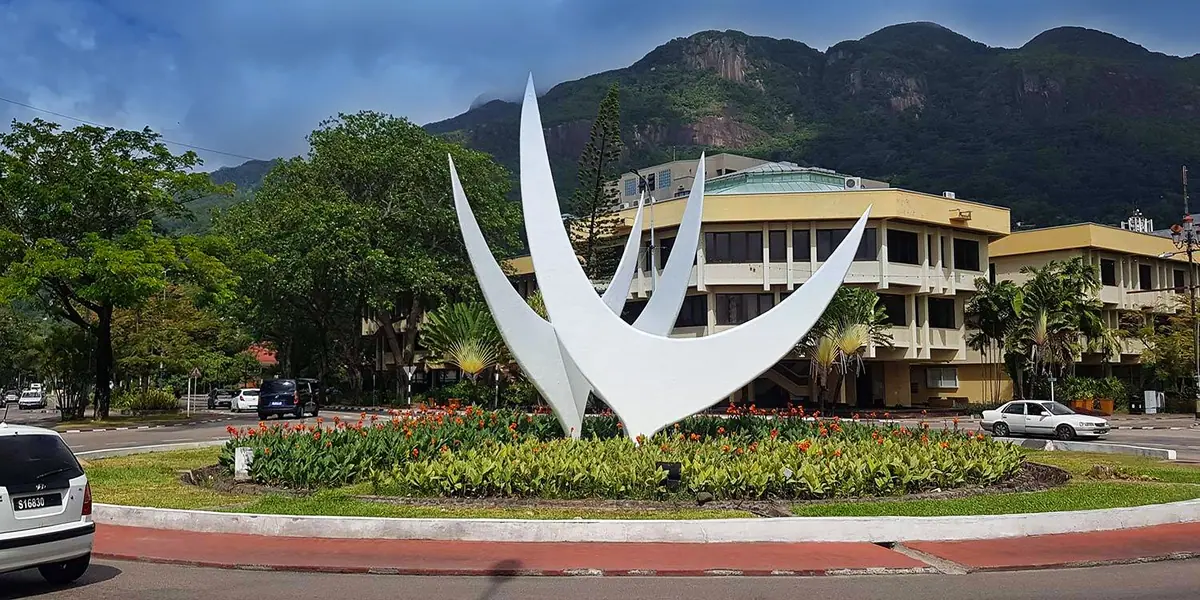
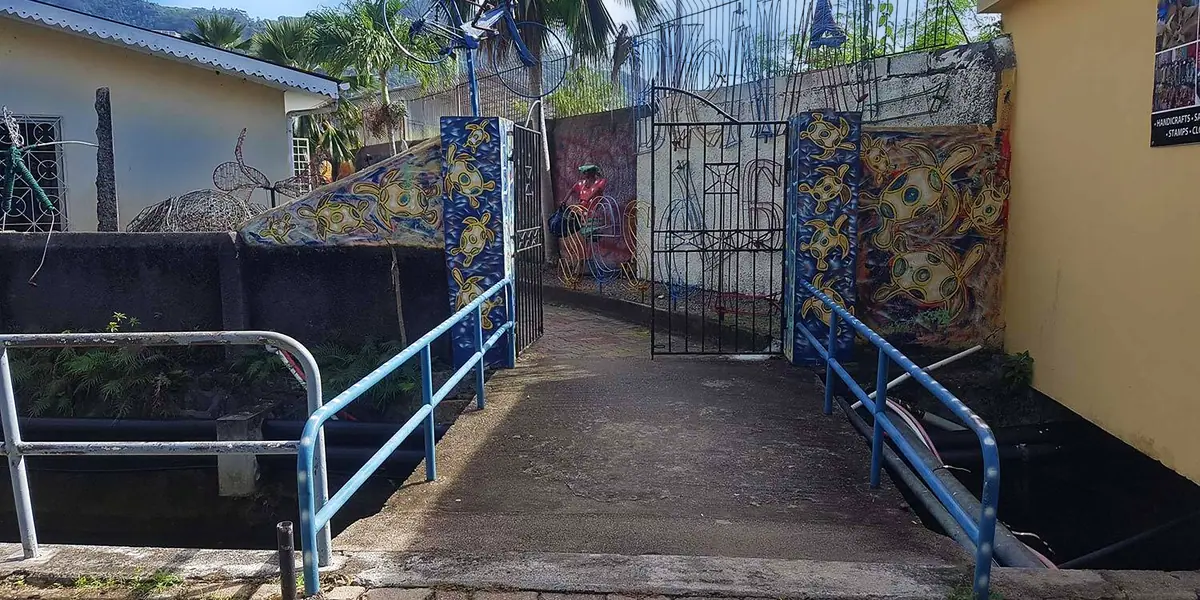
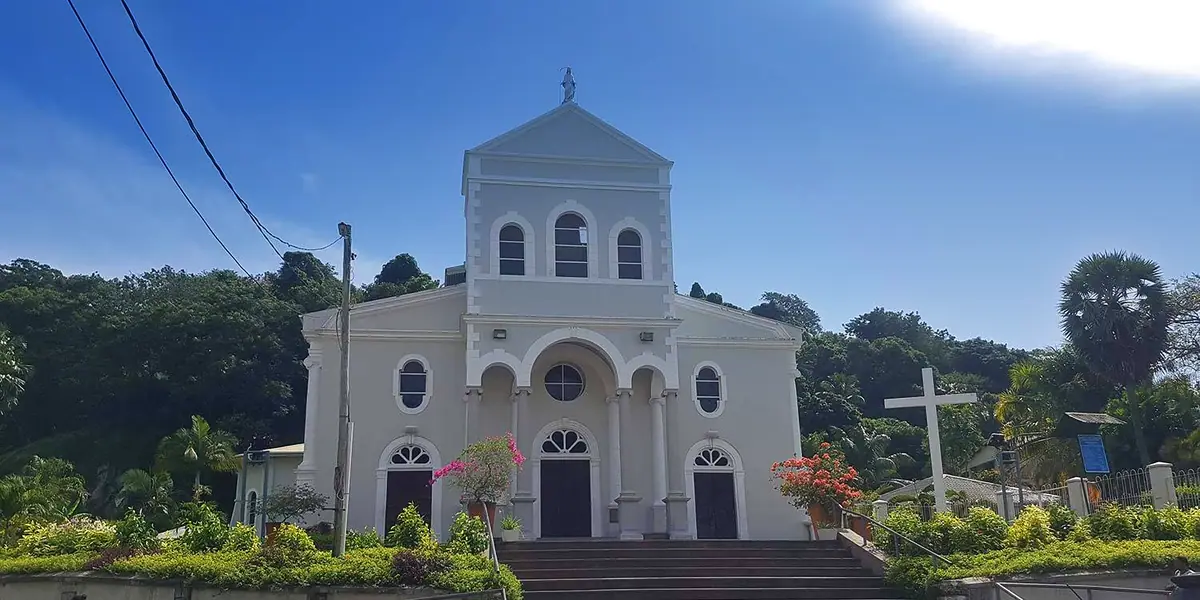
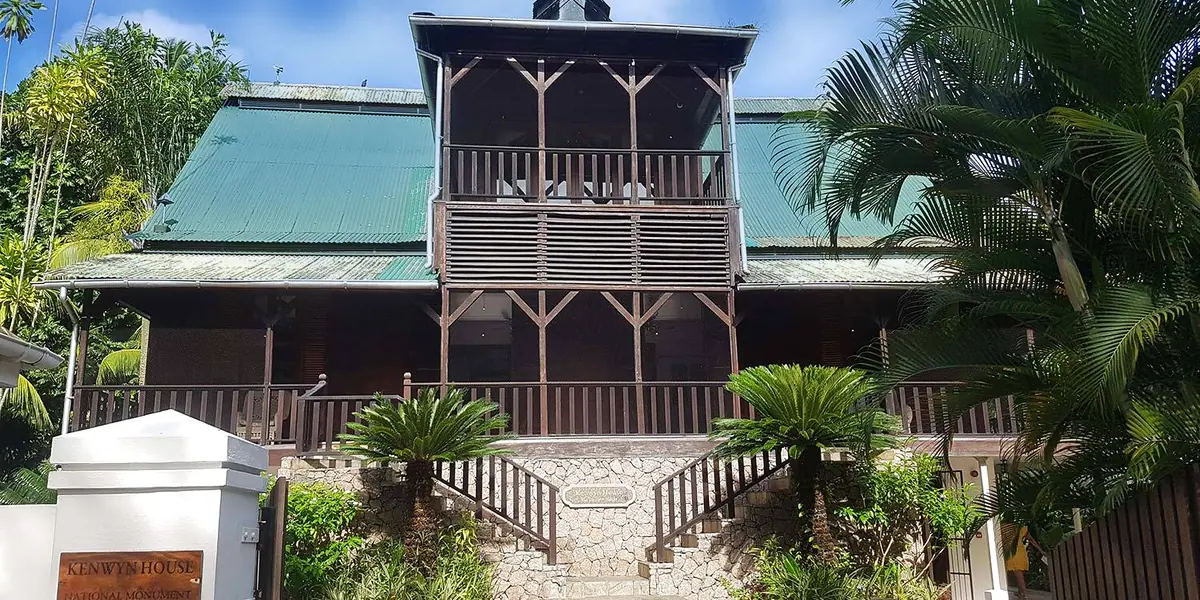
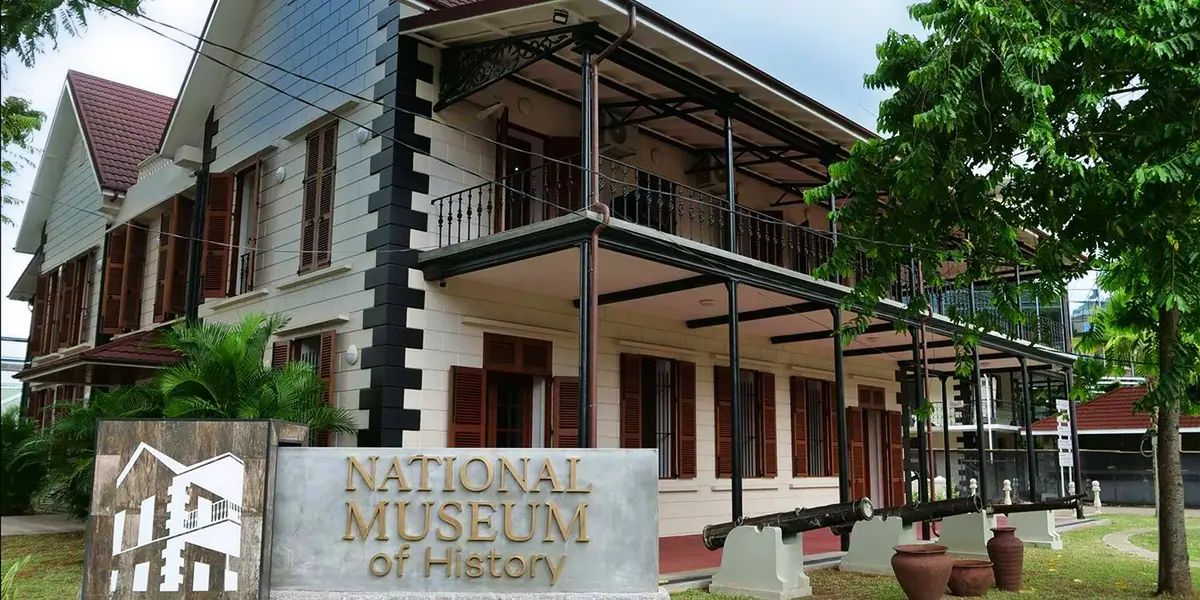
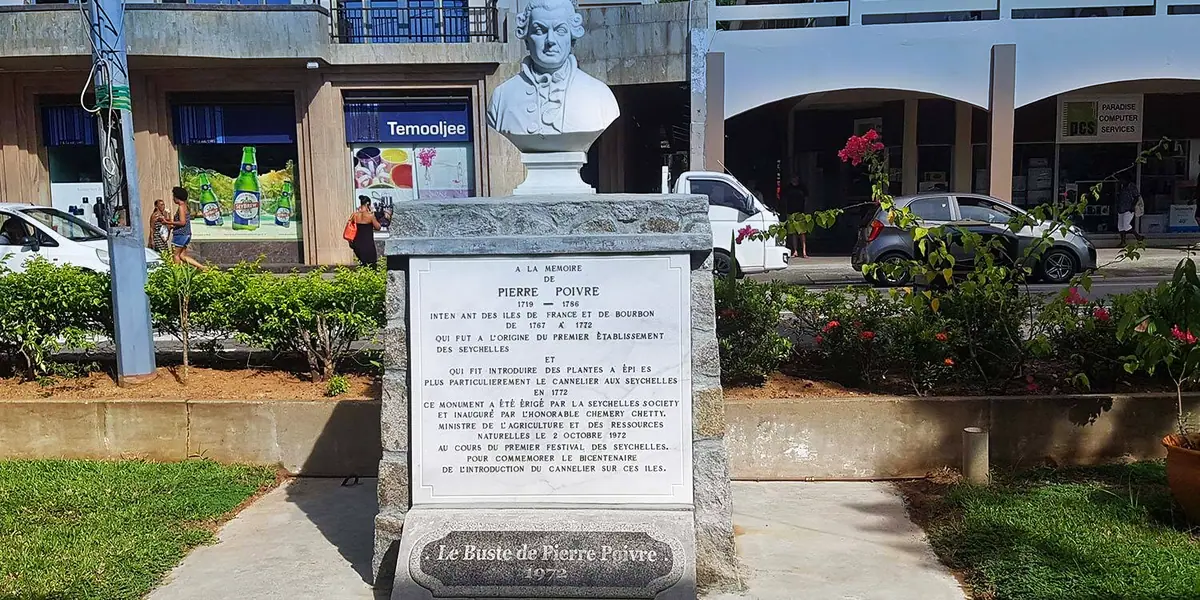
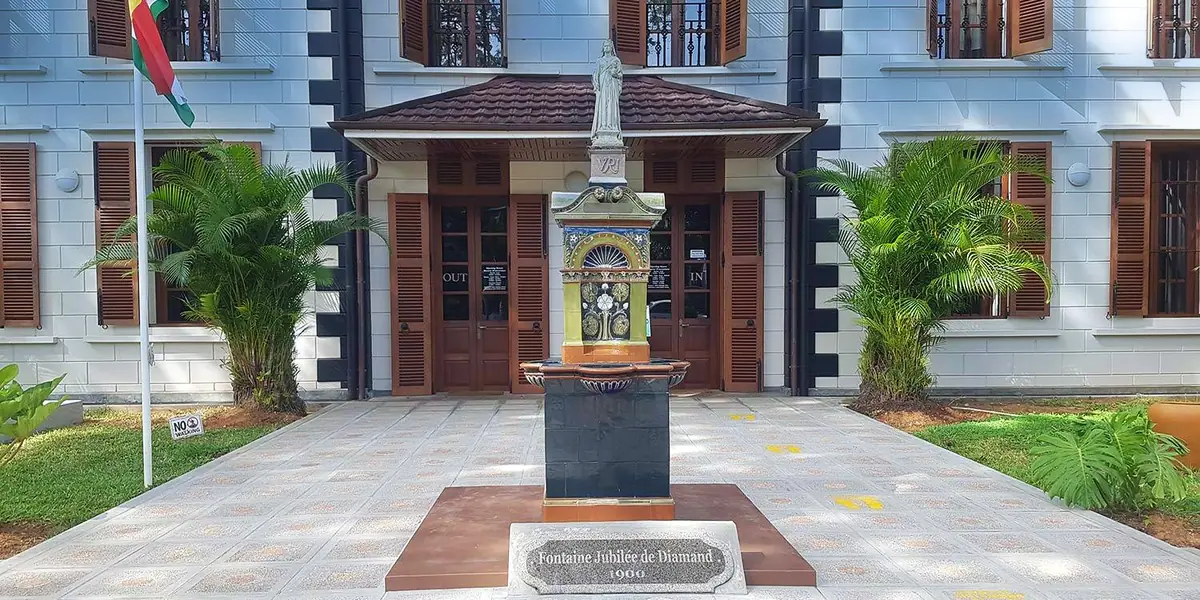
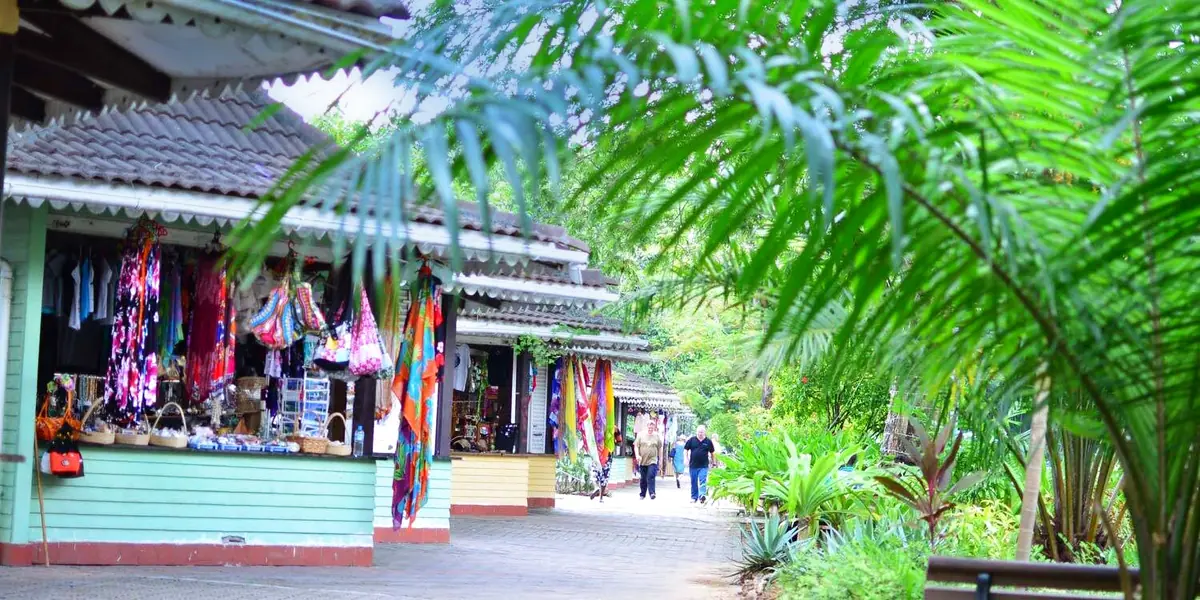
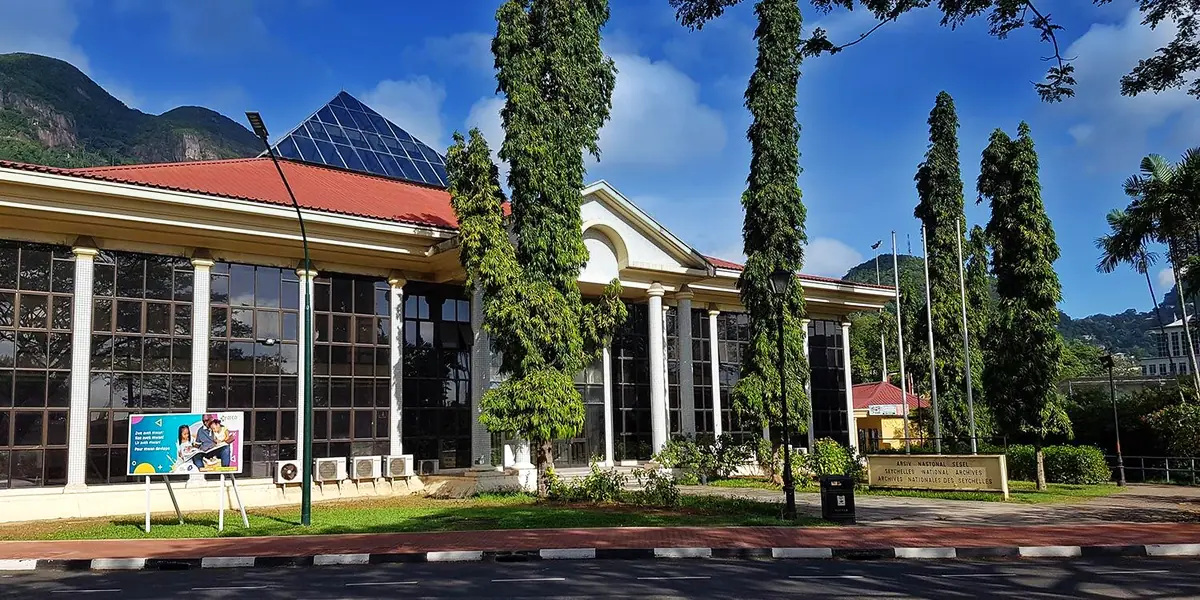
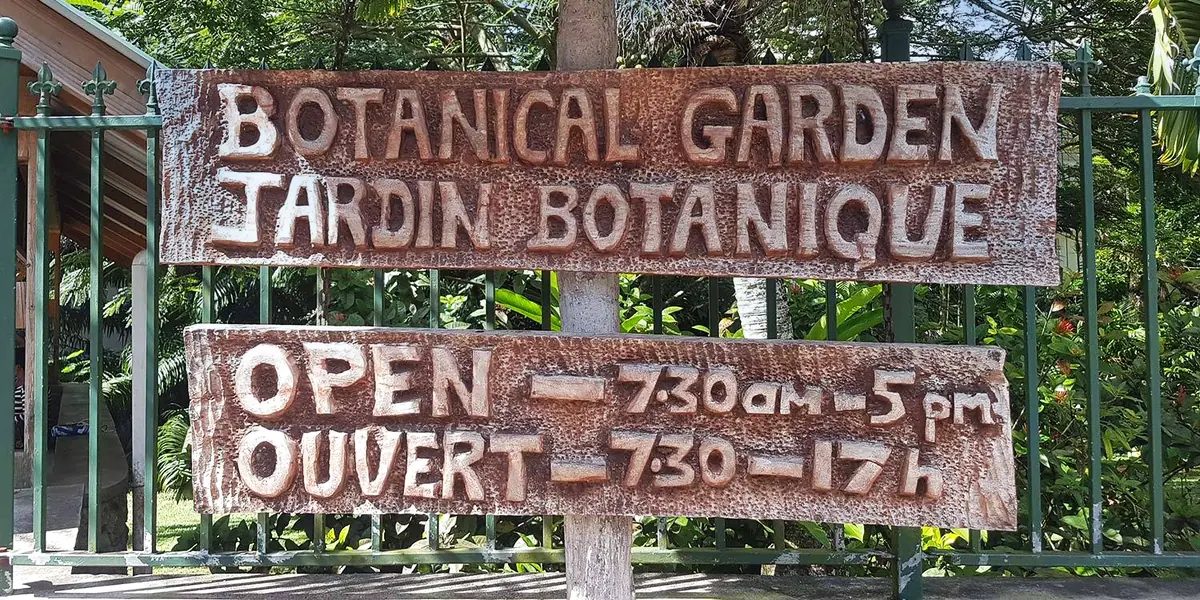
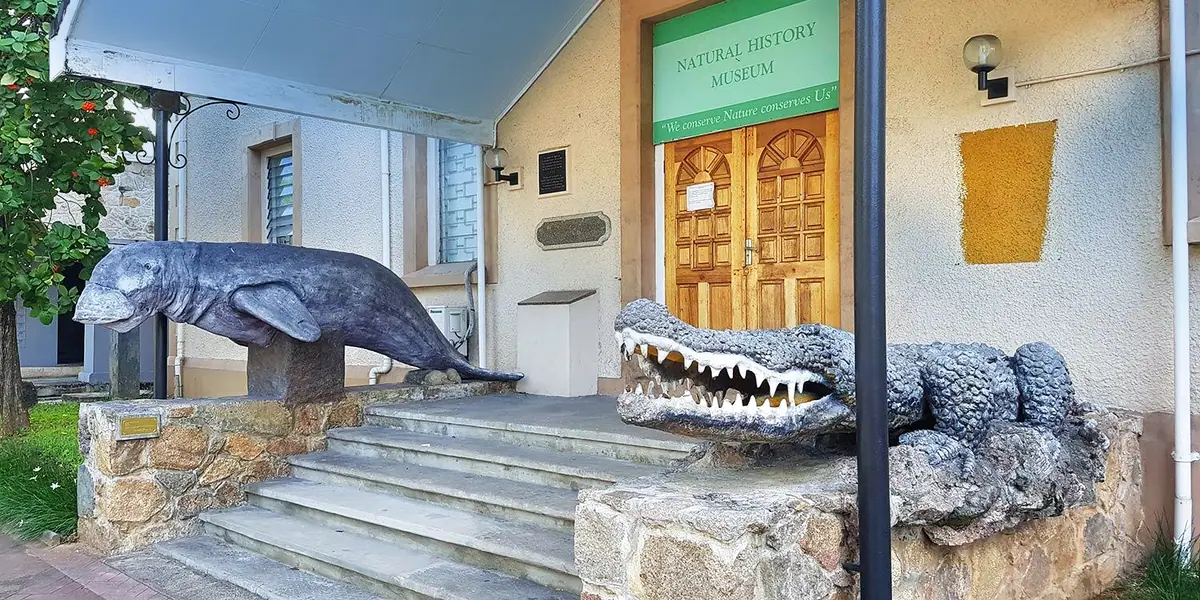
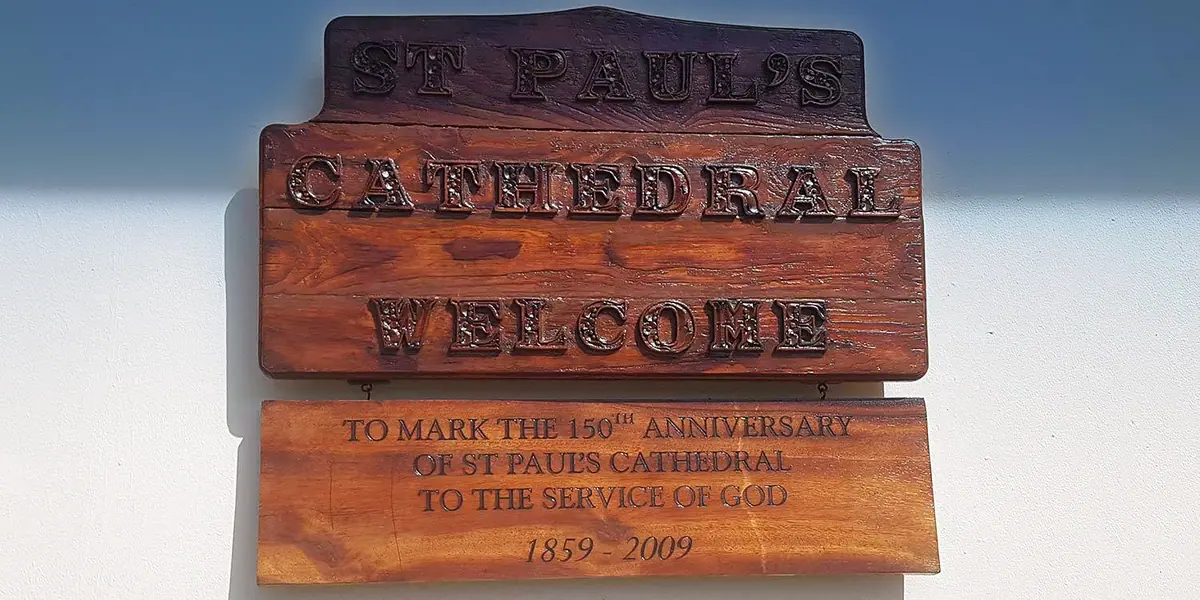
From there, several other sights are within walking distance: the Victoria Clocktower, the National Museum of History, the Natural History Museum, the Botanical Gardens, St Paul's Cathedral and the Cathedral of Our Lady of Immaculate Conception. The craft kiosks on the Esplanade, Carrefour des Arts and Kenwyn House are also in town.
Nature and hikes
Most of Mahé's mountainous interior belongs to the Morne Seychellois National Park. Most of the hiking trails start here, and the island's highest peaks are here too. Before you set off, find out what condition the trails are in and take plenty of water with you. After rain the paths are slippery.
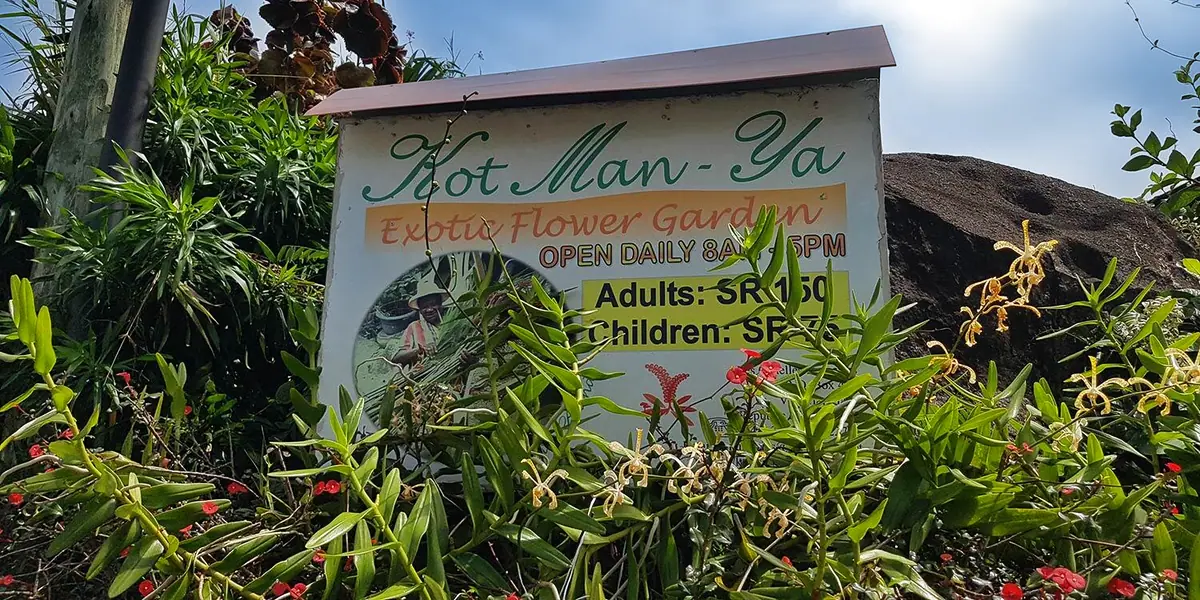
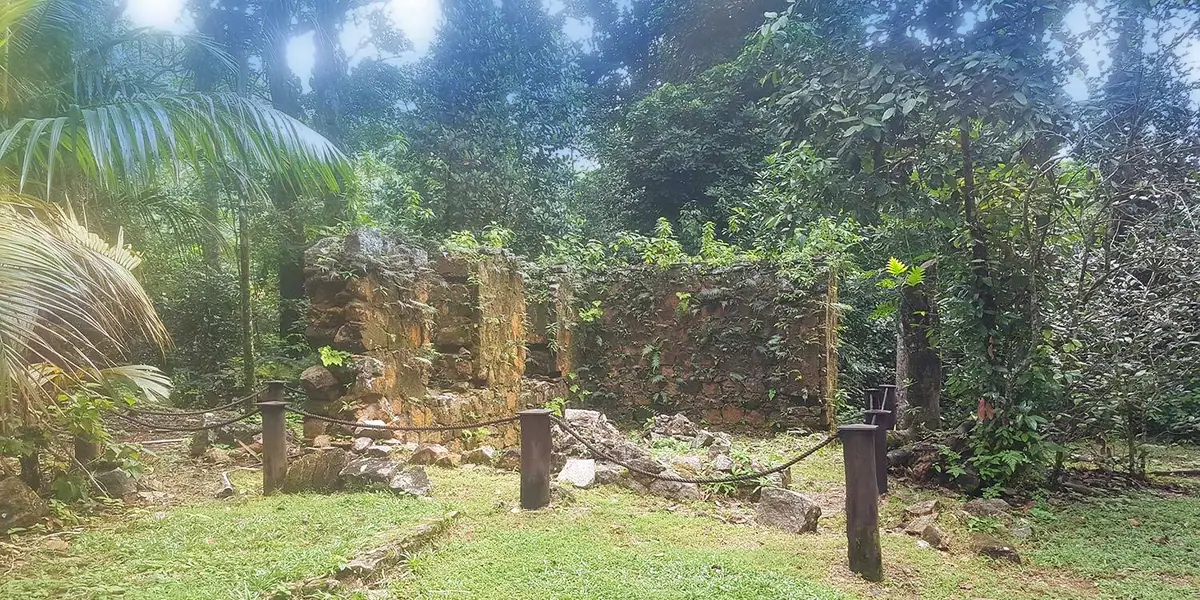
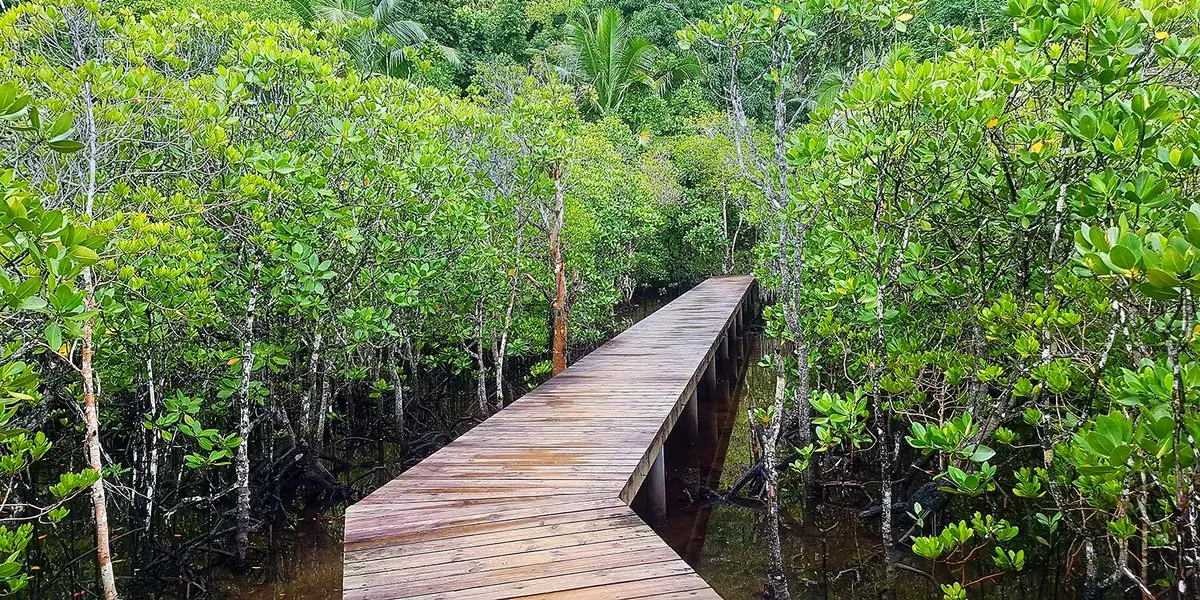
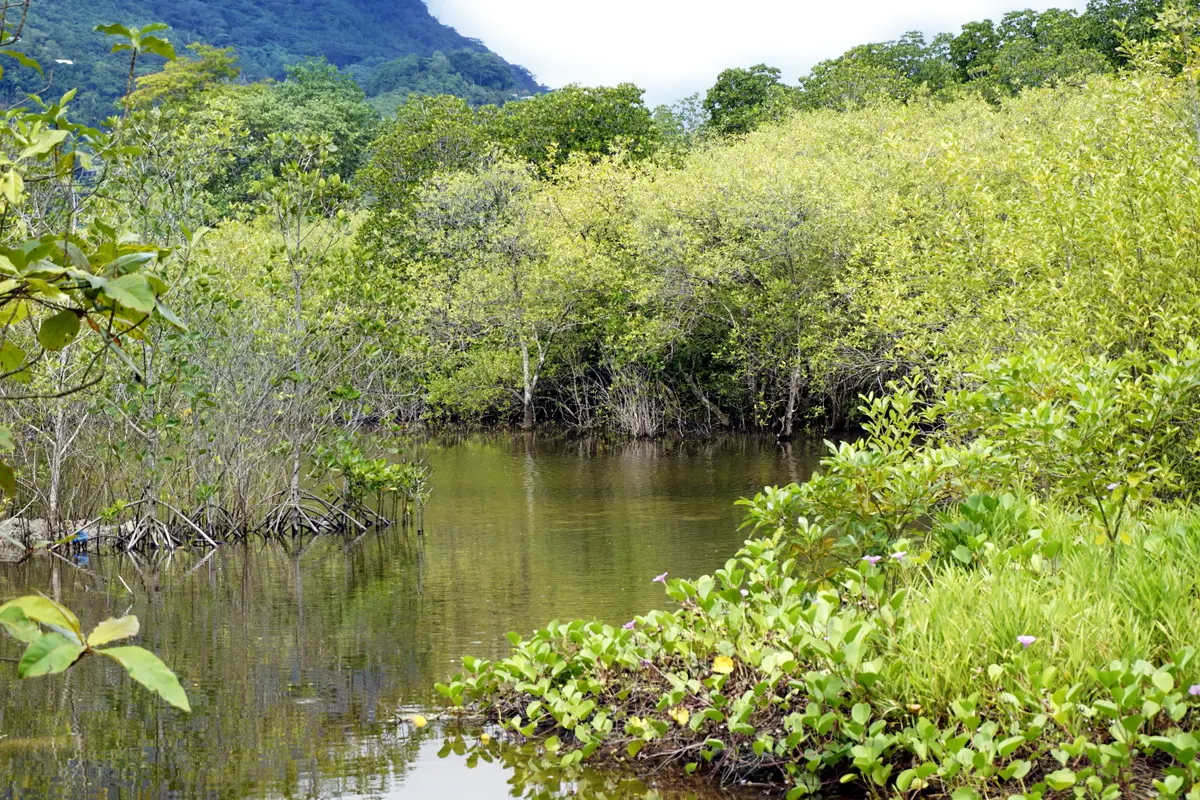
Easier destinations include the tea factory beside the road in the west, the Roche Caiman sanctuary, the Port Launay Coastal Wetlands and the Le Jardin du Roi spice garden. For flowers, head to the Kot Man-Ya Exotic Flower Garden. A viewpoint with some history is Mission Lodge.
Arts and crafts
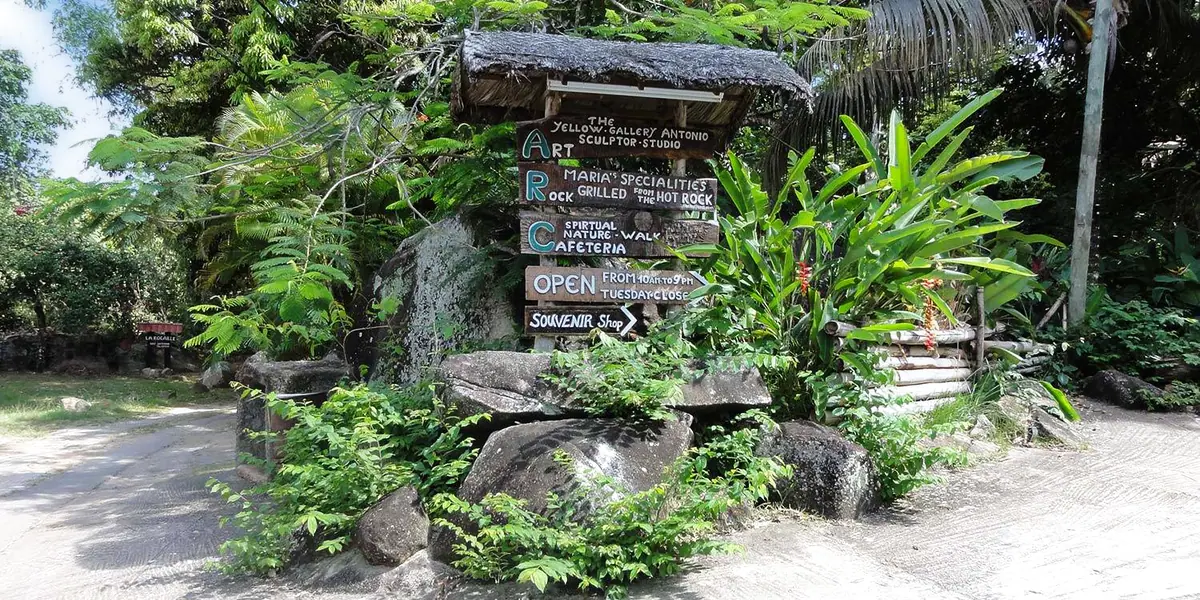
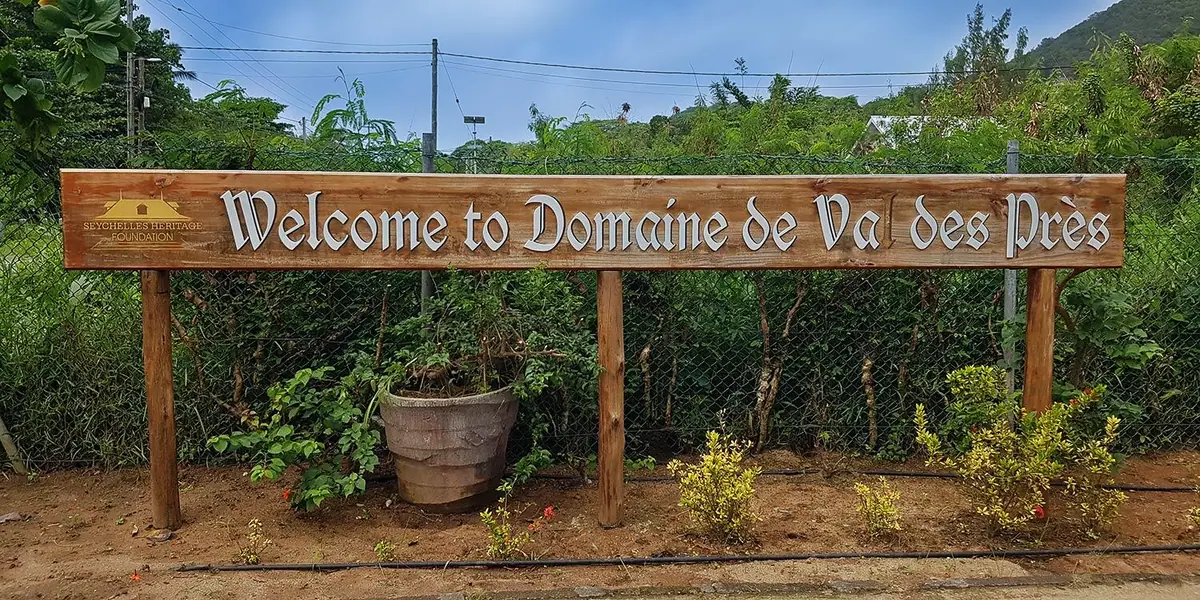
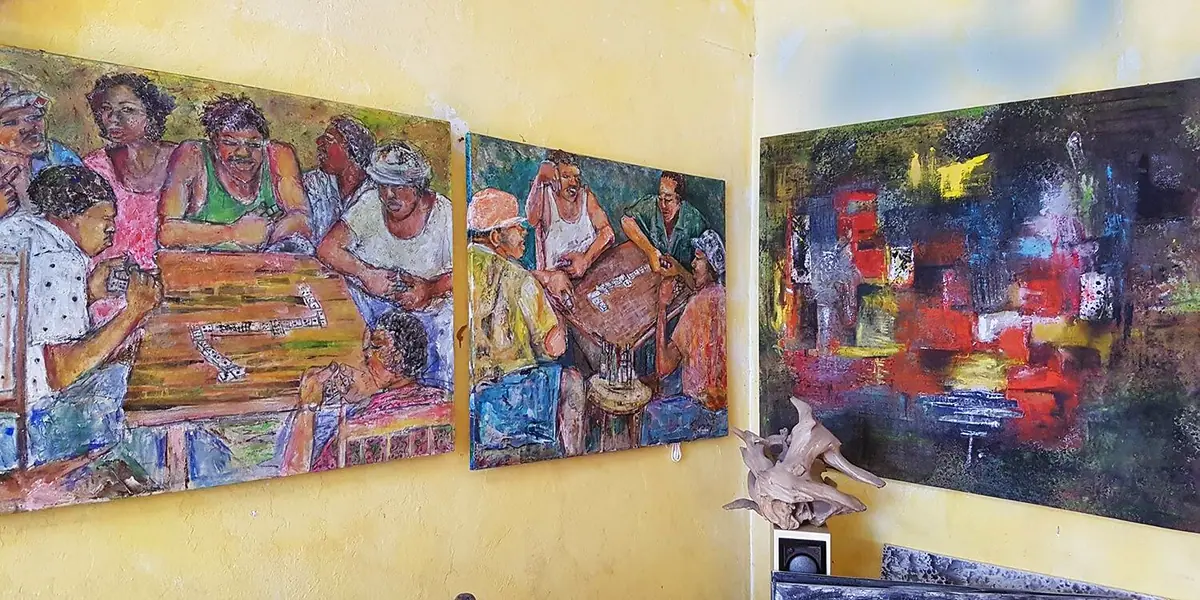
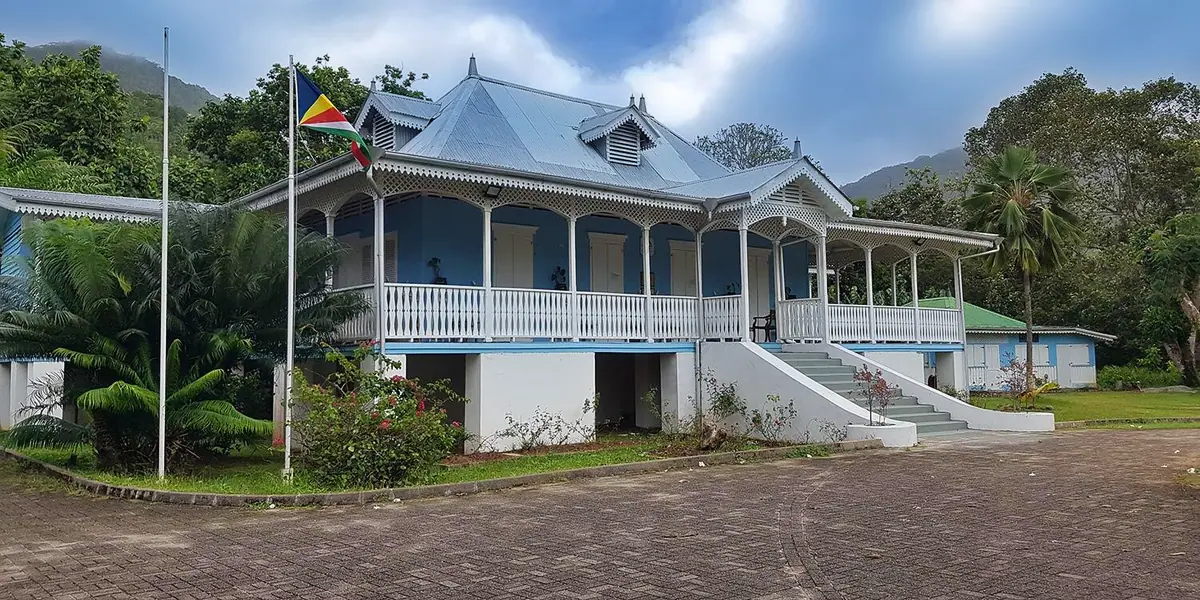
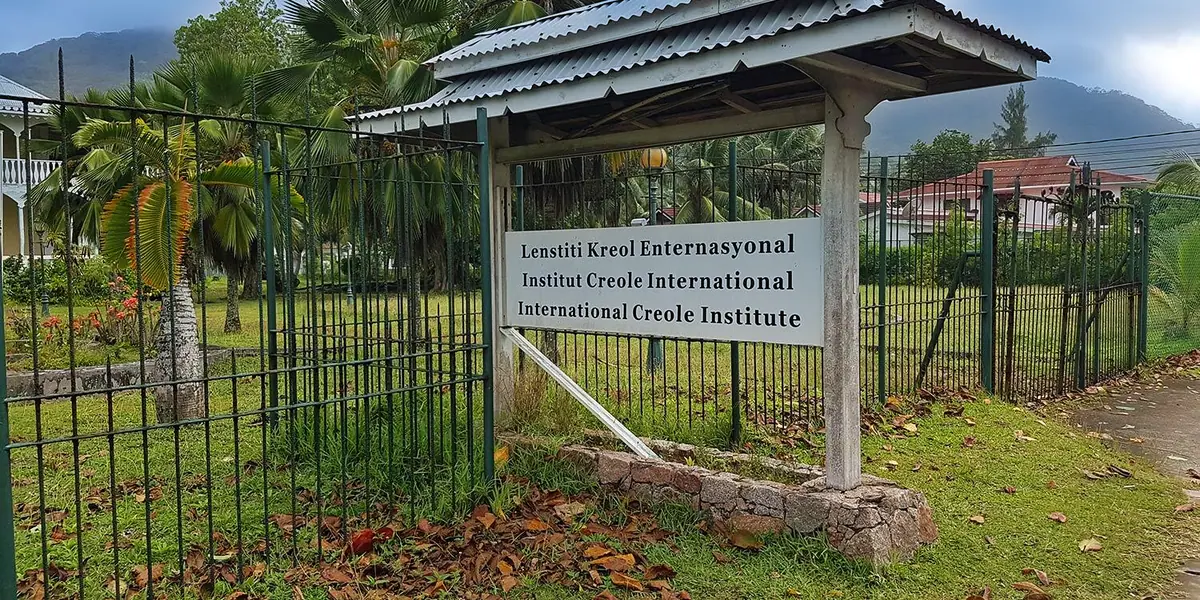
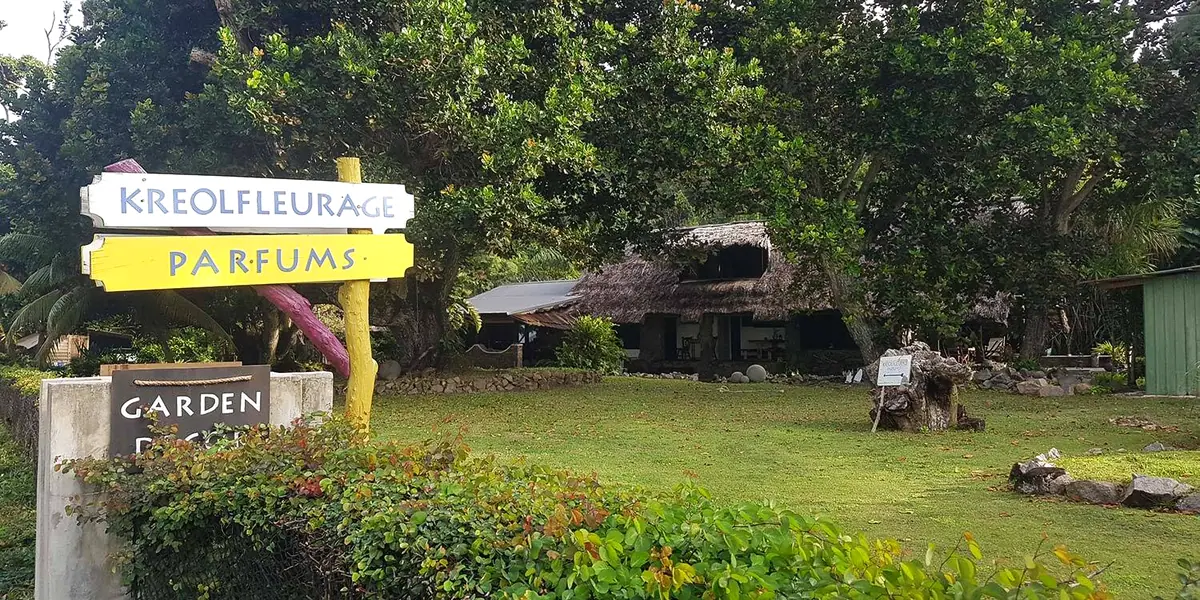
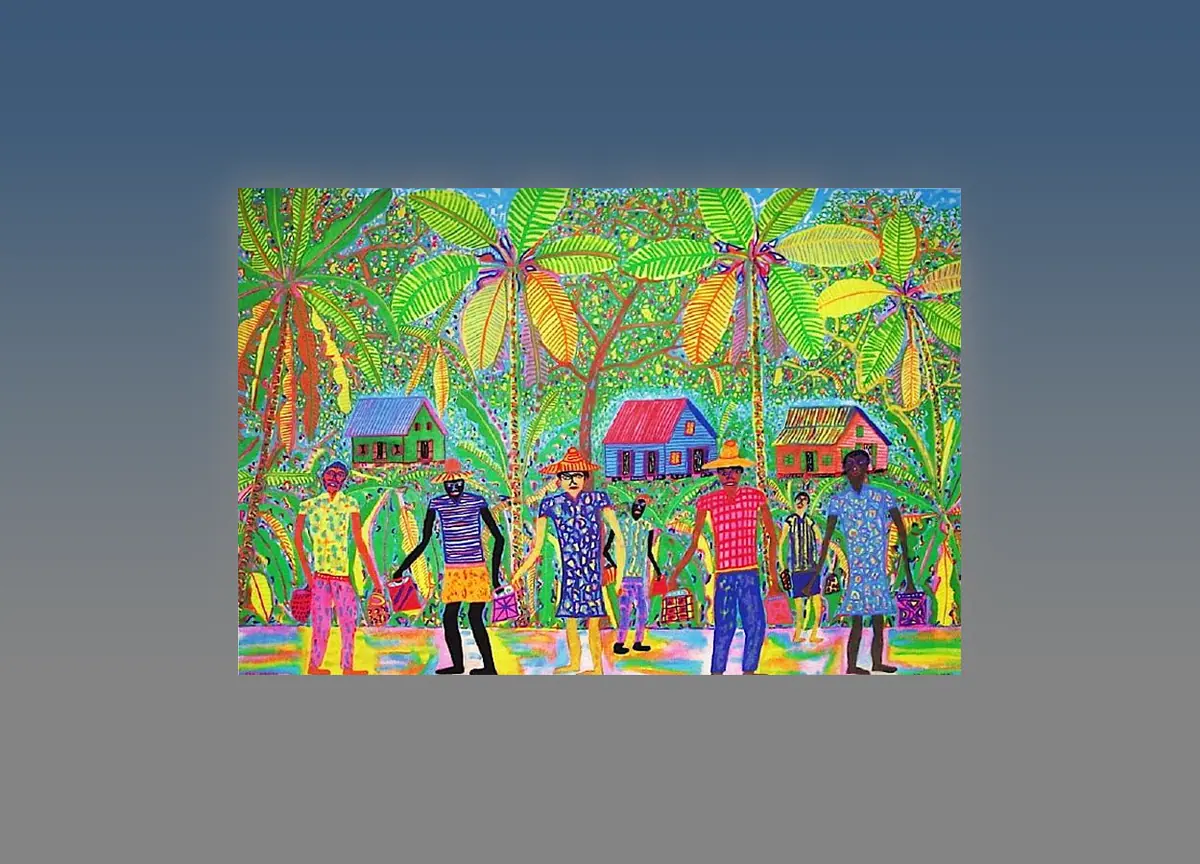
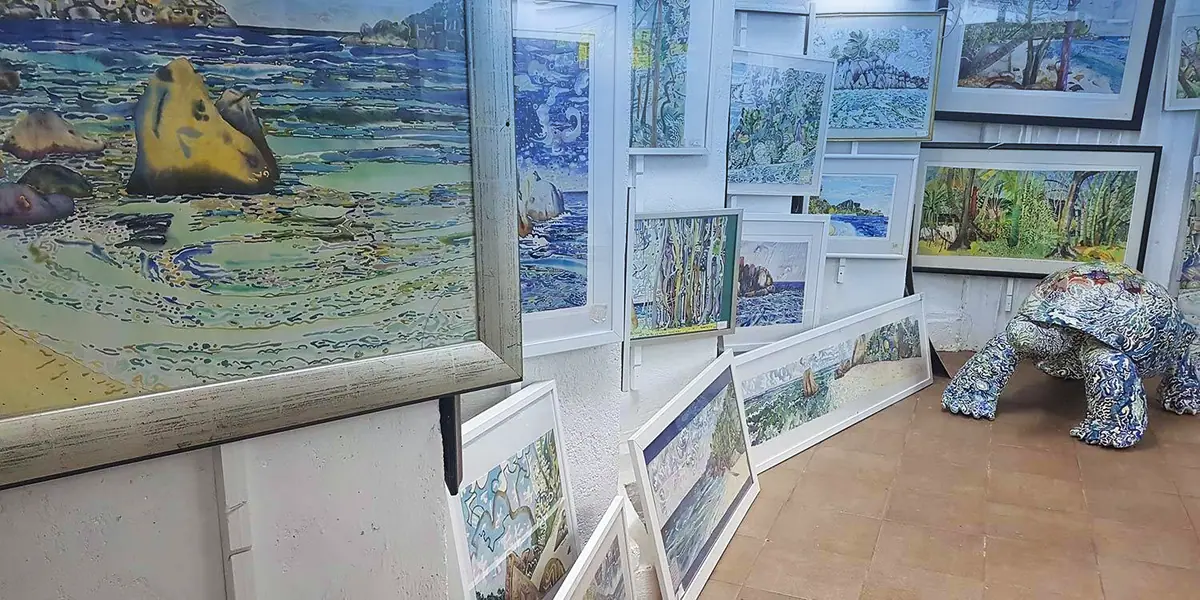
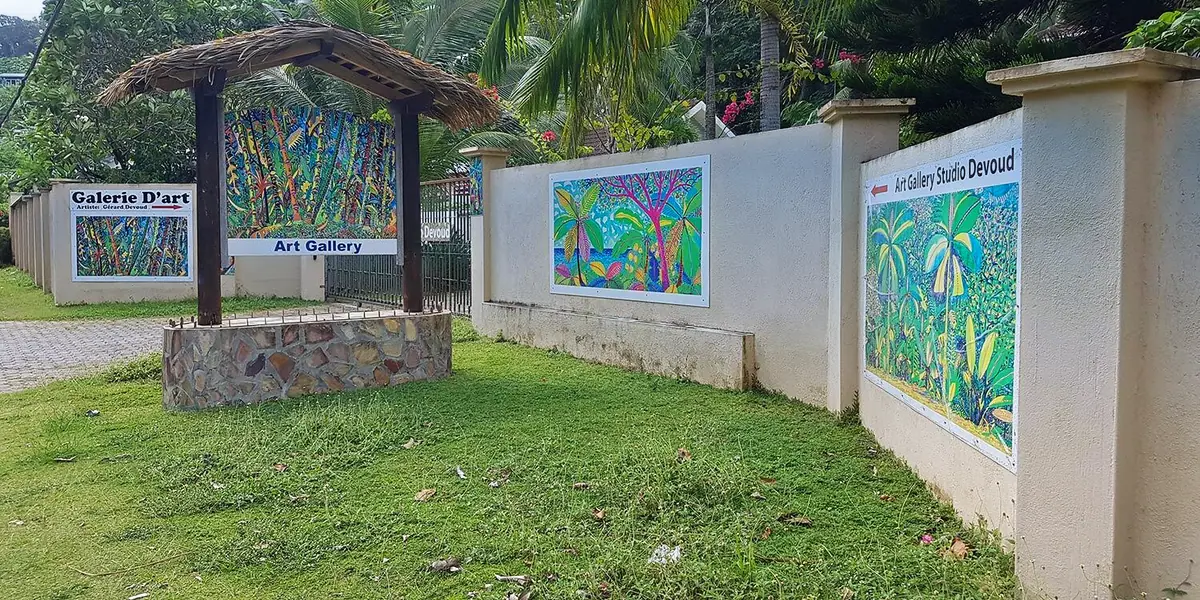
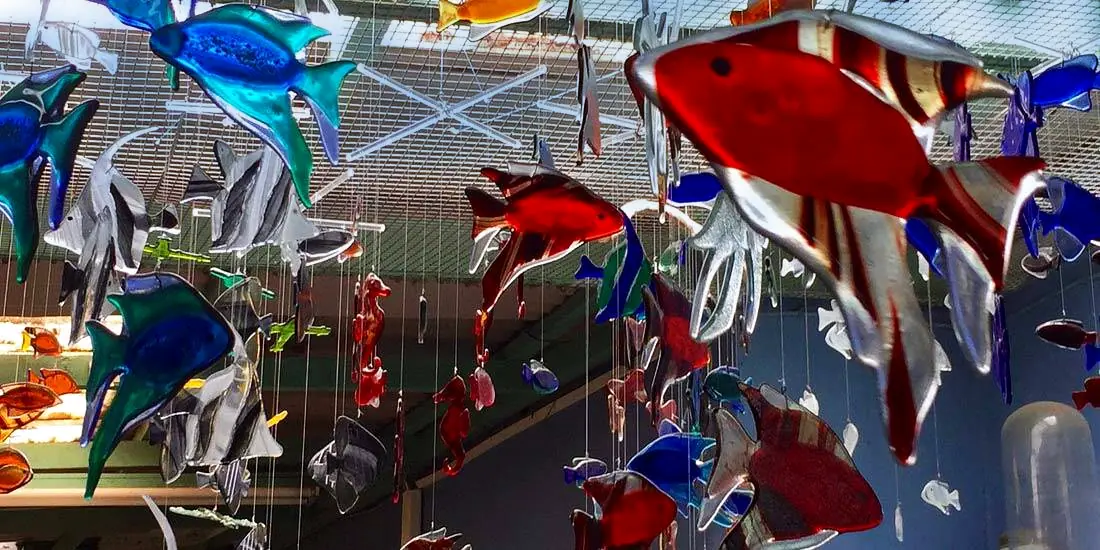
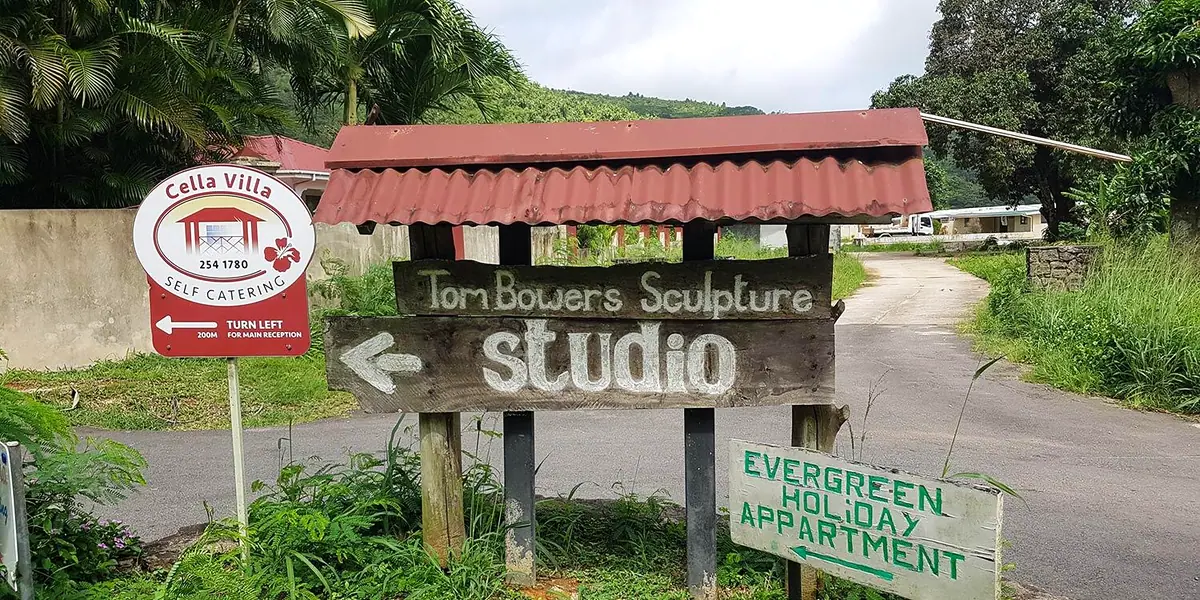
Many artists and craftspeople work on Mahé. You can visit, among others, the Domaine de Val des Prés (Craft Village), the Les Mamelles Art Gallery, the George Camille Art Gallery, the Studio Gallery Baie Lazare and Kreolfleurage Parfums. The International Kreol Institute is a place devoted to Creole culture and language. Before visiting a studio, ask about opening hours, as many open only on certain days or by arrangement.
Accommodation, food and practicalities
Accommodation and food
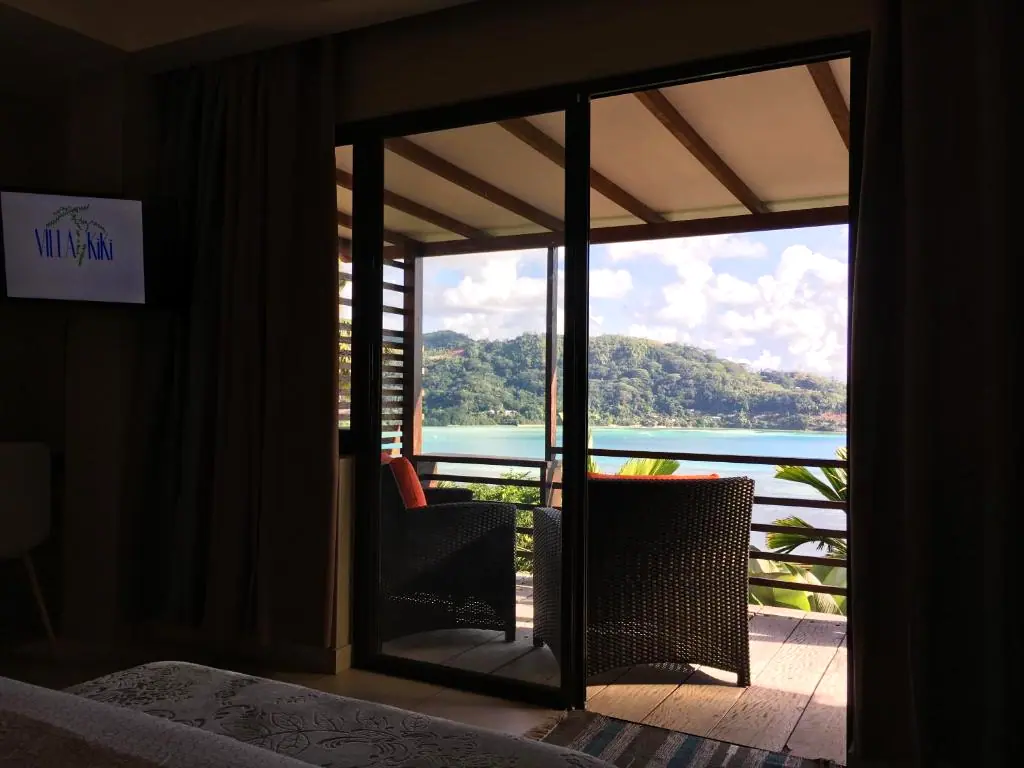
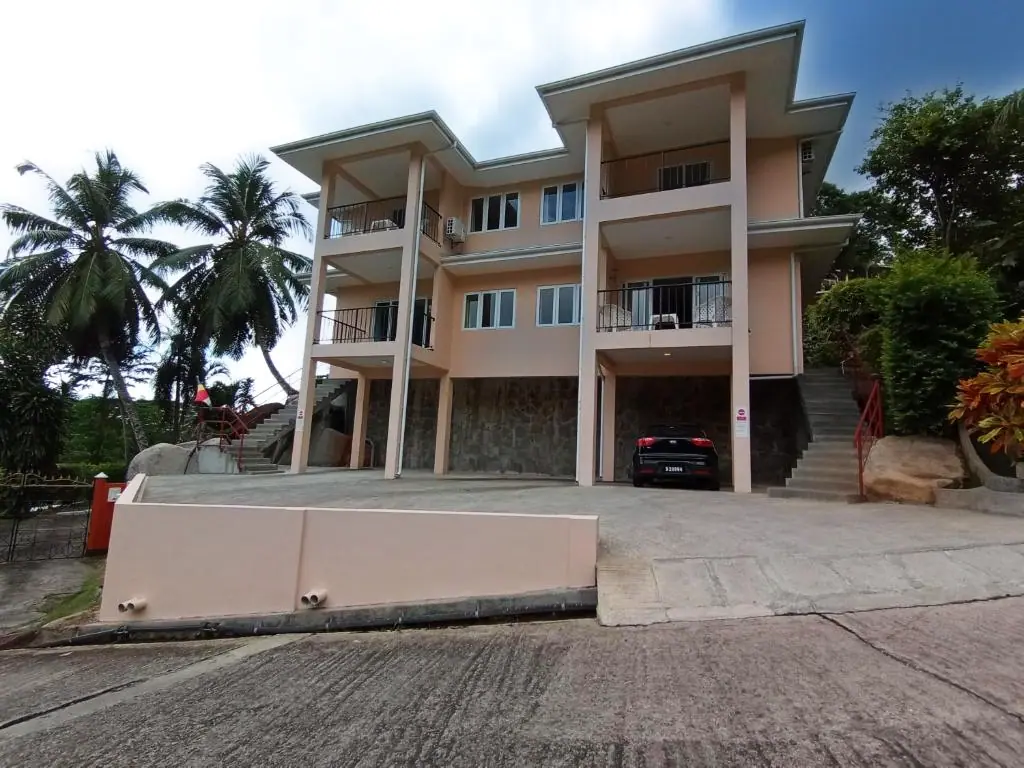
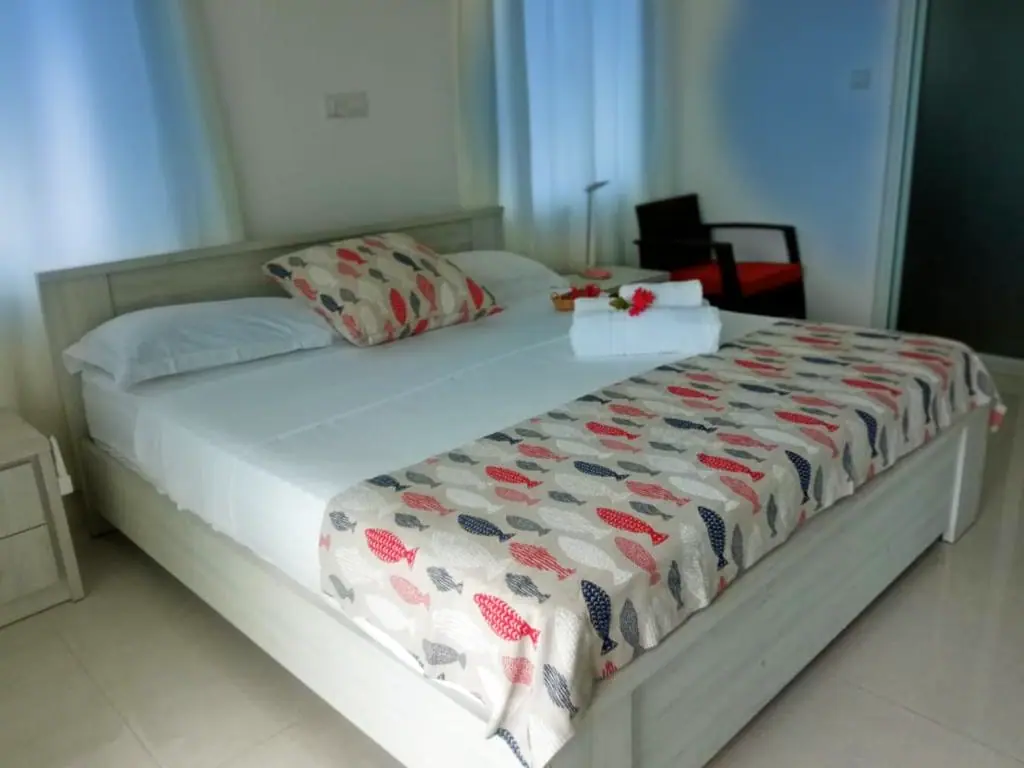
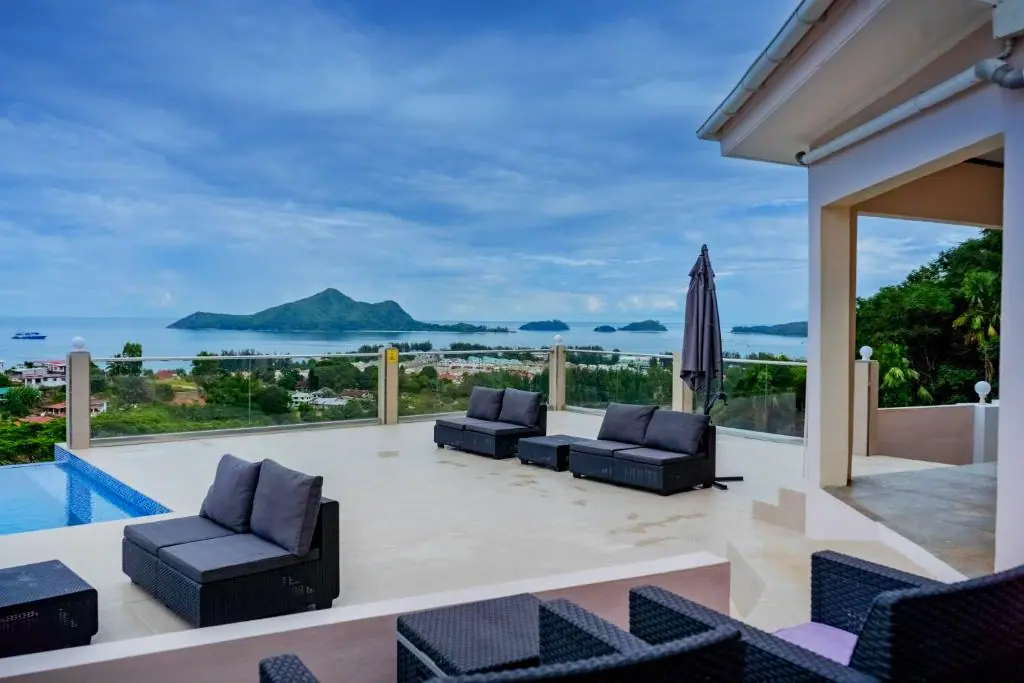
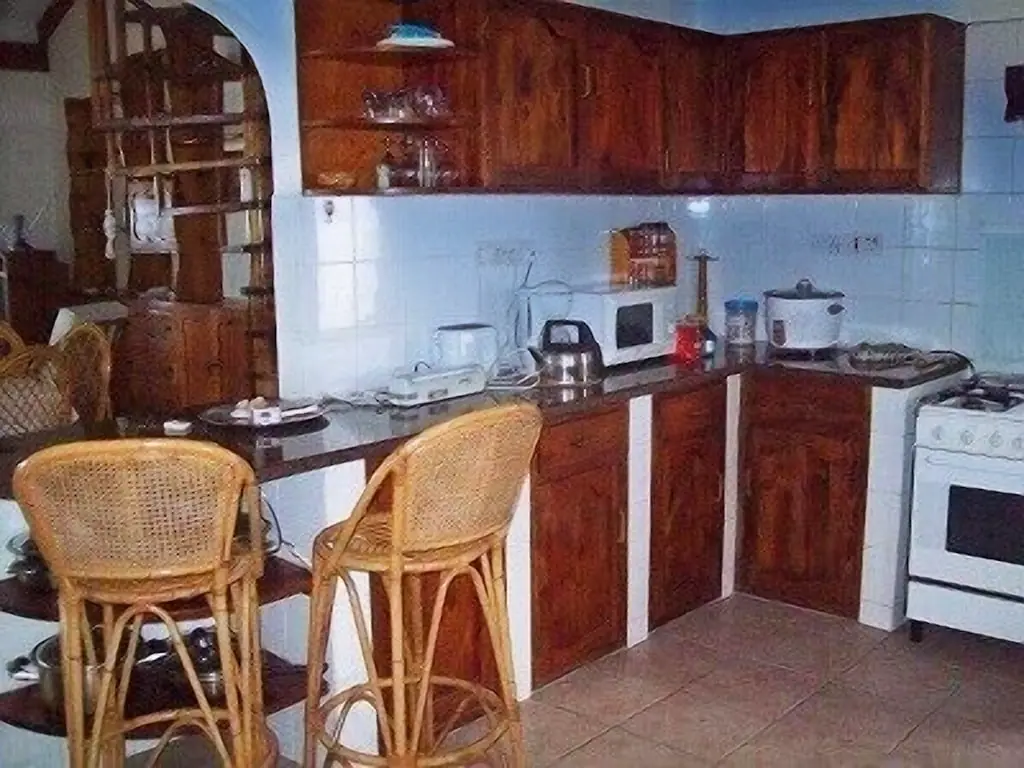
On Mahé you will find every kind of accommodation, from small guesthouses to large hotels. You can see all the island's offers under accommodation on Mahé. Restaurants, beach bars and snack places are listed under restaurants on Mahé. The choice is greatest around Beau Vallon, while in Victoria you can eat a simple, inexpensive lunch.
Money, shopping and doctors
The local currency is the Seychelles rupee (SCR). Taxis and small shops prefer rupees, while you pay for the bus by card. Cash machines and exchange offices are mainly found in Victoria and the larger villages. The cheapest place to buy food is the market in Victoria or the supermarkets in the towns along the coast road.
The government hospital is near Victoria. The authorities may ask for proof of insurance on entry, so take out foreign travel health insurance. There are no dangerous animals and no malaria, and the pharmacies in the villages can deal with minor health questions.
Day trip or overnight stay
Mahé works well as a base for your whole holiday. The airport, the ferries and almost all the buses are here, and the beaches and sights are easy to reach from wherever you stay. Allow at least several days for Mahé if you want to see the beaches, Victoria and go on a hike. Around Beau Vallon or on the west coast you have the beach on your doorstep, while from Victoria you are quickly at the market and the ferry.
A day trip to Praslin by fast ferry is possible. According to the timetable, the last return sailing from Praslin to Mahé leaves at 17:00 on Mondays and Wednesdays, at 17:30 from Friday to Sunday, but already at 14:00 on Tuesdays and Thursdays (as of November 2026). Check the timetable before you book. For La Digue, an overnight stay is usually worth it.