Most things in the Seychelles are relaxed, but there are a few things worth knowing before and during your trip. Here is everything important in one place, with links to the detailed pages.
Before you travel
- Entry: The travel authorisation, documents and procedure are described above and in more detail on our page Entry formalities. Keep your return or onward ticket and your accommodation booking confirmation to hand.
- Cash: If you are bringing in a larger amount of cash, declare it in your travel authorisation application. The current limits are listed under Customs regulations.
- Vaccinations: No vaccinations are compulsory for travellers from Europe. Mosquito protection still belongs in your luggage, see Vaccinations.
- Insurance: Travel health insurance that also covers repatriation is a sensible idea, as the larger hospitals can be a long way away. For what else to pack, see Luggage.
Bringing a drone
Drones weighing more than 200 grams must be registered online with the Seychelles Civil Aviation Authority (SCAA) before their first flight, tourists included. For registration you need a passport photo, a photo of the drone and its serial number. Keep the confirmation email with you on your trip. You will find the form on the SCAA website.
You may only fly within line of sight and not at night. Flying is prohibited near the airports on Mahé and Praslin, in approach and departure paths, over private property without permission, and near power lines and radio masts. You also may not fly over national parks and reserves such as Vallée de Mai, Morne Seychellois, Cousin, Curieuse and Aride. Many hotels ban drones altogether.
On the ground
Tourism levy
The Tourism Environmental Sustainability Levy is collected by your accommodation per person and per night, usually on the spot in rupees. It is not included in the price shown when you book, so keep some cash handy.
| Accommodation | Levy per person per night (as of November 2026) |
|---|---|
| Small accommodation, 1 to 24 rooms | None, abolished on 1 January 2026 |
| Medium-sized accommodation, 25 to 50 rooms | 75 SCR |
| Large accommodation, over 50 rooms, island resorts and yachts | 100 SCR |
| Children up to 12 years, residents, flight and yacht crews | exempt |
Driving
Traffic drives on the left. A driving licence from the EU is usually enough. Rental companies sometimes ask for an international driving permit or set a minimum age. Check this before you book. More under Car hire. Never leave anything visible in the car.
Swimming
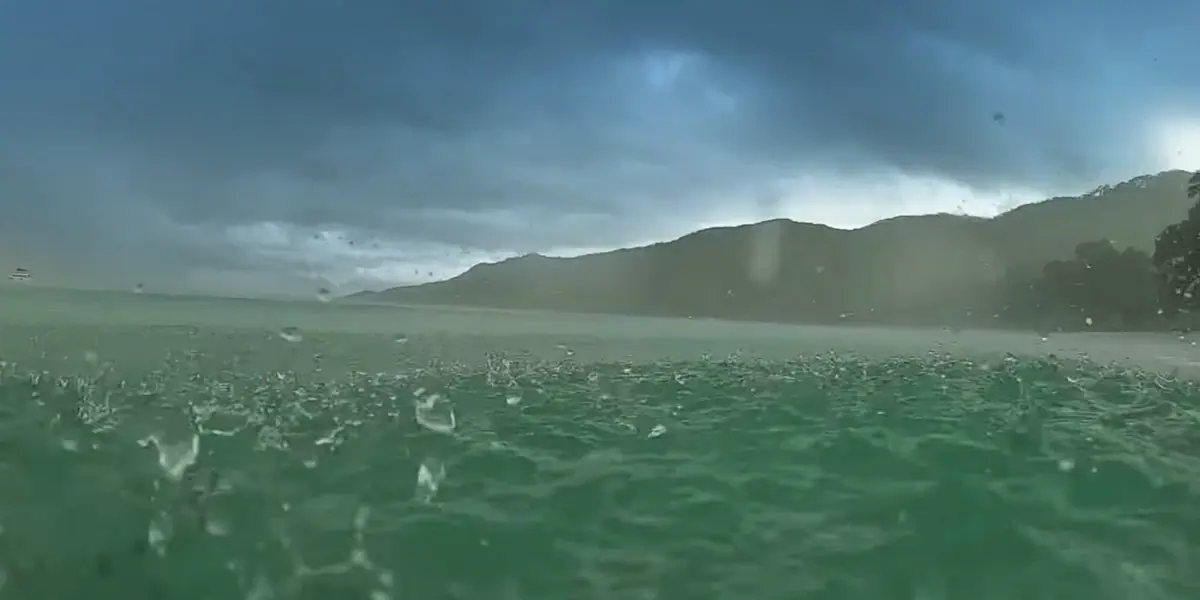
There are hardly any lifeguards. During the north-west monsoon (roughly December to March) the west coasts are rougher, and during the south-east trade wind (roughly May to September) the east coasts. Swimming at the beaches on the southern tip of Mahé is never without risk. Watch for red flags. For each beach, the best time to visit is given in our fact box. For general advice on the seasons, see Best time to visit.
Dress, safety and drugs
Going topless is not usual and nudism is not allowed. At night you should not walk alone in remote spots, and valuables belong in the safe. More under Crime and Dos and Don'ts.
Penalties for drugs are very severe, up to life imprisonment.
Coco de Mer as a souvenir
The famous Coco de Mer may only leave the country with an export permit and a certificate of authenticity. Both are included in the price when you buy from the official outlets, for example at the visitor centre of the Vallée de Mai on Praslin, at Fond Ferdinand, at the Seychelles Islands Foundation showroom in Victoria or at the Veuve Reserve on La Digue. Depending on size, a nut costs several thousand rupees, and particularly large ones considerably more. The current price is given by the individual outlet. Carry the nut in your hand luggage, as the number is checked against the certificate at the airport.
Out and about with locals
If you want to experience Mahé without a hire car and without worrying about routes and parking, a private tour is a good option. Our family takes guests around the island with Island Tour Seychelles, picking them up at the hotel or the cruise terminal and showing them corners you would not find on your own.
Frequently asked questions
Do I need a visa?
No, but you must apply for the Travel Authorisation online before departure. You receive the Visitor's Permit free of charge on arrival.
Where do I apply for the travel authorisation?
Only at seychelles.govtas.com or in the Seychelles E-Border app. Paid intermediary sites are not necessary.
Do I have to pay the tourism levy in advance?
No, your accommodation collects it on the spot. Small accommodations with up to 24 rooms have been exempt since January 2026.
Do I need an international driving permit?
The EU licence is usually enough. A few rental companies still ask for the international permit, so check beforehand.
May I bring a drone?
Yes, if it weighs more than 200 grams, after registering with the SCAA beforehand. Flying is prohibited in national parks, reserves and near airports.
Can I take a Coco de Mer home?
Yes, but only with an export permit and a certificate of authenticity from an official outlet. Carry it in your hand luggage.