La Digue at a glance
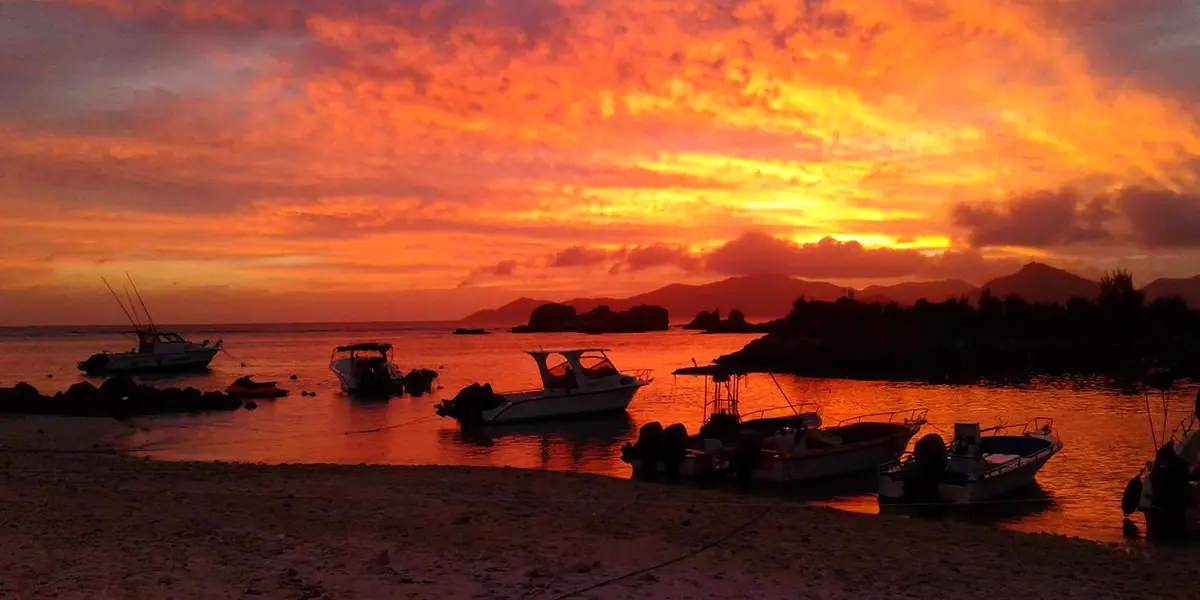
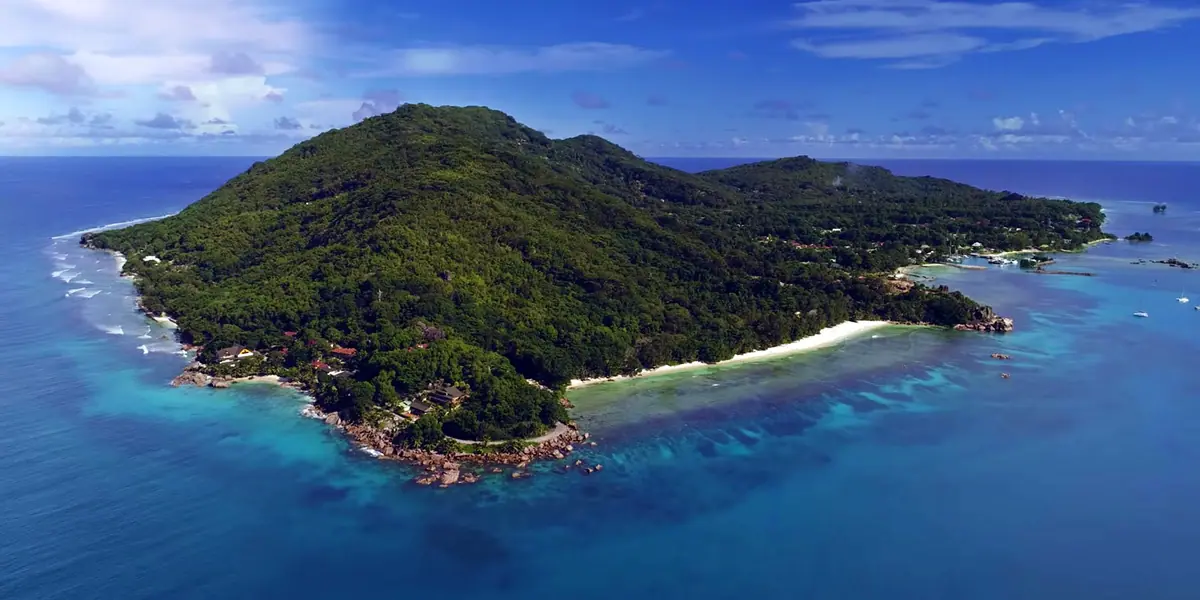
La Digue is part of the group of islands around Praslin. The distance between the second largest and the fourth largest of the Seychelles islands is just 7 kilometres, while La Digue lies about 50 kilometres from Mahé. There is no runway for aircraft, so you depend on a boat or a helicopter. If you come by ferry, you arrive at the jetty at La Passe on the island's west coast.
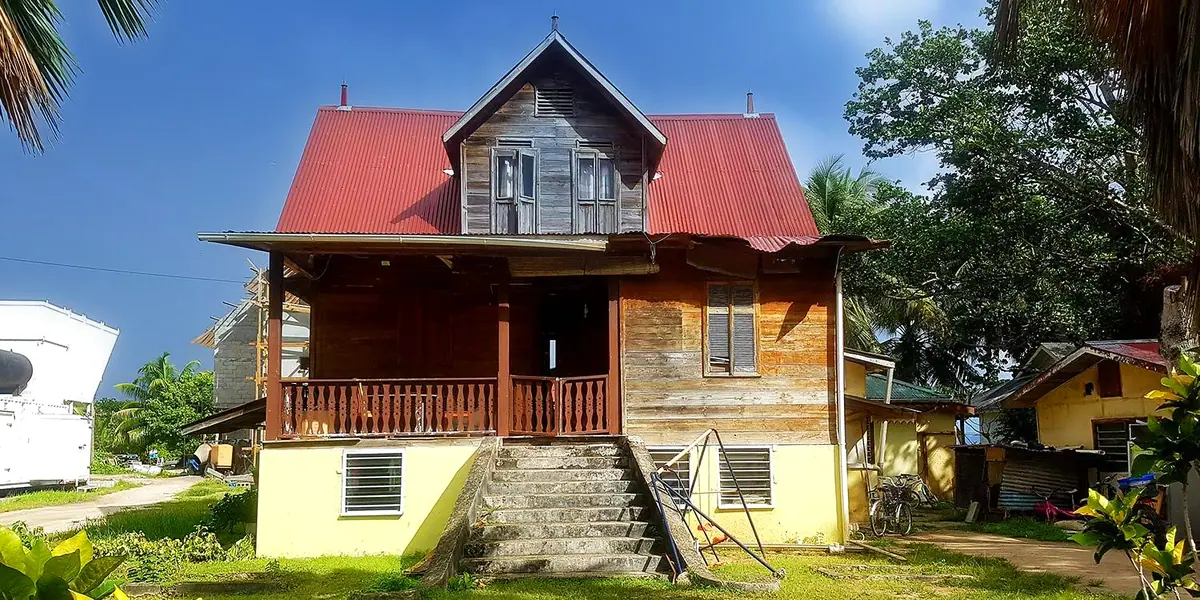
The roughly 3,000 people of La Digue are proud that life on their small island runs at an even more relaxed pace than on the "big" islands. Most people still get around on foot or by bicycle. Cars (which need a special permit) are now seen more and more often, and the ox carts are merely a tourist attraction, but even as a visitor you can clearly feel the calm. Almost all settlements and accommodation are in the western half of the island, which covers just under ten square kilometres, while the east is "wild" and largely left in its natural state.
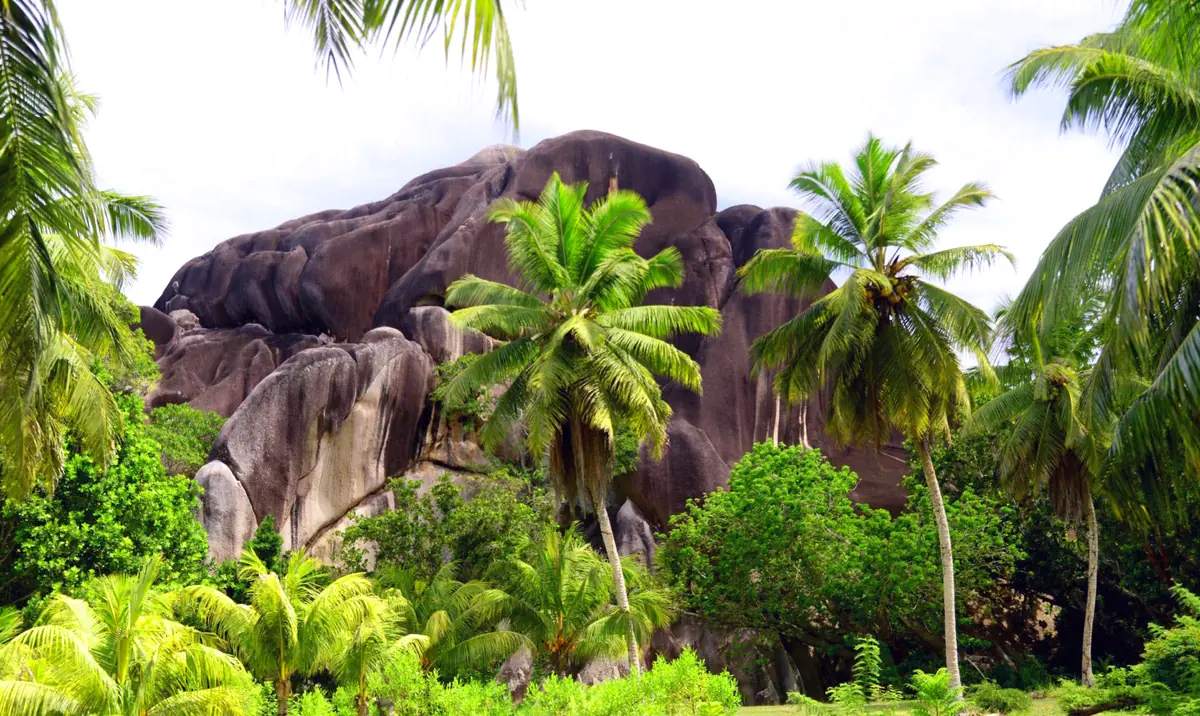
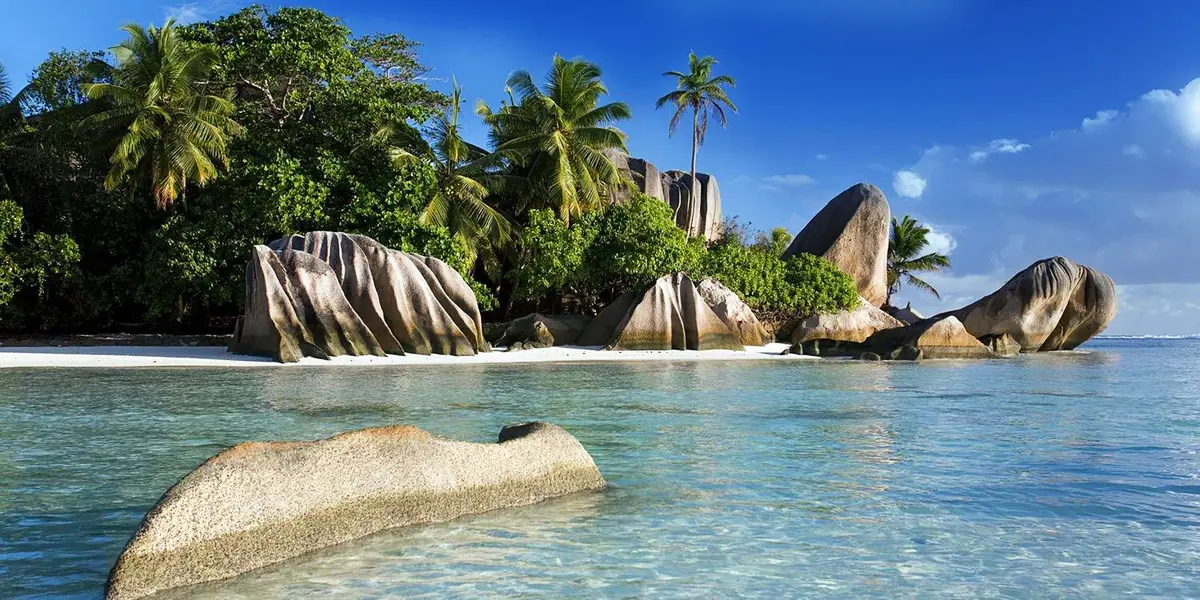
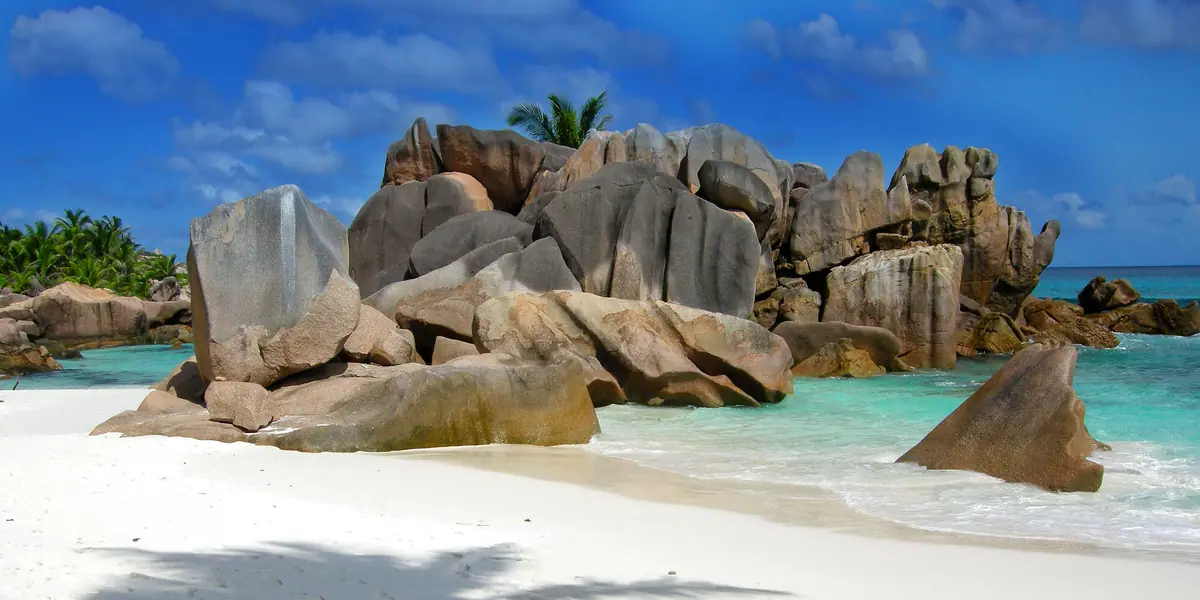
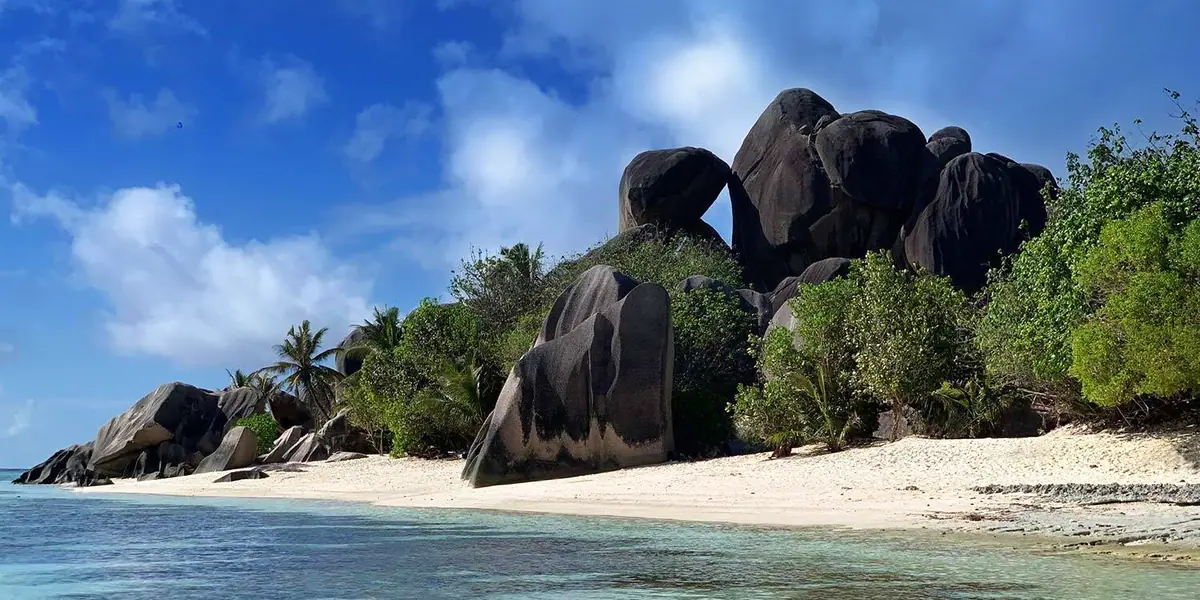
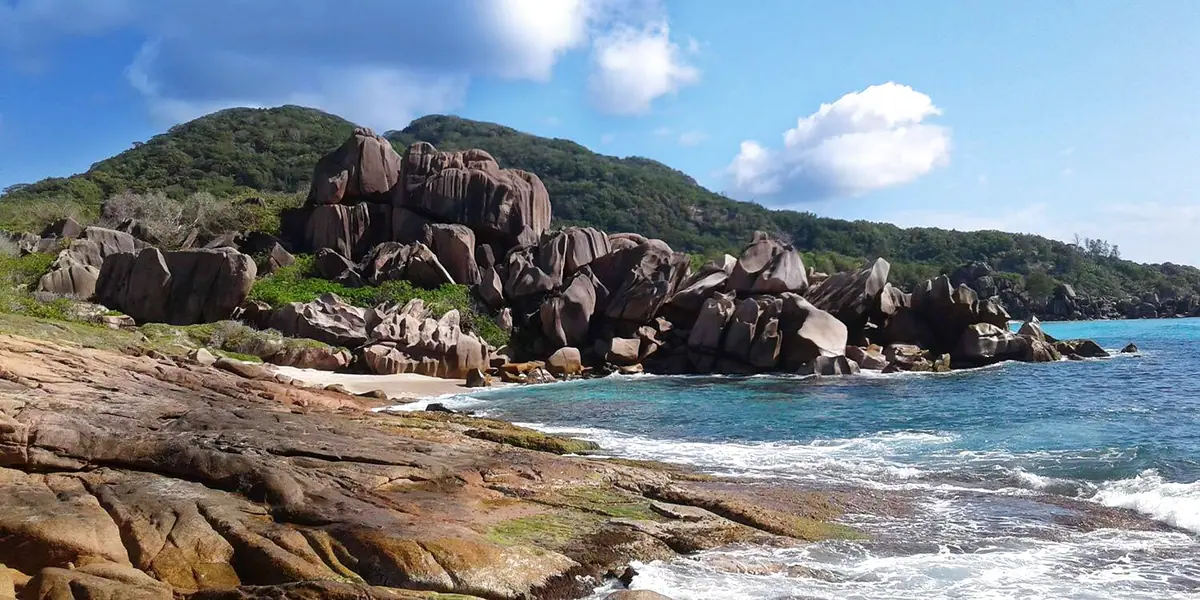
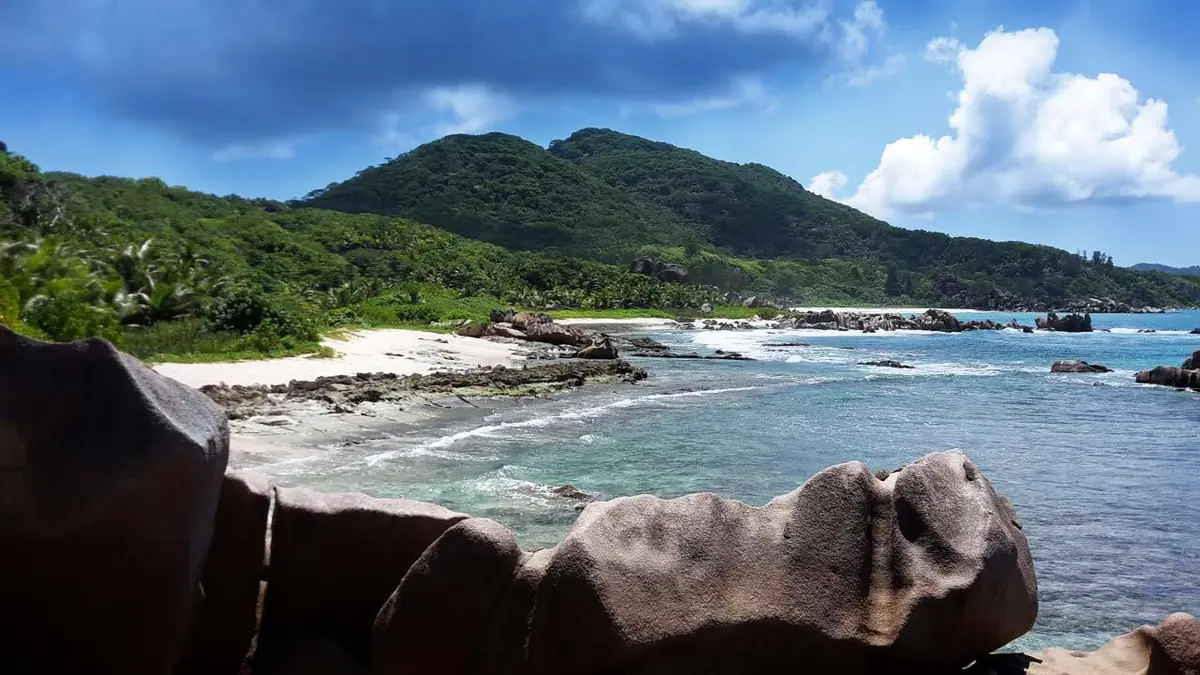
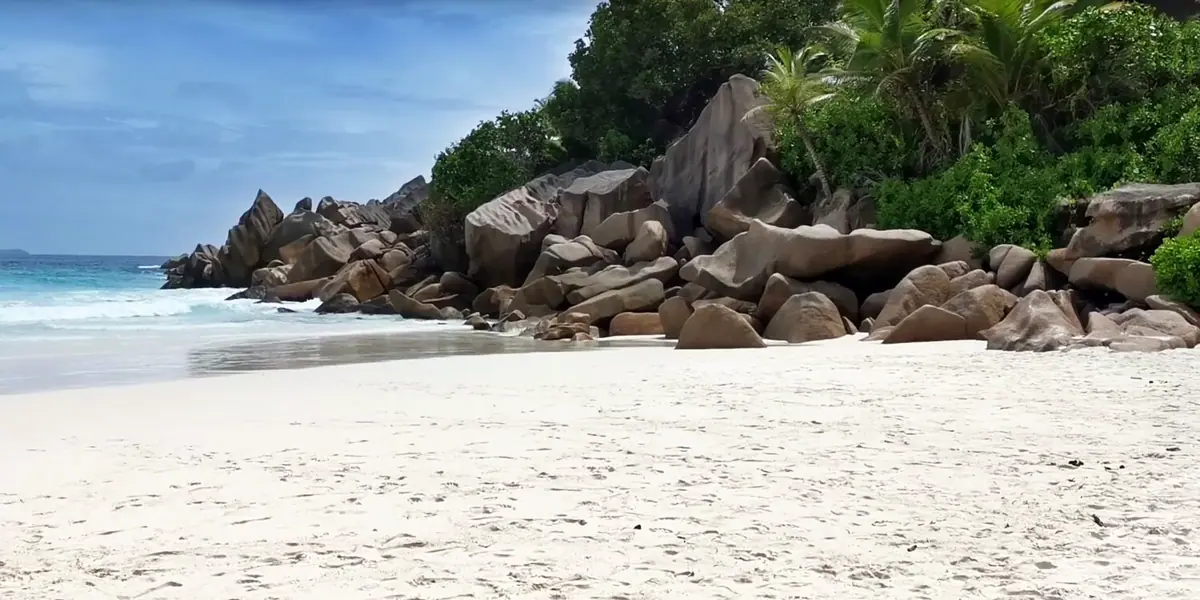
La Digue is without doubt one of the most famous islands in the world, even if not everyone knows its name. The granite rocks at Anse Source d'Argent (in the southwest of the island) make a photo subject found nowhere else on earth, one that turns up again and again in advertising, in fashion magazines and even in big Hollywood productions. Depending on the product being sold or the plot of the film, the beach is sometimes "moved" to the Pacific or the Caribbean, but in reality these huge granite boulders, smoothed by wind and waves, exist only on La Digue.
Getting there and getting around
By ferry
The crossing from Praslin takes about 15 minutes. From Mahé you take the Cat Cocos, and the journey to La Digue involves a change at Praslin. For the short hop from Praslin to La Digue you can usually buy your ticket right at the harbour. For the Cat Cocos from Mahé, book at least two days ahead in high season. On the short route you are allowed 30 kg of checked luggage plus hand luggage. There is no shuttle bus to the jetties, either on Praslin or on La Digue. You can read more about the large ferry on the page Cat Cocos ferry, and general information under Getting around the Seychelles.
| Route | Ferry | Duration | Price per adult, one way (as of November 2026) |
|---|---|---|---|
| Praslin to La Digue | Cat Rose | approx. 15 minutes | €15 plus €1 port fee |
| Mahé to La Digue | Cat Cocos, change in Praslin | approx. 1½ hours | from €68 plus €2 port fee |
| Mahé to Praslin | Cat Cocos | approx. 1 hour | from €56 plus €2 port fee |
By helicopter
If you arrive or leave this way, the helicopter lands at L'Union Estate. It is the faster but considerably more expensive alternative to the ferry. Ask your tour operator or your accommodation for prices and flight times.
Getting around the island
The bicycle is the most important means of transport. You will find rental places around the jetty at La Passe, and many guesthouses also lend out bikes. The usual rate is about 100 to 150 rupees per day (as of November 2026). Check the brakes and the lights, as the roads are mostly unlit in the evening. Cycling at an ordinary pace, you need about an hour to cover the whole island. On foot, it takes around 45 minutes from the jetty to L'Union Estate. Some of the hills are hard going in the heat, and a few beaches can only be reached by short, steep paths.
Beaches
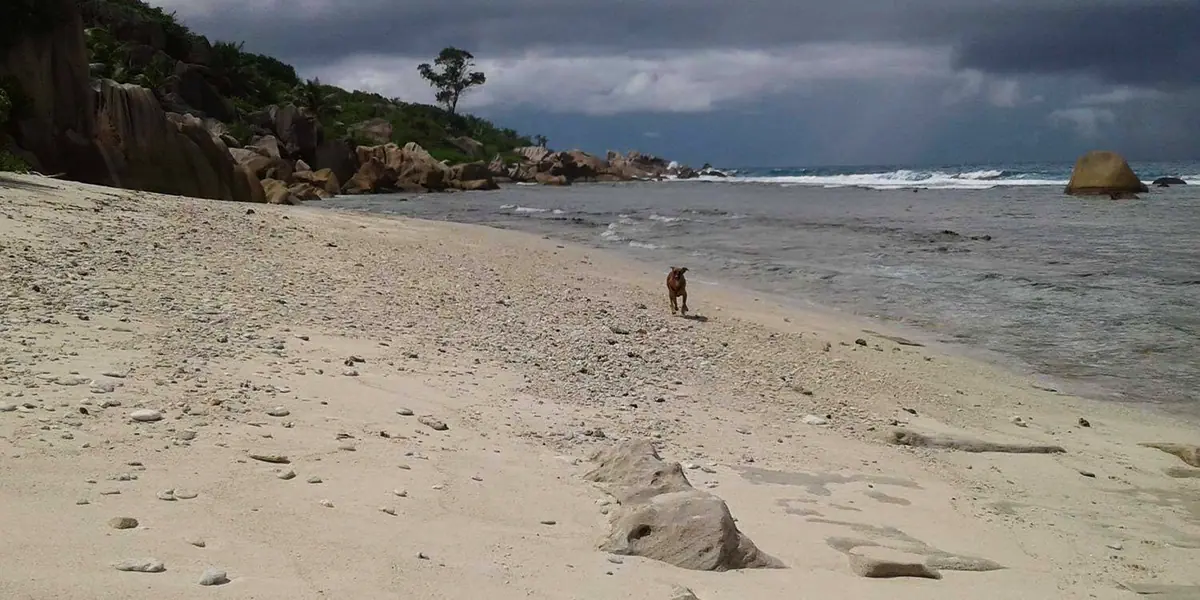
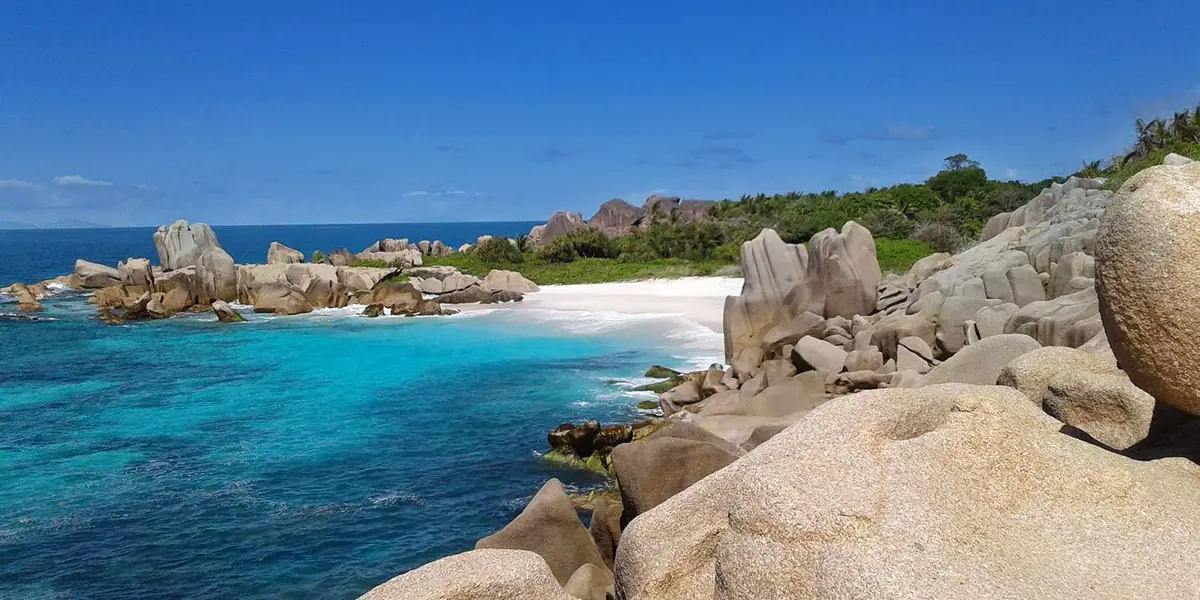
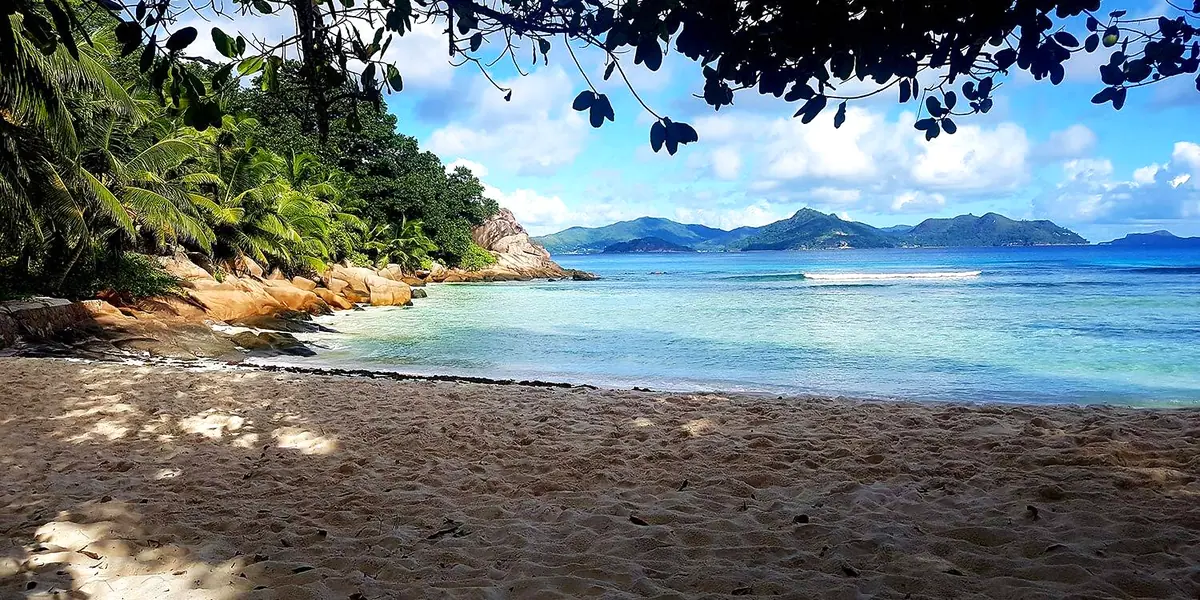
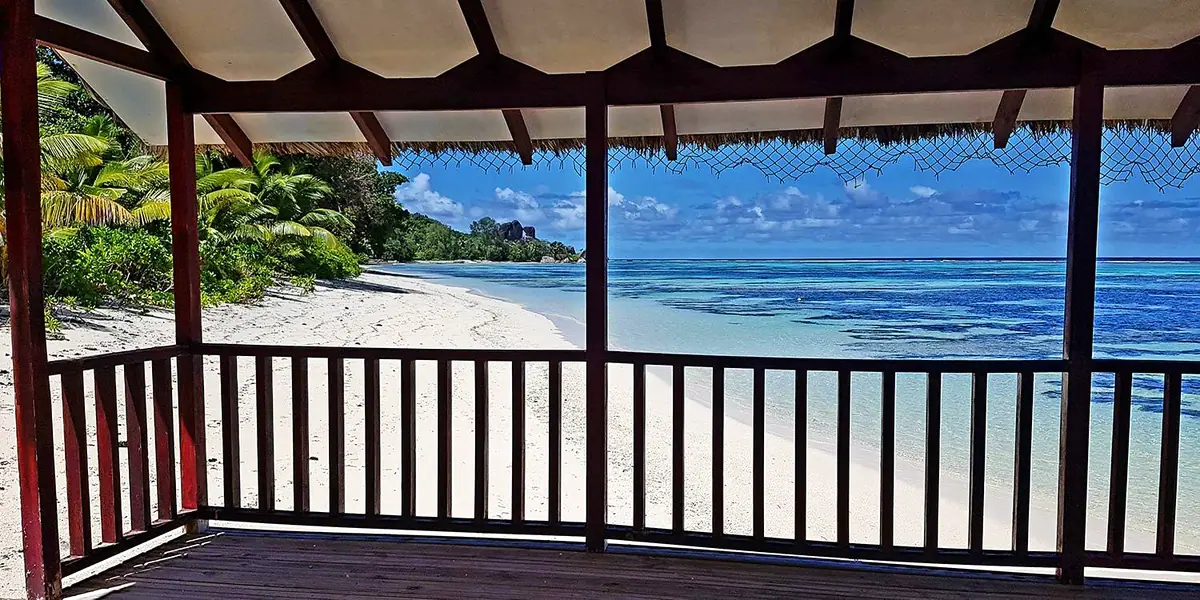
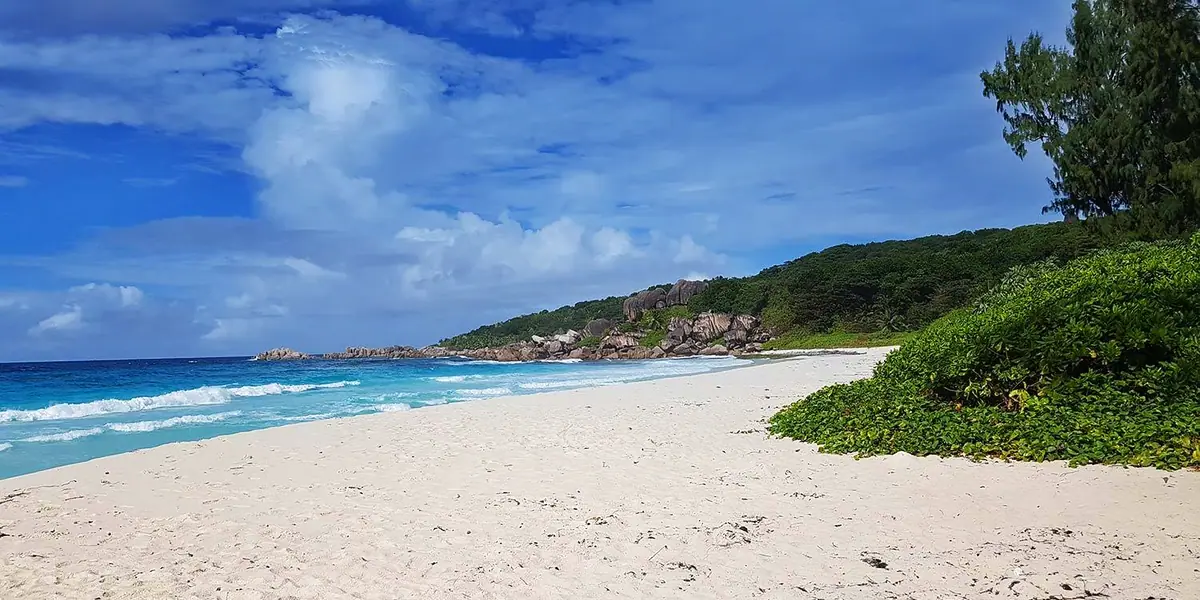
You will also find lovely beaches at Anse Cocos, Grand' Anse and Petit' Anse. These beaches are on the southeast side of the island and can be reached on foot if you keep walking round the island a little beyond Anse Source d'Argent. At low tide you can wade through the water in places, but be careful that the incoming tide does not cut off your way back.
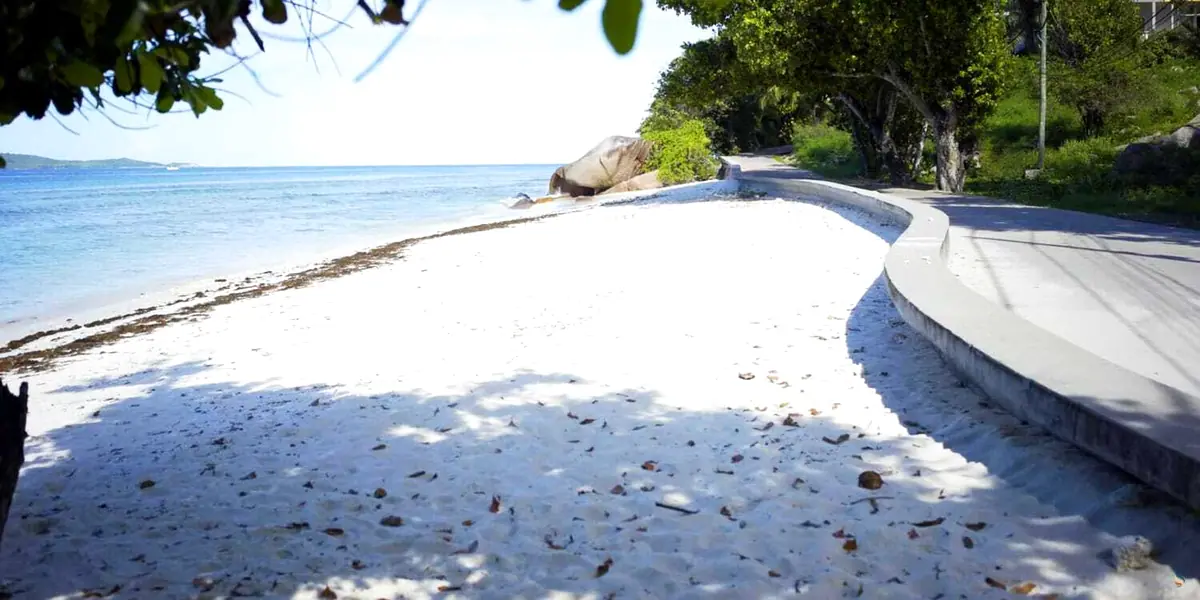
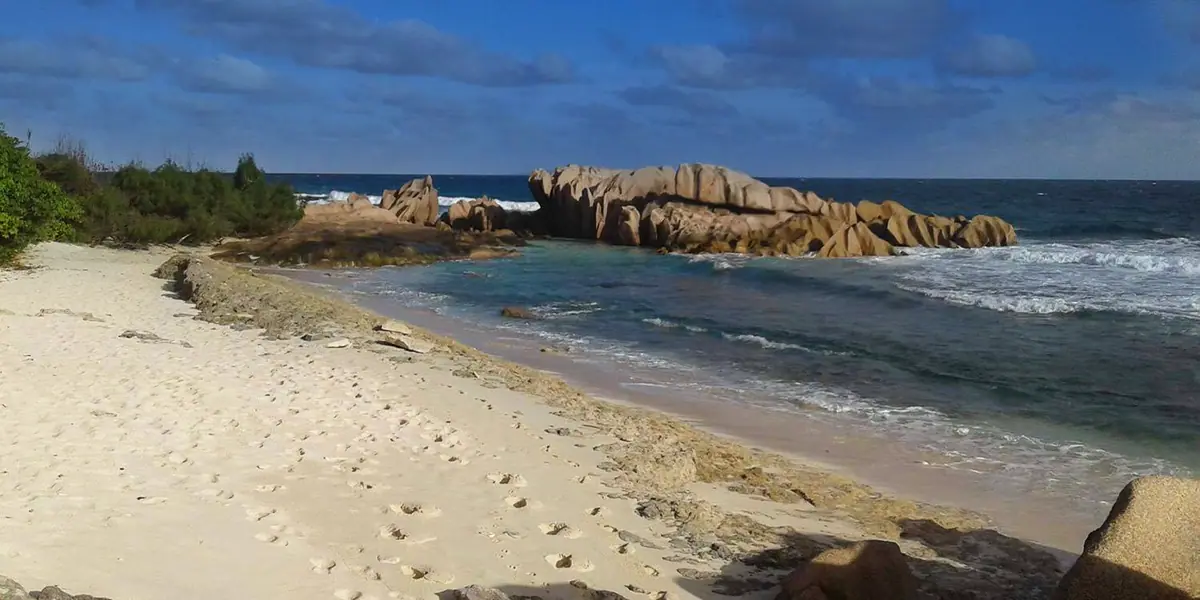
The southeast side is usually quieter, but the currents are stronger. Swim there with caution and never far out. The water is calmer and shallower at Anse Union beside L'Union Estate, where a reef breaks the waves. Other beaches with their own pages are Anse Sévère, Anse Patates, Anse La Réunion, Anse La Passe, Anse Bonnet Carré, Anse Pierrot, Anse Gaulettes, Anse Songe and Anse Marron. For an overview of the finest stretches of coast across the whole archipelago, see the page Dream beaches.
Sights and walks
L'Union Estate and Anse Source d'Argent
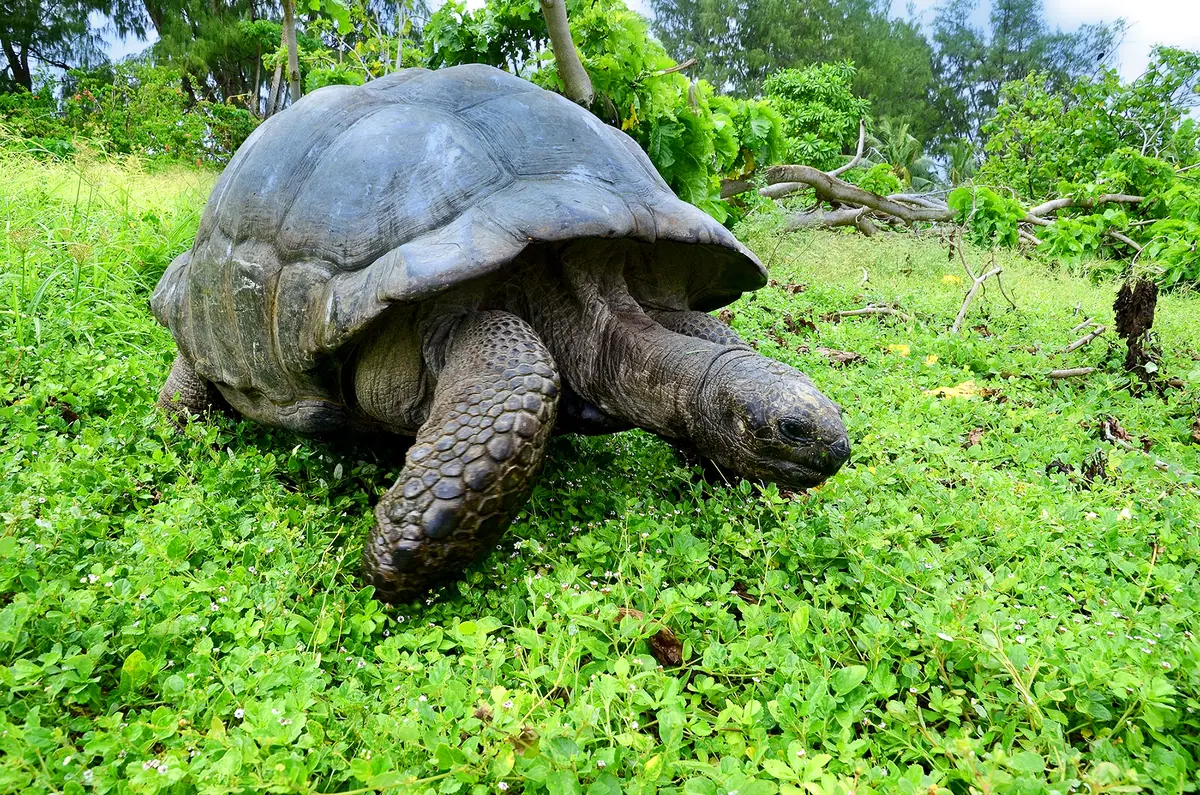
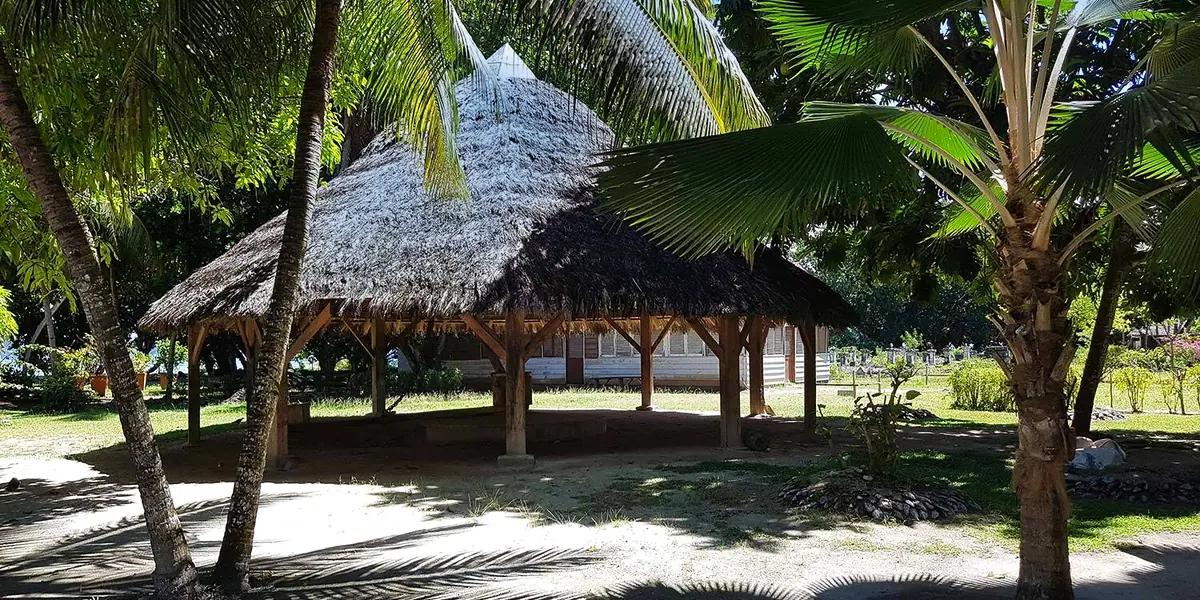
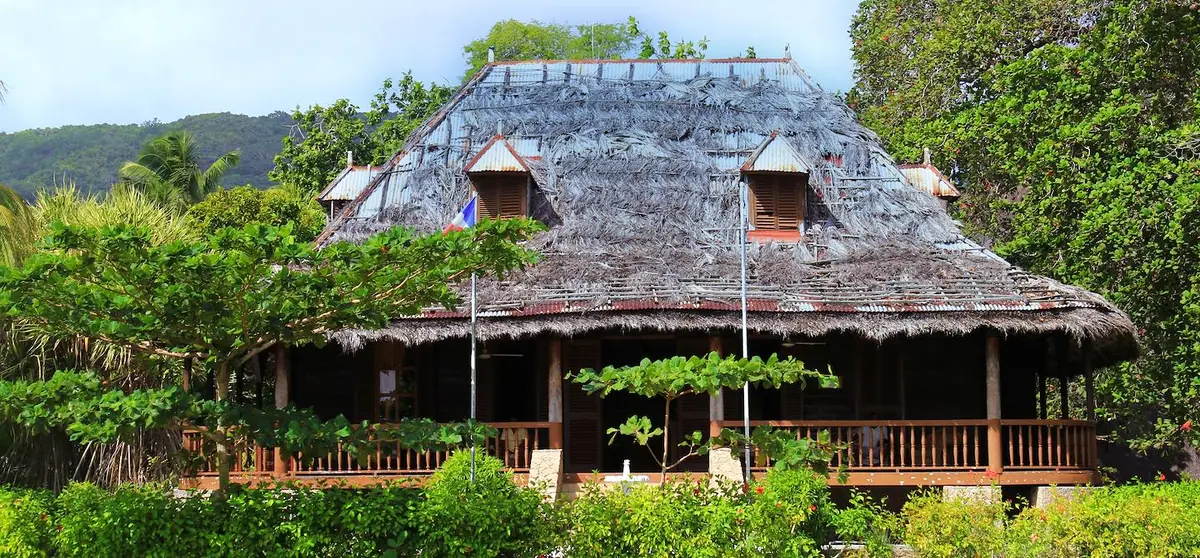
To reach Anse Source d'Argent you pass through L'Union Estate, where you have to pay an entry fee, but where you can, among other things, look round an old copra mill. There are also a few giant tortoises to see, a coconut plantation, a colonial-era presidential villa (Plantation House) and an old cemetery where some of the first settlers are buried. From the entrance to the beach it is about a kilometre. Set off as early as you can, because most day visitors do not arrive until around midday.
Veuve Reserve
In the interior you can climb the Nid d'Aigle ("Eagle's Nest"), even if only to get a good overview of the islands from about 333 metres above sea level. La Digue is also home to the extremely rare Seychelles paradise flycatcher, a small bird that "owns" its own nature reserve in the middle of the island. The reserve bears its Creole name (vev = widow), and two small, very rare species of terrapin can also be found here.
The Veuve Reserve is near Anse La Réunion. According to the park authority, it is open Monday to Friday from 8 am to 4 pm and on Saturdays from 9 am to 3 pm. The information on the fee is contradictory: some sources give 150 rupees, others say entry is free in return for a donation. Ask at the visitor centre for the current situation. You can also book a guide there to show you the birds.
Walks
It is possible to walk right round the island. For a tour of this kind, about 10 km long and not entirely on paved and clearly marked paths, allow at least four hours. Plan around the tides, take plenty of water and wear sturdy footwear. The walk to Anse Marron is considered demanding, and a guide who knows the area is advisable. You will find more routes under Hiking in the Seychelles.
The Granite Boulder and the Green Gecko Gallery are also worth a detour.
Accommodation, food and practical tips
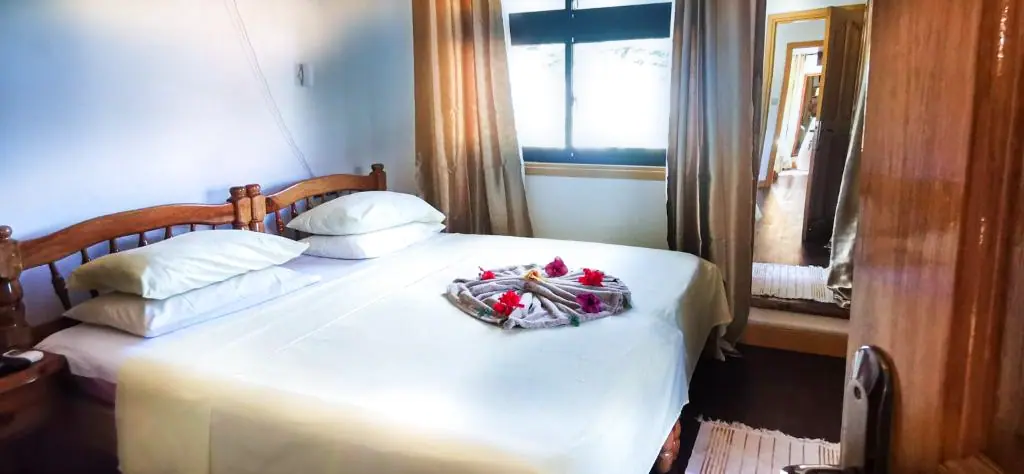
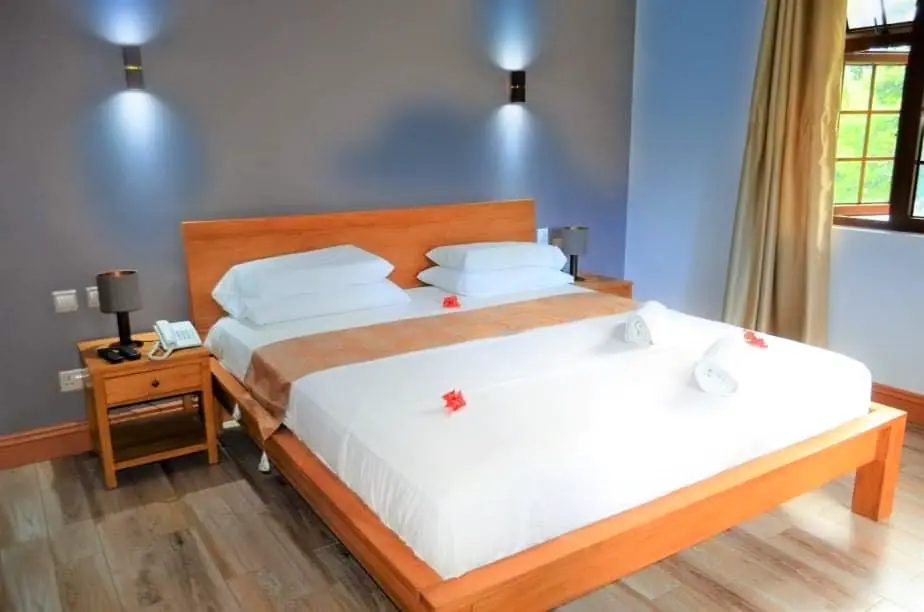
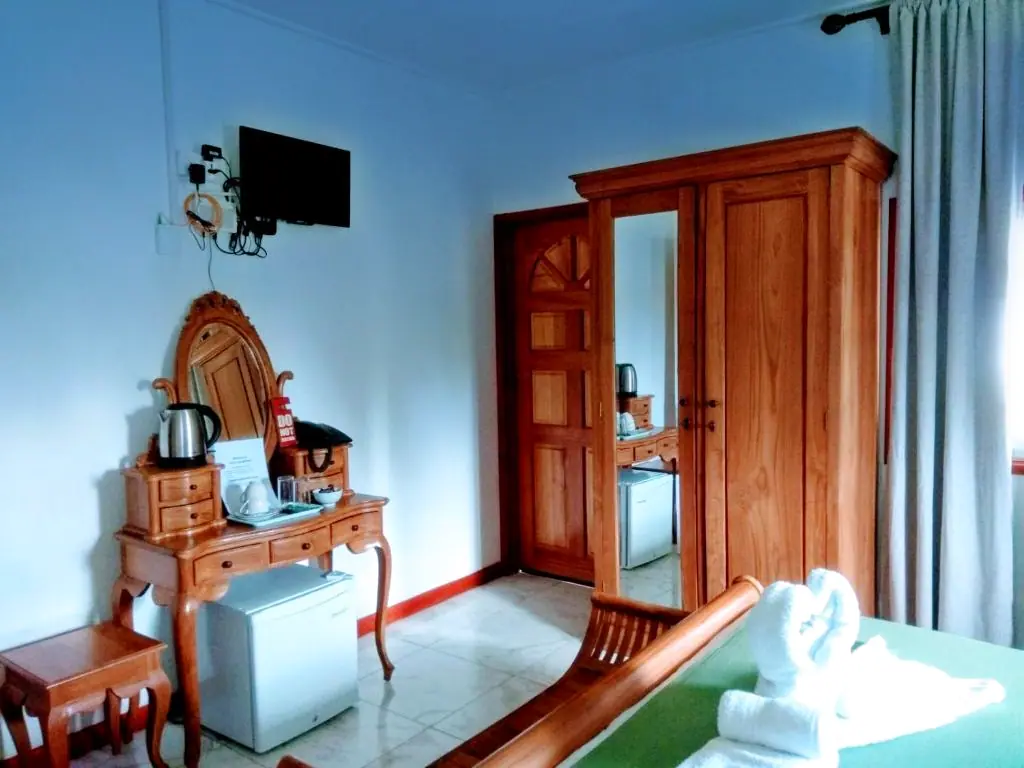
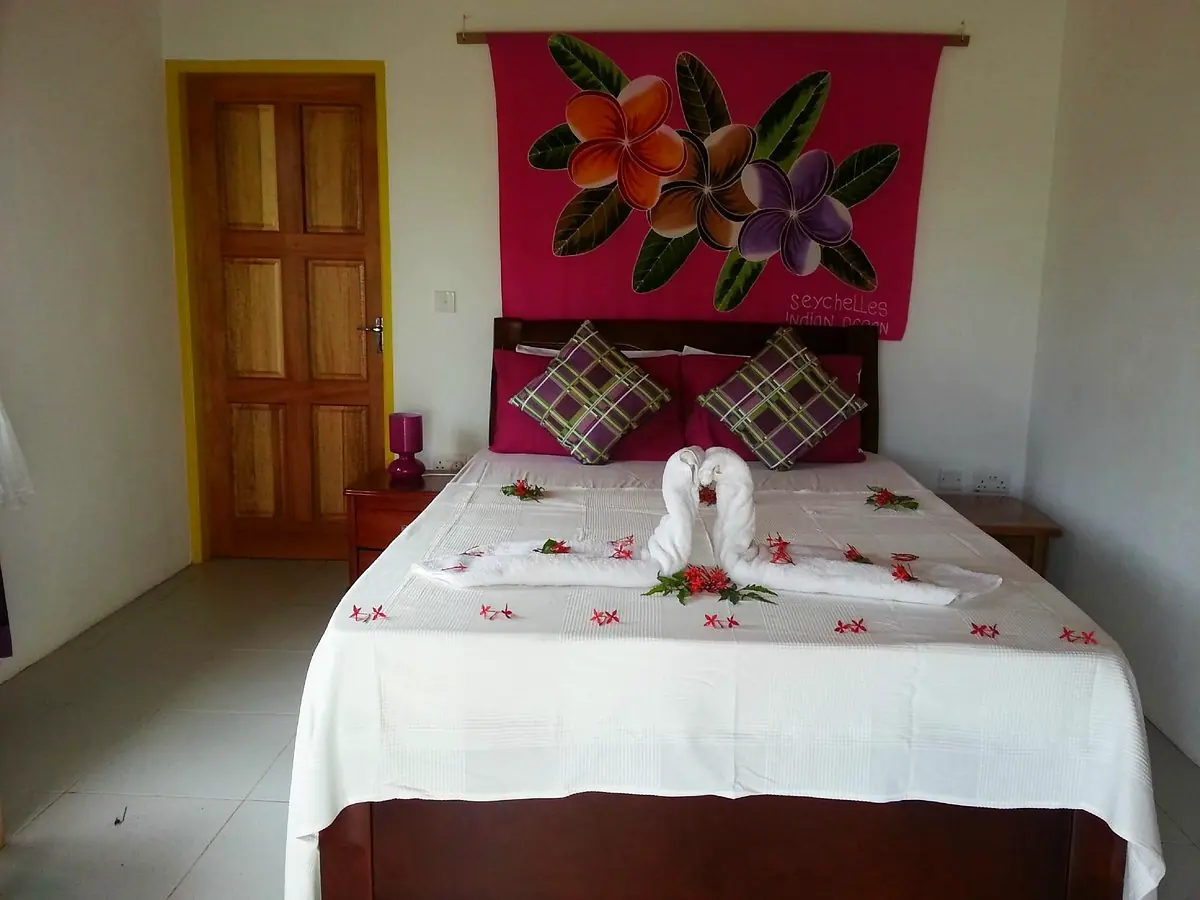
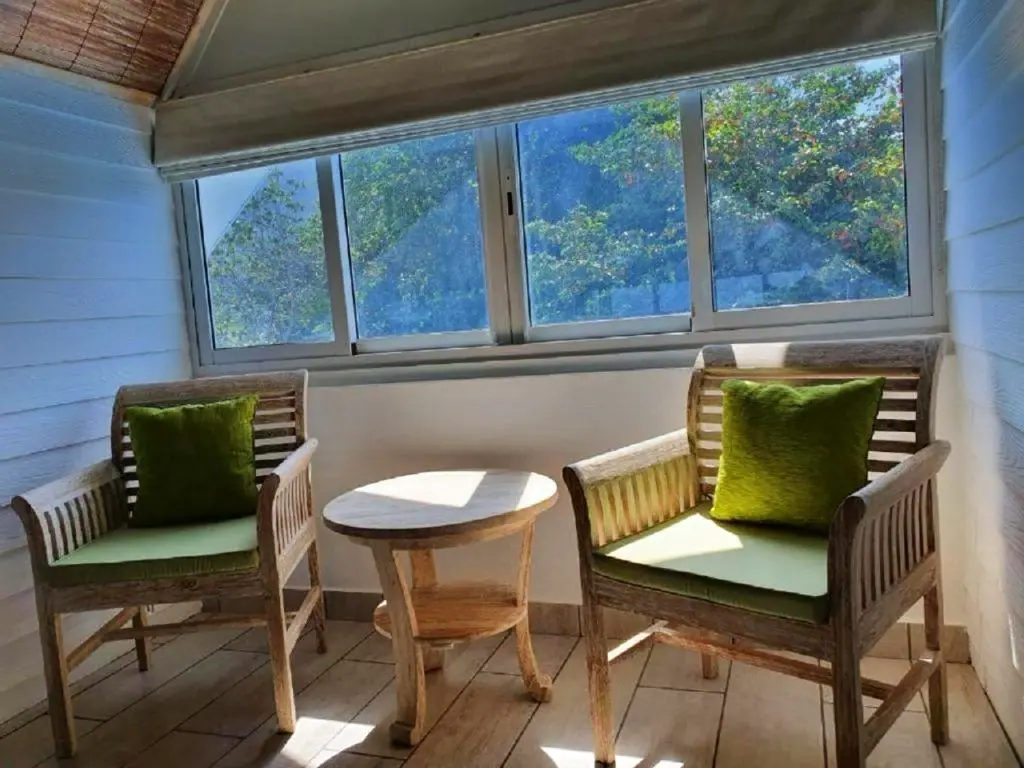
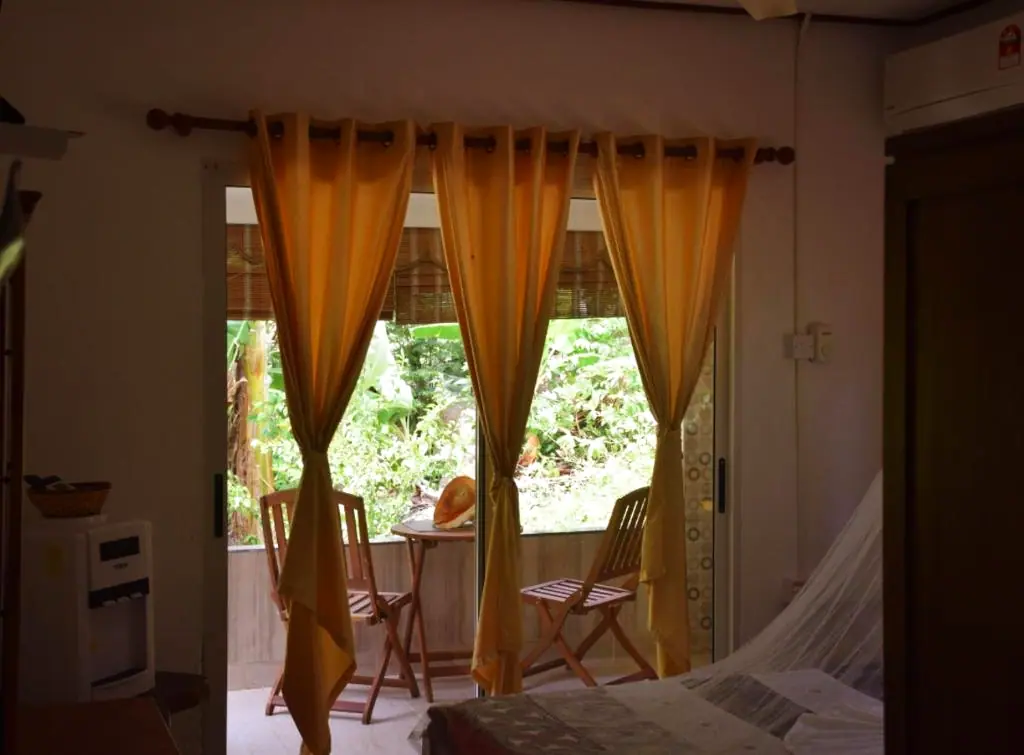
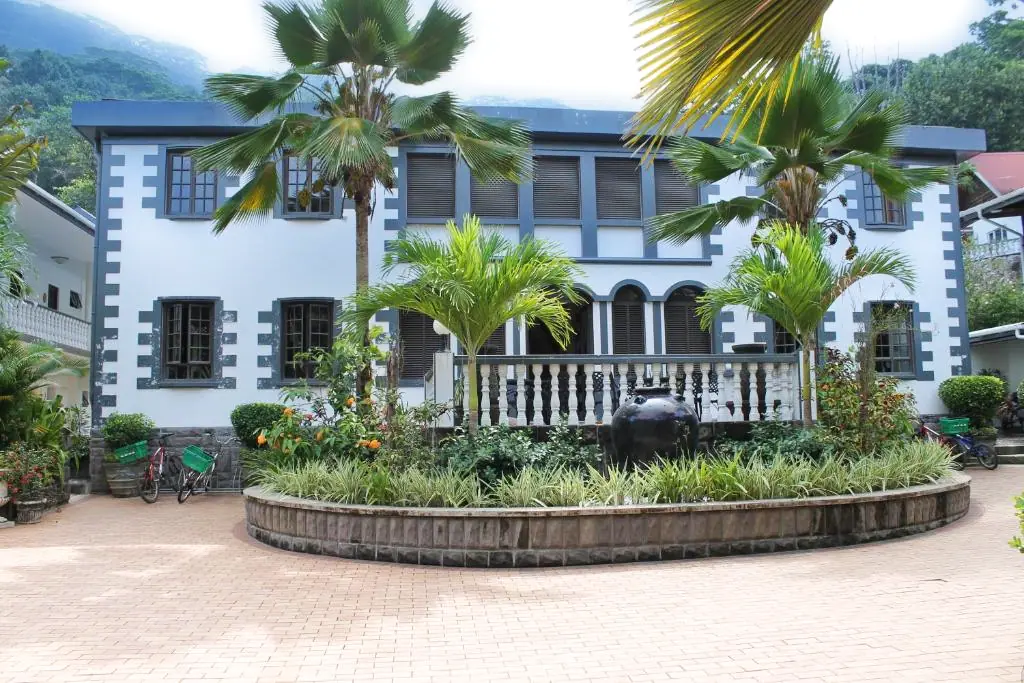
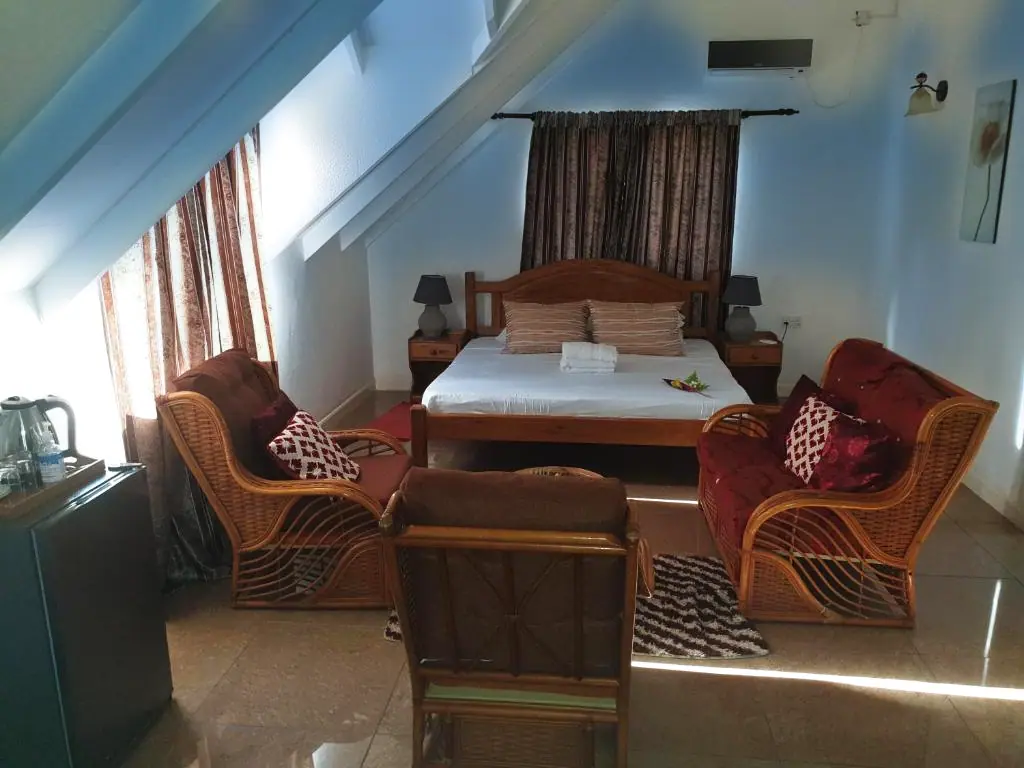
Almost all accommodation is in the western half of the island, much of it close to La Passe. You will find suitable options under accommodation on La Digue, and places to eat under restaurants on La Digue.
Bring cash, especially for bike hire, entrance fees and small local eateries. Shops and takeaways are concentrated around La Passe, and in the east there is hardly anything. Medical care on the island is limited to basic services. Your accommodation can tell you where the nearest doctor is, and travel health insurance that covers repatriation is a sensible precaution. For more on preparing for your trip, see the travel checklist.
Rain on La Digue can be heavy, but it usually lasts only about an hour. For more on weather and seasons, read Best time to travel and Climate and weather.
Day trip or overnight stay
A day trip from Praslin is perfectly doable: take the first ferry, hire a bike and get to L'Union Estate early, and you will have Anse Source d'Argent largely to yourself. One day is hardly enough, though, for the south-east coast, a ride around the island or the Veuve Reserve. If you stay two or three nights, you will see the island after the last ferry has left, when things go quiet. Boat trips to neighbouring islands such as Grande Sœur, Petite Sœur, Cocos Island and Félicité also leave from La Digue. Ask locally about operators and prices. For snorkelling and diving trips, see Diving and snorkelling. The neighbouring island of Praslin combines well with La Digue.