The Seychelles have a short history, because until the 18th century nobody lived here permanently. This page summarises how the islands were discovered, settled and became independent, and shows where you can visit the traces of that past today. The individual dates are in the timeline further down. For more on the past and on life here today, see the overview History of the Seychelles.
Discovery and names of the islands
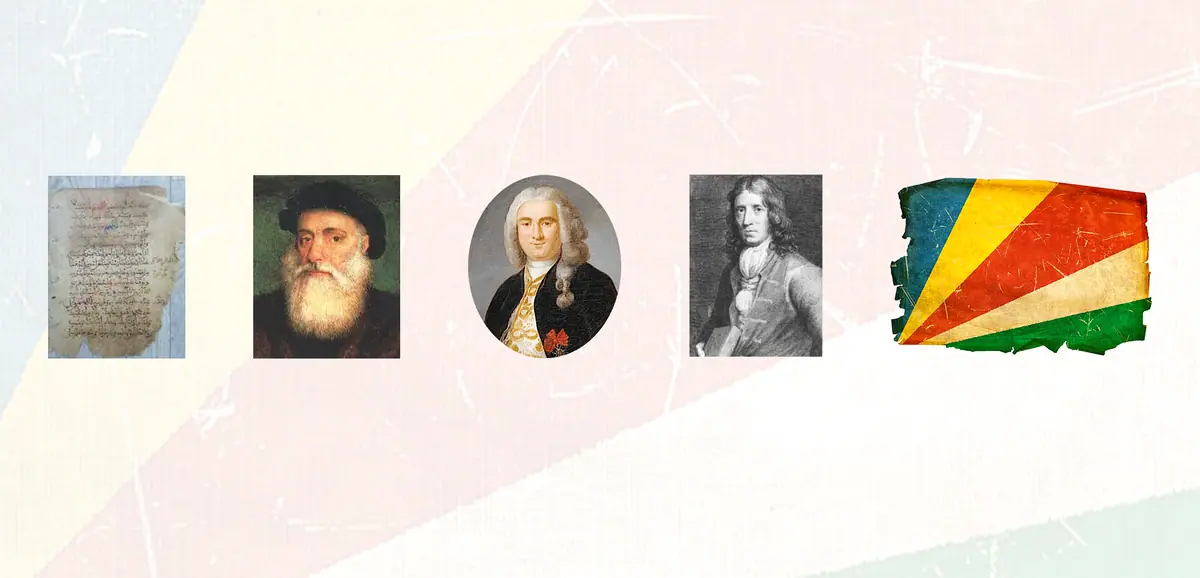
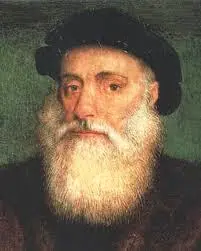
Very old Arabic documents mention the Seychelles as early as AD 850. Three men, however, matter most for the actual discovery of the islands. Vasco da Gama was probably the first, historically speaking, to catch sight of the Seychelles, around 1502. In the early 1740s Bertrand François Mahé de La Bourdonnais sent a fleet, made up of the ships Elisabeth and Charles, into Indian waters. On board was Captain Lazare Picault, who finally discovered the Seychelles on 21 November 1742, when he anchored off the island he named L’Île d’Abondance to look for fresh water. The island of Mahé was later renamed after Bertrand François Mahé de La Bourdonnais. This was done in 1744 by Lazare Picault, who wanted to express his gratitude.
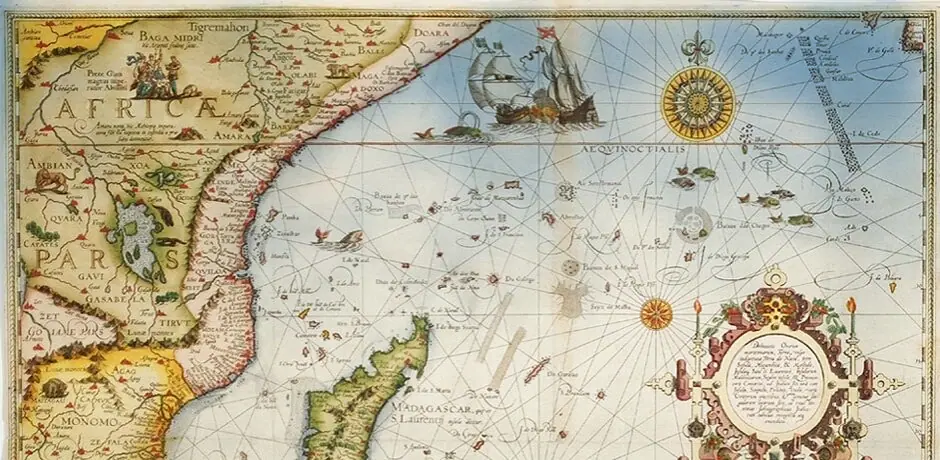
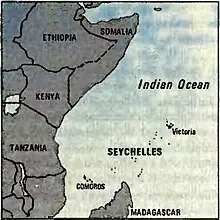
La Bourdonnais was then governor of Mauritius (Île de France) and wanted the islands north-east of Madagascar to be charted. A Portuguese map of 1502 also records the islands, and according to the timeline the first maps showing the "Sisters" date back as far as 961. The first documented landing is generally taken to be a visit by sailors of the English East India Company in 1609. The sources for this early period are thin and not consistent on every point. Before 1770 the islands were not permanently inhabited.
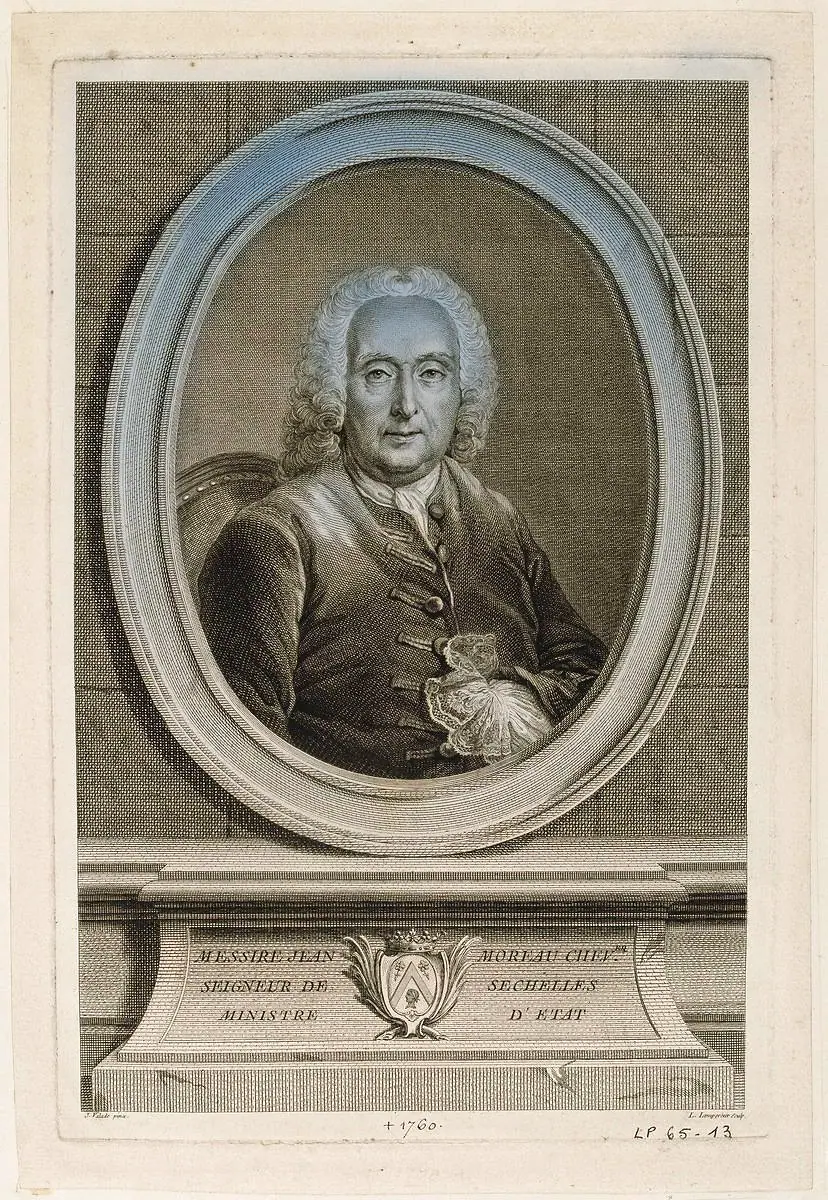
The name of the island group goes back to a later decision. In 1756 the islands were named after Jean Moreau de Séchelles, finance minister to Louis XV. The British later turned "Séchelles" into "Seychelles".
| Name | Date | Background |
|---|---|---|
| Île d’Abondance | 1742 | Name Picault gave to the main island |
| Mahé | 1744 | Named after the governor of Mauritius |
| Séchelles | 1756 | Island group named after the French finance minister |
| Seychelles | after 1810 | English spelling under British administration |
Settlement and colonial period
The French period
France took possession of the islands in 1756. Captain Corneille Nicolas Morphey placed a claim stone on Mahé, the Stone of Possession. It is regarded as the oldest monument in the Seychelles and is now on display in the National Museum in Victoria.
The first permanent settlement was not founded until 1770, on the island of Sainte Anne. On 27 August 1770 the ship Thélémaque landed there with about 15 white settlers, along with enslaved people and others from Africa and India. The French were interested in the islands' position on the route to India and wanted to grow spices to break the Dutch monopoly. In 1778 the settlement of Établissement du Roi was founded on Mahé, and it later became Victoria.
A figure from 1789 shows how society was structured: at that time 591 people lived on the islands, 487 of them slaves. The roots of the Creole population lie in this period. You will find more under Society and Culture.
The British period
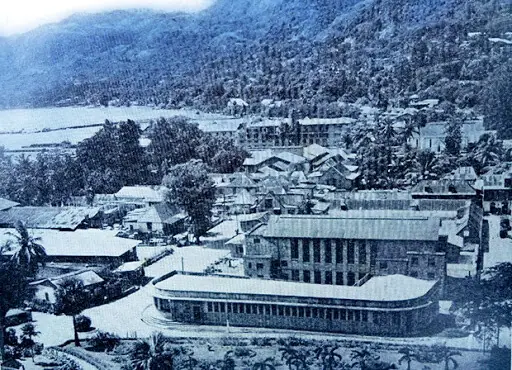
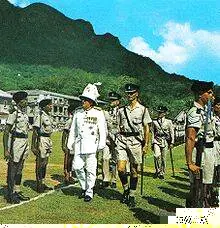
After Mauritius fell to the British, Britain took over the Seychelles too, in 1810 and 1811. Until 1903 they were administered from Mauritius. On 10 November 1903 the Seychelles became a crown colony in their own right, with a governor. Between 1903 and 1976 eighteen governors ruled the islands.
Timeline
- ca. 850 nach Chr.
An Arabic document mentions the "high islands" said to lie on the far side of the Maldives
- 961
The first maps showing the so-called "Sisters", meaning the Seychelles, appear
- 1502
On his way to India, Vasco da Gama sights the outer islands of the Seychelles.
- 1609
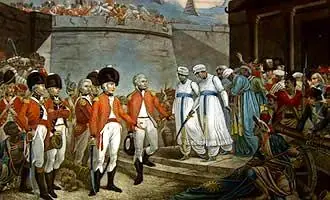
The British East India Company lands on Mahé with the ship Ascension.
- 1742
The French take possession. The French captain Lazare Picault discovers the Seychelles on behalf of France, and French planters and their African slaves settle on the islands.
- 1744
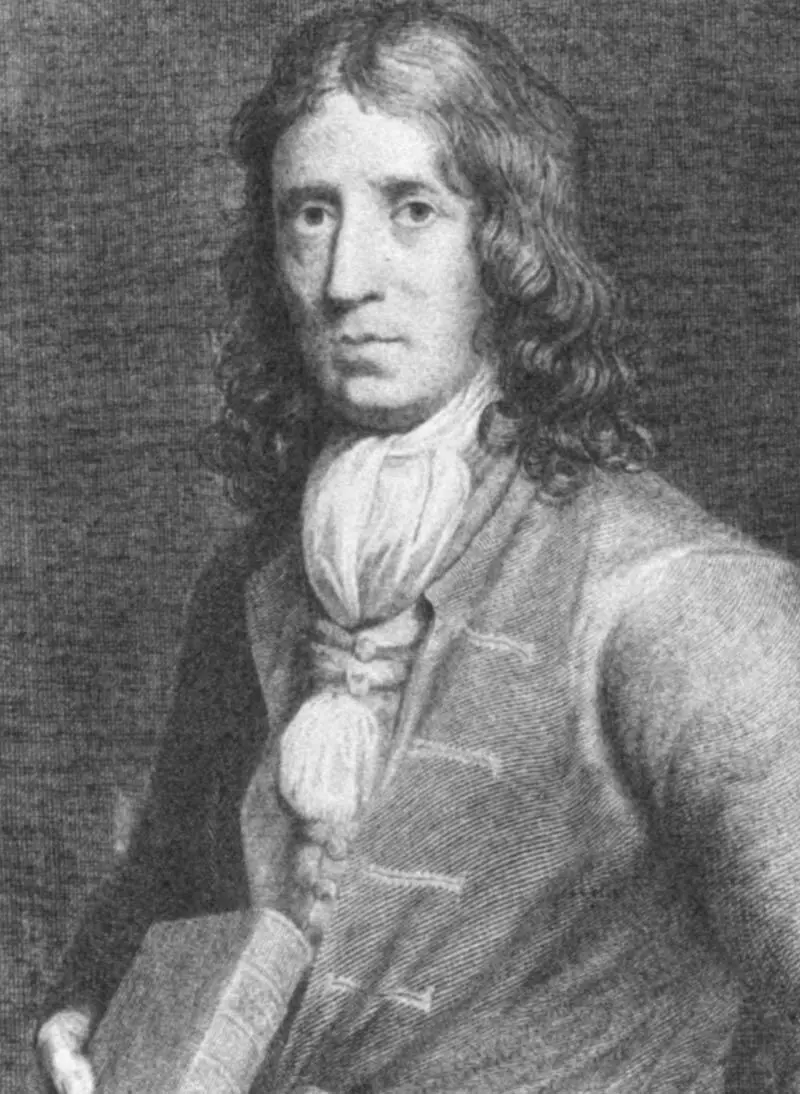
Lazare Picault names the main island of the Seychelles Mahé.
- 1756
France lays claim to the island of Mahé and renames the Seychelles in honour of Jean Moreau de Séchelles.
- 1770
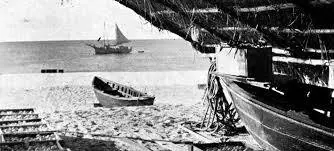
27 August 1770. Captain Leblanc Lecore brings the first colonists to the Seychelles aboard his ship, the Thélemaque: 15 white men, eight Africans and five Indians. The French settle on St. Anne.
- 1778
A small French garrison is set up in what is now Victoria on Mahé. Around 1790 it is taken over by the inhabitants of the Seychelles.
- 1794
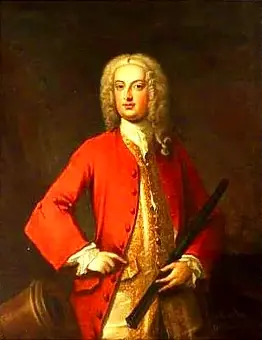
The British frigate Orpheus, under the command of Captain Henry Newcome, arrives at Mahé on 16 May 1794.
- 1814
After the Napoleonic Wars, sovereignty over the Seychelles passes to the British, who administer the archipelago from Mauritius.
- 1818
The Seychelles as a British colony. The islands officially become a British colony. They have just under 8,000 inhabitants, who are relatively prosperous thanks to the cotton trade. Later, as cotton prices fall, coconut plantations are established.
- 1835
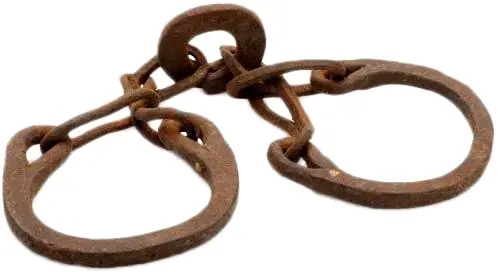
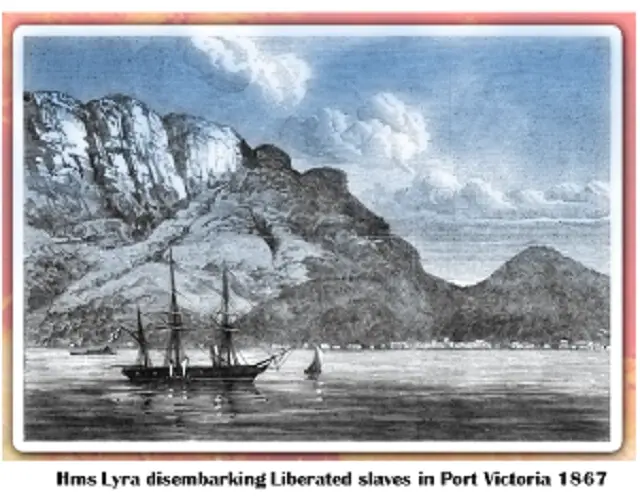
Slavery is officially abolished in the Seychelles.
- 1841
The settlement of L’Etablissement, as the French called it, is renamed Victoria.
- 1862
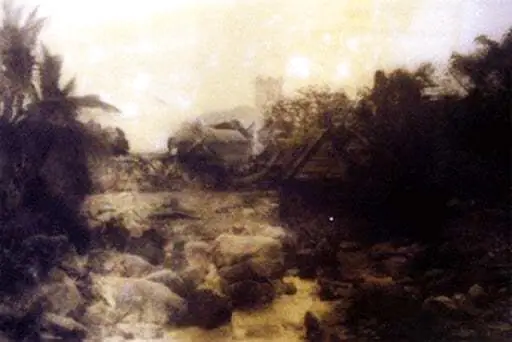
A mudslide claims 70 lives in Victoria.
- 1900
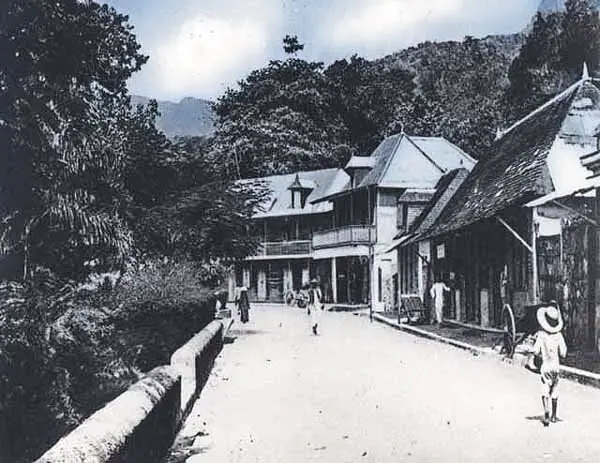
The Seychelles have about 19,000 inhabitants. The main crop is vanilla, and there is also trade in copra and cloves.
- 1903
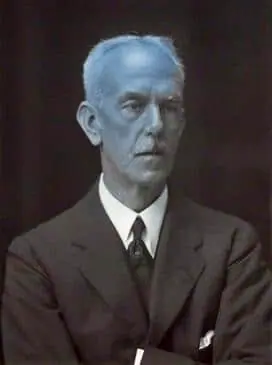
Under Governor Sweet-Escott, the Seychelles become a separate Crown colony.
- 1914-1918
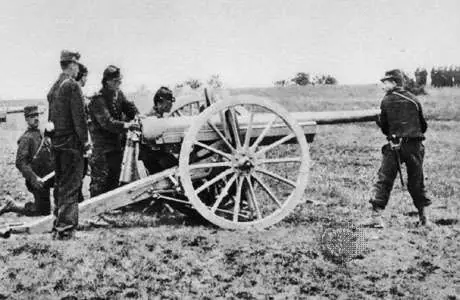
During the First World War, poor supplies and a weak economy leave the population of the Seychelles undernourished.
- 1926
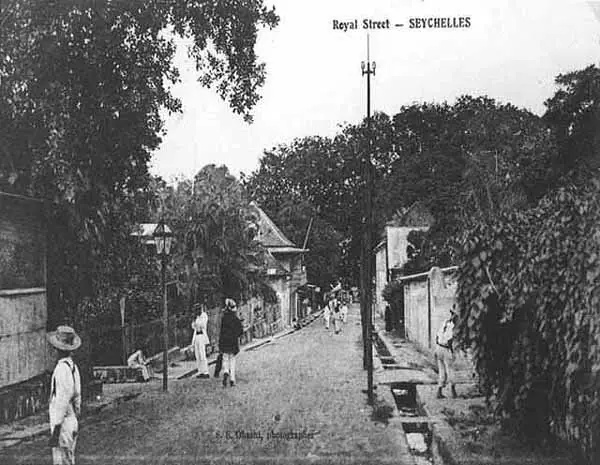
The islands are connected to electricity and telephone lines.
- 1930
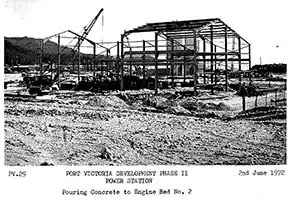
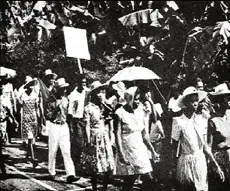
Political awareness among the population grows. People join together in groups such as the League of Coloured People and the Taxpayers’ Association.
- 1939-1945
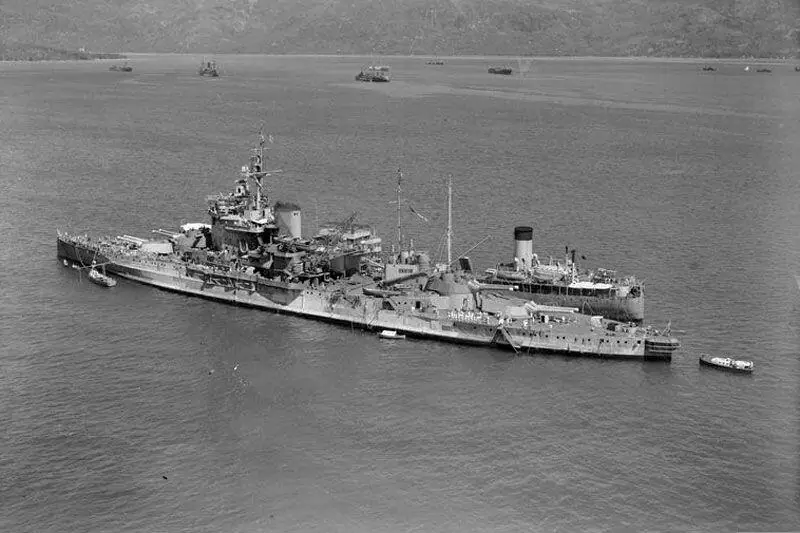
During the Second World War, the islands serve as a refuelling stop for warships.
- 1948
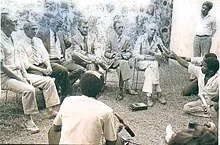
A representative assembly is introduced.
- 1964
The Seychelles People’s United Party (SPUP) of France Albert René and the Seychelles Democratic Party (SDP) of Sir James Mancham are founded. The independence movement begins. The socialist-oriented SPUP is the first to call for early independence, while the SDP argues for closer ties with Great Britain.
- 1967
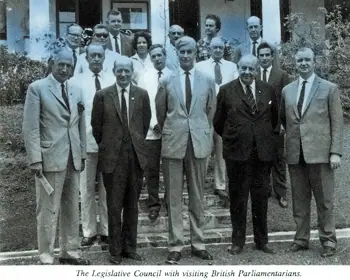
Universal suffrage is introduced.
- 1970
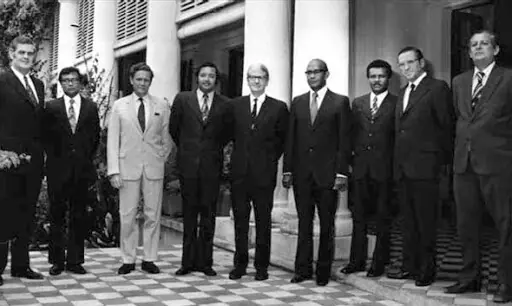
The constitution is reformed, setting the course towards independence.
- 1972
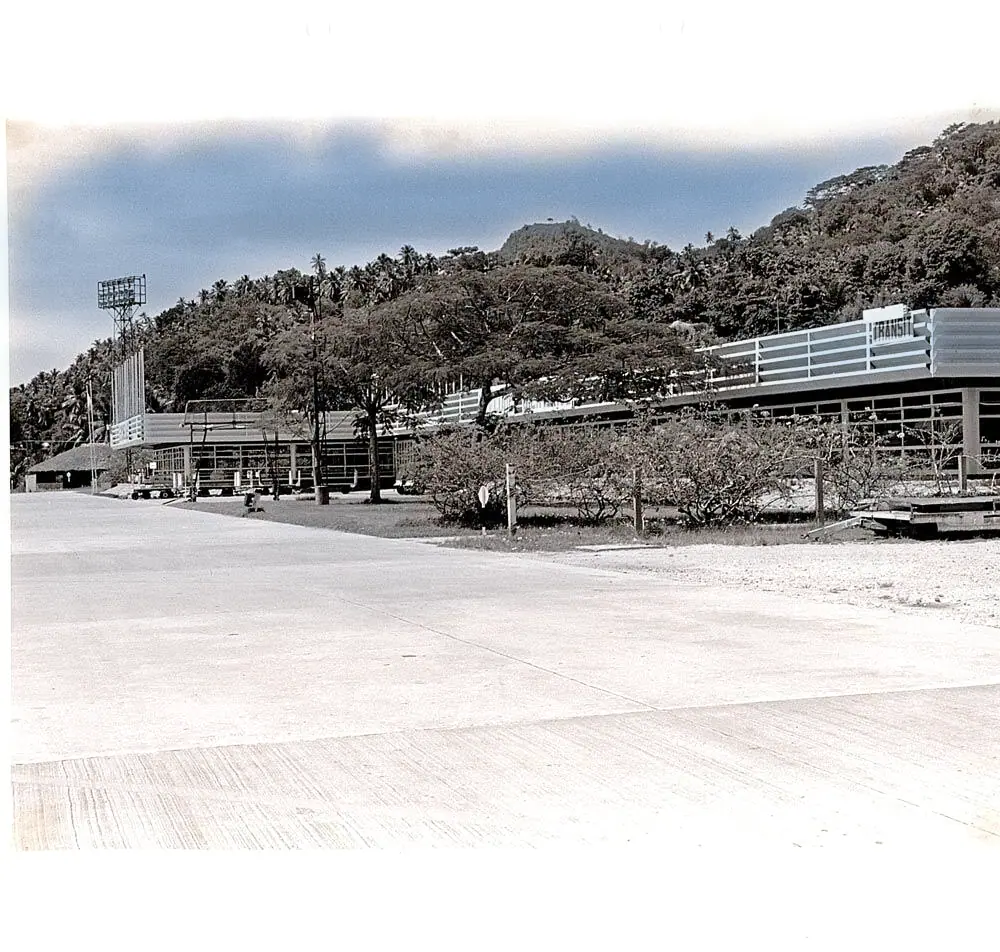
The international airport on Mahé is completed and officially opened on 20 March 1972 by Her Majesty Queen Elizabeth II. This lays the foundation for the prosperity of those working in the tourism industry.
- 1975
The Seychelles are granted internal self-government.
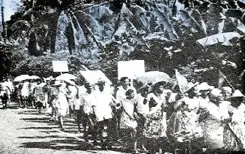
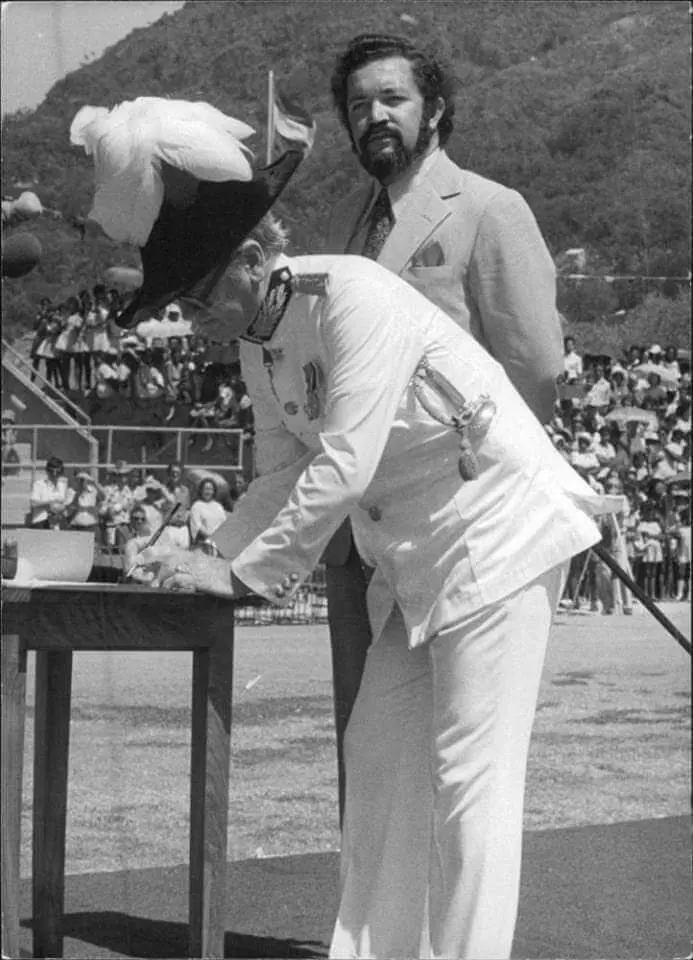
- 1976
On 29 June 1976, Great Britain grants the Seychelles independence. Under British pressure, a grand coalition is formed. In a presidential system, Mancham (SDP) becomes head of state and René (SPUP) prime minister.
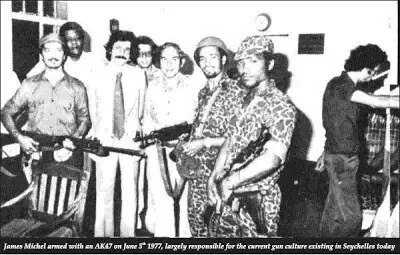
- 1977
The Seychelles as a one-party state. On 5 June, a coup initiated by René overthrows the strongly pro-Western Mancham. Under the new president René, the republic becomes a socialist one-party state on the Tanzanian model.
- 1978
The SPUP is renamed the Seychelles People’s Progressive Front (SPPF) and reshaped into the single socialist party.
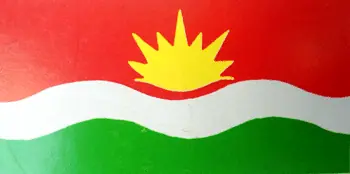
- 1979
The one-party system is enshrined in a new constitution
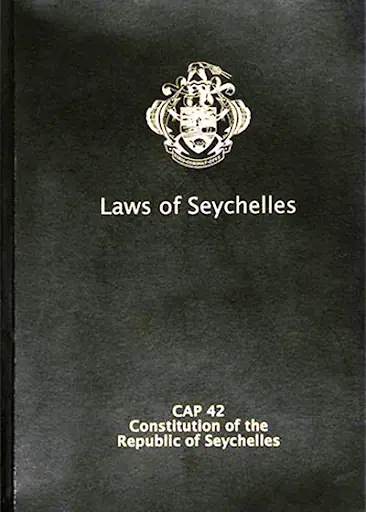
- 1981
A coup attempt by mercenaries in disguise fails
- 1982
Tanzanian troops put down a mutiny within the army
- 1984
Albert René's second term of office begins. In the same year the Seychelles, Mauritius and Madagascar join forces to form the Indian Ocean Commission (IOC). The IOC agrees measures to promote trade, tourism and fishing
- 1989
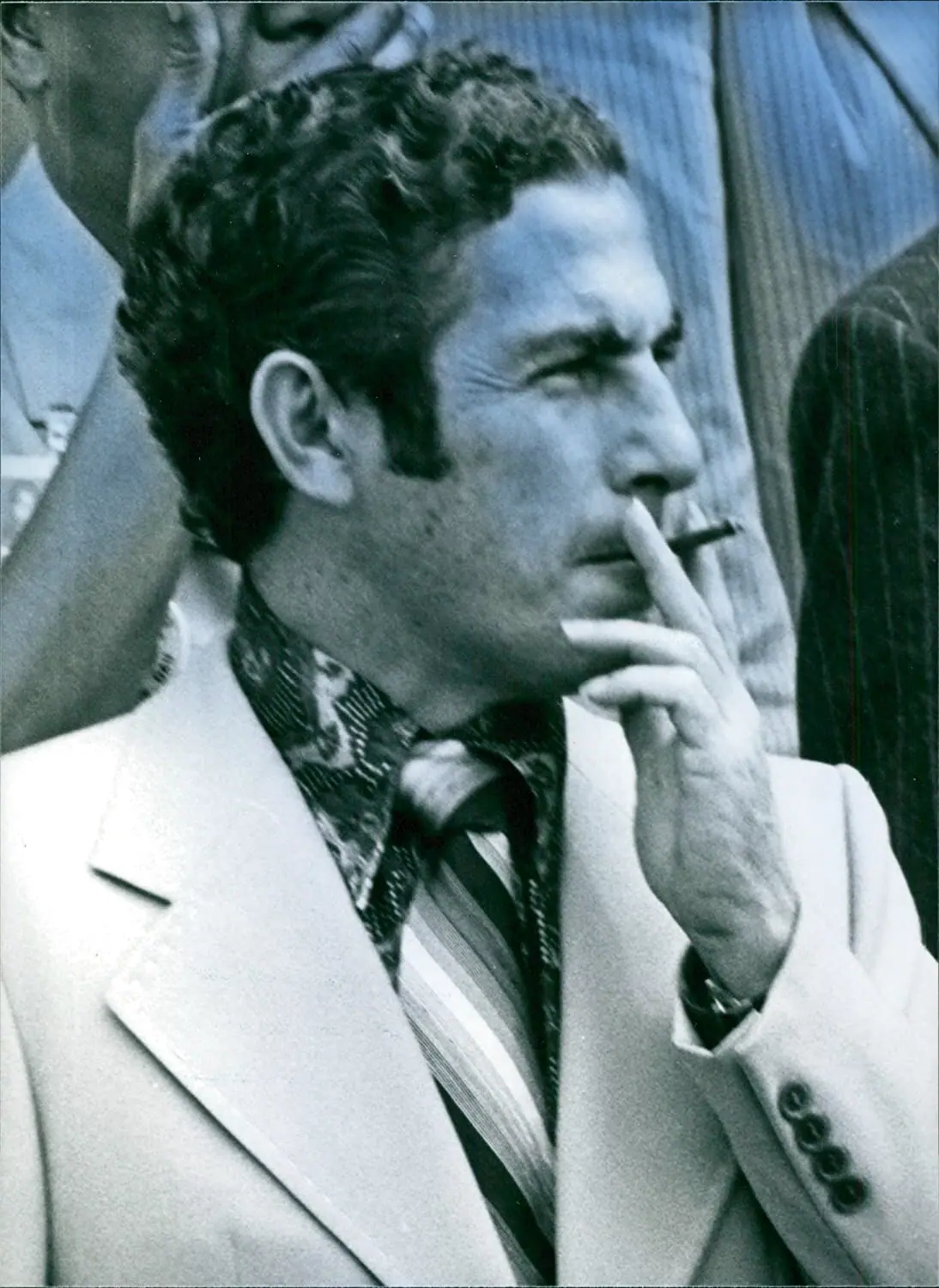
The Seychelles were still a one-party state in which the SPPF was the only permitted party. All candidates had to belong to the party, so this election was no real victory for Albert René, as he was the only candidate. He nevertheless began his third term of office. A gradual liberalisation gets under way
- 1991
The return to a multiparty system. In district elections in December the SPPF's loss of public trust becomes clear, and the party congress decides to restore the multiparty system.
- 1993
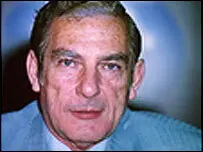
In June the third Seychelles constitution comes into force. The National Assembly is enlarged to 34 members. Albert René emerges as the winner of the July elections once again, and his fourth term begins
- 1996
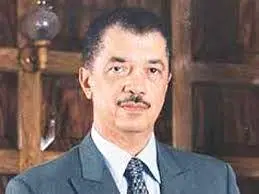
A constitutional amendment settles the succession to President Albert René. The office of vice-president is created and filled by James Michel, who until then had been Minister of Finance, Defence and Communications
- 1997
The Seychelles join the Southern African Development Community (SADC)
- 1998
The SPPF wins the elections by an overwhelming majority, taking 30 of the 34 seats in parliament. Albert René's fifth term begins; he is re-elected with 67% of the vote
- 1999
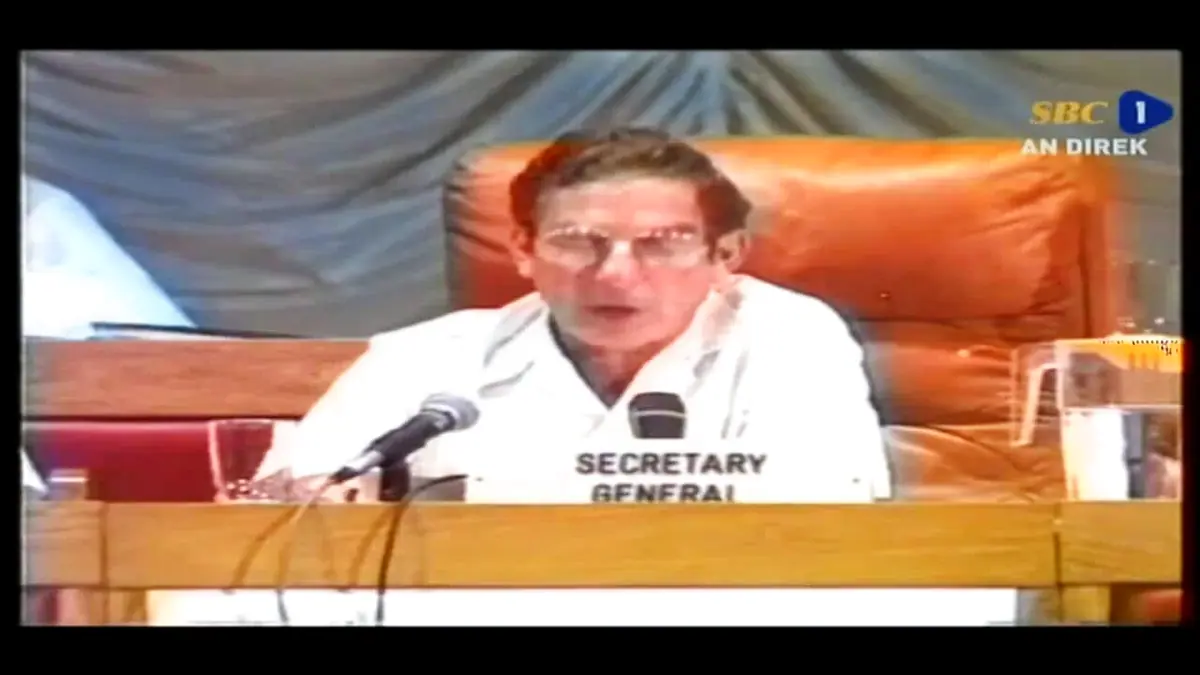
The Seychelles join the Indian Ocean Rim Association for Regional Co-operation (IORARC)
- 2001
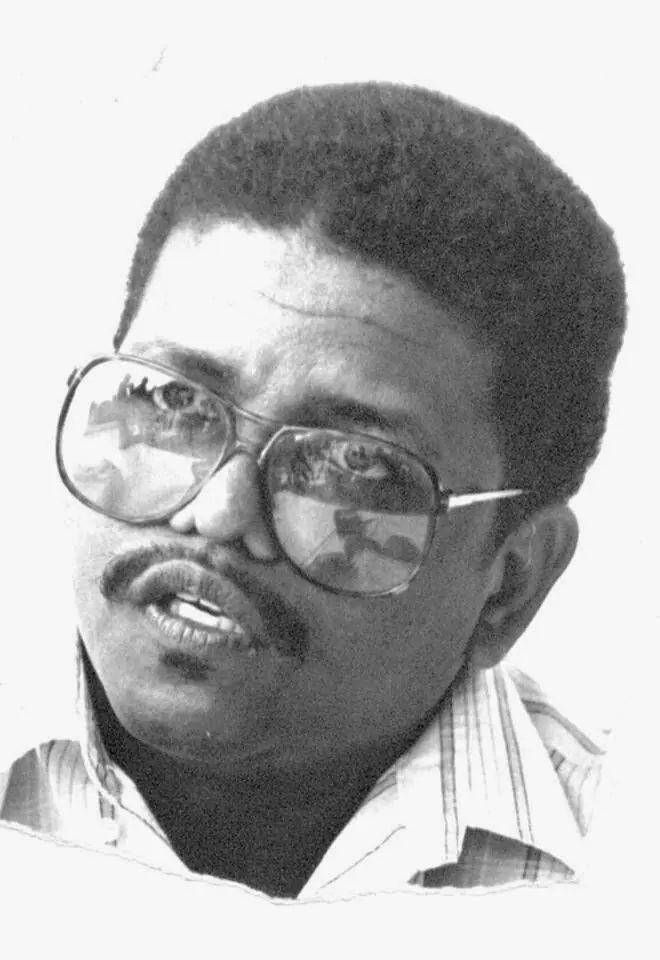
In September Albert René wins the early presidential elections with only 54% of the vote. His opponent Ramkalawan receives 45%.
- 2002
The SPPF wins the parliamentary elections in December with 54% of the vote and 23 of the 34 seats in parliament. The opposition party receives 43% and 11 seats
- 2004
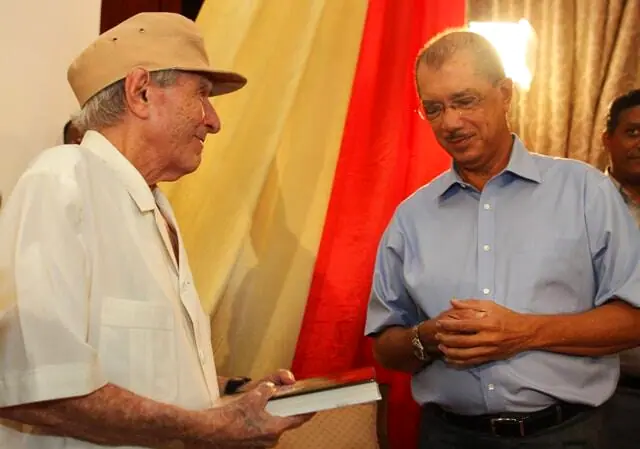
On 14 April 2004 James Alix Michel took over the presidency early, after Albert René stepped down in March 2004 for health reasons. James Michel thus became the 3rd President of the Seychelles
- 2004
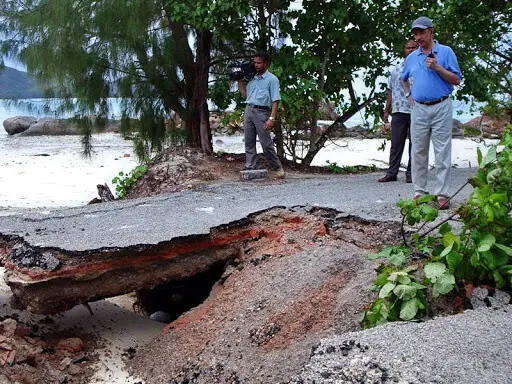
The devastating tsunami of December 2004 also reaches the Seychelles and causes major damage. There were no fatalities
- 2006
The People's Progressive Front, which has been in power for 30 years, is elected for a further five years with 54% of the vote. James Michel remains president. The opposition party, the Seychelles National Party led by the Anglican priest Wavel Ramkalawan, wins 46 per cent
- 2007
The Seychelles rejoin the regional community SADC
- 2008
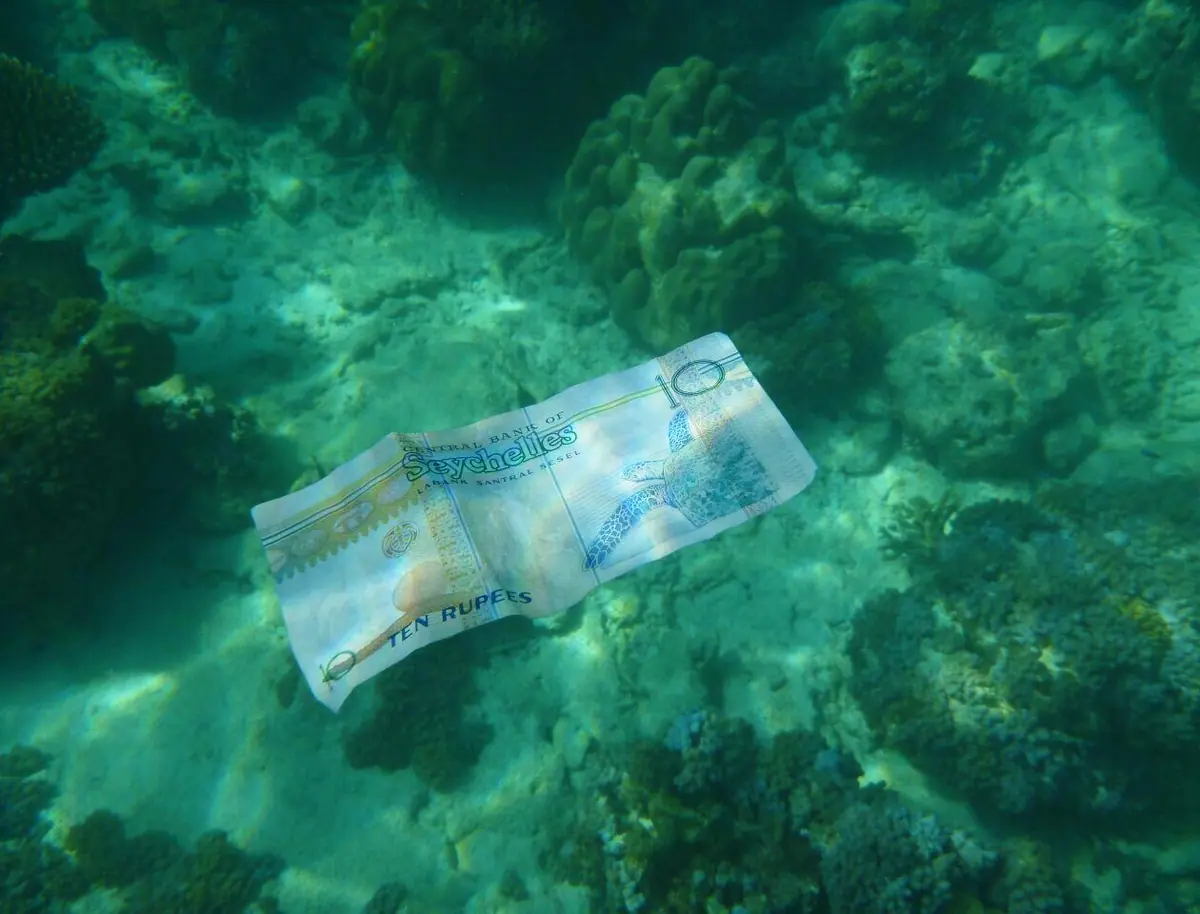
The Seychelles rupee has been freely convertible since September 2008, so all payments in the Seychelles can now be made in that currency. The state has been regarded as insolvent since mid-2008. Under Operation Atalanta, which aims to protect shipping lanes against pirates operating mainly from Somalia, the EU supports the Seychelles in building up its own coastal protection
- 2009
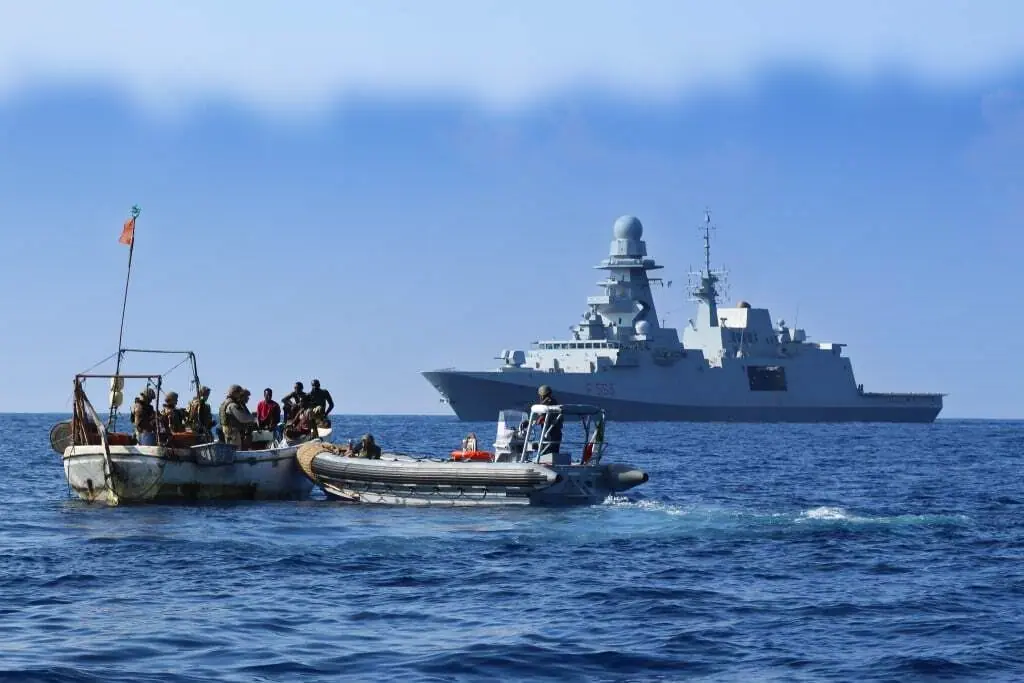
International patrols in the Gulf of Aden have been stepped up, so the pirates have shifted their activities to the waters off the Seychelles. The warships of Operation Atalanta are now to operate as far as the Seychelles. This is said to be necessary because the pirates are venturing ever further away from coastal waters
- 2010
The Seychelles open their own university. Until now, students had to go overseas for higher studies, and many never came back. With a university of its own, the island nation hopes to stop the "brain drain". Unisey, as the new university is called, works in cooperation with the University of London, the Sorbonne in Paris and institutes in India and Australia in order to offer a broad range of courses
- 2011
In the elections, 66-year-old James Michel wins against three rivals. It is his second term in office. The elections passed off fairly. James Michel promises to improve the economic situation further during his second term and to strengthen good governance
- 2012
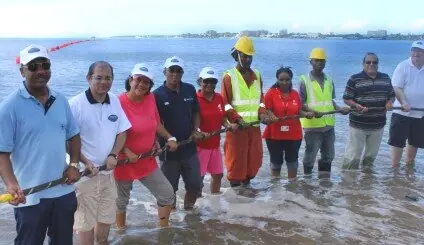
In May, the Seychelles East Africa System (SEAS) cable, which connects the archipelago to the worldwide fibre-optic data network, reached the Seychelles on the west coast at Beau Vallon. This project, run by the government and two local telephone companies, will give a clear boost to the services sector and to the other sectors of the Seychelles economy as well: internet availability rises, while costs fall compared with the satellite-based system used until now
- 2013
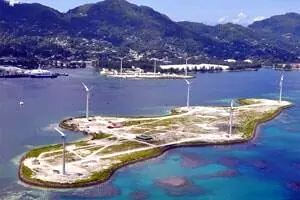
As part of its modernisation drive, the government is betting on renewable energy: this year wind turbines are due to deliver their first electricity. The island of Silhouette is added to UNESCO's Tentative List, as a possible candidate for World Heritage status
- 2015
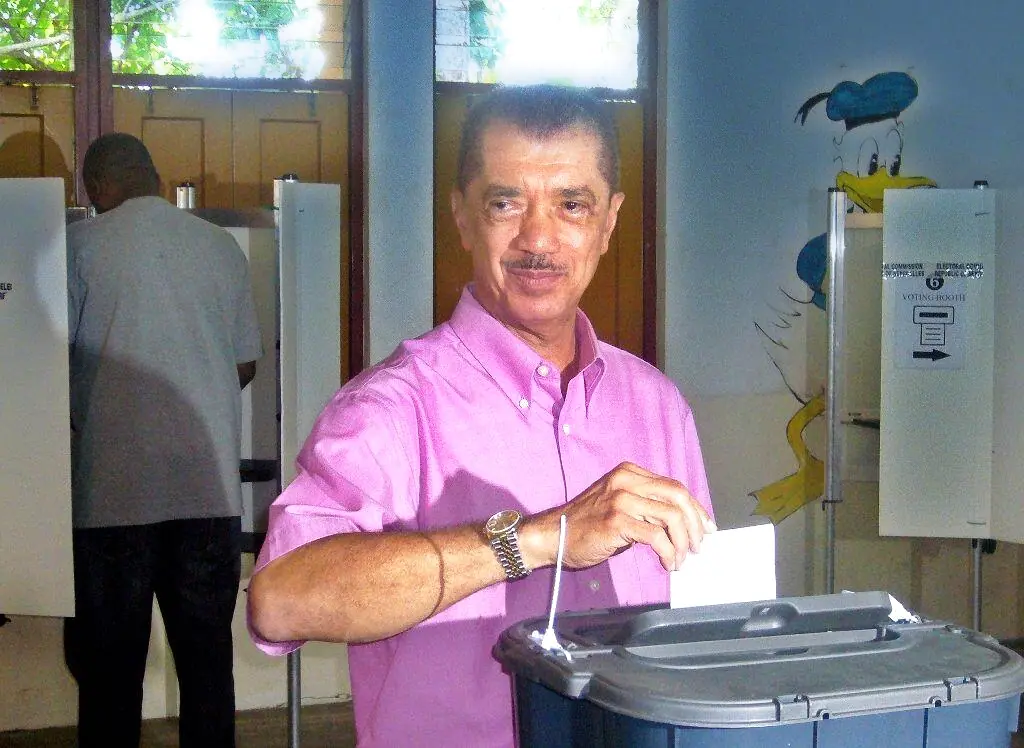
In the presidential election of December 2015, President James Michel stood for re-election but missed an absolute majority in the first round. He then narrowly won the run-off against Ramkalawan, with 50.15 per cent of the valid votes.
- 2016
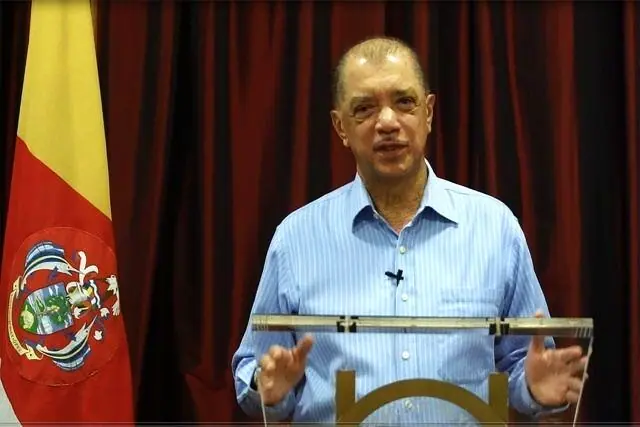
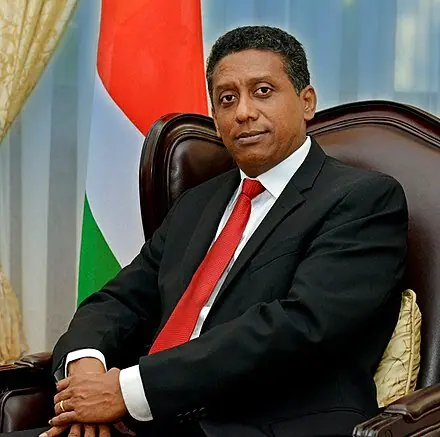
The economy has recovered, and the Seychelles have the highest per capita income of any African country (as of 2016). On 18 May 2016 the National Assembly voted to end the criminalisation of homosexual acts between men, thereby lifting the ban on same-sex relations. On 27 September 2016, after the new parliament, in which the opposition held the majority for the first time, had been sworn in that morning, President James Michel announced his resignation with effect from 16 October. He was succeeded in office by his party colleague Danny Faure, previously vice-president. Danny Antoine Rollen Faure has been the 4th President of the Republic of Seychelles since 16 October 2016
- 2017
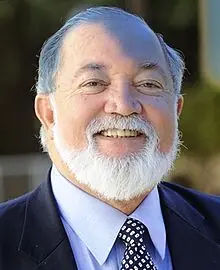
James Mancham, the first president of the Seychelles, died in the Seychelles on 8 January 2017 at the age of 77. In the 2017 Press Freedom Index published by Reporters Without Borders, the Seychelles ranked 87th out of 180 countries. The population of the Seychelles stood at 95,821 on 31 December 2017
- 2018
In May 2018 the annual inflation rate was 3.59%, compared with 3.18% in May 2017. The party Parti Lepep renames itself United Seychelles
- 2019
France-Albert René, the second president of the Seychelles, died in the Seychelles on 27 February 2019 at the age of 83.
- Mai 2020
Gross domestic product (nominal) in 2019 was around 1.65 billion USD, or slightly more than 17,127 USD per head, which places the Seychelles 53rd in the world and 1st in Africa out of 54 countries. GDP growth in 2019 was 3.57%.
- 2020
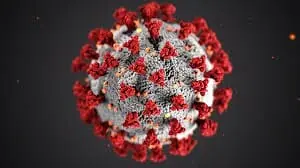
The coronavirus (COVID-19) has so far left little mark on the Seychelles. Up to July 2020 there were only 118 infections and no deaths.
- 26.10.2020
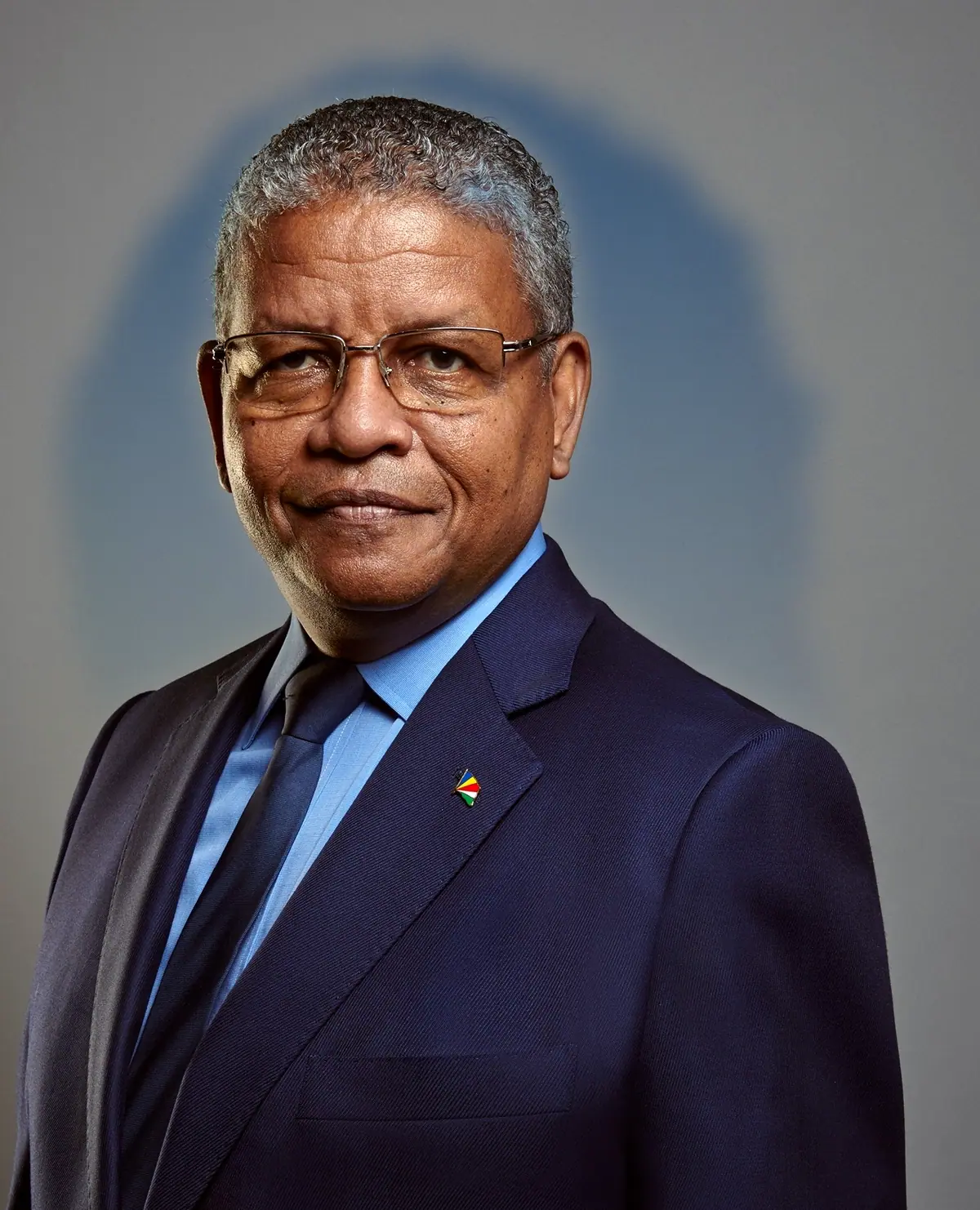
Wavel Ramkalawan (59) is the new president of the Seychelles. With 54.9% of the vote, 35,562 voters backed him in the first round. The former opposition party LDS now forms the government and provides the president. The LDS holds 25 seats in parliament and United Seychelles holds 10.
History as of:
Independence and the republic today
The Seychelles gained self-government in 1975. On 29 June 1976 they became an independent republic within the Commonwealth. The first president was James Mancham. He was removed in a coup on 5 June 1977, after which France-Albert René led the country until 2004. He was followed by James Michel (2004 to 2016), Danny Faure (2016 to 2020) and Wavel Ramkalawan (2020 to 2025).
Since 26 October 2025 the president of the republic has been Patrick Herminie, the sixth since independence. He was born on Praslin. In the Seychelles the president is both head of state and head of government, and there is no prime minister.
Independence Day on 29 June still shapes the calendar today. For what takes place through the year, see Festivals and events.
Experiencing history on site
The best place to start is the National Museum in Victoria, on Independence Avenue near the Clock Tower. After a renovation from 2016 to 2018 it reopened with digital elements. The exhibition is divided into galleries running from the early explorations through the Crown colony and independence to Creole culture. Allow about one to two hours. Victoria is small, so the museum combines easily with a walk around the town. How to get there without a car is explained on the page Travelling by bus in the Seychelles, and you will find alternatives under Car hire.
If you would like to combine history with nature, the Sights page lists more places to visit. The early settlers lived off what the islands provided. How today's plant and animal life ties in with that is covered under Flora and fauna and Nature and conservation. More on the islands themselves: Mahé, Praslin and Sainte Anne.
Frequently asked questions
Who discovered the Seychelles?
Arab and Portuguese seafarers knew of the islands early on. The first documented landing was an English visit in 1609. The French expedition under Lazare Picault reached Mahé on 21 November 1742 and is regarded as the actual discovery.
Did anyone live in the Seychelles before the French?
As far as we know today, the islands were uninhabited. The first settlers arrived on Sainte Anne in 1770.
Where does the name Seychelles come from?
It goes back to Jean Moreau de Séchelles, the French finance minister, after whom France named the island group in 1756. Mahé bears the name of the governor of Mauritius.
Since when have the Seychelles been independent?
Since 29 June 1976. Before that they had been a separate British Crown colony since 1903.
Where can I see the Stone of Possession?
In the National Museum in Victoria on Mahé.