What to expect
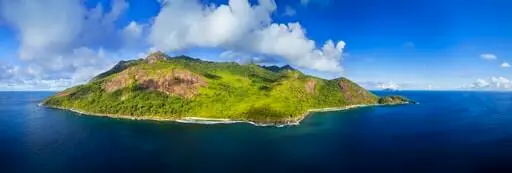
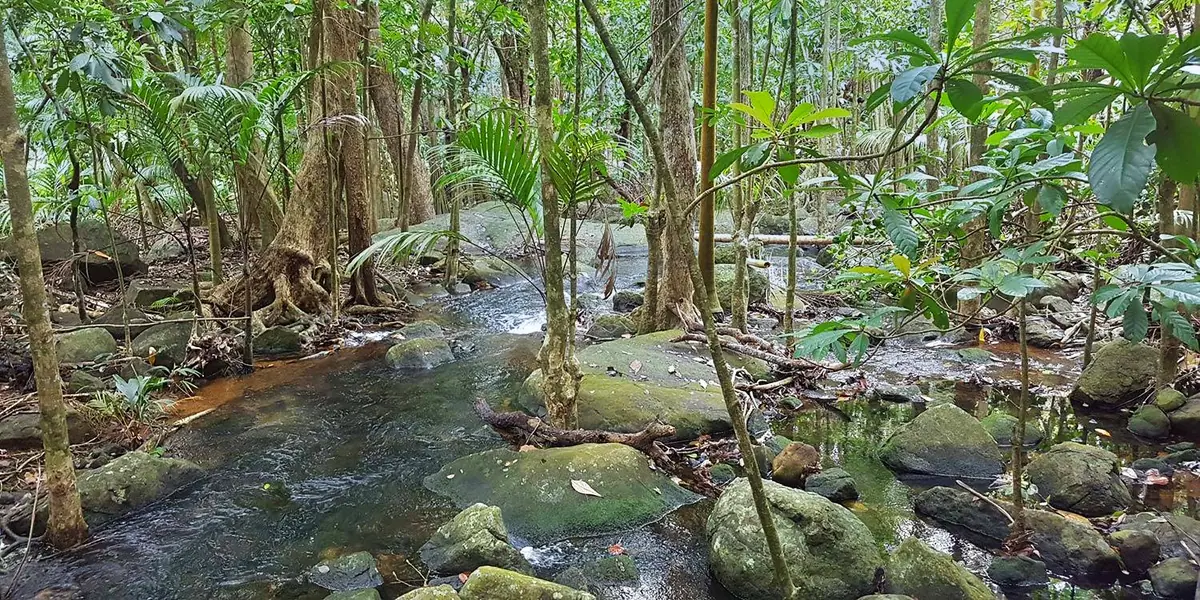
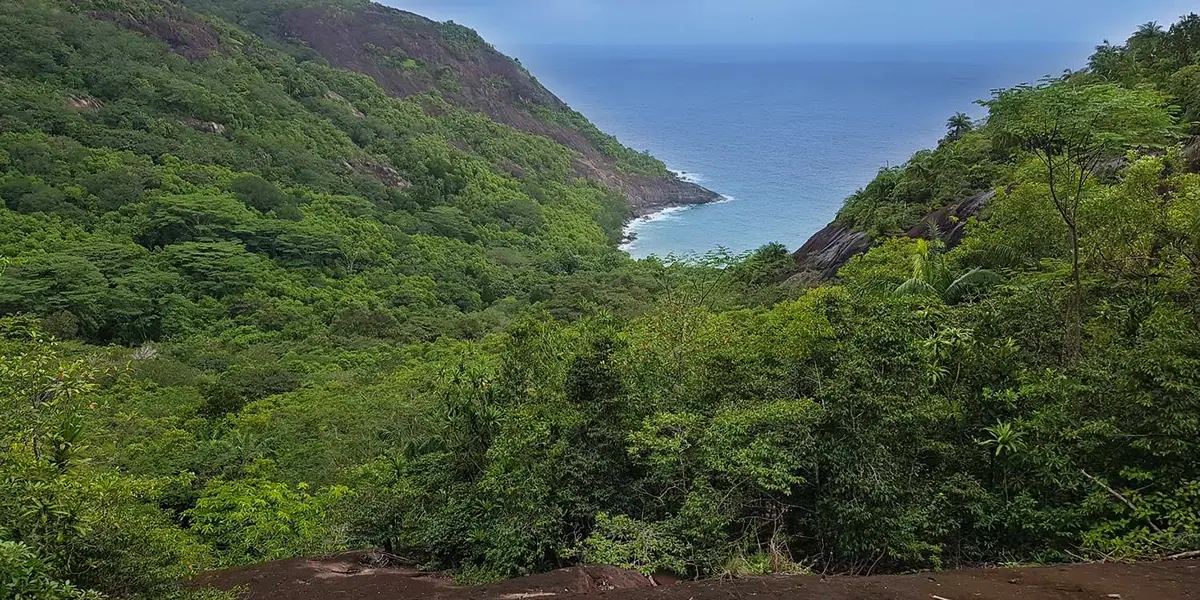
Rising to 740 m, the island of Silhouette escaped the widespread deforestation seen on other islands. On 26 October 1987 the sea around Silhouette was declared a marine park.
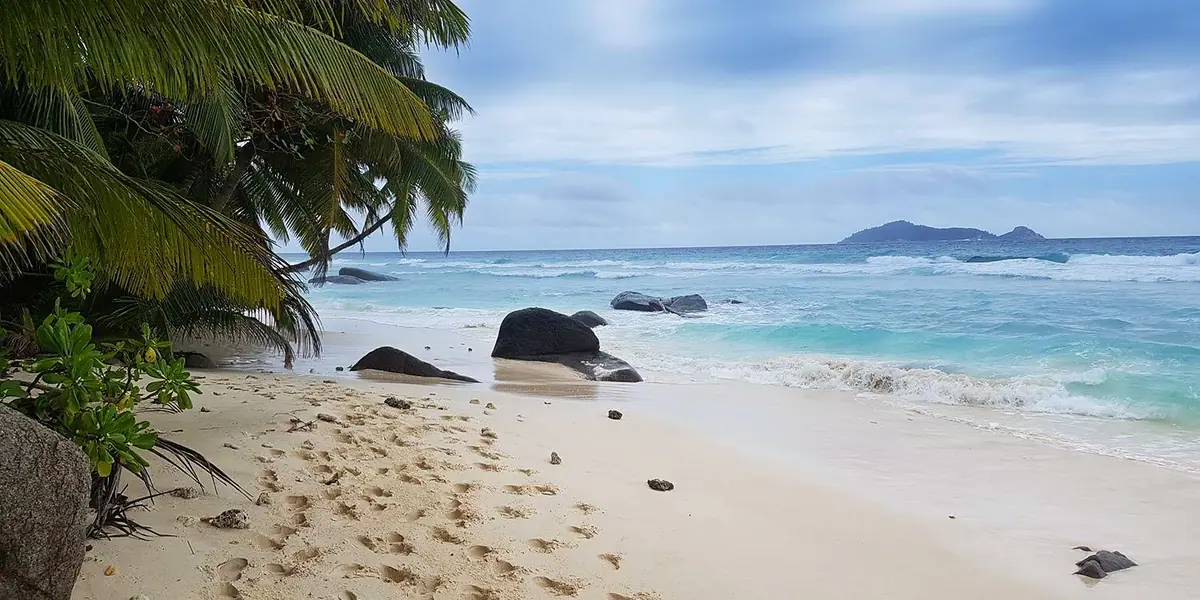
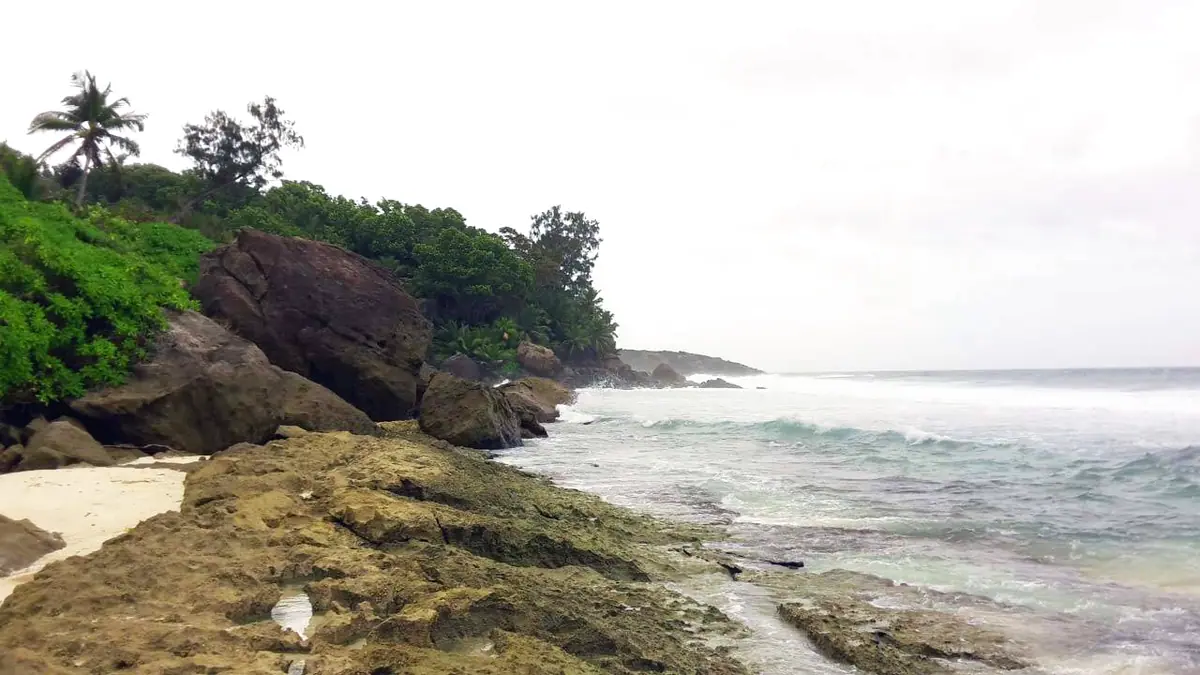
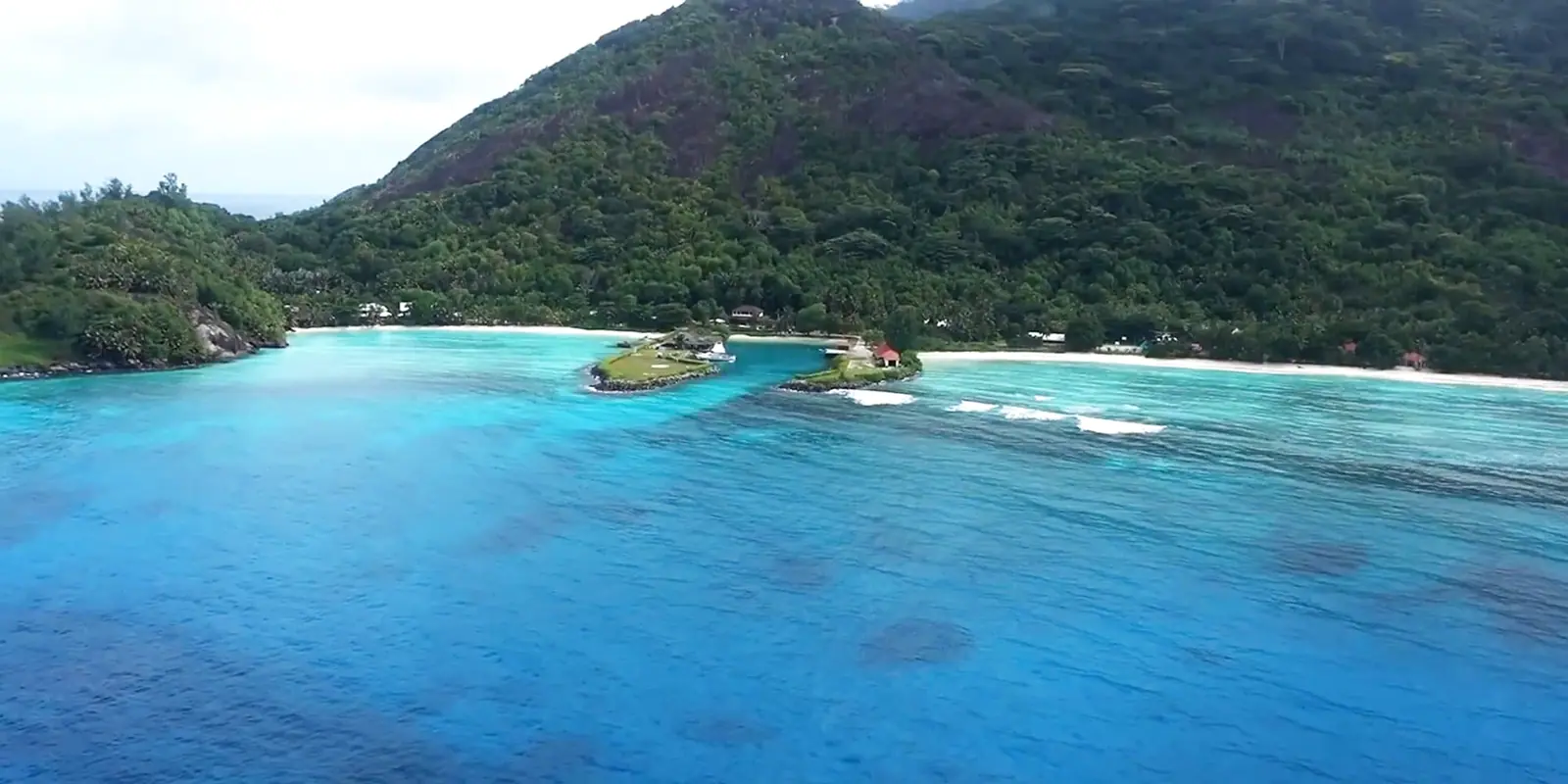
The park covers 30.45 km², making it the largest of the six marine parks in the Seychelles. It extends roughly one kilometre out from the coast and protects the coral reef that surrounds the island. Reports suggest good chances of seeing turtles and reef sharks. Hawksbill turtles nest on Silhouette in large numbers.
Protection and management
For a long time the park was regarded as the only one that existed on paper alone. Since then the Silhouette Foundation has been set up, in 2008. Its members are the Islands Development Company, the Island Conservation Society (ICS), Labriz Resort, the parks authority and the Ministry of Environment. The foundation approves the conservation programmes, and since 2011 the ICS has run a Conservation Centre on the island.
The Seychelles Parks and Gardens Authority (SPGA) is responsible for the marine parks. Older sources still use the name Seychelles National Parks Authority. Since 2010, 93% of the island's land area has also been protected. For hiking trails, viewpoints and plants on land, see the page on Silhouette National Park. For an overview of the island, see Silhouette.
Getting there
By boat from Mahé
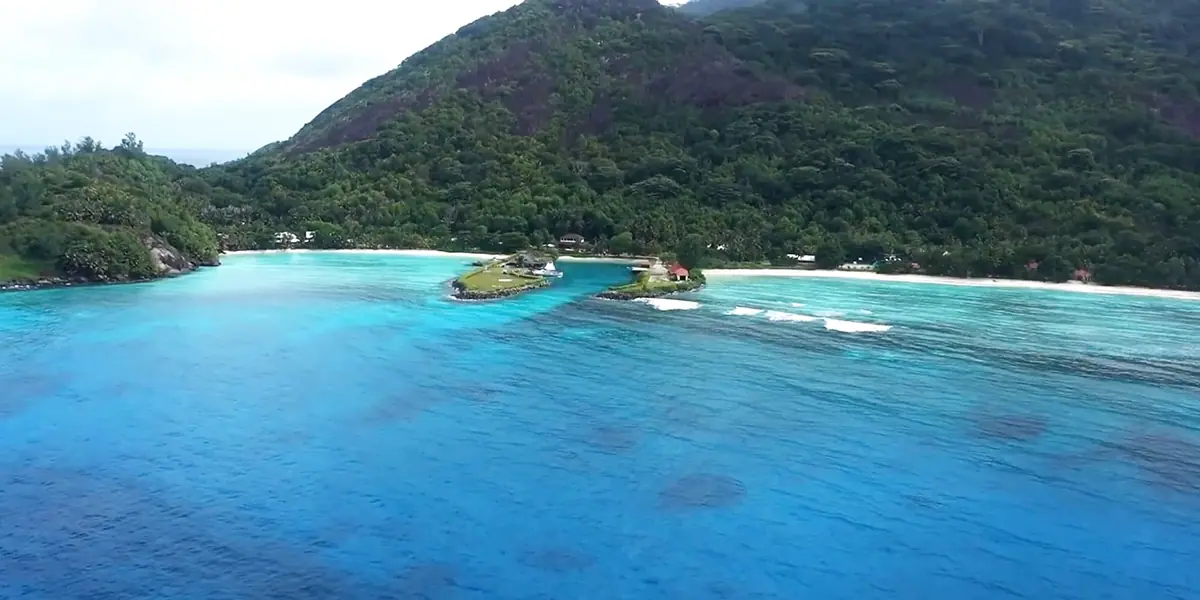
Silhouette has no airport and no roads. The crossing from Mahé takes about 45 minutes. According to the information available, Labriz Resort organises the boat, which leaves from Bel Ombre in the north of Mahé. A public ferry service with a fixed timetable is not documented, and reports on this contradict each other. Before you travel, ask the resort directly whether day visitors can come along.
The published timetable lists departures from Mahé at 10:00 and 16:00 and from Silhouette at 8:30 and 15:00. Changes are possible, and crossings can be cancelled in rough seas. On the day you leave before an international flight, allow yourself a time buffer. To reach the village of La Passe and its sights, see Anse La Passe.
With your own boat or a charter
If you arrive by yacht or charter boat, the park rules still apply. According to current reports, anchoring on coral is prohibited. A mooring permit is required overnight (see the table below). You can find more on cruises and excursions under Sailing and Boat tours.
Opening hours, admission and fees
| Point | As of November 2026 |
|---|---|
| Opening hours | Daily, including public holidays |
| Entrance fee, adults (non-residents) | SCR 200 |
| Mooring overnight | SCR 250 per boat per night, permit required for the period between 17:00 and 8:00 |
| Tickets | Via the SPGA online ticketing system, often included in the price for tours |
Duration, best time and tips
For a day trip with snorkelling, three to four hours on the water are enough. Because of the boat times, a full day is realistic, though staying overnight on the island is more relaxed.
During the northwest monsoon from November to March the sea can be rough, and the boat may not run. You will usually find calmer conditions in the transitional months. For details, see Best time to visit and Climate and weather.
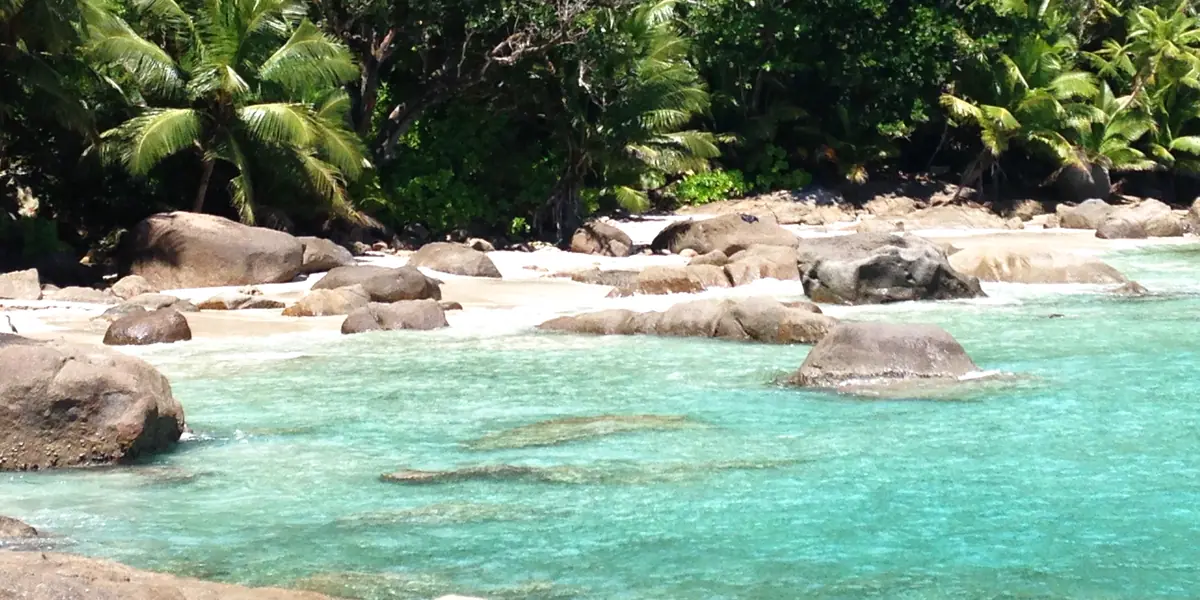
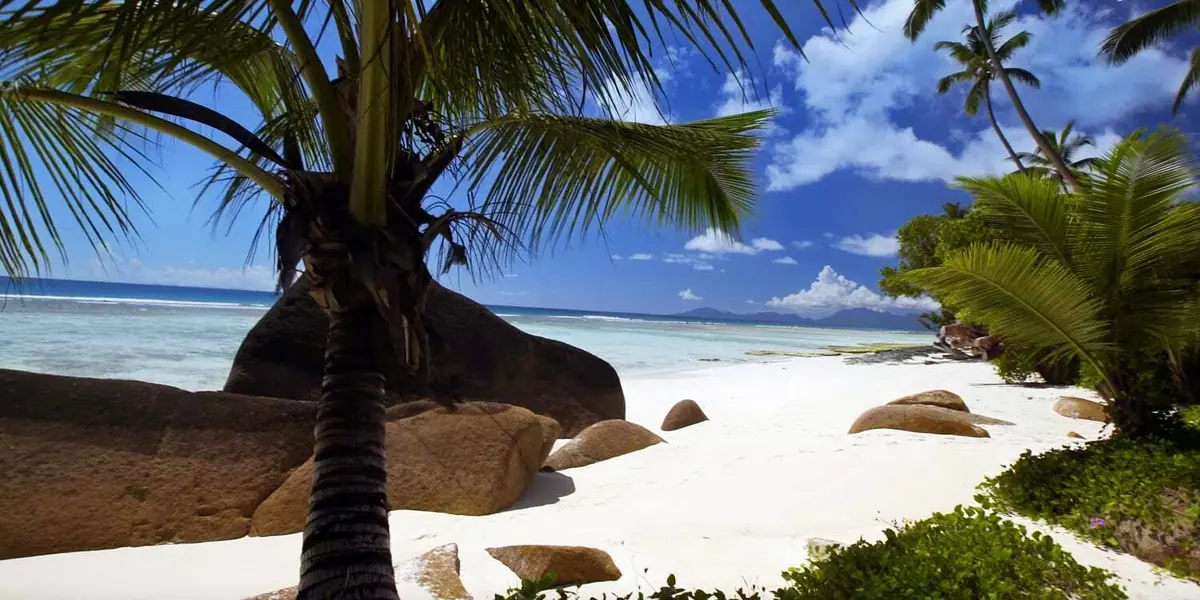
- For snorkelling, Anse Mondon is regarded as a suitable bay, and other beaches include Anse Lascars and Baie Cipailles.
- Diving and snorkelling are the main draw in the park. Operators and sites are listed under Diving and snorkelling and Dive sites.
- Do not touch the coral, keep your distance from turtles and take nothing away with you. More rules of conduct can be found under Do's and Don'ts.
- Keep your ticket with you throughout your visit.
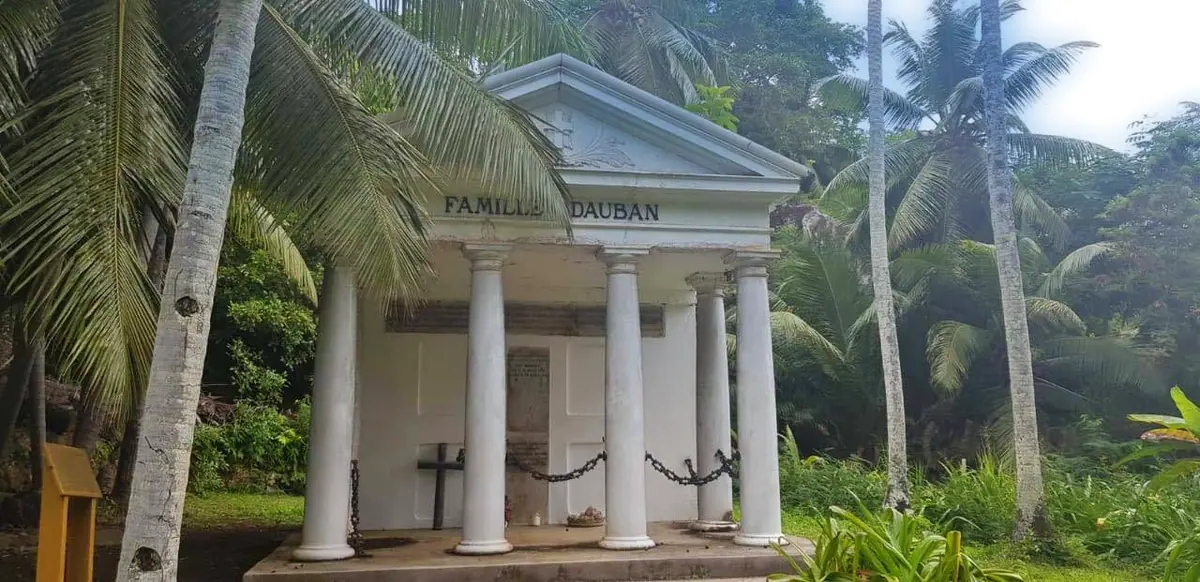
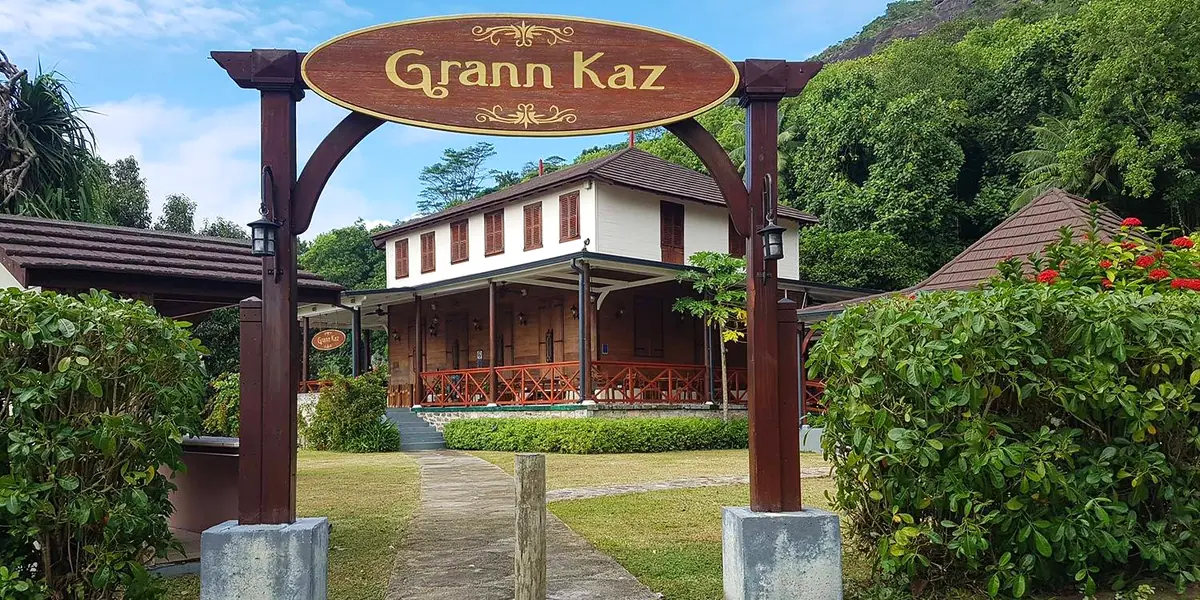
- The island's history includes the Dauban Mausoleum and the Plantation House.