Location and character
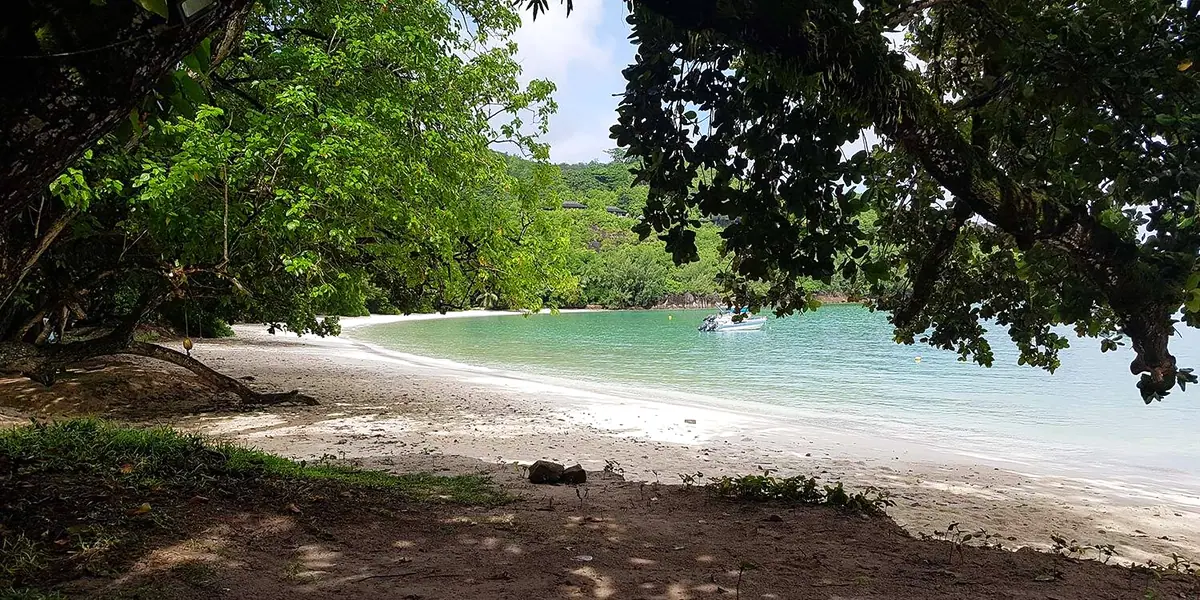
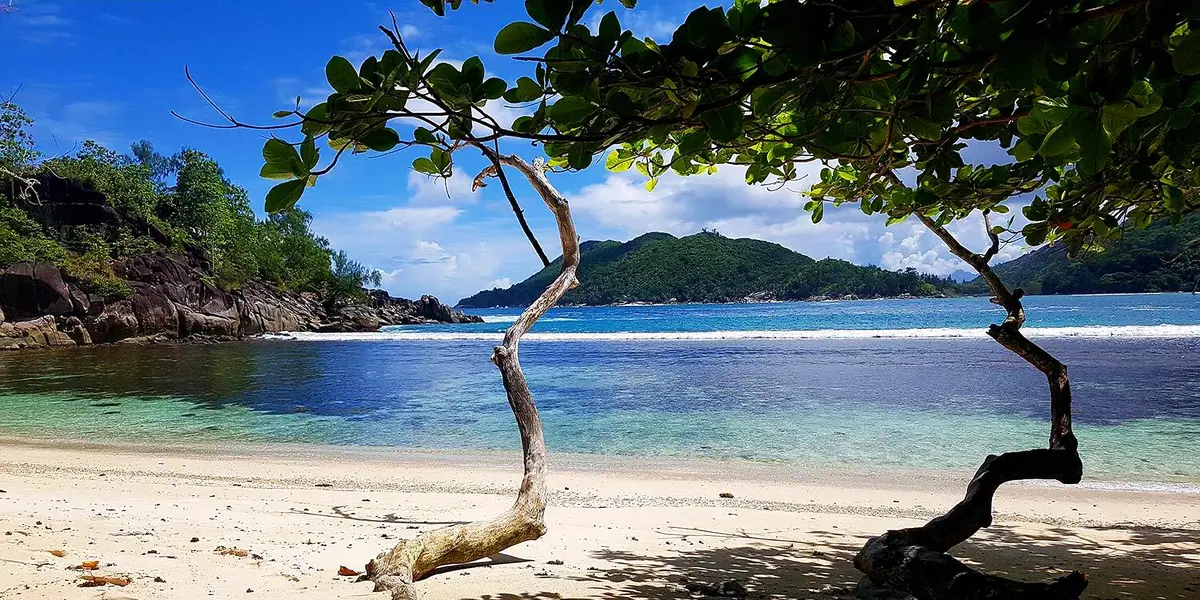
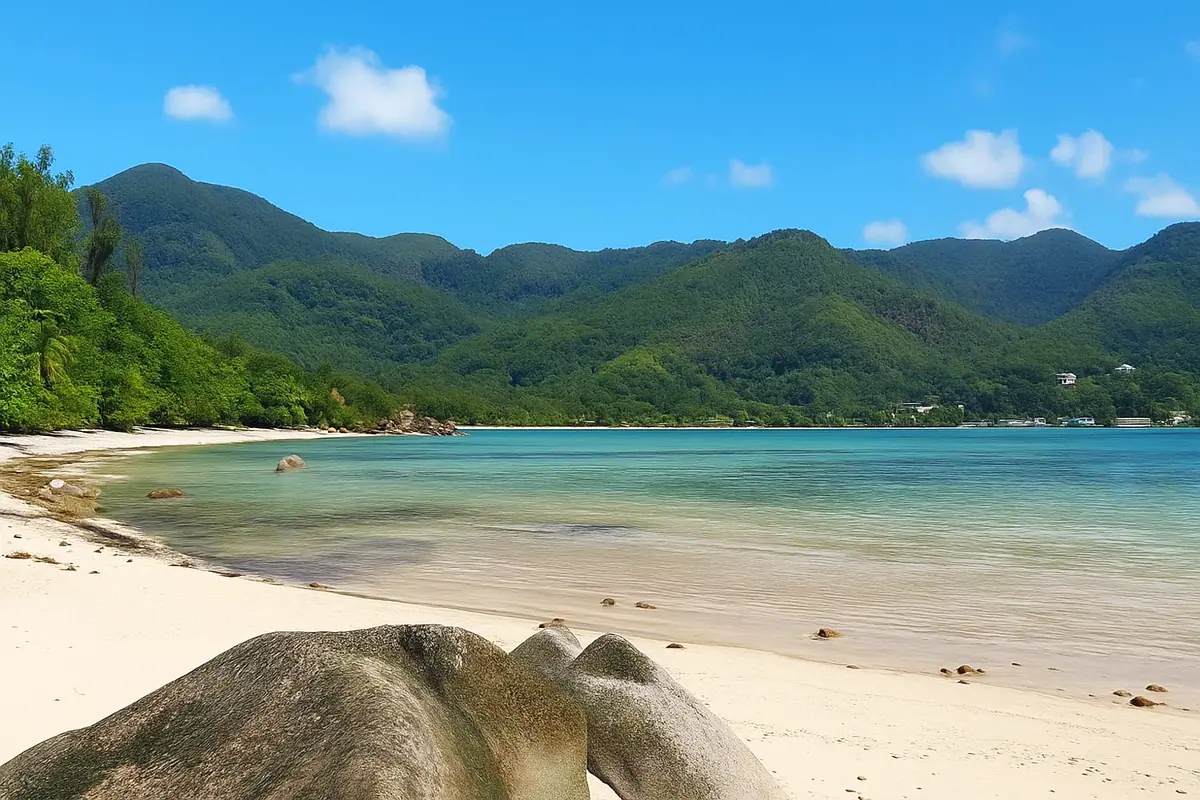
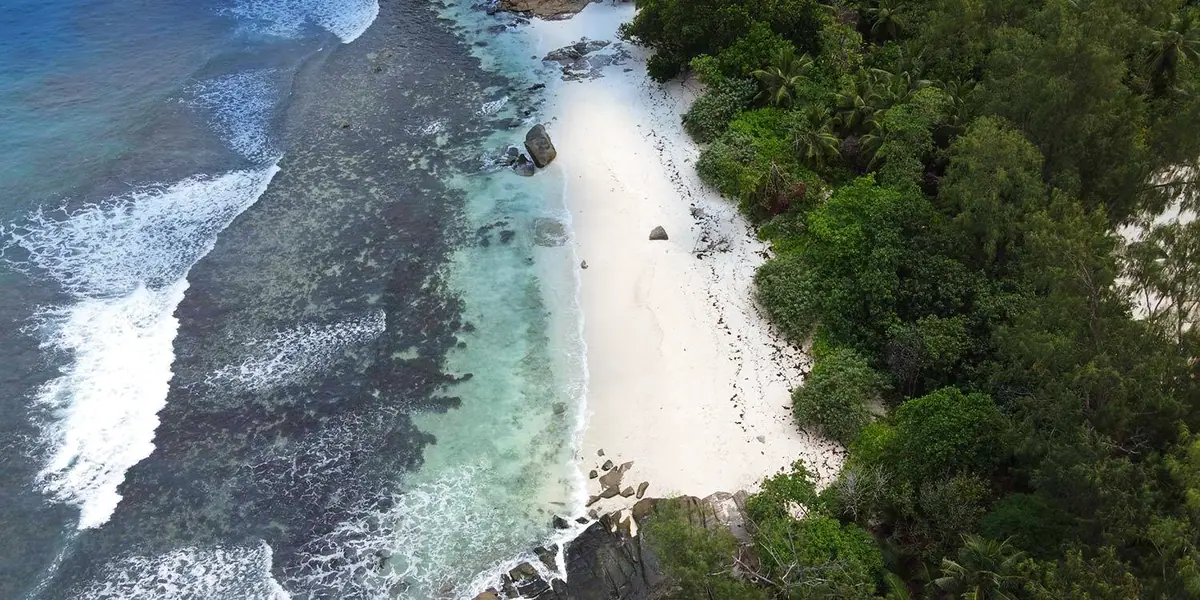
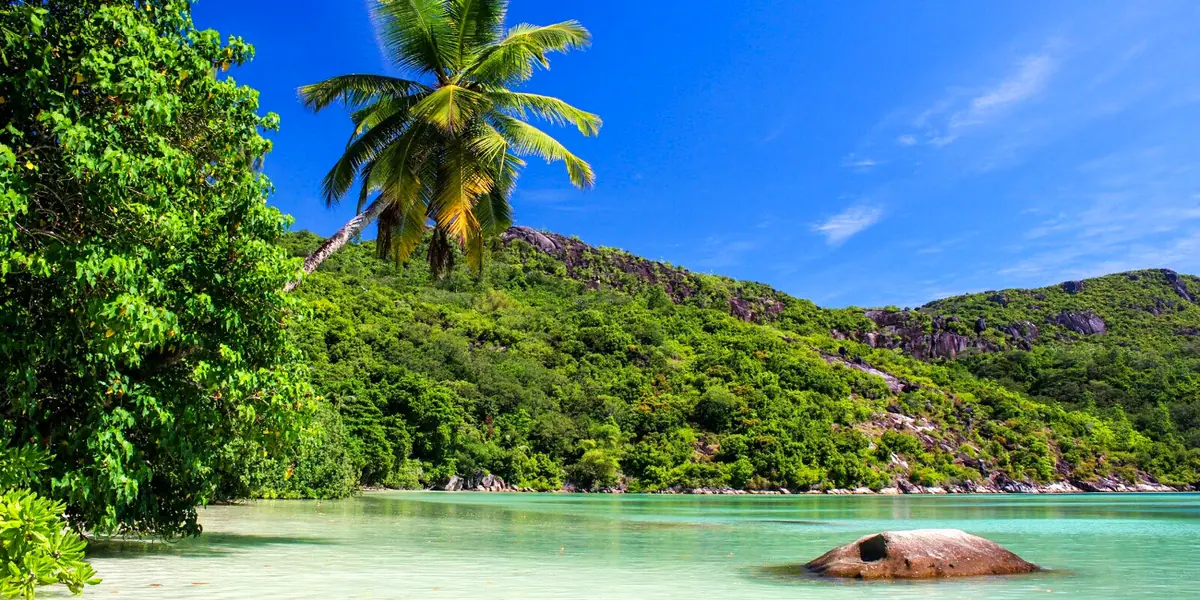
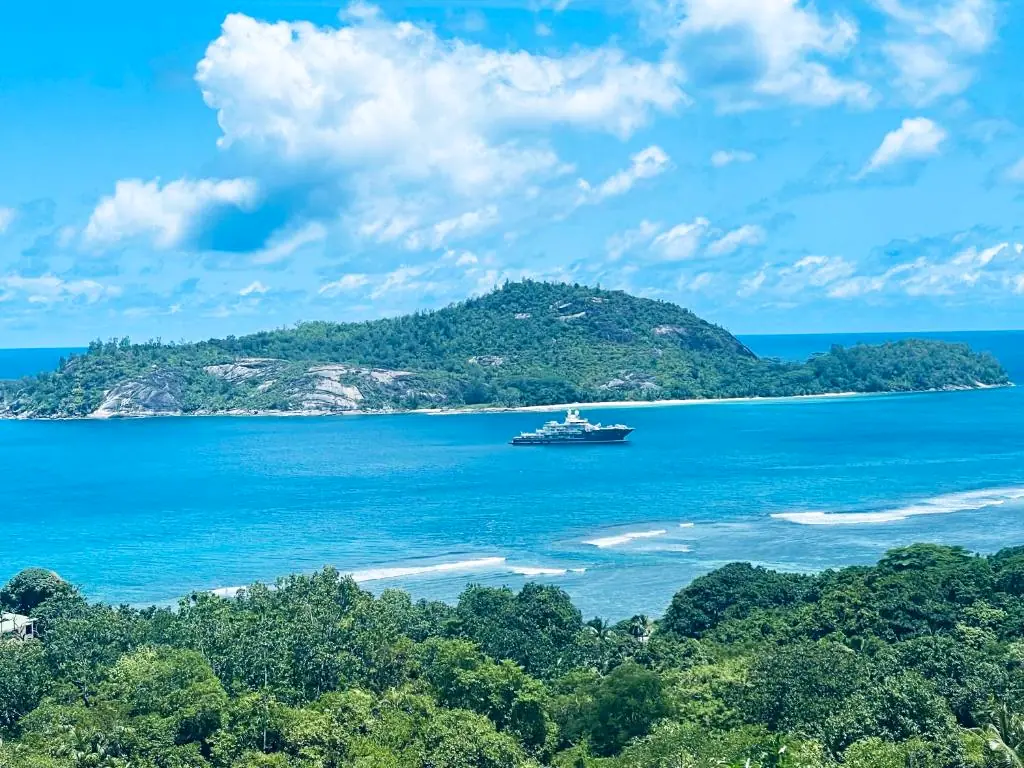
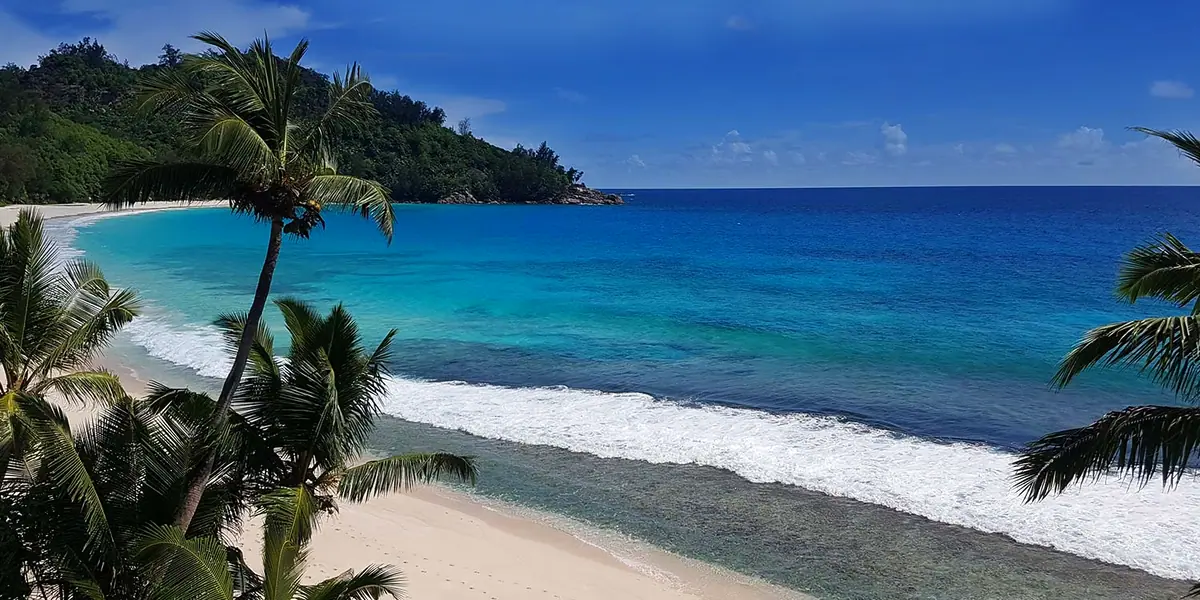
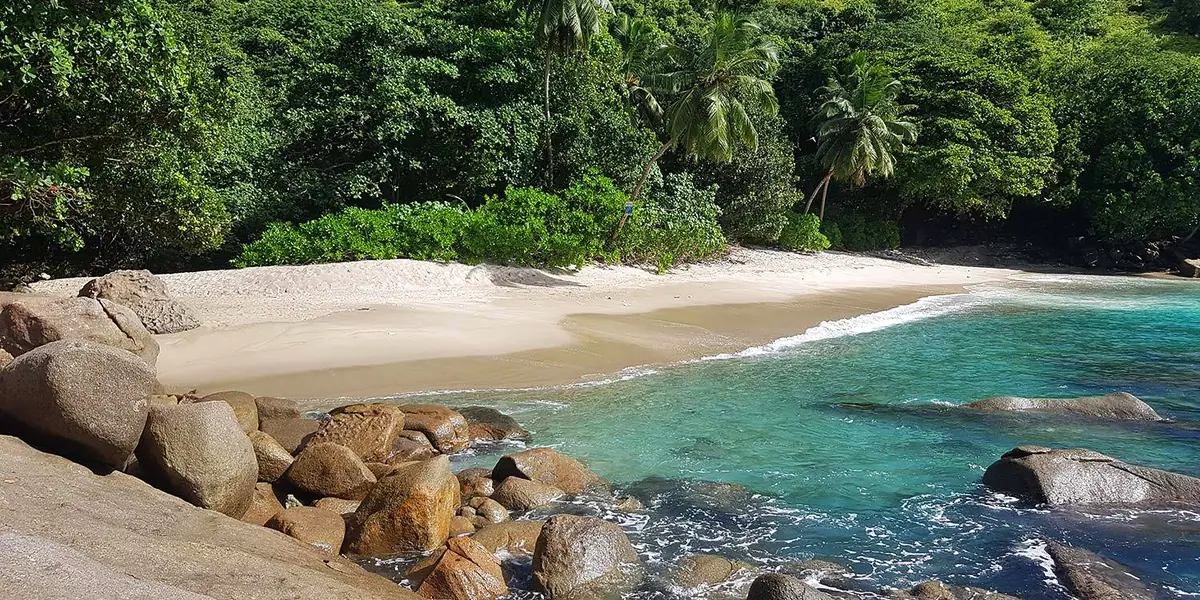
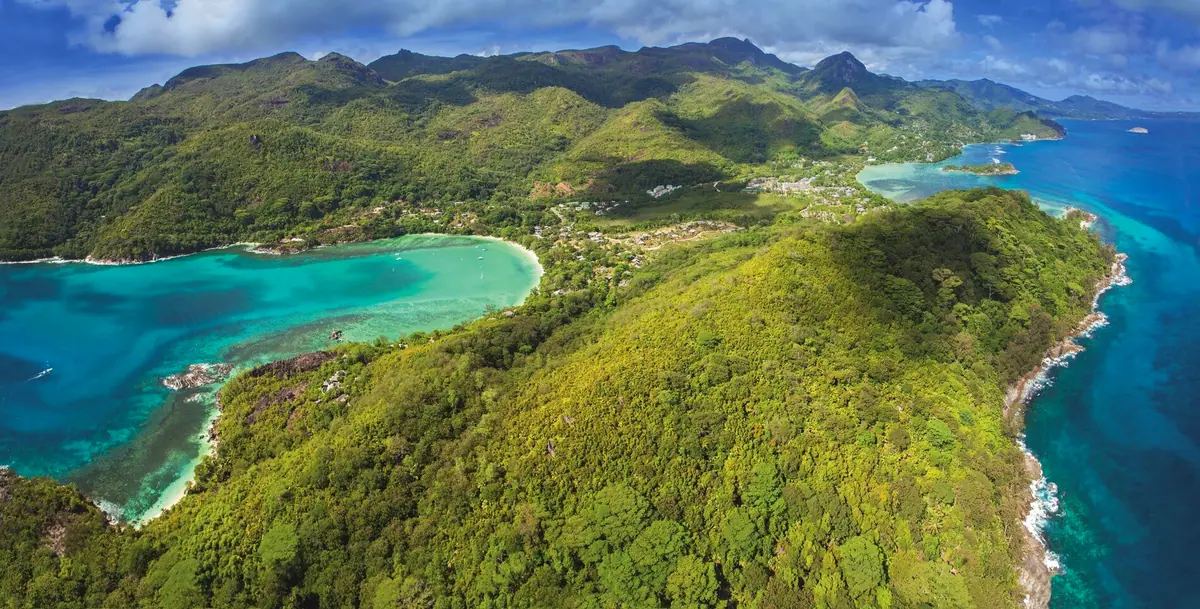
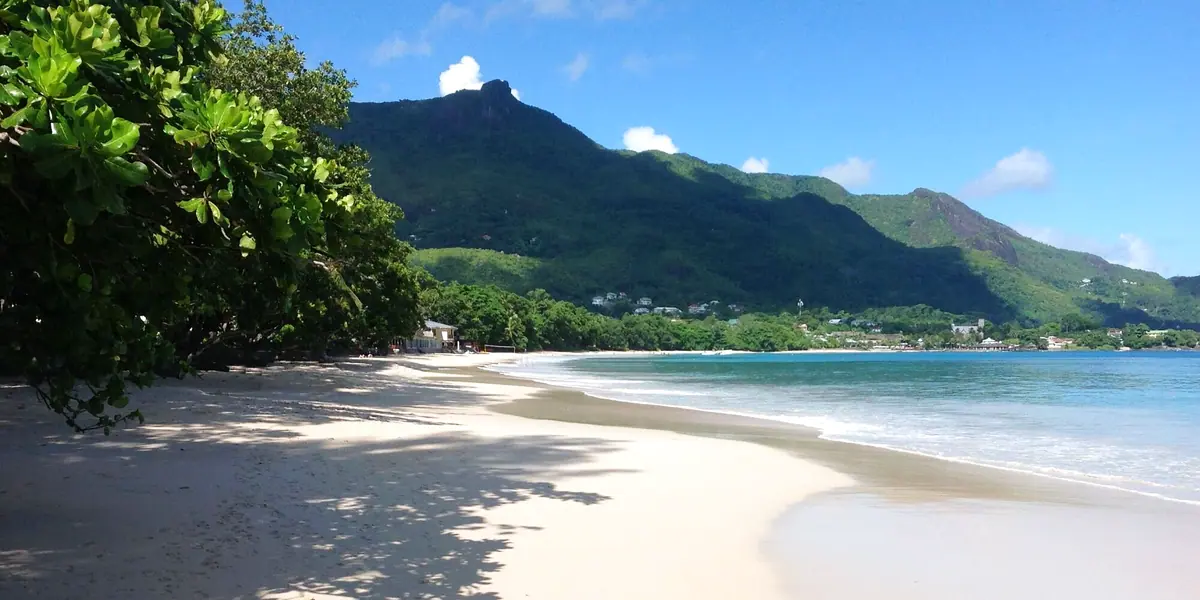
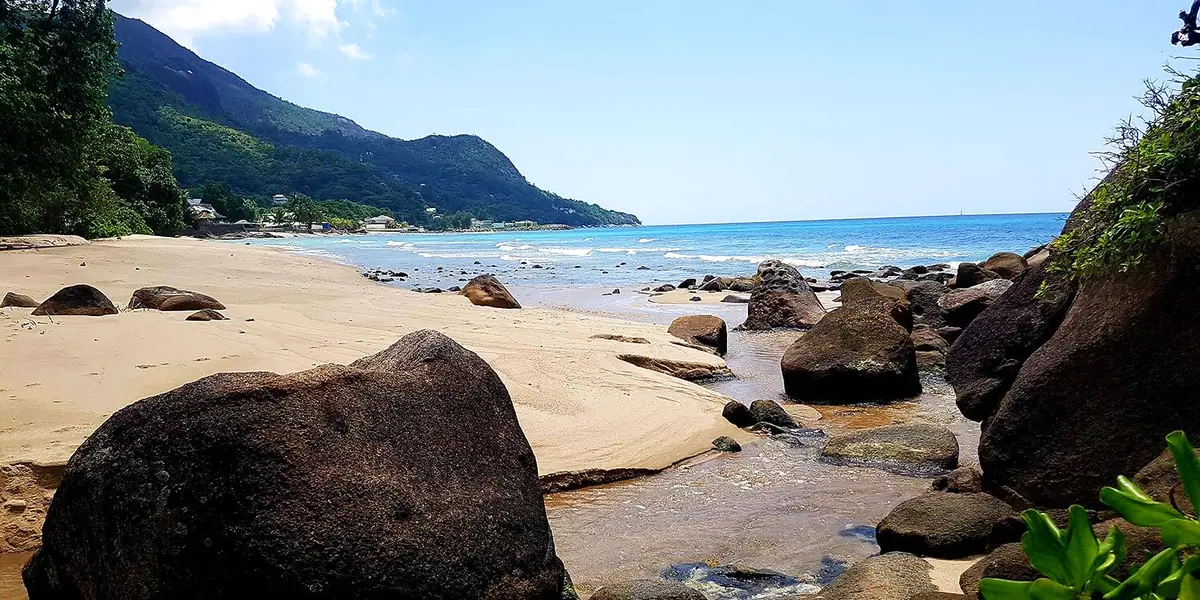
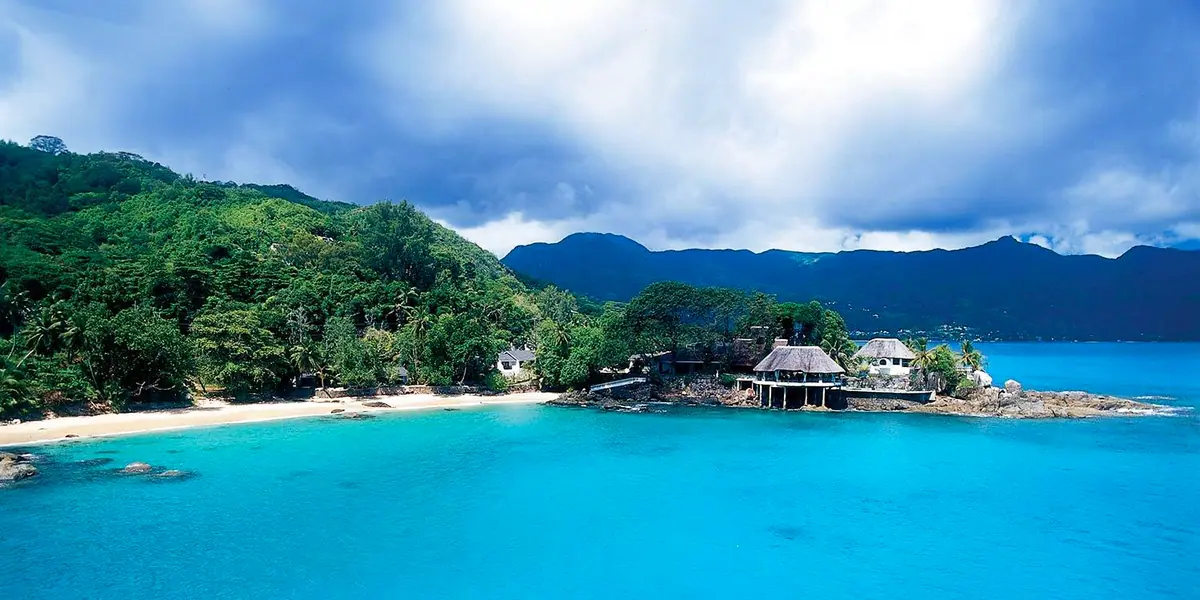
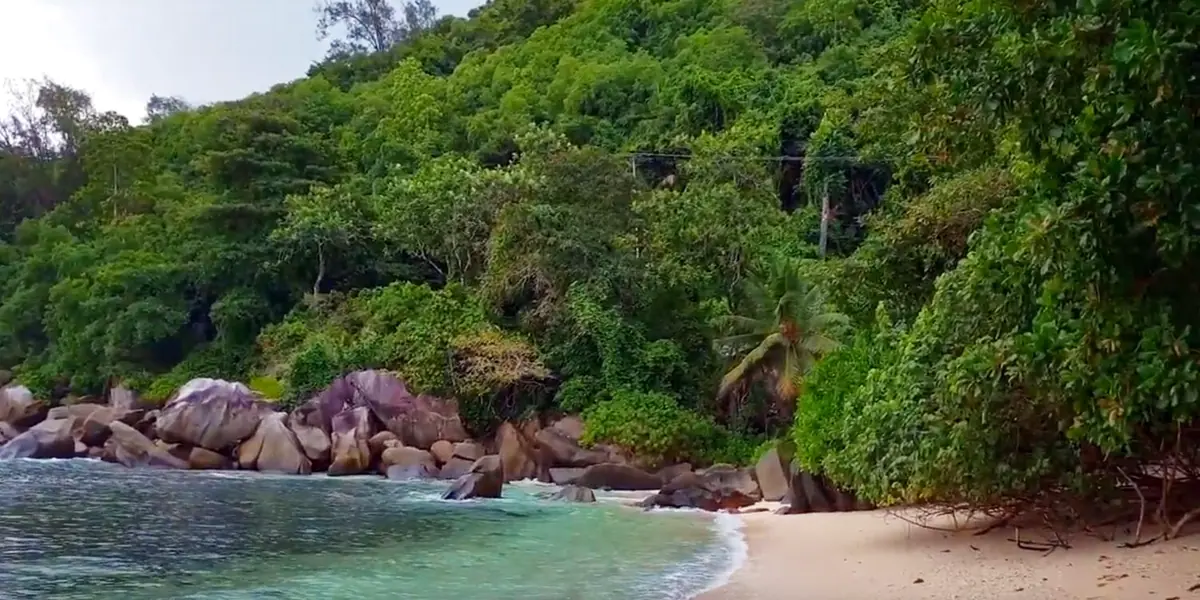
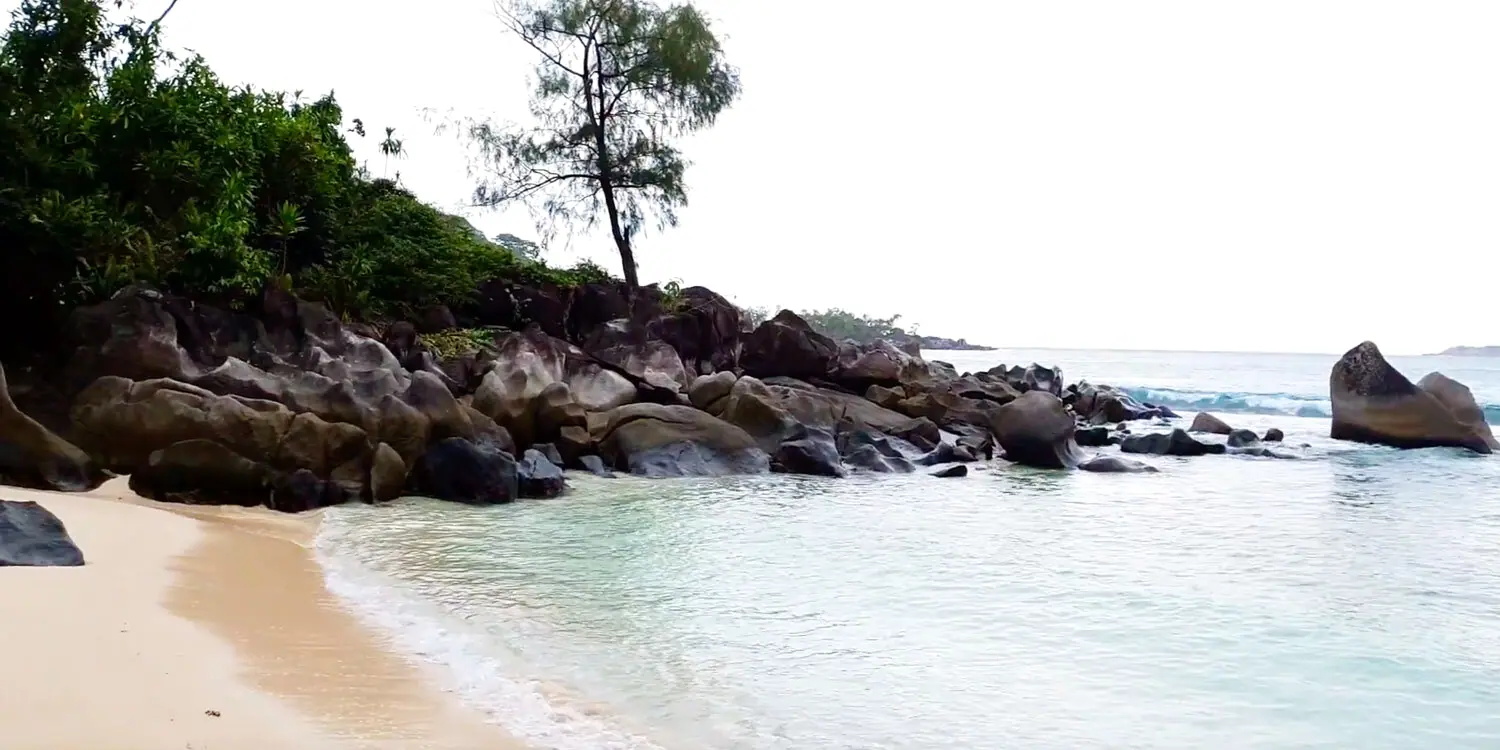
Anse l’Amour on the west coast of Mahé lies just half a kilometre from Port Launay. From this cove there is a superb view of Port Launay beach and across to the island of Conception. A distinctive combination of rock formations and palms gives the cove its unmistakable character. The name means "Bay of Love" in English. Mahé is the main island of the Seychelles.
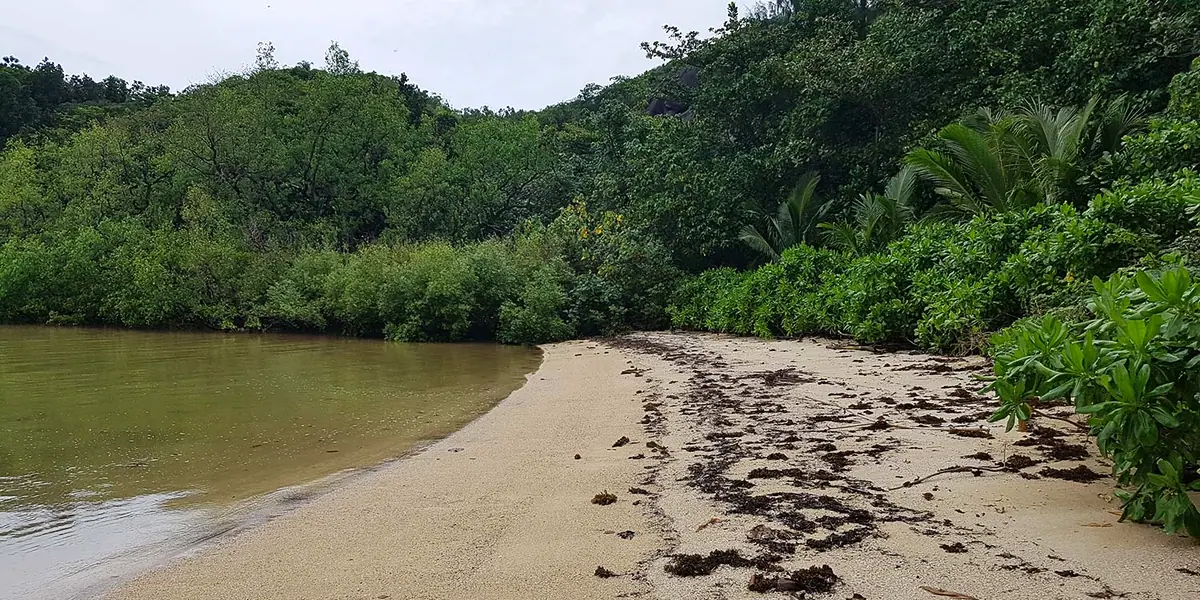
The cove is small. According to one beach guide, the strip of sand measures only about 100 by 20 metres, and it is often deserted. If you want a long beach for strolling, Port Launay is the better choice. If you are looking for a quiet corner with rocks and trees, you will find it here. Because the cove faces west, on a clear evening you can watch the sun set over the sea.
Getting there
On foot from Port Launay
The easiest way to reach Anse l’Amour is on foot. Depending on the source, it is 300 to 500 metres from Port Launay, so just a few minutes' walk along the coast road.
By bus
Port Launay is served from Victoria by the state bus company SPTC, among others on routes 9 (via Les Canelles), 13 (via La Misère and Grand Anse) and 14. The journey takes roughly 40 to 60 minutes depending on the route. Get off at Port Launay and walk the last stretch. Timetables change, so check the current times on the SPTC website and keep an eye on the last return bus in the afternoon.
By car
From Victoria it is about 30 minutes to Port Launay via La Misère. The road by the cove is narrow and has few passing places. Whether there is a designated car park right at Anse l’Amour is uncertain, as the information I have found contradicts itself. So plan on leaving the car near Port Launay, taking care not to block any driveways or passing places.
Swimming and snorkelling
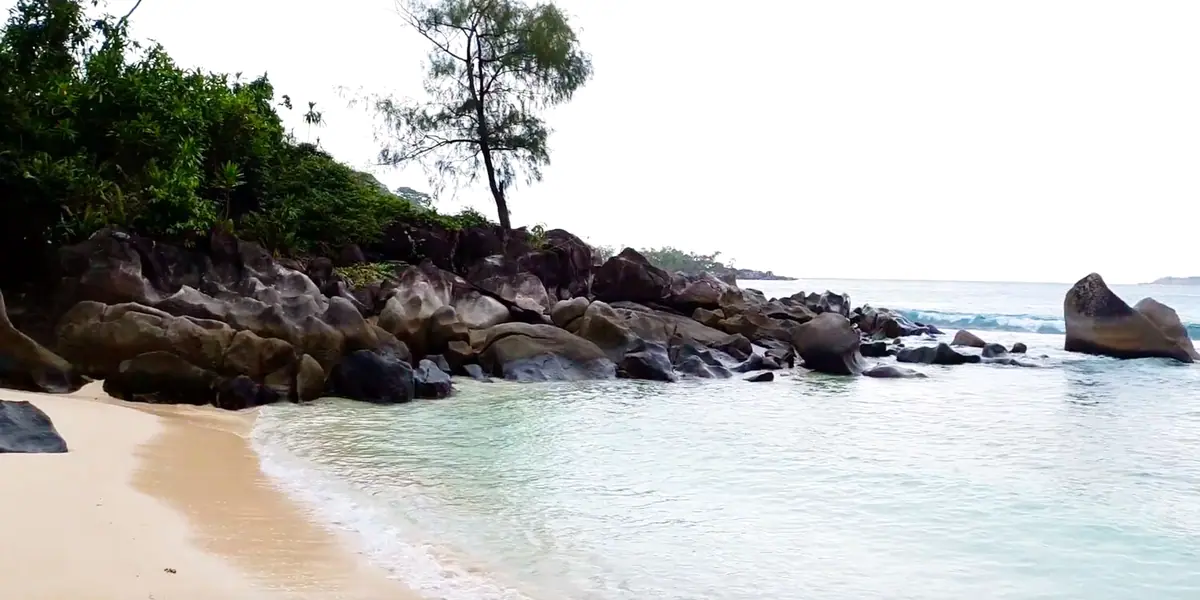
Descriptions of the cove differ. Some mention shallow, calm water and good snorkelling conditions, while others mention a reef off the shore. So start by going into the water close to the shore and take a look at the current and the seabed before swimming further out. As a rule, there are no lifeguards on the beaches of the Seychelles.
The conditions depend on the monsoon. April and October, the periods between the monsoons, are usually the calmest months. From May to September the south-east trade wind blows, which largely spares the west coast of Mahé. During the north-west season, roughly from November to March, there can be more swell and rain here. The sources do not entirely agree, and what matters is what the sea looks like on the day. At high tide the strip of sand can almost disappear entirely, so low tide is a better time to visit.
Tips and surroundings
On foot you can reach Port Launay beach in a few minutes, with shade under takamaka trees and reefs for snorkelling. The mangrove area Port Launay Coastal Wetlands has been a designated Ramsar site since 2004 and is home to all seven mangrove species found in the Seychelles. The neighbouring cove to the north is Baie Ternay, another marine park. For a longer beach with waves, often used for surfing too, head to Grand Anse, about seven kilometres away. You will find more west coast beaches on the page about Mahé.