What to expect on Aride
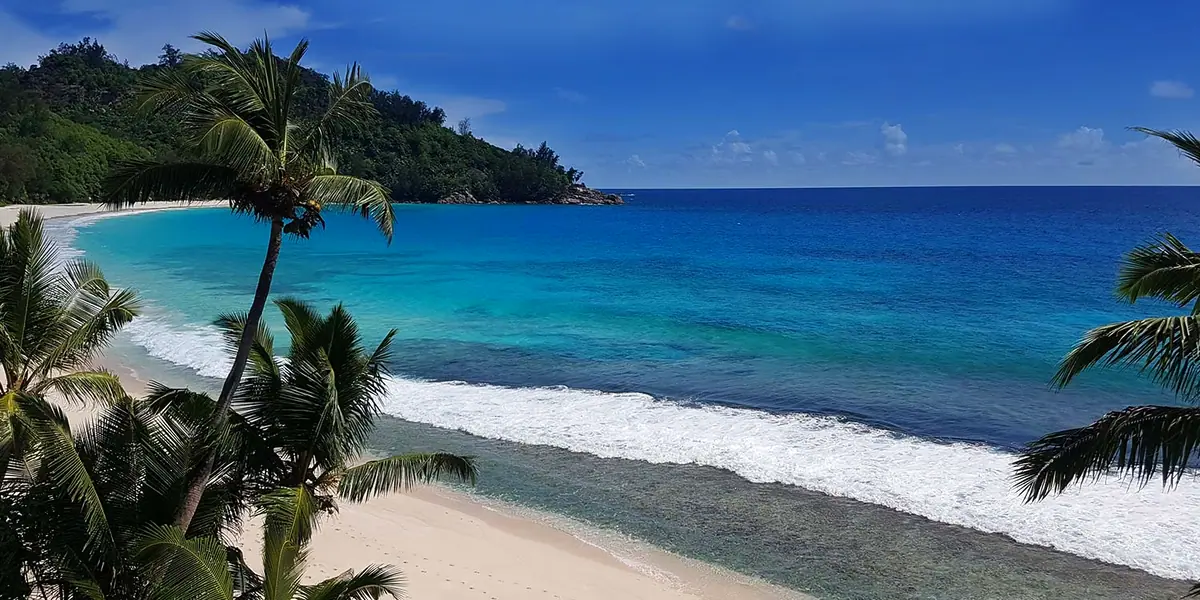
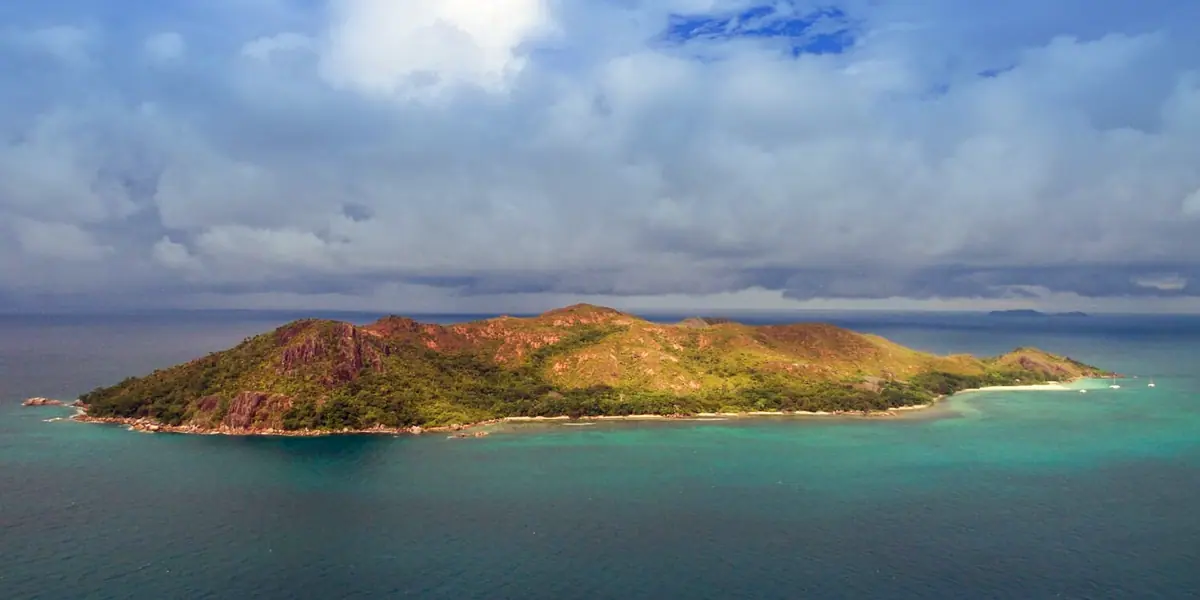
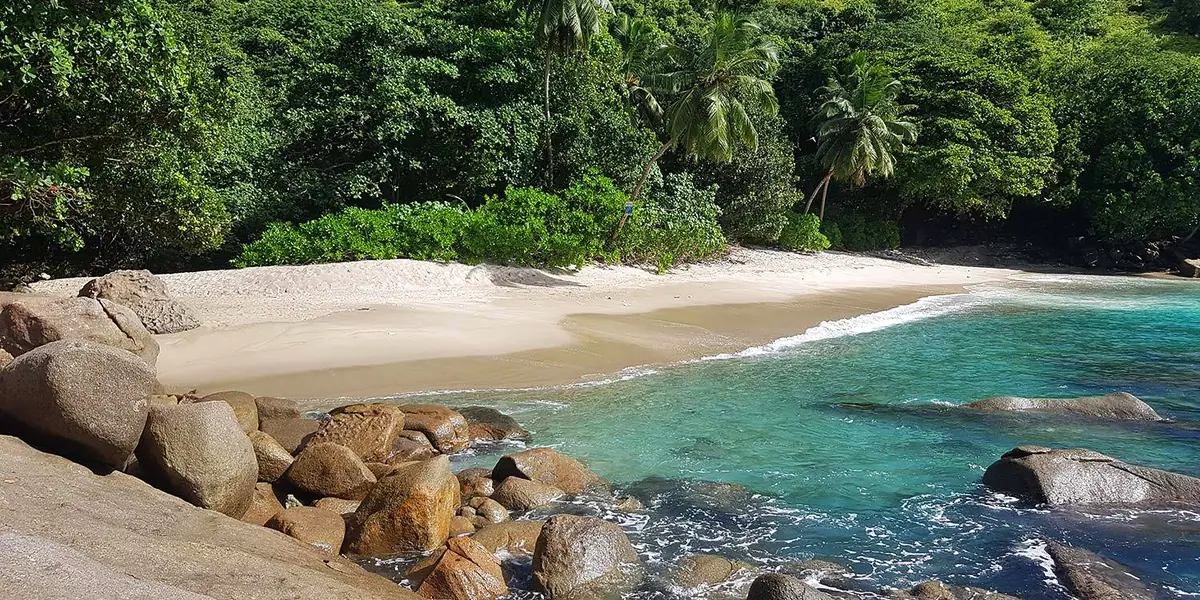
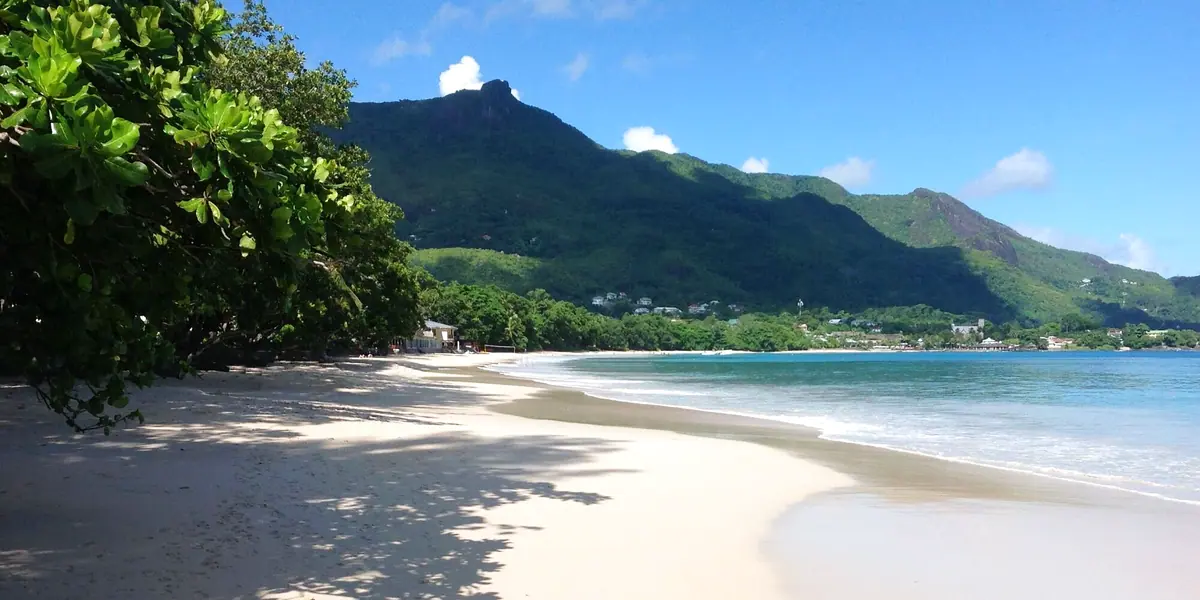
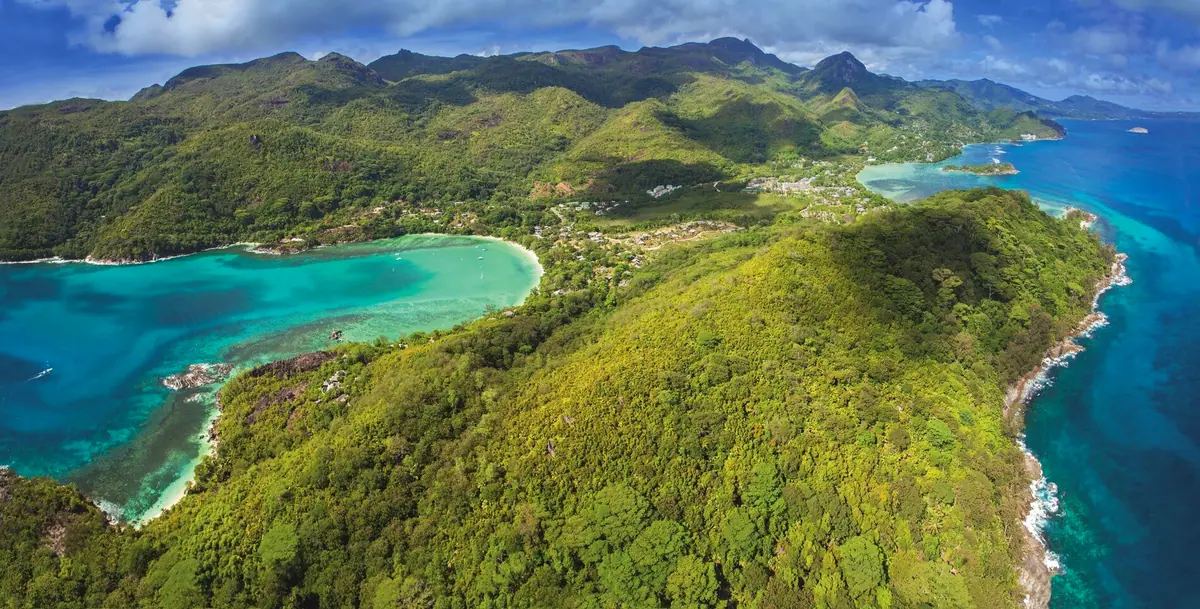
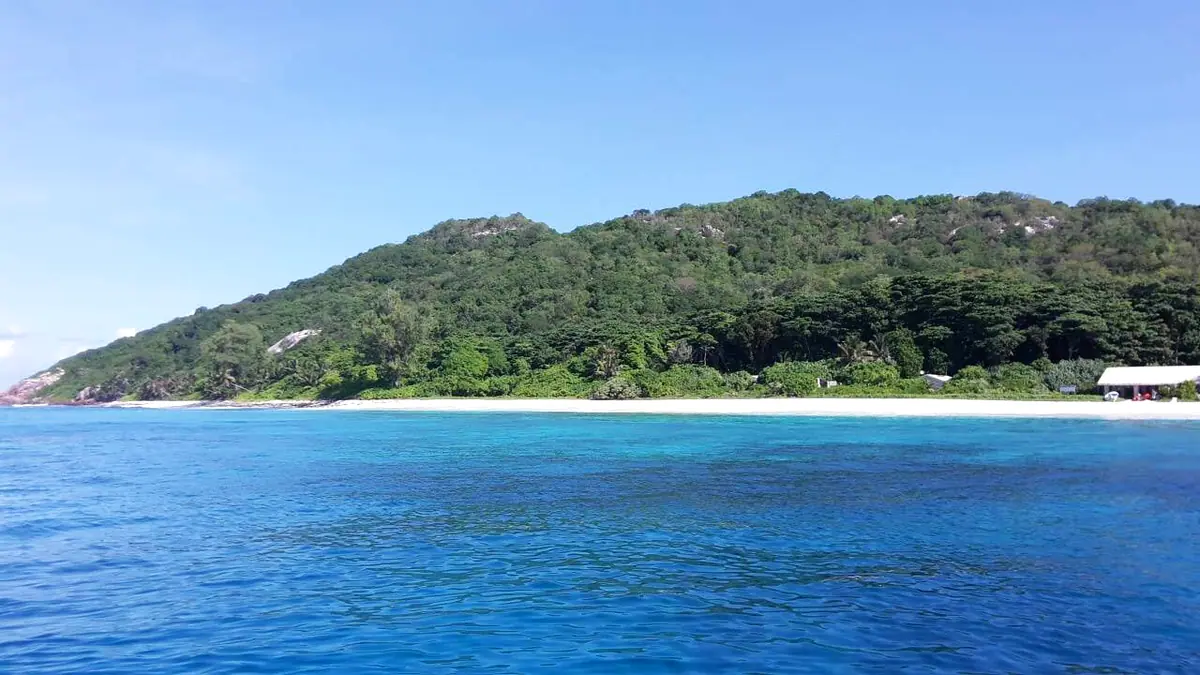
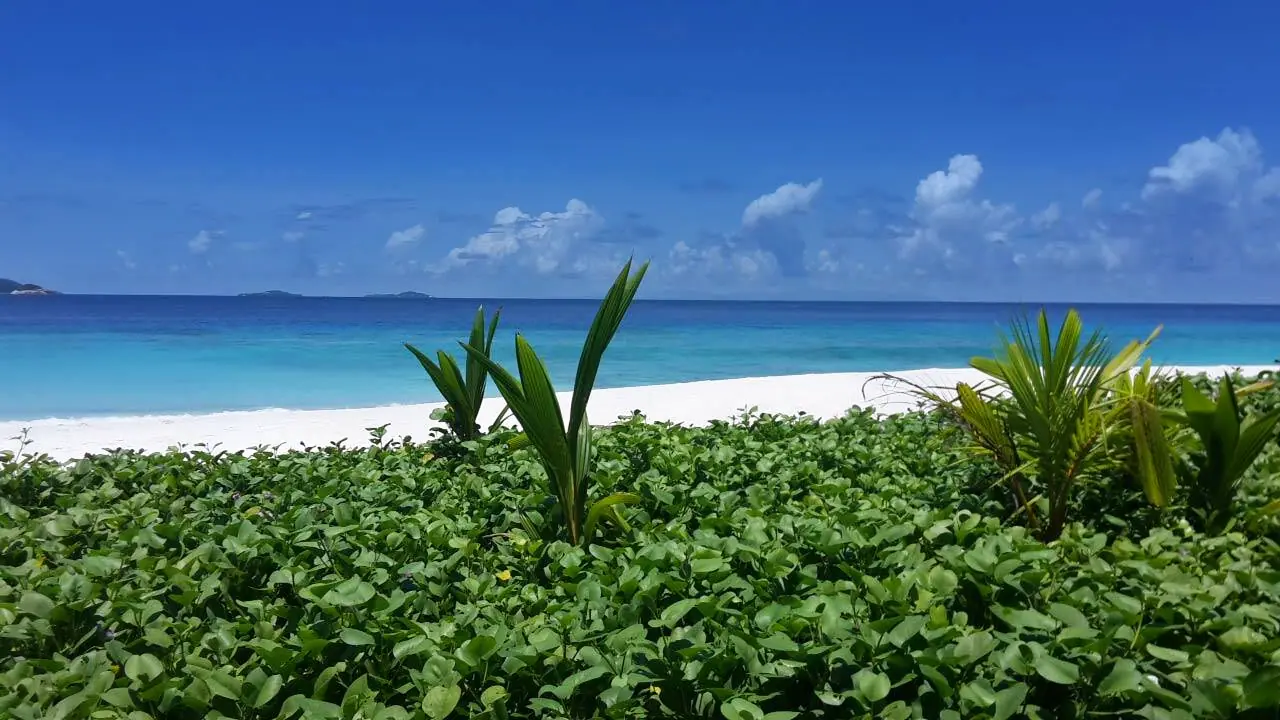
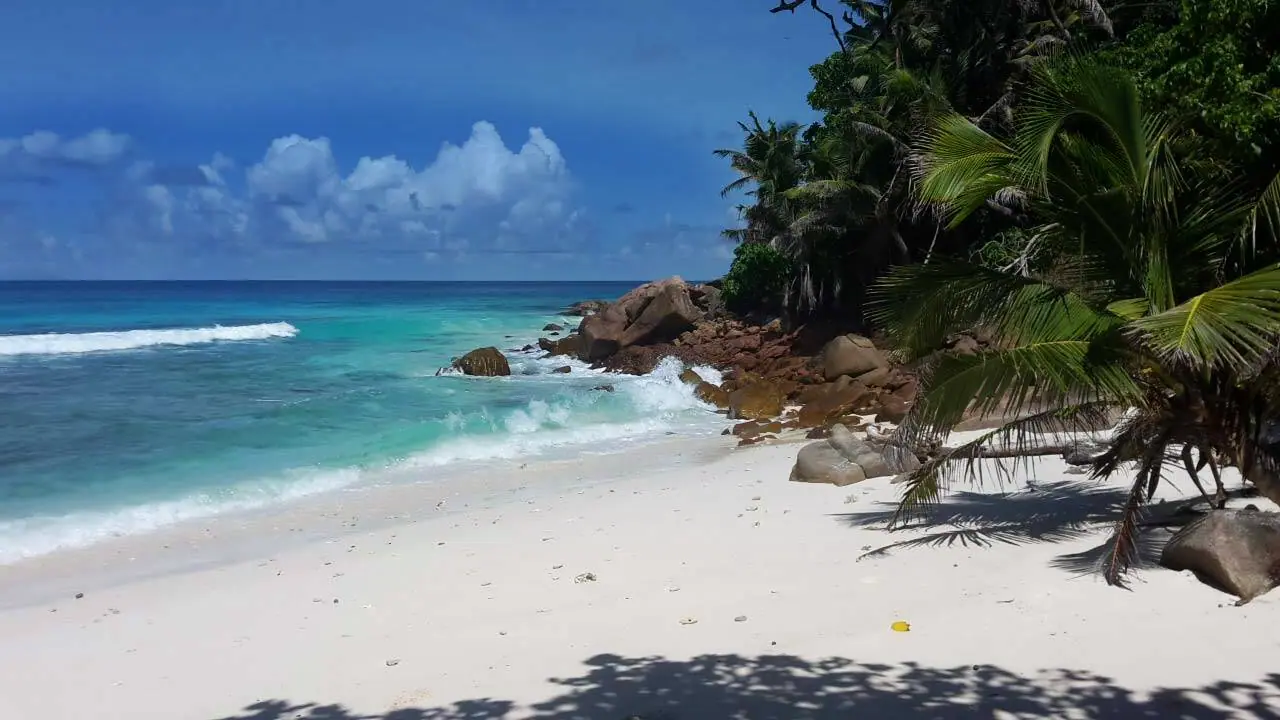
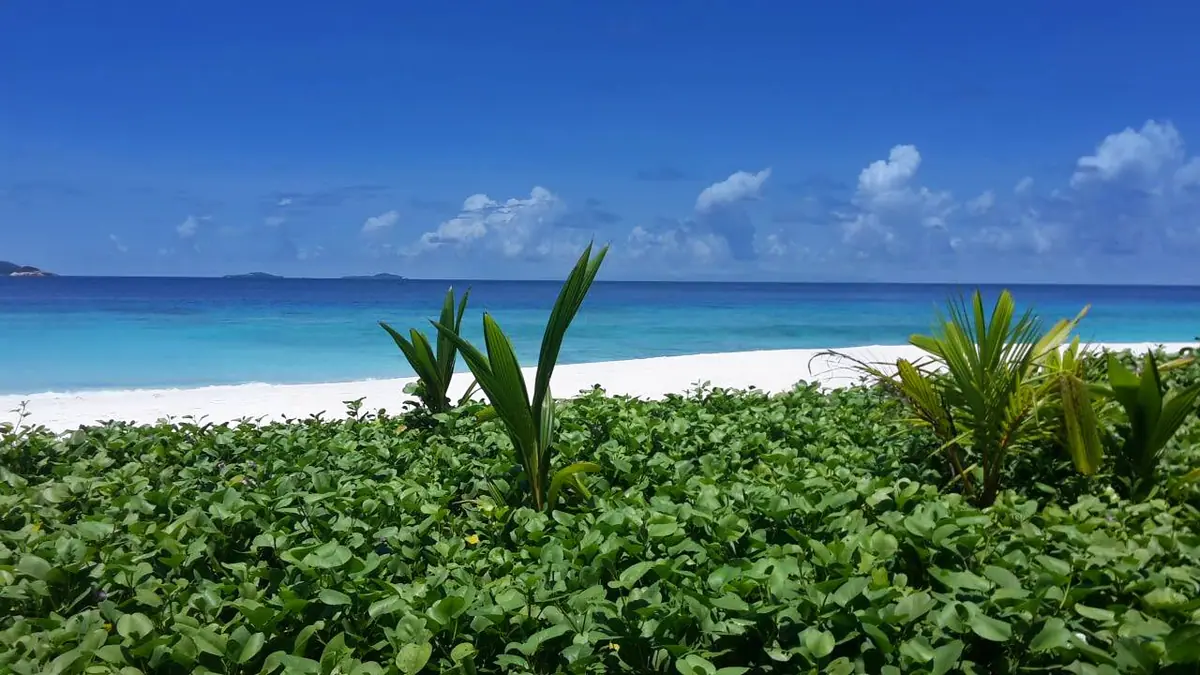
Aride is one of the loveliest islands in the Indian Ocean and also one of the most important nature reserves in the world. Rich in natural treasures, Aride has remained a wild and beautiful island.
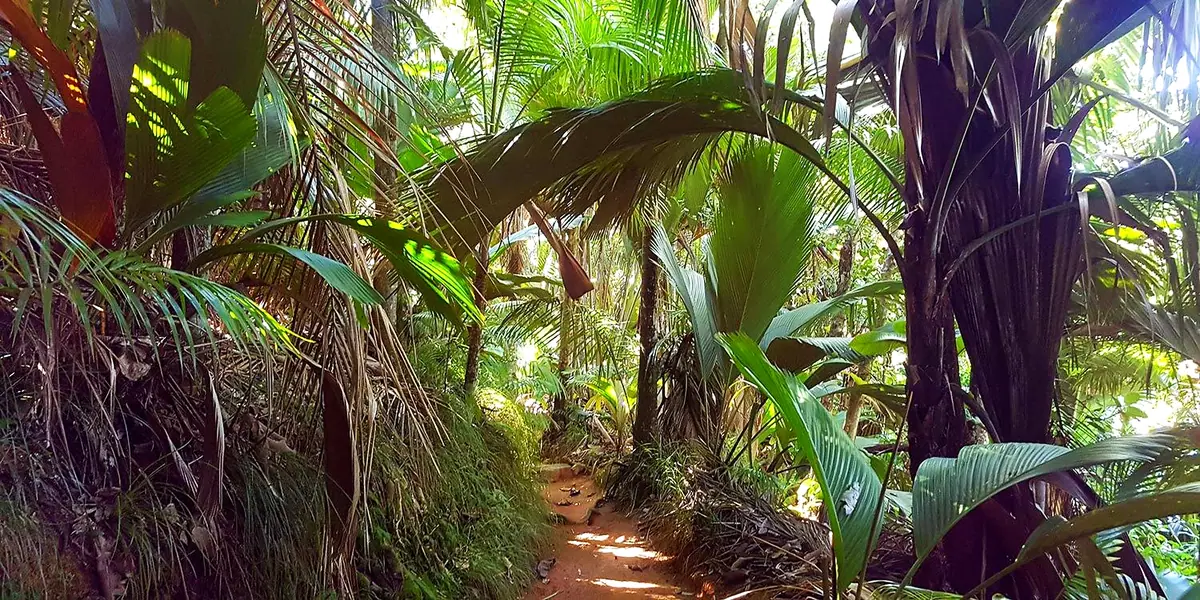
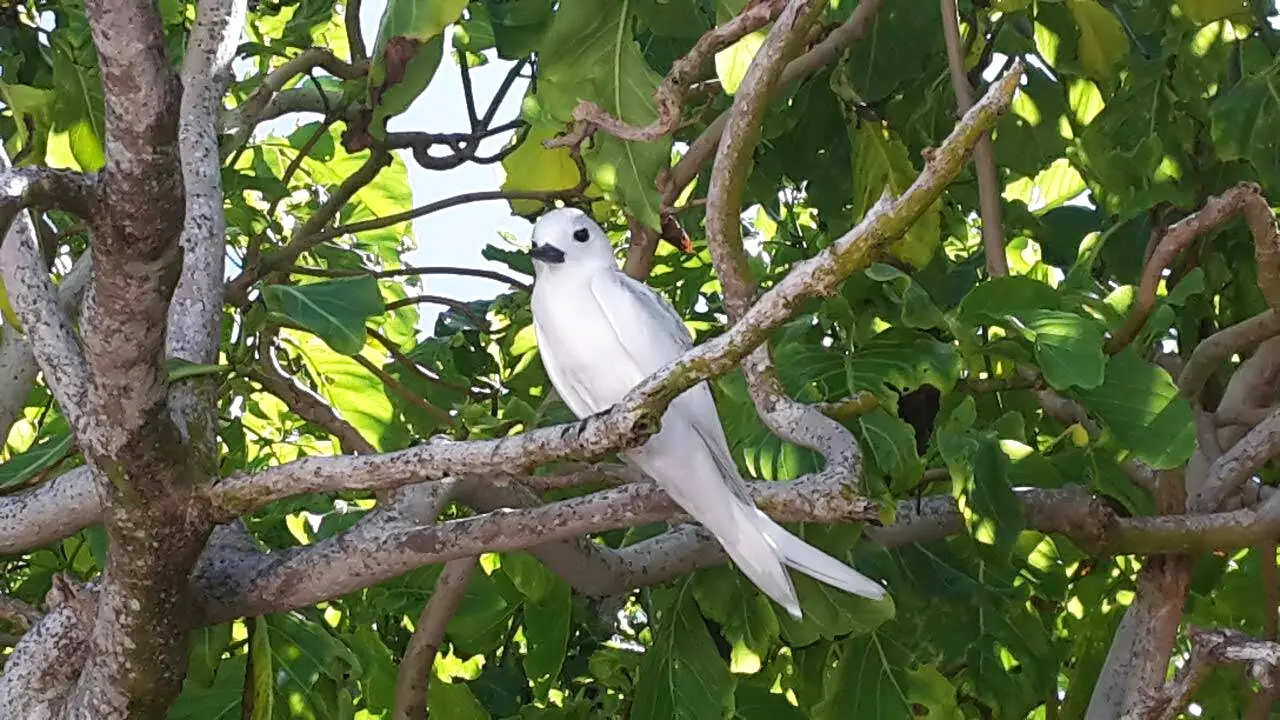
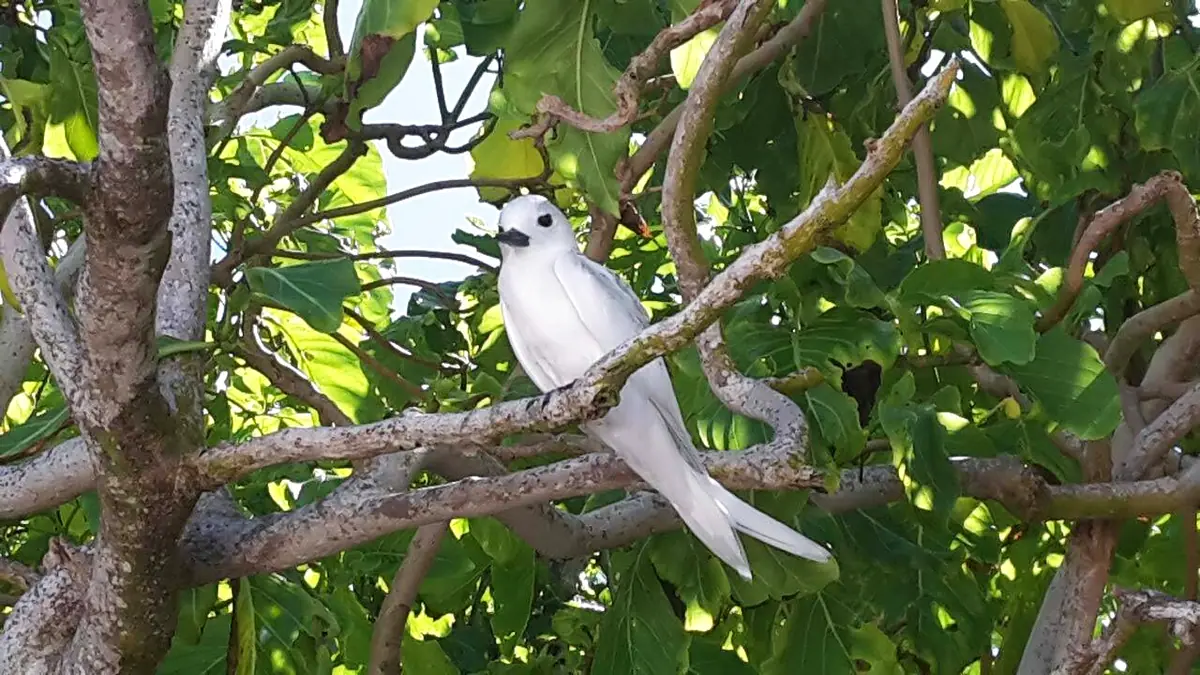
Aride is home to a million breeding seabirds from ten species, to native land birds such as Magpie Robins, Fodies, Brush Warblers and Blue Pigeons, to native plants such as Wright's Gardenia, and to turtle beaches and a rich underwater world.
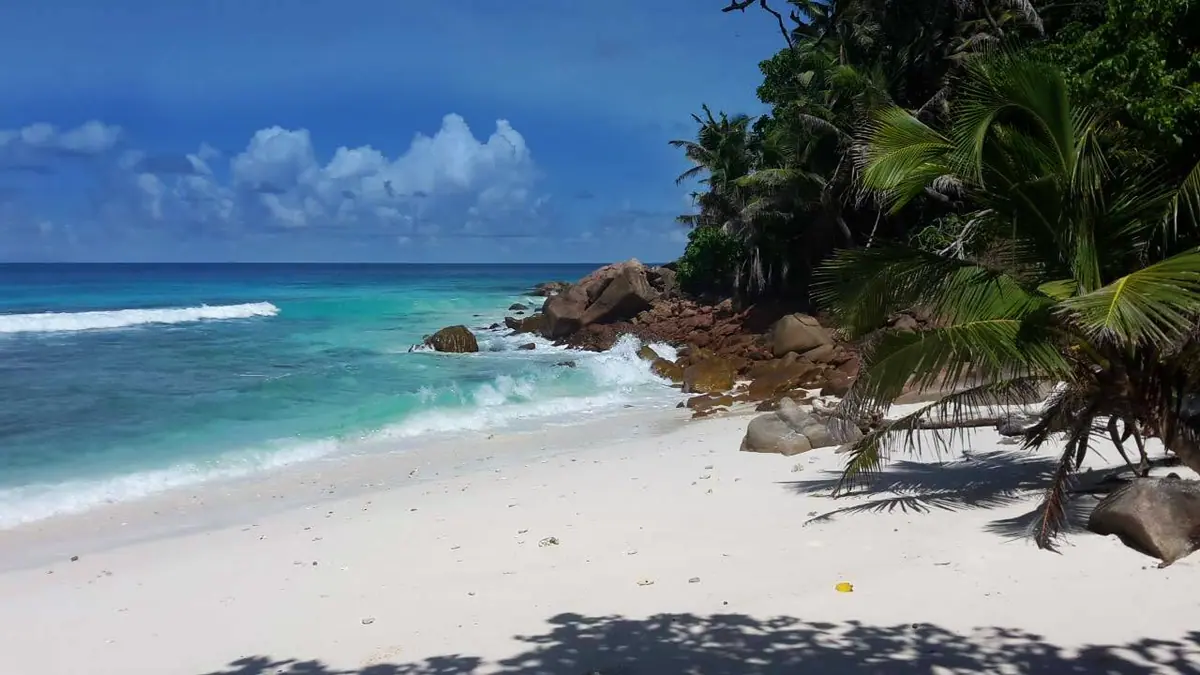
At around 68 hectares the island is small, and it is the most northerly of the granite islands. The walk with a ranger leads along forest paths up to the plateau and on to the cliffs. From there you can watch frigatebirds and tropicbirds riding the updraughts, while noddy terns sometimes nest within arm's reach of the trails. According to the reserve, Wright's Gardenia grows naturally nowhere else in the world. Green and hawksbill turtles come ashore on the beaches. The sea around the island is protected up to 200 metres offshore.
History and protected status
The island was bought in 1973 by Christopher Cadbury as a nature reserve and is now managed by the Island Conservation Society. Since 1979 Aride has been a special reserve by law. The fact that so many seabirds have survived here is also down to the strong surf, which kept settlers away for a long time. Some native land birds were later introduced deliberately from other islands, for example from Cousin and Frégate. You can find more background under Flora and Fauna and Nature and Conservation.
Getting there
By boat from Praslin
Aride lies about 10 kilometres north of Praslin. There is no ferry. You book a trip with a boat operator or through your hotel on Praslin, and the crossing takes around 30 minutes. Departure is usually from the north coast, for example near Côte d'Or. For an overview, see Boat Tours.
The boat transfer from Praslin costs about €115 including the landing fee. This is a guide price based on group excursions. The price depends on the operator, group size and charter, and a private boat is considerably more expensive. Before booking, ask whether the landing fee is included.
Landing on the island
No vessels other than those of the reserve are allowed to land on Aride. Visitors have to leave their own boat and board one of the island's boats to be taken ashore. The transfer takes place on open water, and the beach landing is wet and can be rough. For people with limited mobility, a visit is therefore difficult. Private yachts are subject to special rules, which the reserve describes on its website.
Opening days and entrance fee
Aride is normally open to visitors from Monday to Friday, and the guided walks usually take place between about 10 am and 3 pm. Saturdays and Sundays are only possible by prior arrangement with the island manager. The landing fee includes the guided walk.
From May to September the island is at times completely closed to tourists because of the surf, and at other times of year it can also close at short notice. Boat operators are asked to contact the reserve at least one day in advance. If you are travelling without an organised group, you need to check this yourself.
| Visitors | Landing fee (as of November 2026) |
|---|---|
| Adults | 650 SCR, or USD 50 or EUR 45 |
| Children aged 4 to 13 | 300 SCR or equivalent in another currency |
| Children under 4 | Free |
| Seychelles residents | Preferential rate upon presentation of ID or residence permit |
The following payment methods are accepted: cash in euros, rupees (SCR), US dollars or Swiss francs, as well as MasterCard and Visa. To be on the safe side, bring enough cash with you and settle the payment with your boat operator beforehand.
Duration and best time to go
Allow half a day, so roughly three to four hours including the crossing. If you combine the visit with other stops, for example Curieuse, plan for a full day. The most reliable months are those of the north-west monsoon from October to April, when the sea at the landing point is usually calmer. During the months of the south-east trade winds the island is often closed, see also the best time to travel.
Tips for your visit
Stay on the paths and follow the ranger, as ground-nesting birds often sit right beside the trail. Do not crowd the birds or chicks. Binoculars are worthwhile, even though many birds are close by. On the return trip please keep quiet, as this is when the birds fly back to their roosts. Overnight stays for visitors are not possible, and Aride is a day trip only. Further rules for behaving in nature can be found under Do's and Don'ts.