What to expect
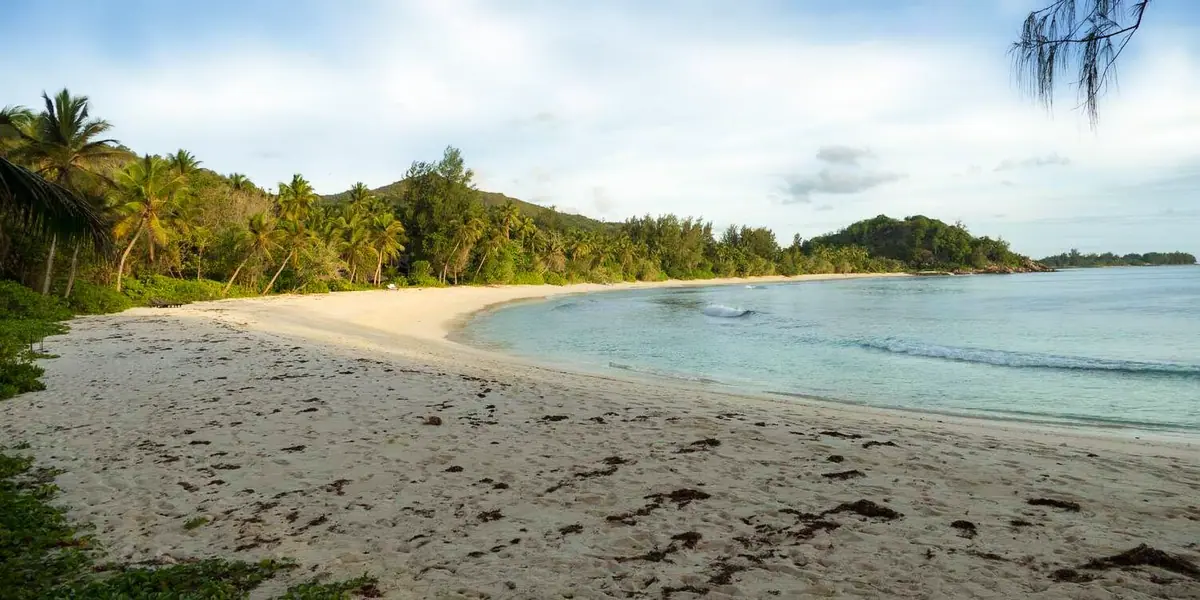
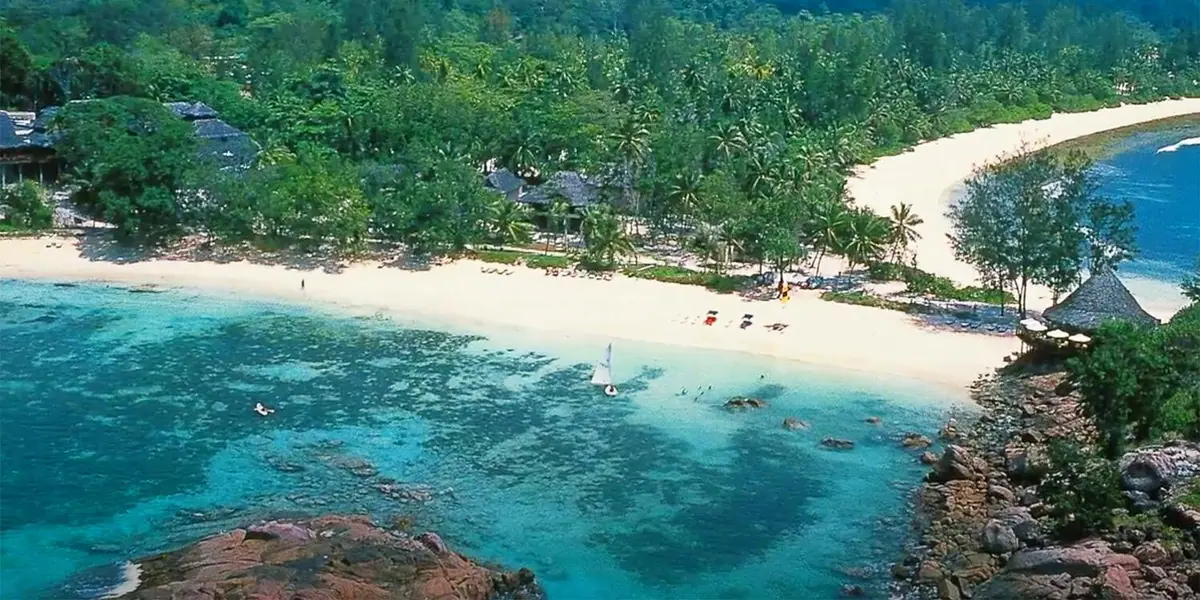
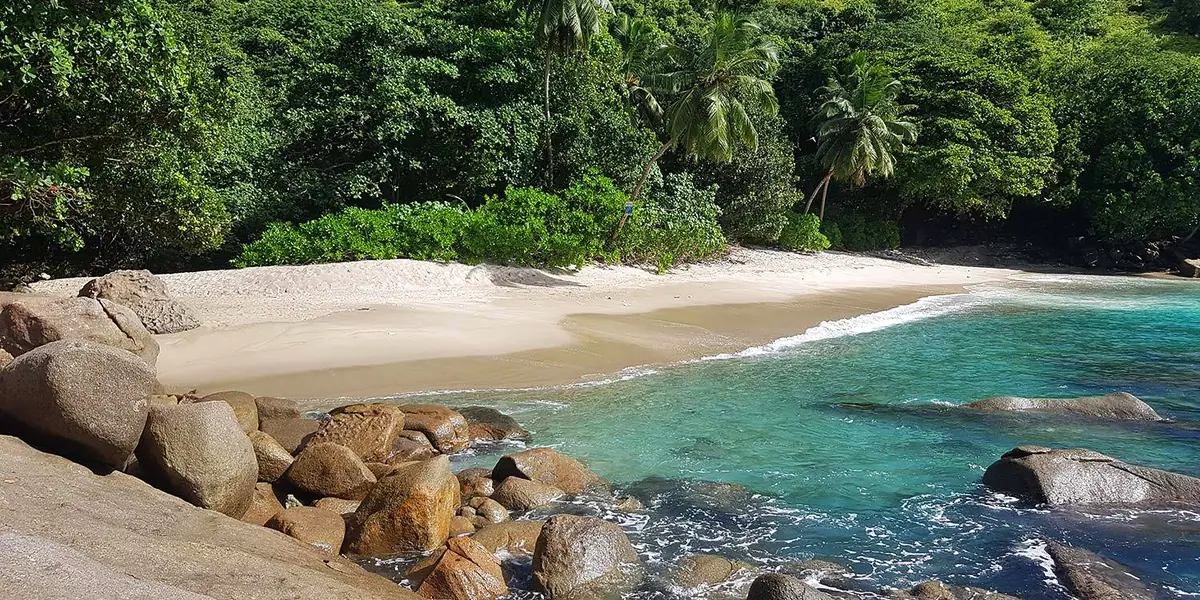
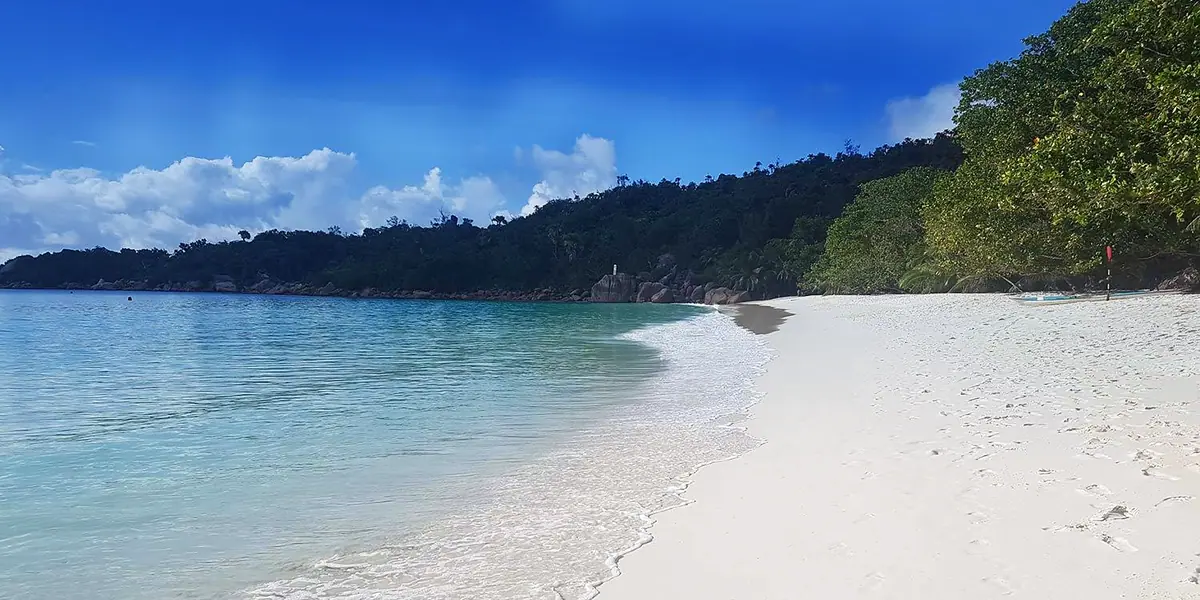
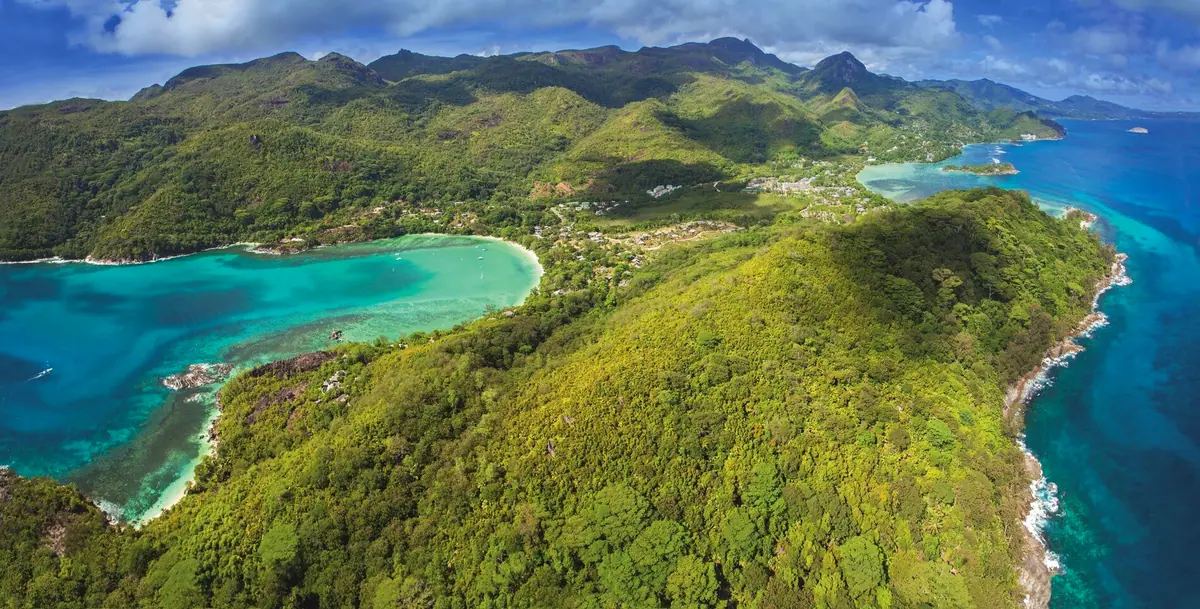
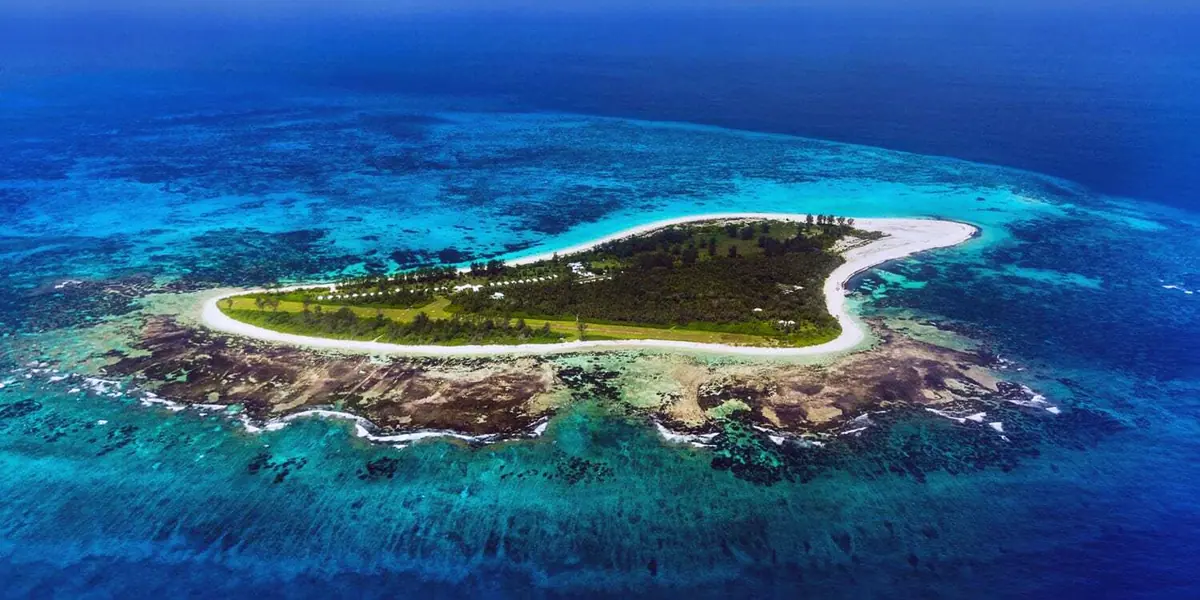
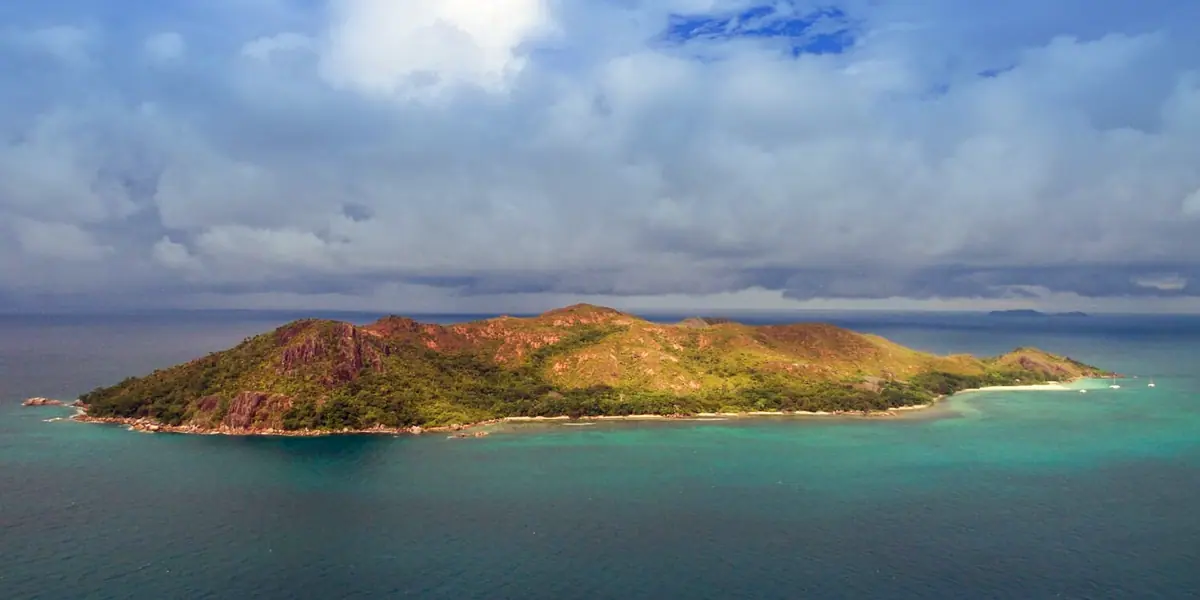
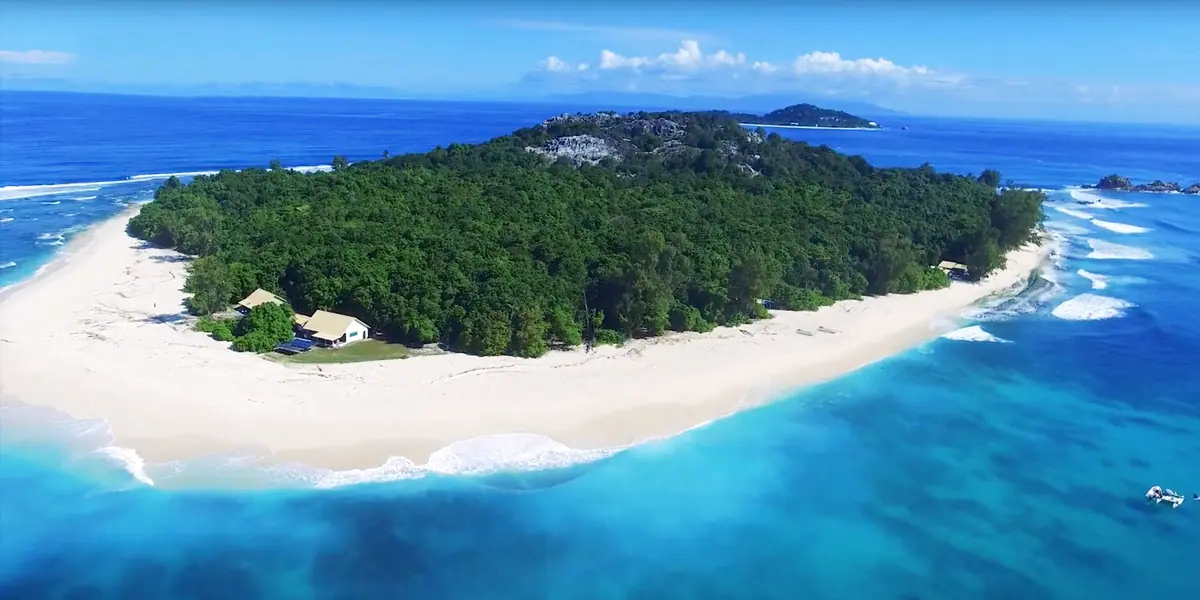
The island of Cousin in the Seychelles is an outstanding example of ecotourism and one of the first island reserves in the world. To protect the small, threatened population of Seychelles warblers, the granitic island was declared a nature reserve in 1968 by the International Council for Bird Preservation (now BirdLife International).
The whole island, including the reef up to 400 m offshore, is a protected area. It is managed by Nature Seychelles (formerly BirdLife Seychelles), a local non-governmental organisation (NGO).
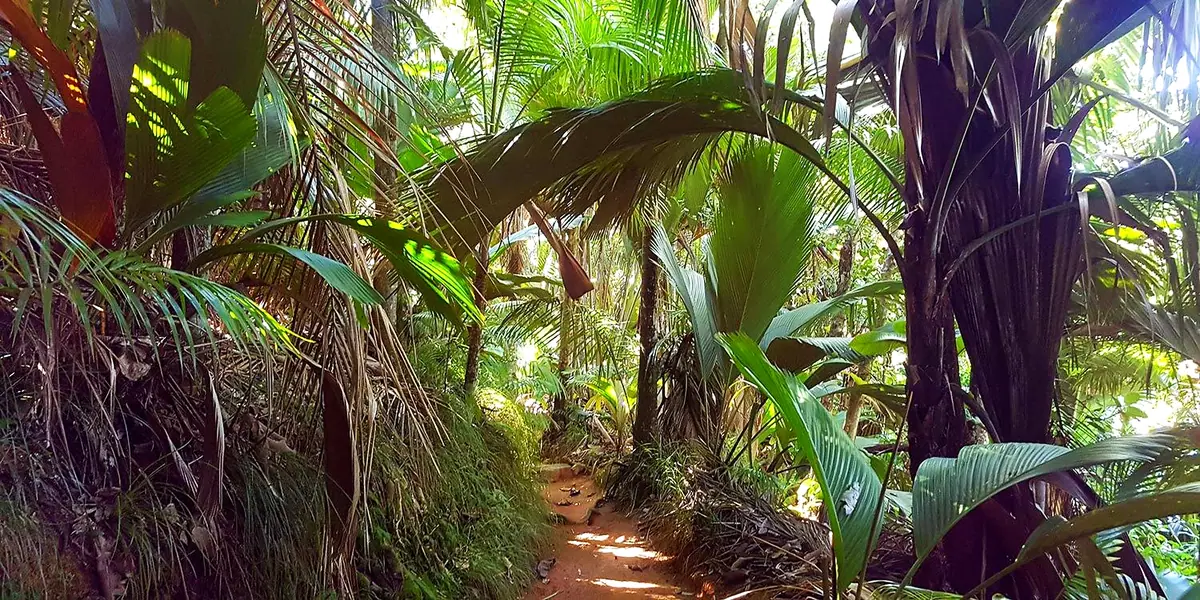
Cousin is given over entirely to conservation and is the only granitic island in the Seychelles whose natural vegetation is protected. It is one of the best protected nesting sites for hawksbill turtles in the world and boasts the highest density of lizards per hectare.
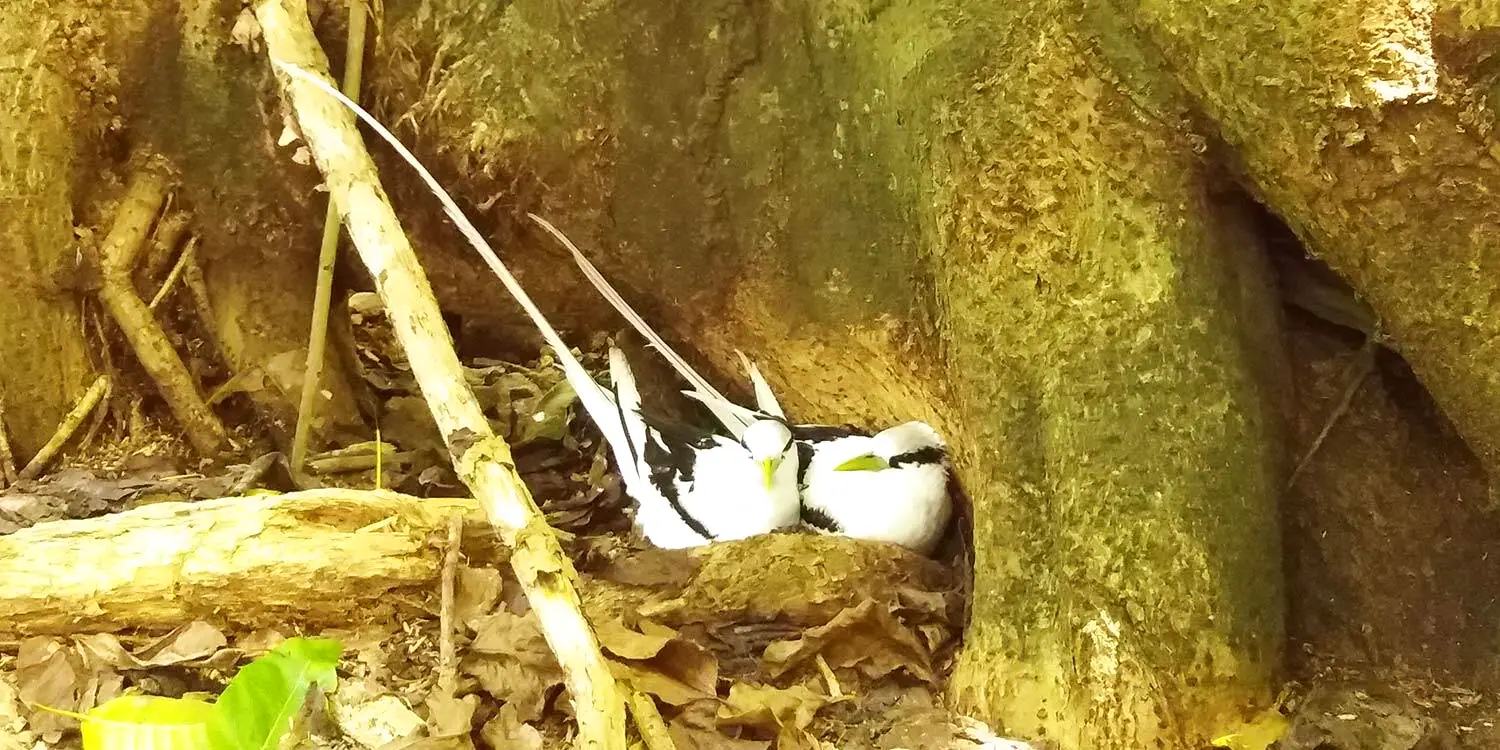
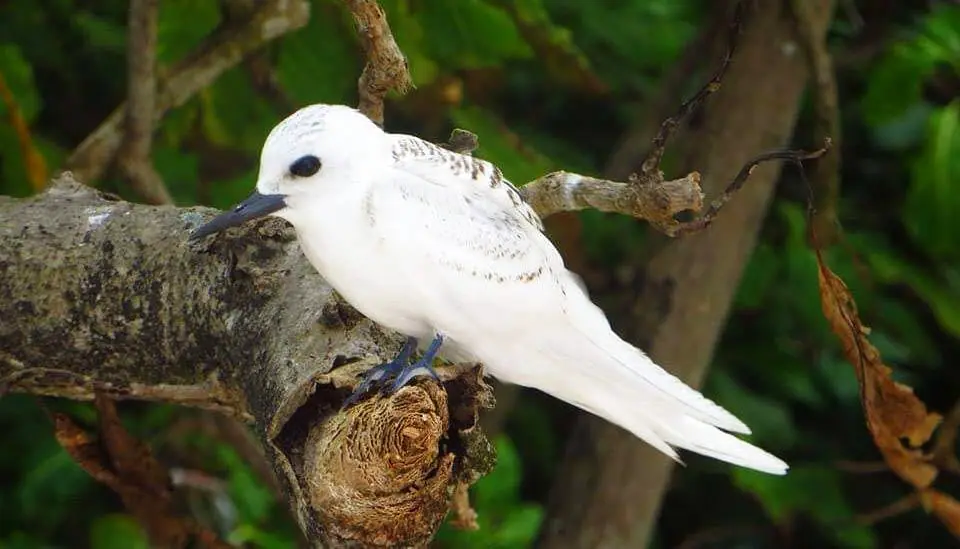
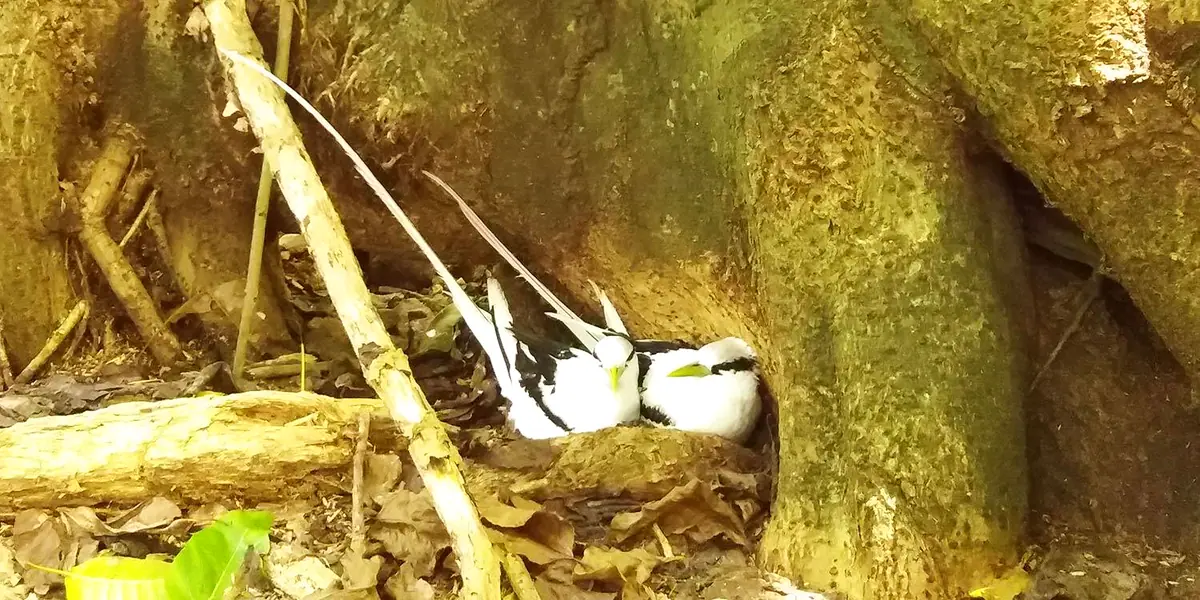
Cousin is home to five native species of land bird and is visited every year by 300,000 breeding seabirds. It also has the best protected and most diverse fish life of any of the protected areas around the granitic islands.
The guided walk
Visitors do not explore the island on their own. A warden from the reserve leads the group along the paths and explains the birds, plants and conservation projects. The tour lasts about 75 minutes and is given in English or French. If you would prefer German, ask your operator whether someone in the group can translate or whether another solution is possible.
Before the walk begins you may have to wait briefly in one of the shelters. Put on insect repellent there. There are no shops or refreshments on the island, no overnight stays and no barbecue areas.
Wildlife and the best time to visit
Seabirds can be seen all year round, but which species you meet changes with the breeding seasons. Guidebooks mention April to September in particular for the large seabird colonies. The wardens on the island are the best source for the exact breeding times of individual species.
According to Nature Seychelles, hawksbill turtles usually lay their eggs between September and March, with the peak generally in November and December. During this period the paths also pass turtle nesting beaches. There is no way of predicting whether you will see one. Keep your distance, touch nothing and do not use a flash.
Getting there
From Praslin by boat
Cousin lies about 2 km off the coast of Praslin. There is no public ferry service. Visits are arranged by licensed operators from Praslin, and the reserve itself does not run boat trips. The easiest way is to book through your hotel or guesthouse, or alternatively through a tour provider, see boat tours.
Boat trips are offered, for example, from Côte d'Or. The crossing takes about 15 to 30 minutes, depending on the departure point and the sea conditions. You are not allowed to land with your own boat.
The visit is often combined into a day trip with Curieuse and St Pierre. The landing time on Cousin is fixed, and the rangers coordinate all the groups.
From Mahé and La Digue
From Mahé you can reach Praslin by ferry (Cat Cocos) or by air (domestic flights). Ferries also run from La Digue to Praslin. As the tour takes place in the morning, staying overnight on Praslin is the most relaxed option. You will find further options under Getting around the Seychelles.
Opening times and entrance fee
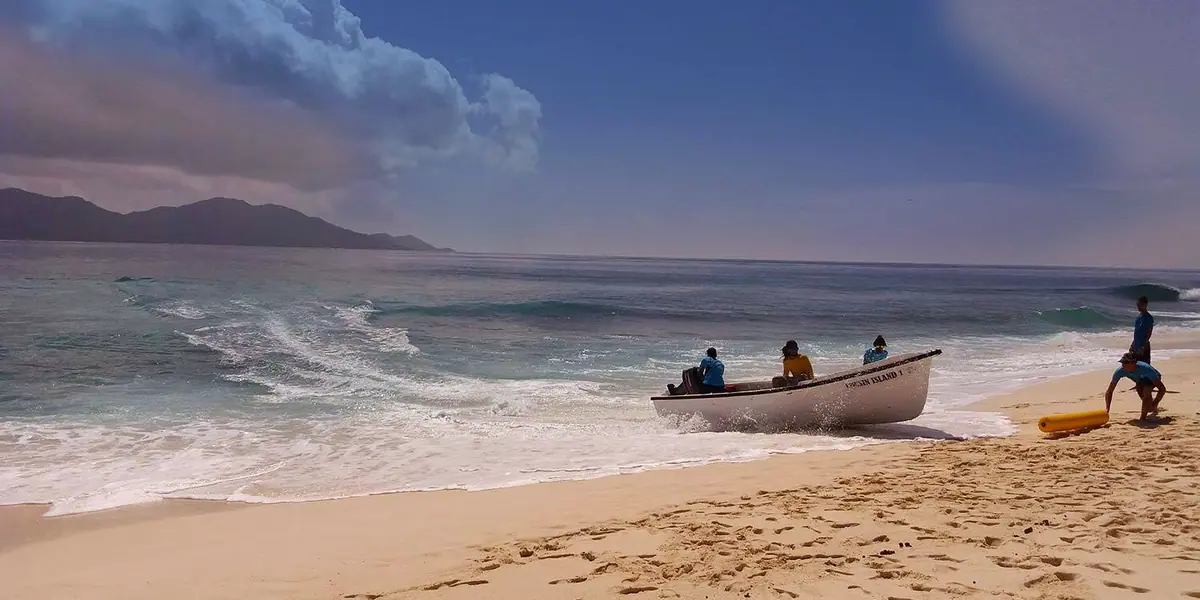
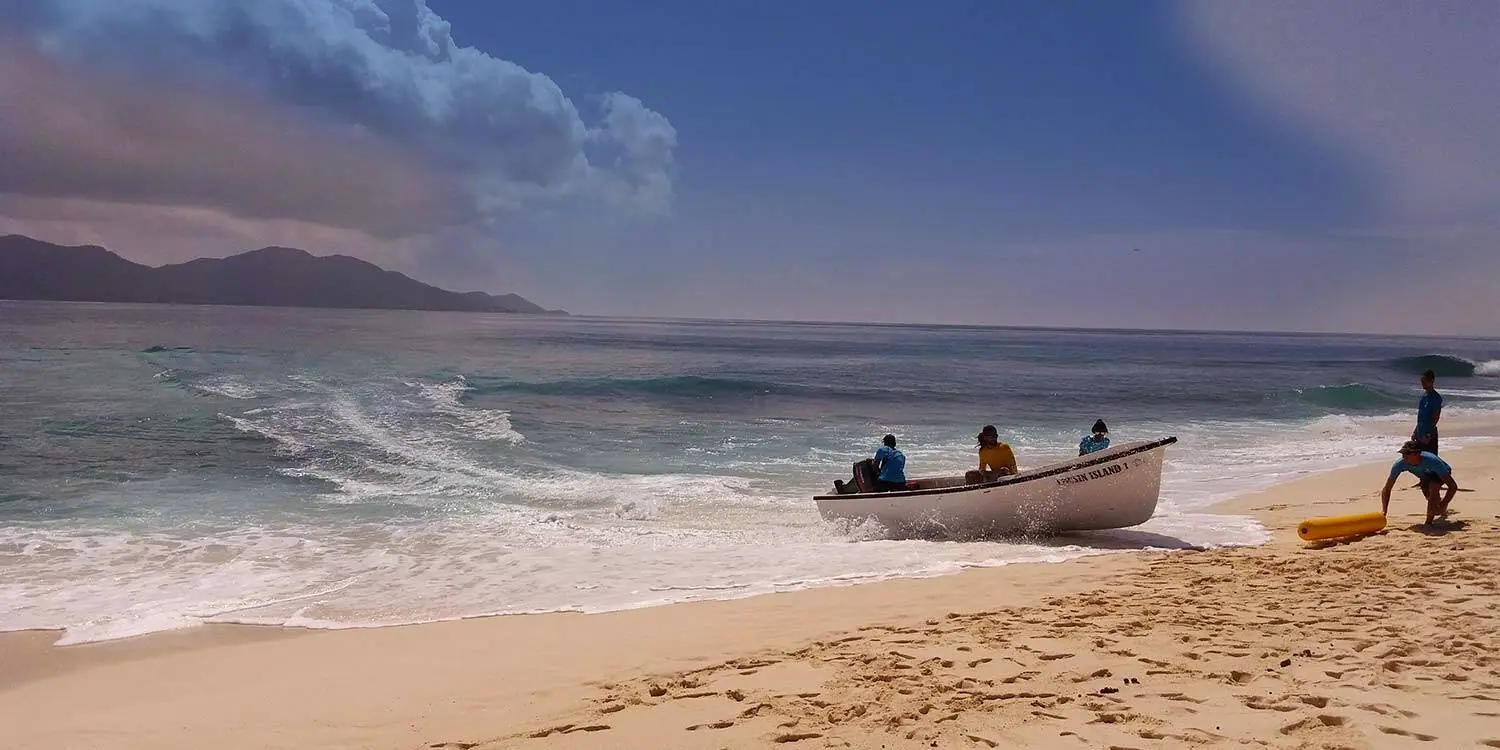
Opening times: The reserve is open for half-day visits from Monday to Friday and is closed on public holidays. Staff bring visitors ashore, as boats may only approach to within 200 m of the island. There is no jetty, and the reserve's own boats land on the beach. Plan your boat's arrival so that you are there on time for the start of the visiting period. In the afternoon the island is closed to visitors.
| Information | |
|---|---|
| Opening hours | Monday to Friday, 9:45 to 12:30, closed on public holidays |
| Duration of tour | approx. 75 minutes |
| Admission for tourists | 600 SCR (as of November 2026) |
| Admission for Seychelles residents | 300 SCR (as of November 2026) |
| Children under 12 | free |
| Boat trip from Praslin, including landing fee | approx. 150 € per person, depending on operator (as of November 2026) |
The landing fee is usually settled through the tour operator. Which payment methods are accepted depends on the provider. So far the following have been mentioned: cash (euros, rupees, US dollars, Swiss francs), credit cards (Visa, MasterCard, American Express) and bank transfer. Ask when you book.
Tips for your visit
Sturdy footwear is not necessary, but the paths are uneven. Sandals with a good grip or light trainers are a good choice. For photos a telephoto lens or a smartphone with zoom is enough, because you have to stay on the paths.
If you are interested in conservation, you will find more under Nature and conservation and Flora and fauna. Do not confuse it with Cousine, which is a separate, privately owned island. Another reserve in the area is Aride. You will also find information on all the times under Opening times in the Seychelles.