What to expect
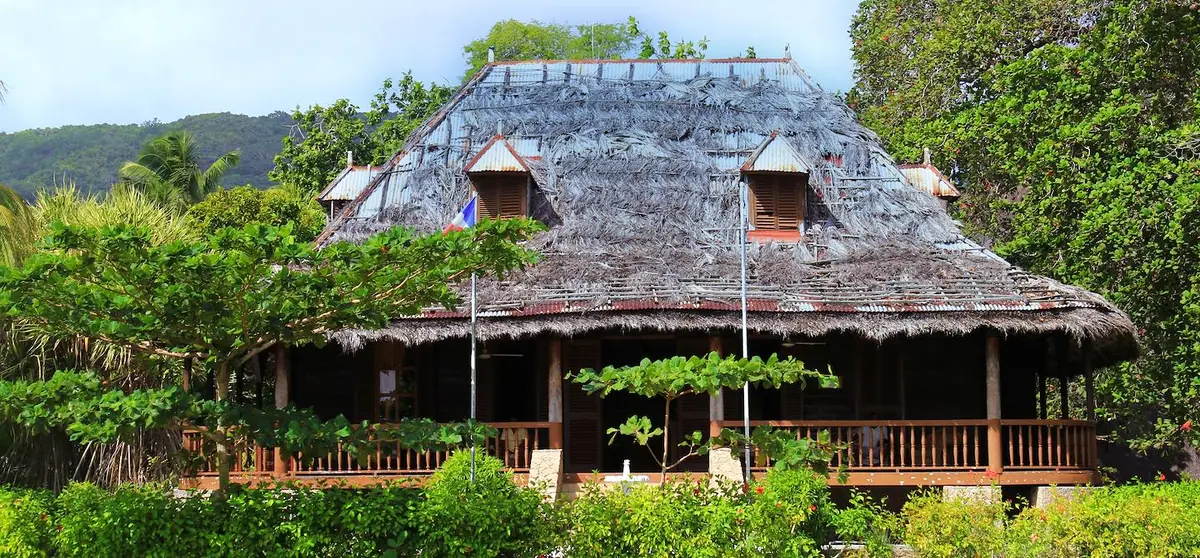
This attraction is part of the L'Union Estate and is one of the few plantation houses still standing in the Seychelles. It is among the oldest, and it forms the centrepiece of the L'Union Estate, which originally belonged to the wealthy Hossen family, who came to the Seychelles from Mauritius in the 19th century.
In Creole the house is called “Grann Kaz”, the big house. In 1977 it was used as a location for the film “Goodbye Emmanuelle”, and today it is one of the most valued historical witnesses to the Creole heritage of the Seychelles.
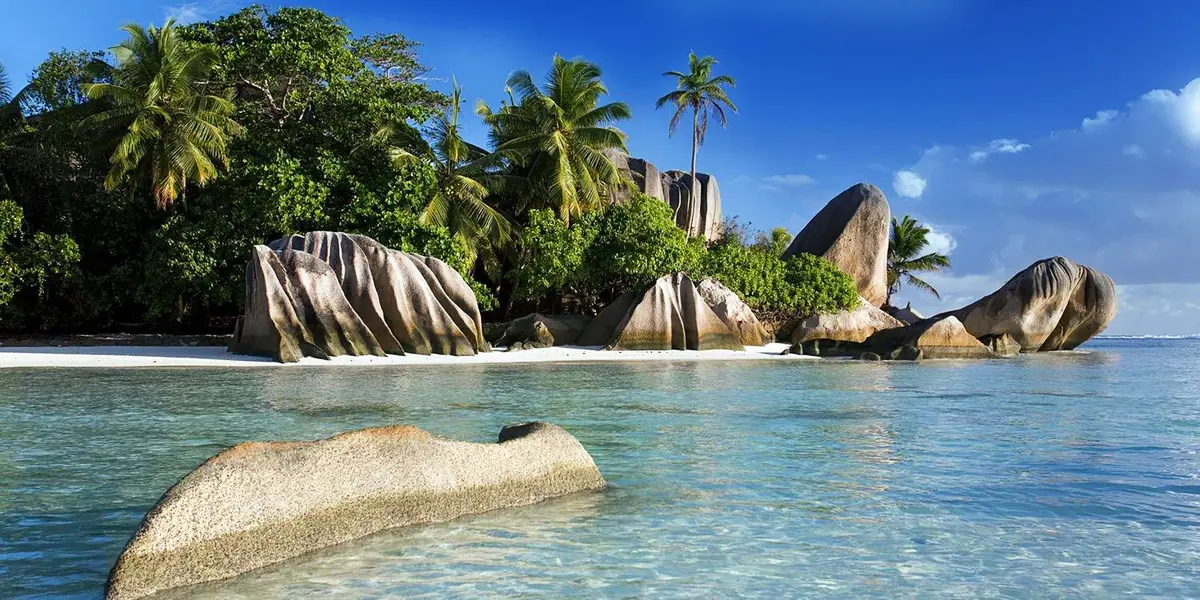
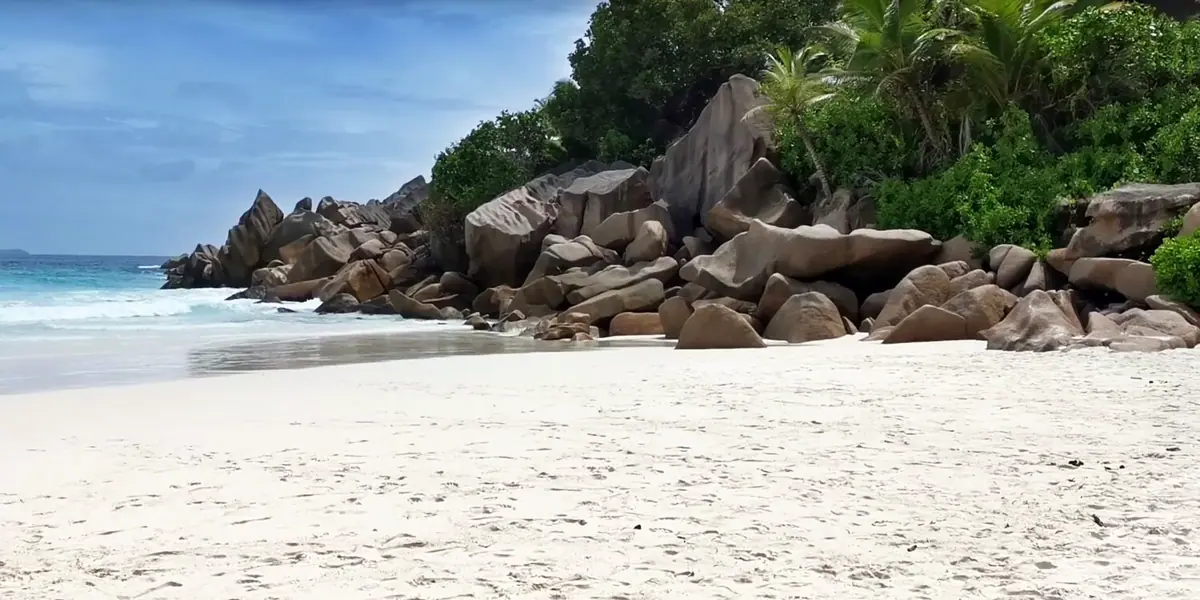
The house has been restored and is surrounded by gardens and large granite boulders. Since the end of 2025 it has also housed a showroom selling Takamaka rum, while the tasting bar is in the nearby Pirogue Shed. According to visitors, there is also a small gallery inside the house.
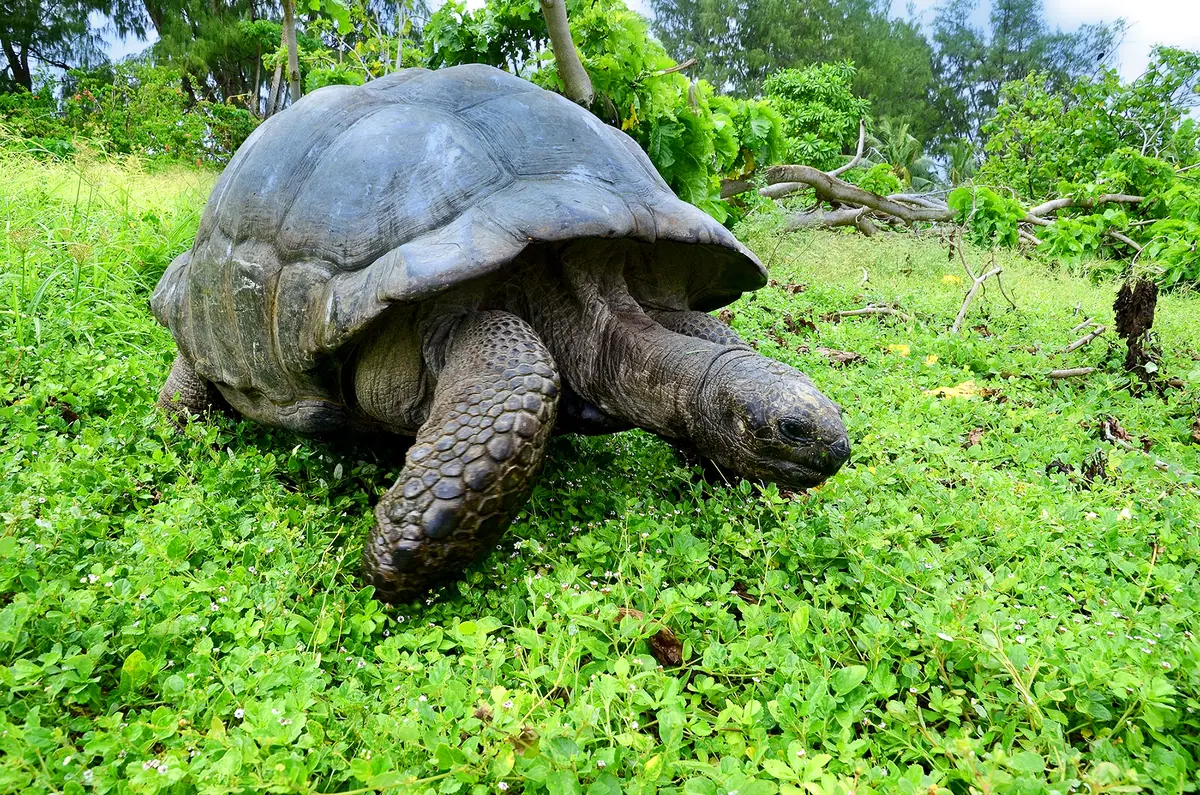
The house is only one part of the grounds. The estate also includes the old copra mill, the vanilla and coconut plantation, the old cemetery of the first settlers and the giant tortoises. Visiting the house is a good reason to explore the whole park.
Architecture and history
It is built in the French colonial style, with floorboards laid over ceiling joists. The house has a thatched roof, supported by posts and rafters that were probably made from capucin or takamaka wood, both widely used in the early 20th century. The steps on all four sides of the house are typical of plantation houses of that period.
The estate was a coconut and vanilla plantation. Copra was still being processed there with ox-driven mills until the 1980s. Later the property served as a holiday residence of the former president France-Albert René, and today it is protected as a national monument. Accounts of the first owners and residents differ: besides the Hossen family, the Mellon family is also named, said to have received the land in 1807. There are hardly any information boards on site, so a guided tour will give you more background.
Getting there
By ferry to La Digue
La Digue has no airport. Ferries dock at the jetty in La Passe. From Praslin the crossing with the Cat Rose takes about 15 minutes, and the Cat Cocos sails directly from Mahé. You will find timetables and prices on the page Cat Cocos ferry, and more about the island under La Digue.
From La Passe to the estate
The estate lies in the south of the island near Anse La Réunion, only a short bike ride from the harbour. You can hire bicycles right at the jetty or through your accommodation. The daily price is around SCR 150 (as of November 2026) and varies from one provider to another. Taxis and ox carts are alternatives. The road ends at the estate, and after the entrance you reach the house on foot along short, flat paths.
Opening hours and admission
| Information | |
|---|---|
| Opening hours | daily 6:00 a.m. to 6:00 p.m. (according to the estate operator) |
| Admission for foreigners (as of November 2026) | SCR 150 per person, about 10 EUR |
| Validity | one day with unlimited entries and exits; if purchased after 4:30 p.m., the ticket is valid the following day |
| Longer stay | Special rate for guests staying more than 5 days on the island |
| Public holidays and festive season | open; light and art installations also after 6:00 p.m. |
Payment: Until now, cash in euros, rupees (SCR), US dollars and Swiss francs has been accepted. This is not currently confirmed. The safest option is to bring rupees in cash.
Duration, best time and tips
Also worth a visit nearby are the Eustache Sardes House and the Green Gecko Gallery. You will find more ideas for the island under Sights in the Seychelles.