What to expect
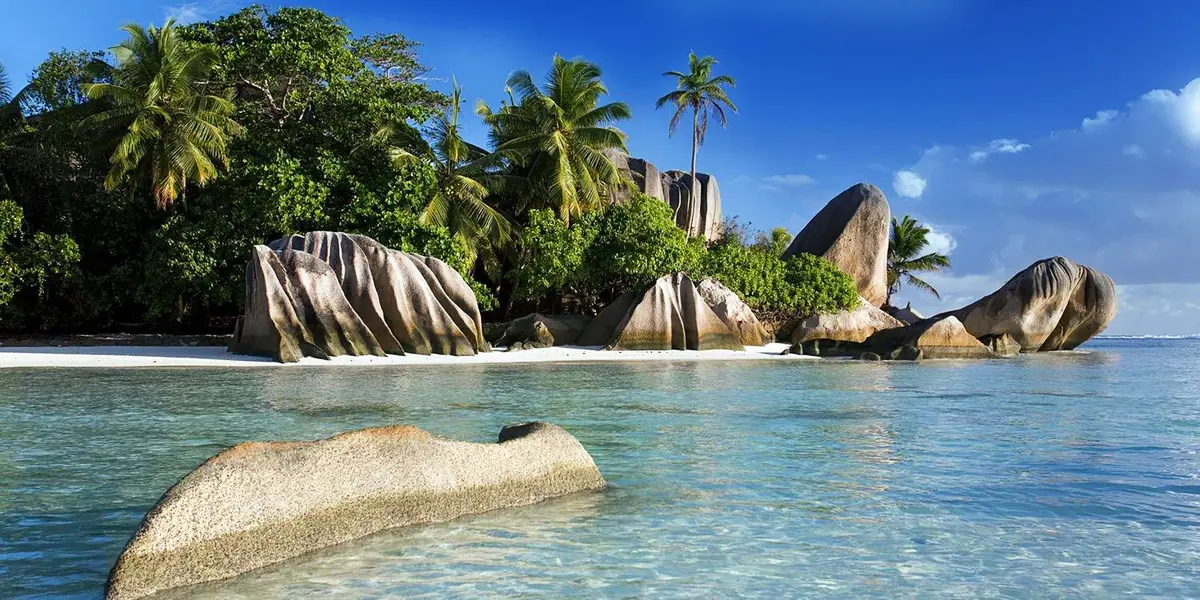
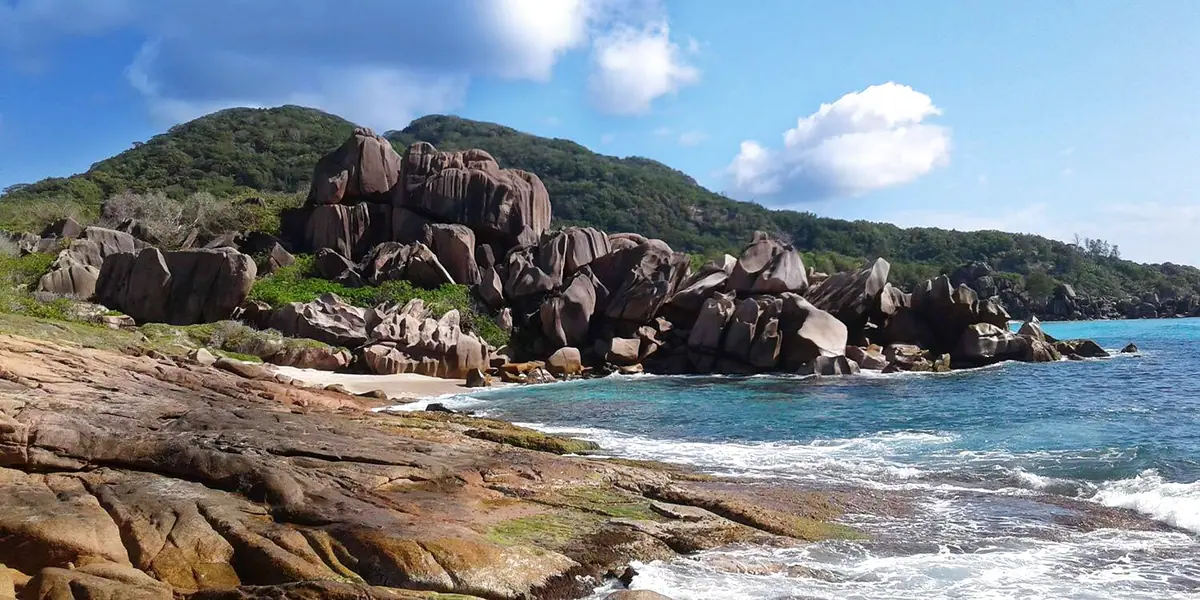
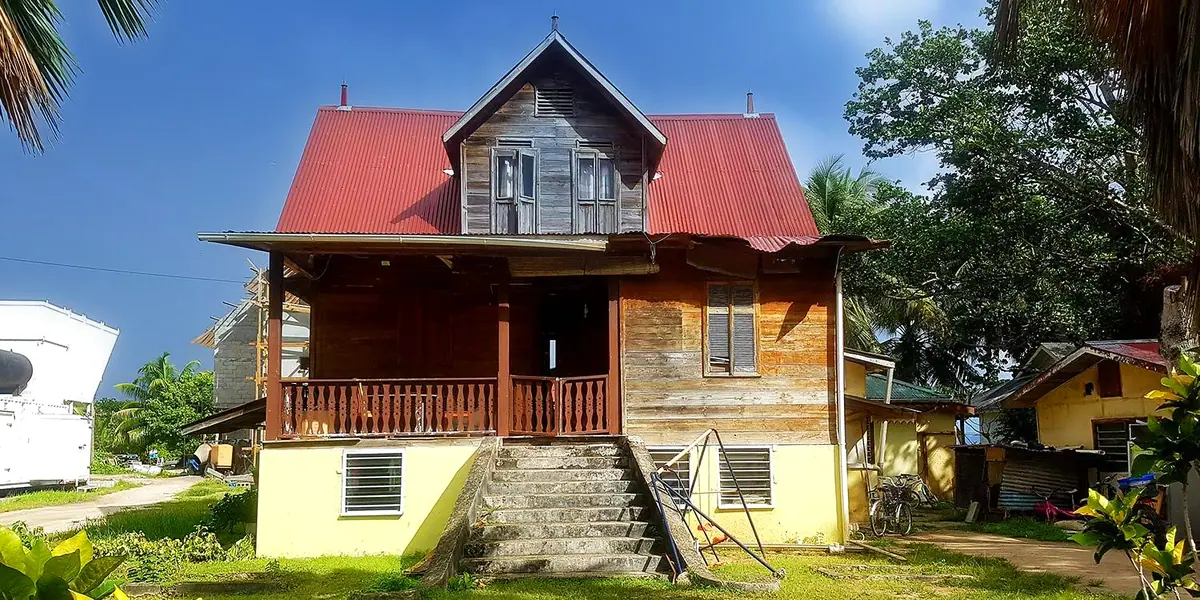
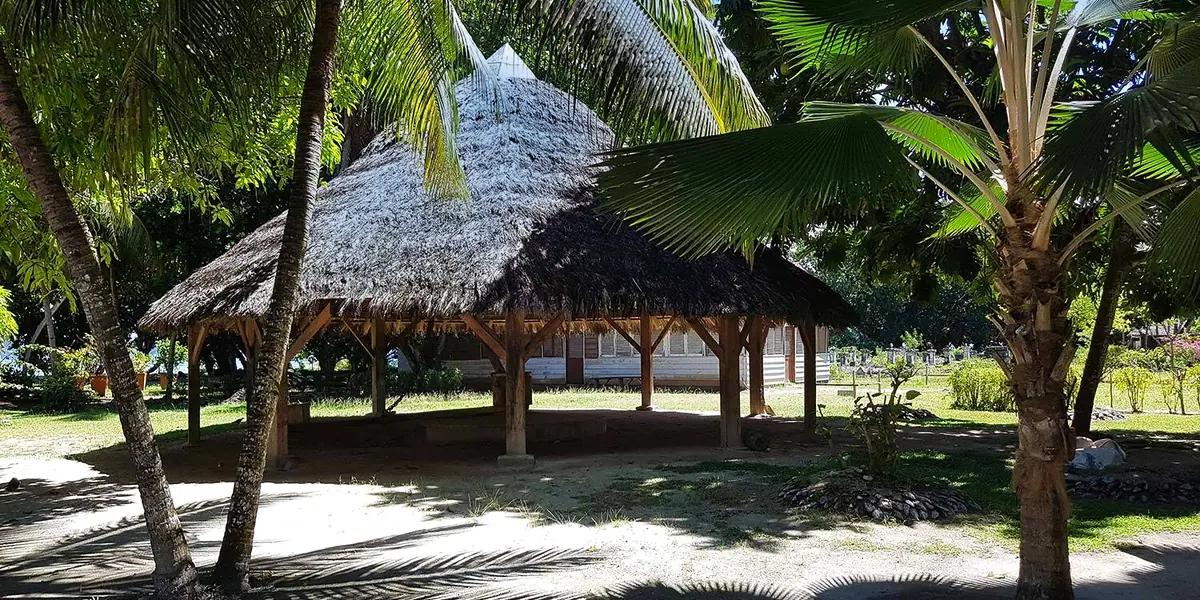
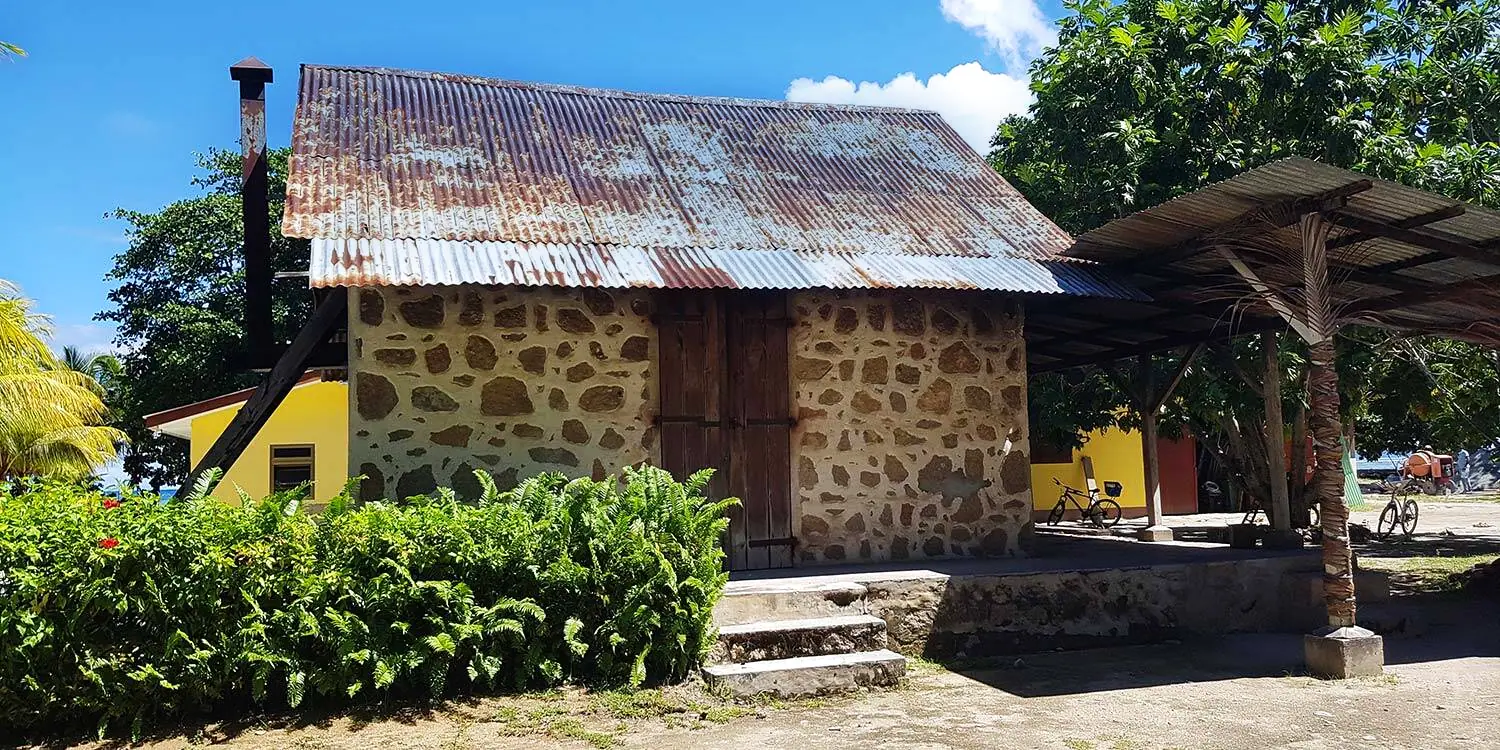
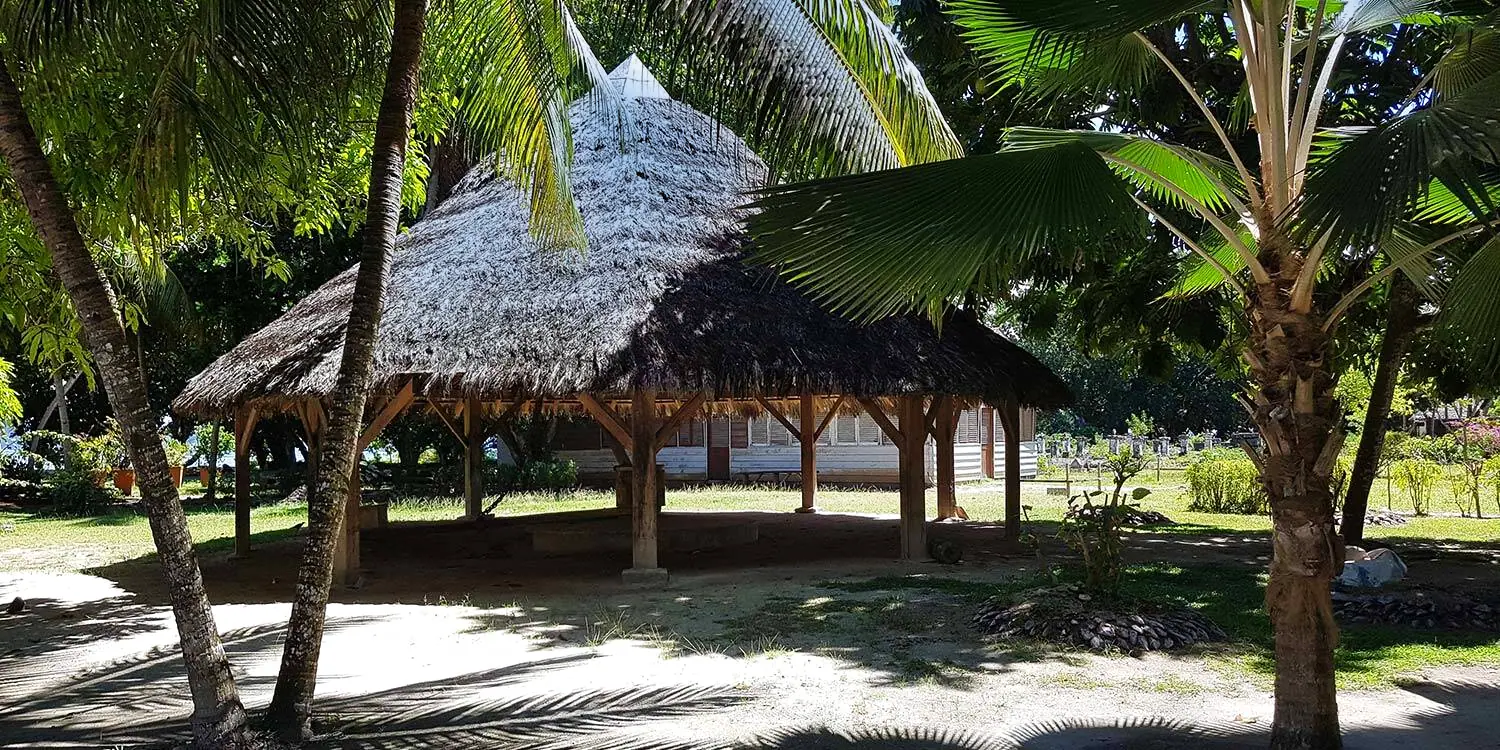
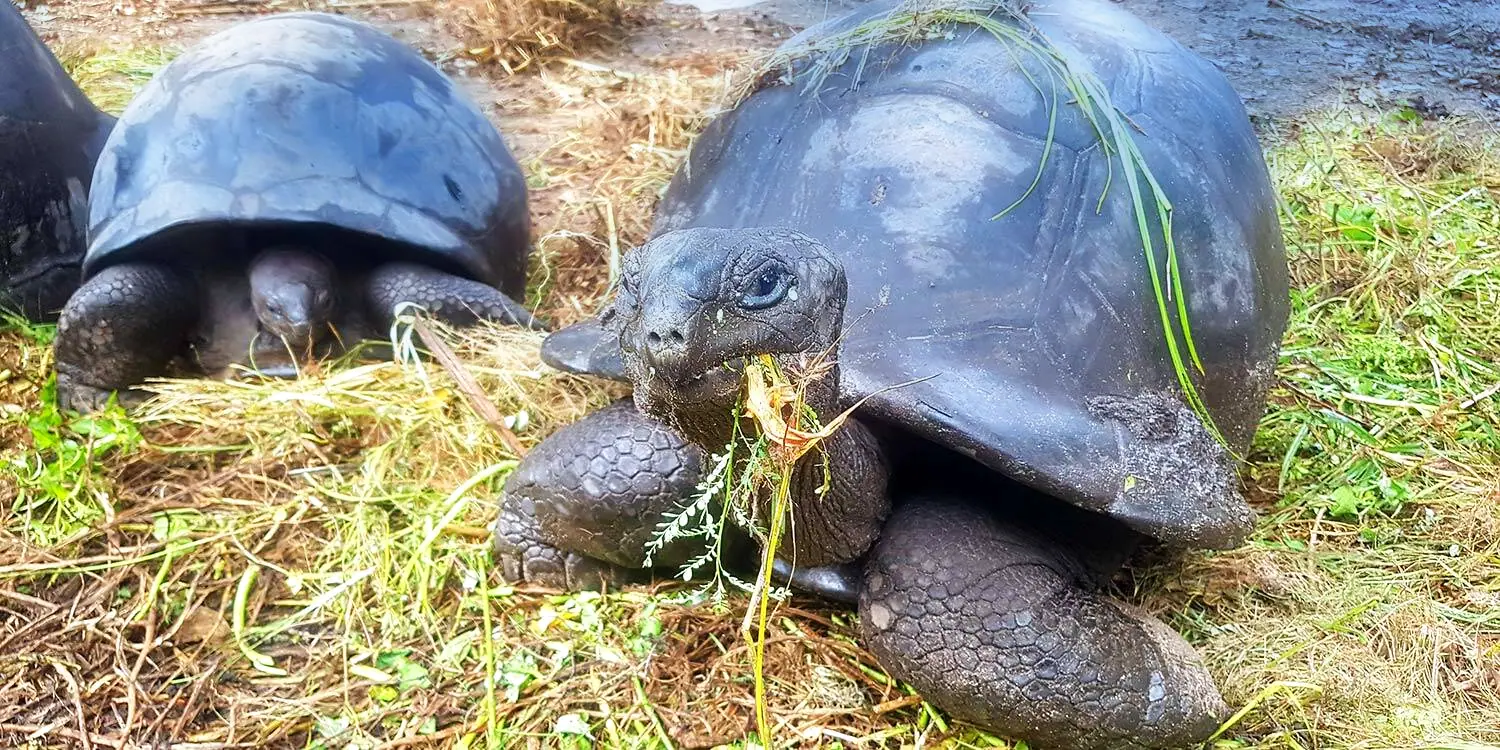
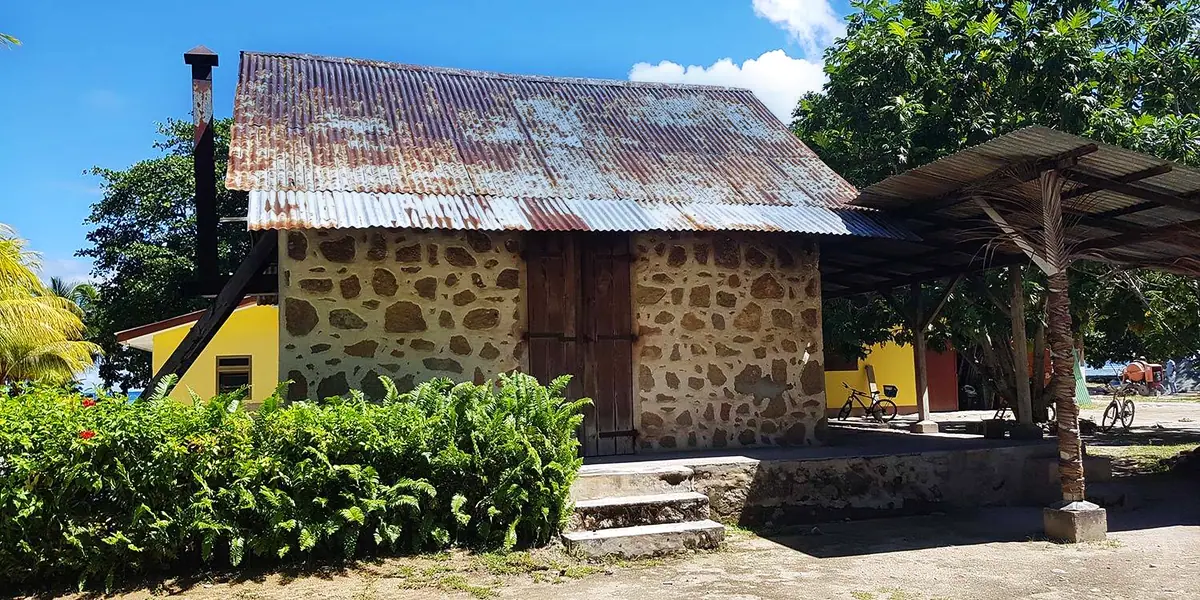
Step back in time with a visit to L'Union Estate. Take a look at a traditional copra mill with its kiln, admire some of the oldest tortoises on the island, or stroll around the stately plantation house, which sits in a beautifully kept garden framed by granite boulders. Or simply cycle through the grounds.
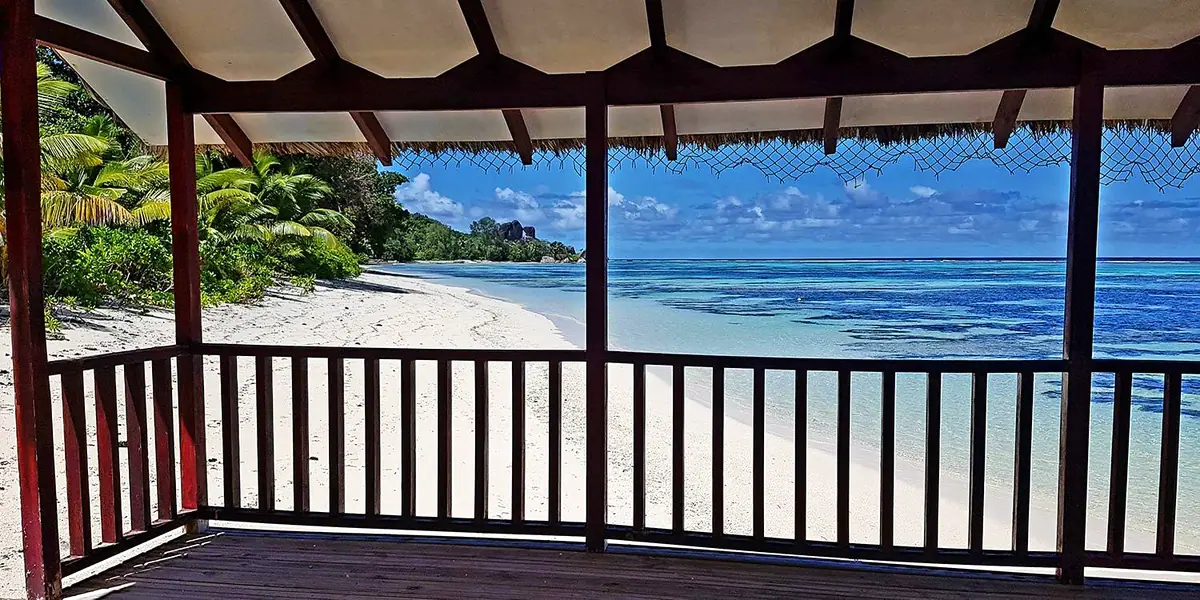
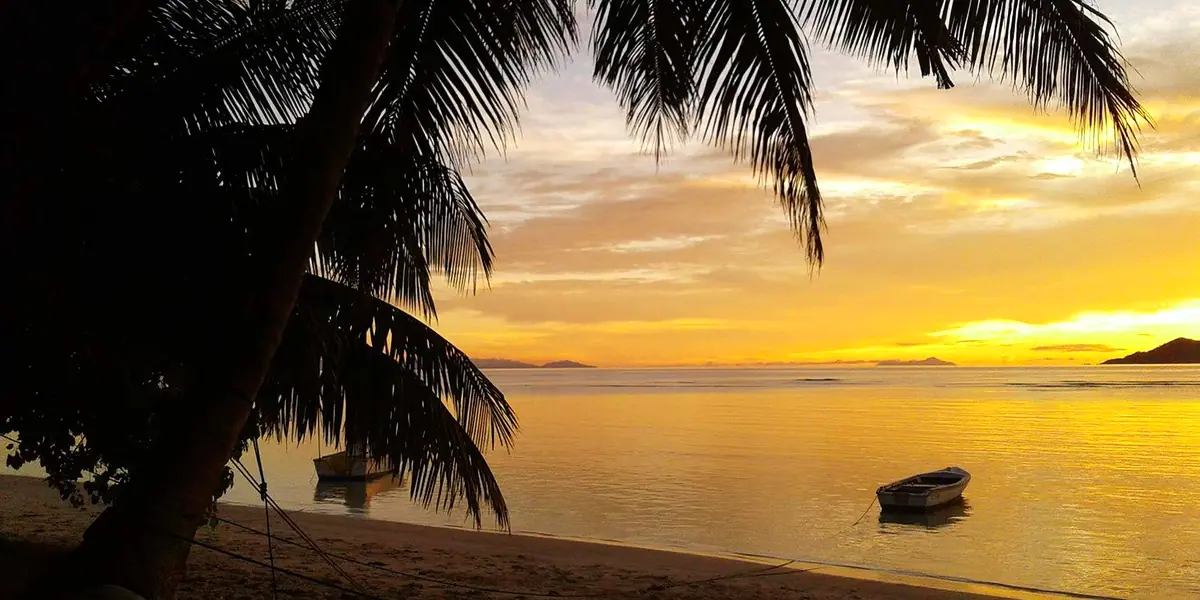
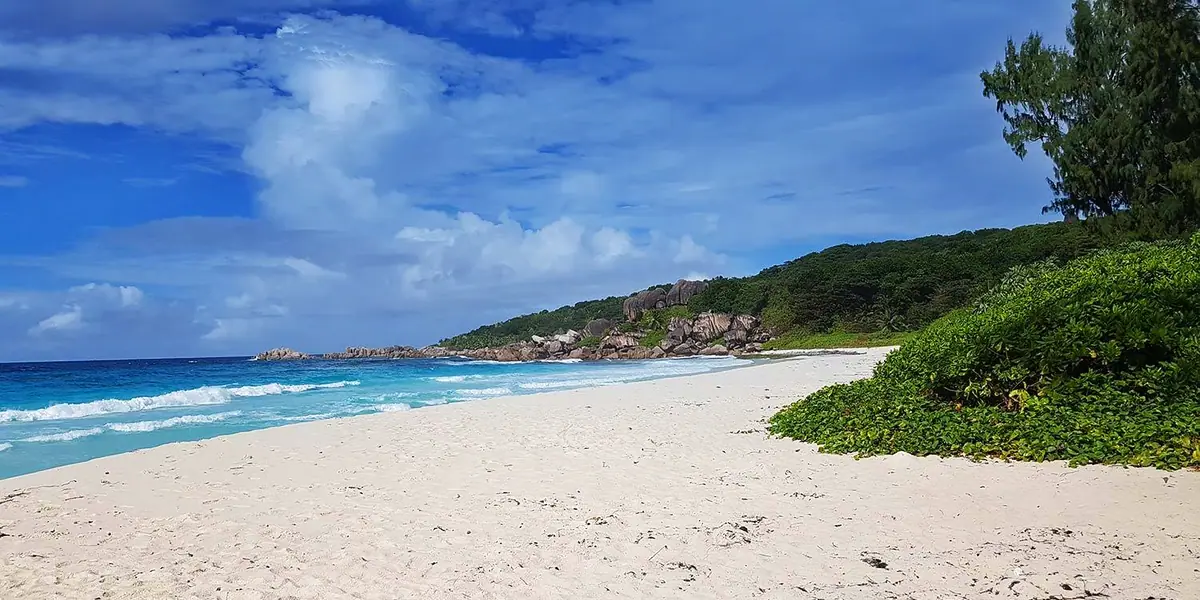
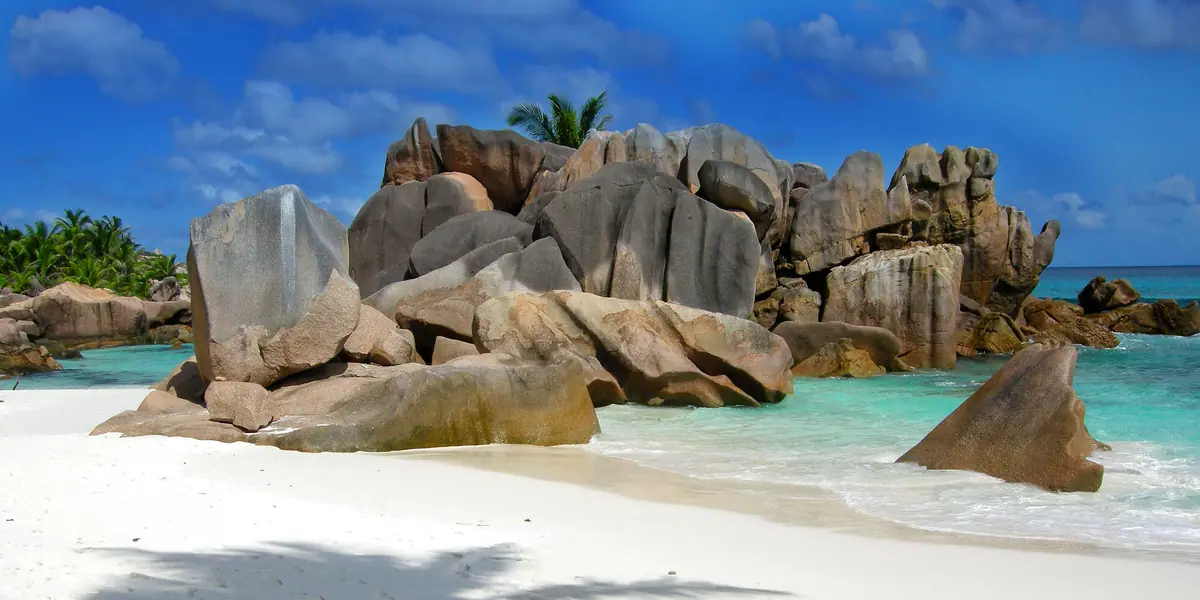
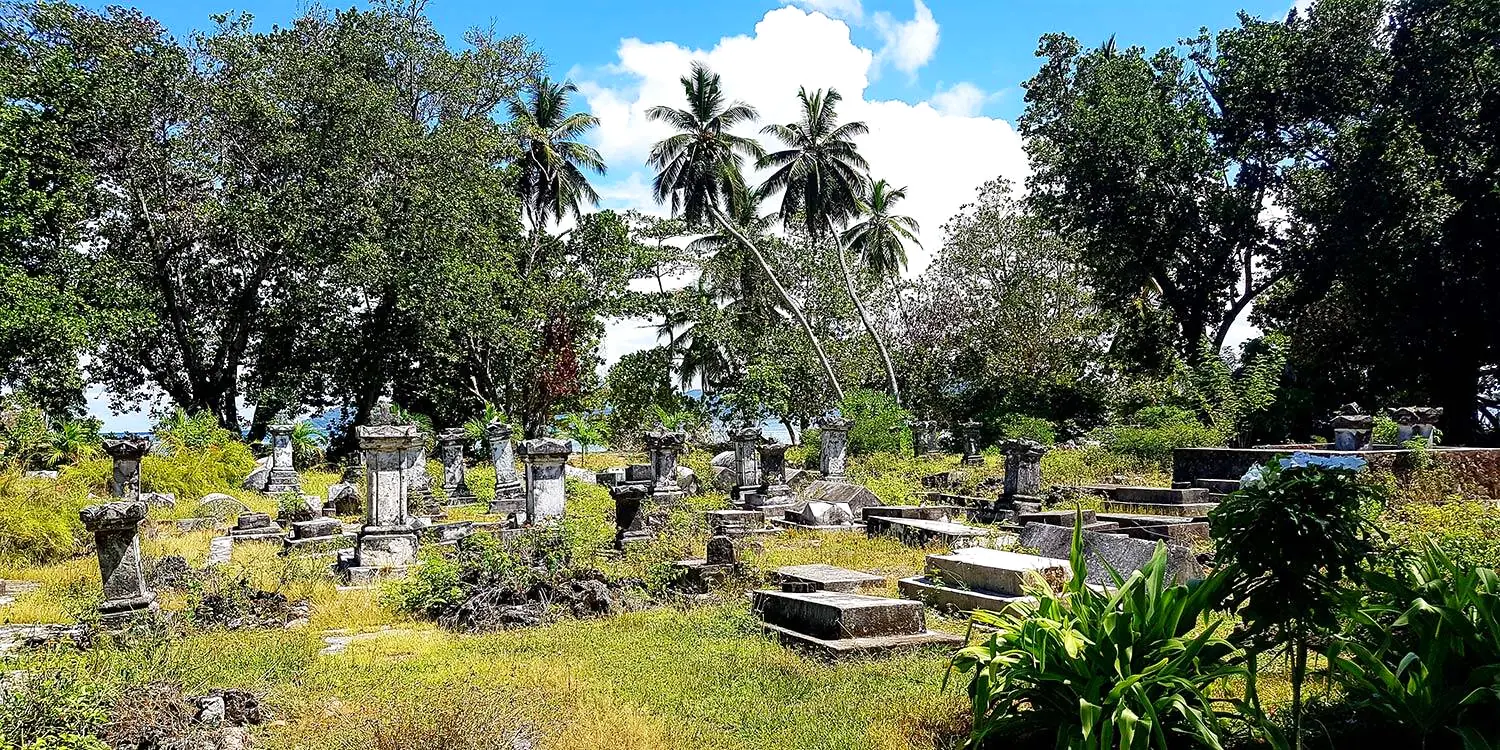
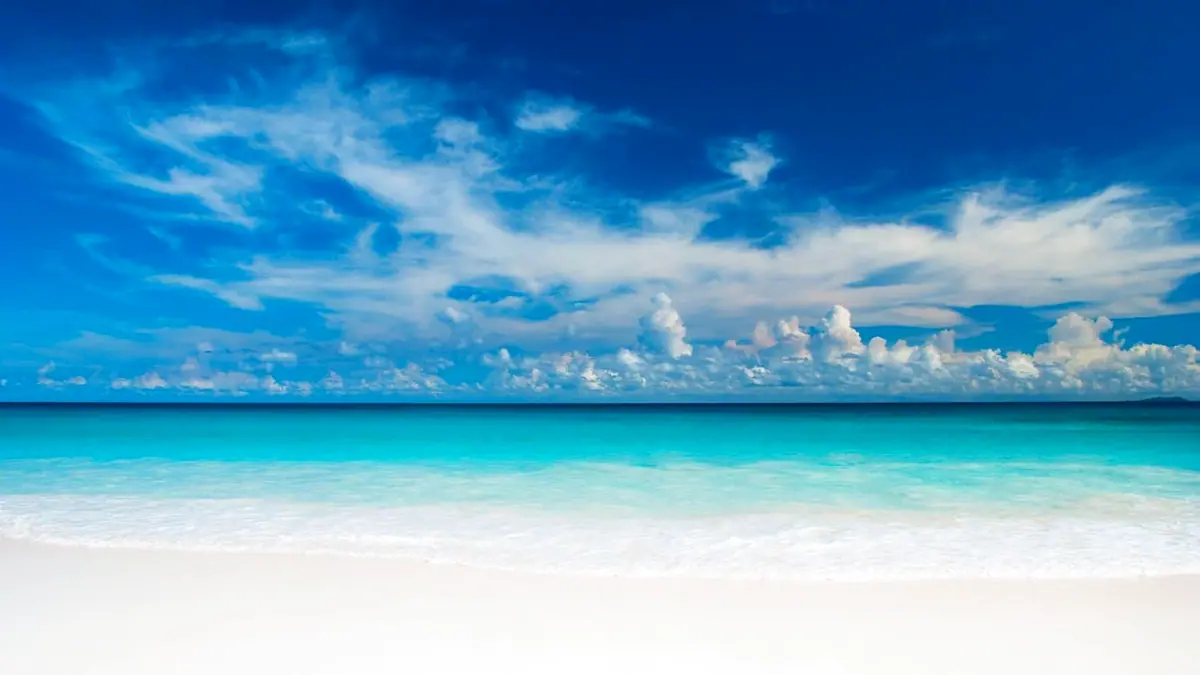
The estate is also home to the cemetery of the early settlers of La Digue, and it gives access to one of the most unspoilt beaches in the Seychelles, the legendary Source d'Argent, one of the most photographed beaches in the world.
A large part of the L'Union Estate park is a vanilla plantation, and there is a farm at the back. Chilli, aubergines, passion fruit and much more are grown here.
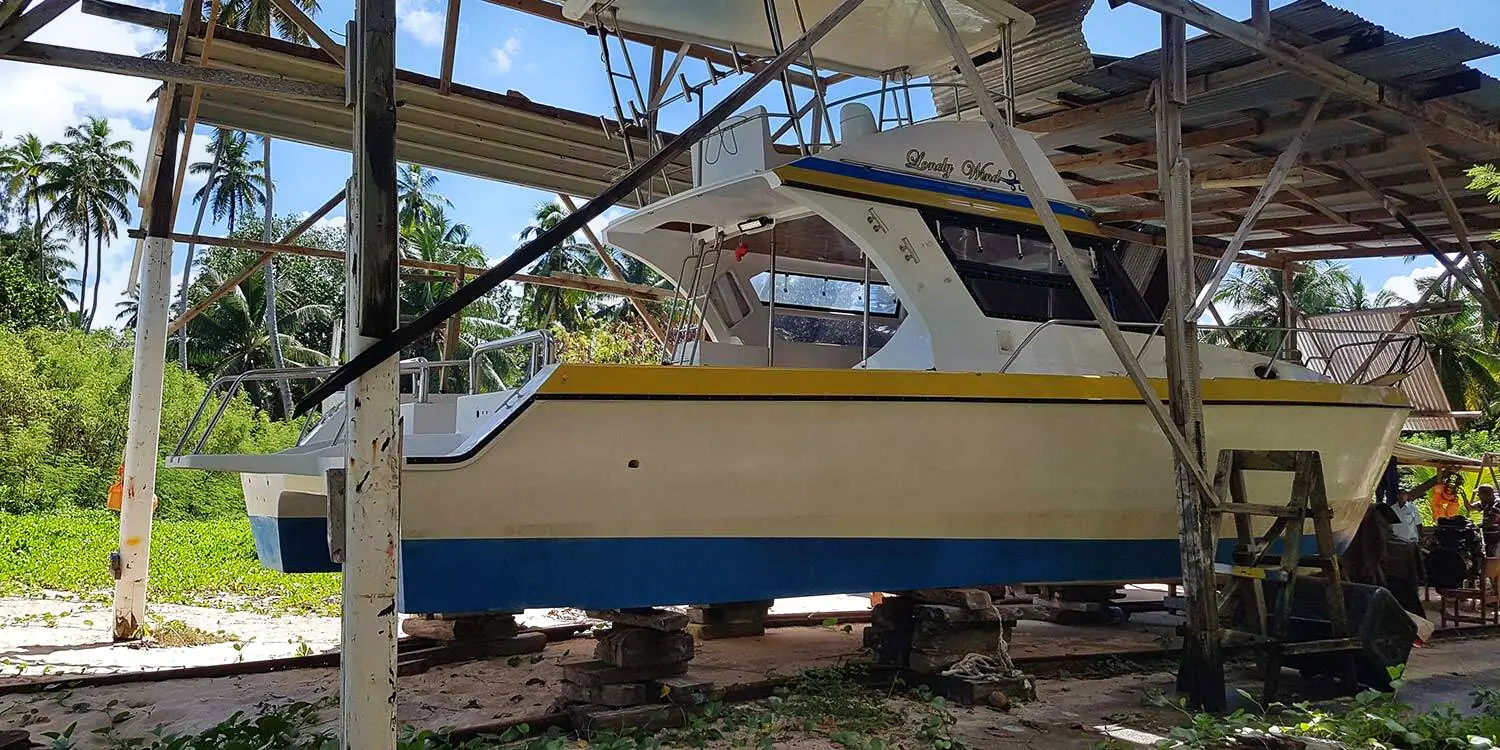
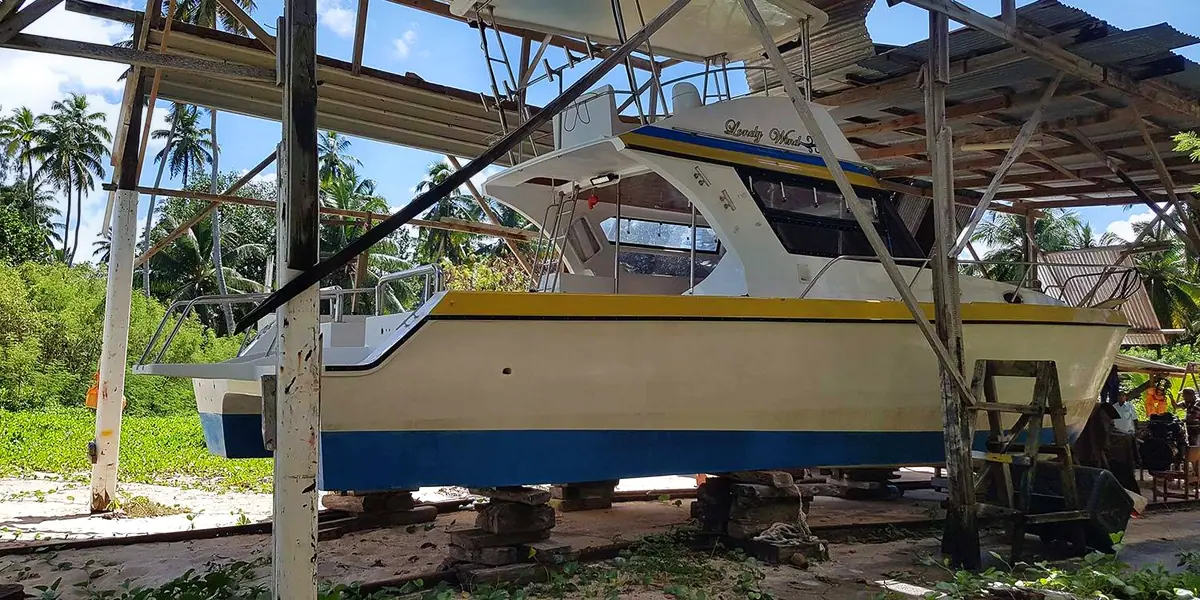
The grounds also include the "Boat Yard", where you can watch boats and ships being built and repaired.
History and nature
L'Union Estate goes back to an 18th-century plantation where coconuts were grown for copra and oil, along with vanilla and other tropical crops. Copra production was part of daily life on the island for a long time: the flesh of the coconut was dried in a wood-fired kiln and pressed into oil in a mill driven by an ox. Today the site is protected as part of the island's cultural heritage.
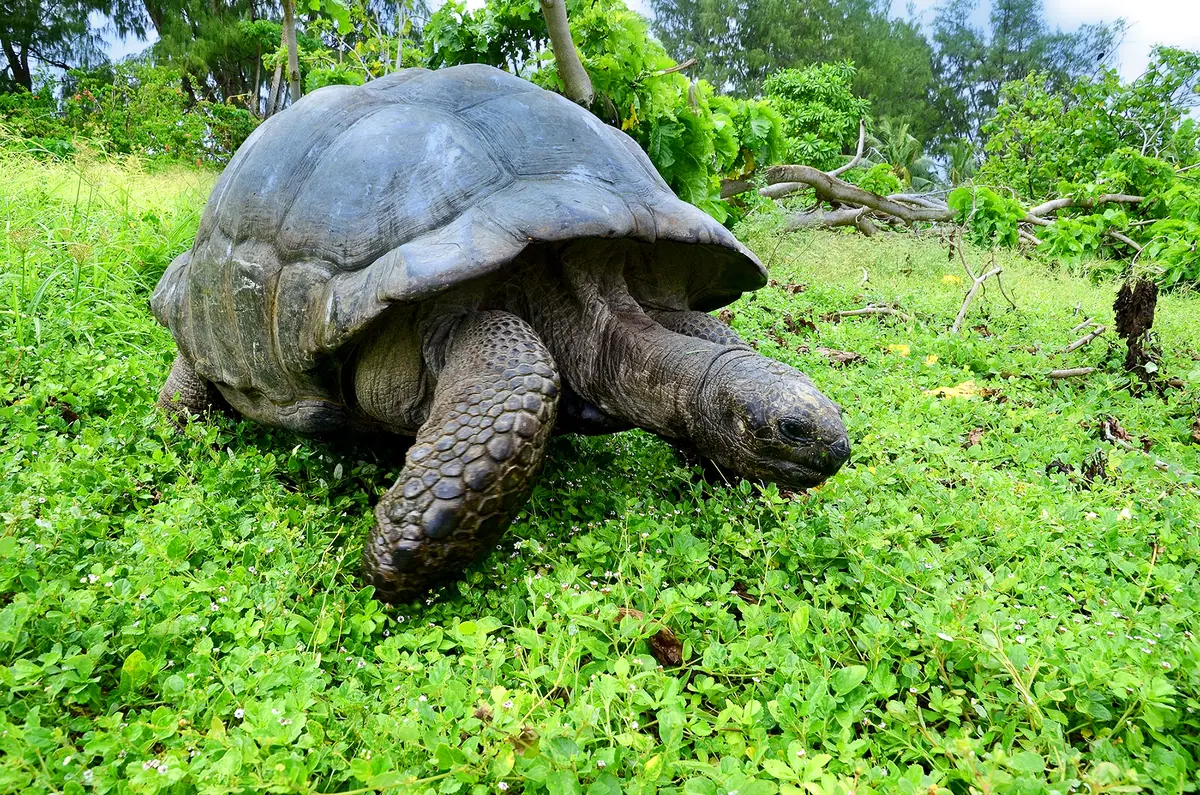
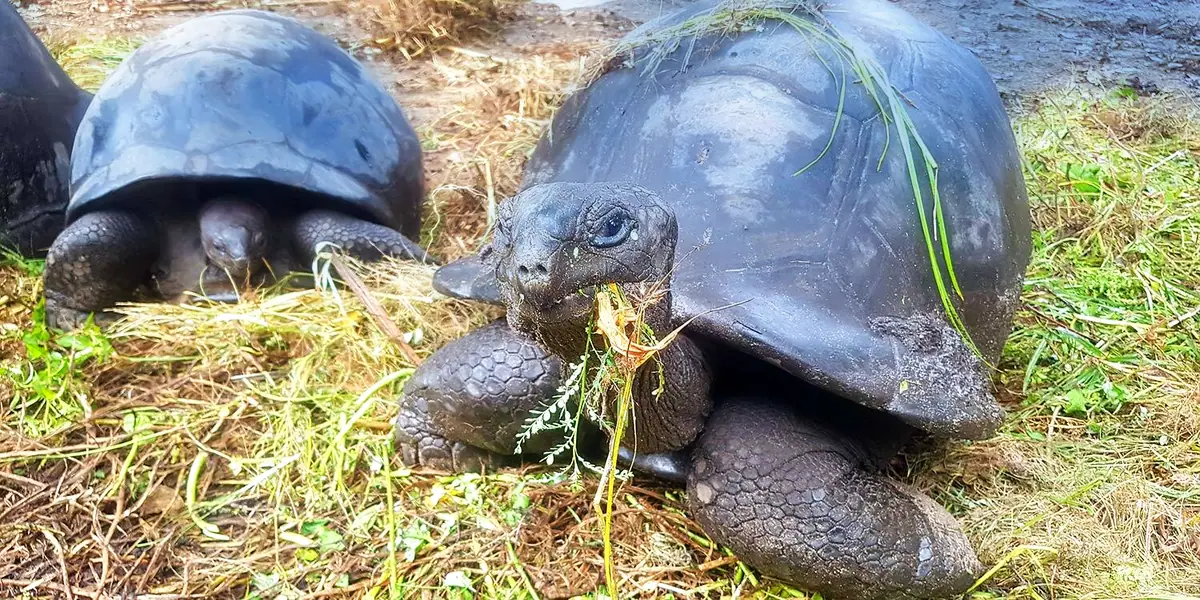
Near the entrance lies the small cemetery where some of the first settlers of the island are buried. Aldabra giant tortoises live in the enclosure, and the vanilla grows close by. The animals are fenced in and not as free as on Curieuse, but here you can get very close to them.
Getting there
From the ferry to the entrance
The ferries dock in the harbour at La Passe. From there the estate is only a few kilometres away, at the southern end of the coast road near Anse La Réunion. You can hire bicycles near the harbour or through your accommodation.
Directions: From the harbour, turn right on your bike towards the south and follow the coast road. At the junction after Gregoires Pizzeria and the STC supermarket, turn right and keep following the coast road. It leads straight into L'Union Estate park. You can explore the park easily by bike or on foot. The ride takes about 10 minutes, and on foot it is a good half hour. The operator itself quotes around 15 minutes by bike, so allow a little extra time.
Getting to La Digue
You can only reach La Digue by boat. The crossing from Praslin takes about 15 minutes, and from Mahé about 1 hour 45 minutes via Praslin. Current times and prices are on our page about the Cat Cocos ferry, and other routes are described in Seychelles from A to B.
Opening hours and admission
| Detail | Details (as of November 2026) |
|---|---|
| Opening hours | Daily 6:00 to 18:00, including public holidays |
| Entry fee | SCR 150 per person for foreign visitors (as of November 2026) |
| Validity | One day; anyone buying after 16:30 can use the ticket the following day |
| Longer stay | Special rate for guests staying more than 5 days on La Digue |
| Payment | Bring cash in rupees; card payment is not confirmed |
You can still get out after closing time: there is a security guard at the entrance.
Duration, best time and tips
One to two hours is enough for the plantation, the tortoises and the mill. Allow half a day (3 to 4 hours) if you want to walk on to the beach at Source d'Argent, which lies about a kilometre beyond the entrance. It is quietest in the morning shortly after opening, as the day visitors arrive later on the ferries.
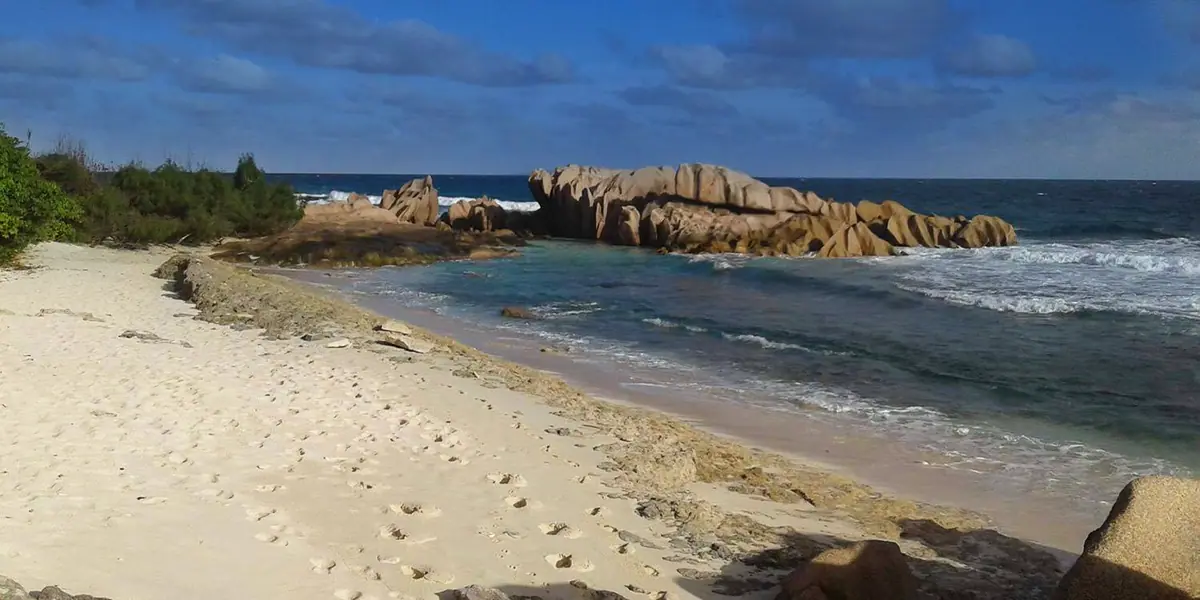
If you are fit, you can also set off from here for Anse Marron. The route is more demanding and depends on the tides. Ask locally about current conditions, and do not go without local knowledge. Other beaches nearby are Anse Union and Anse La Réunion.
The Plantation House page describes the house on the edge of the grounds, and La Digue gives an overview of the island.