Location and character
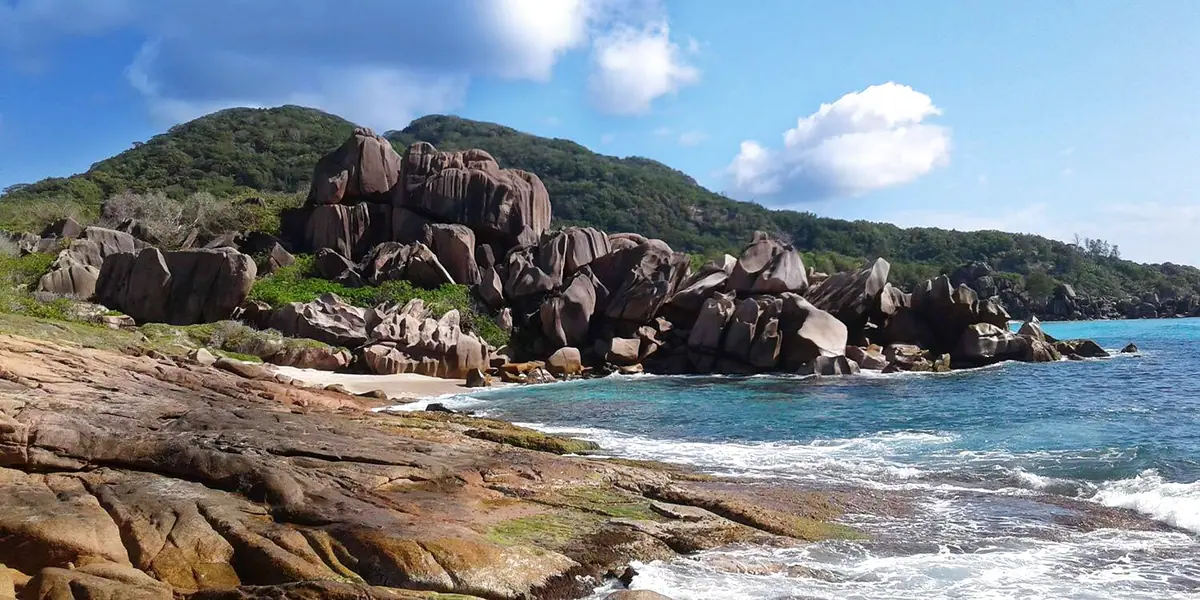
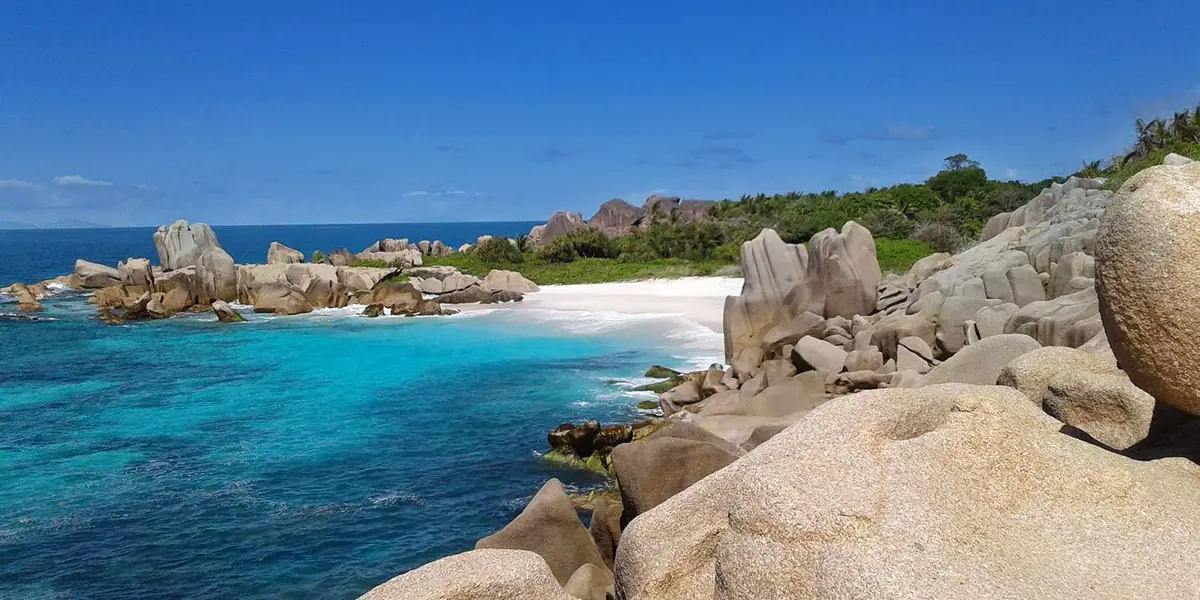
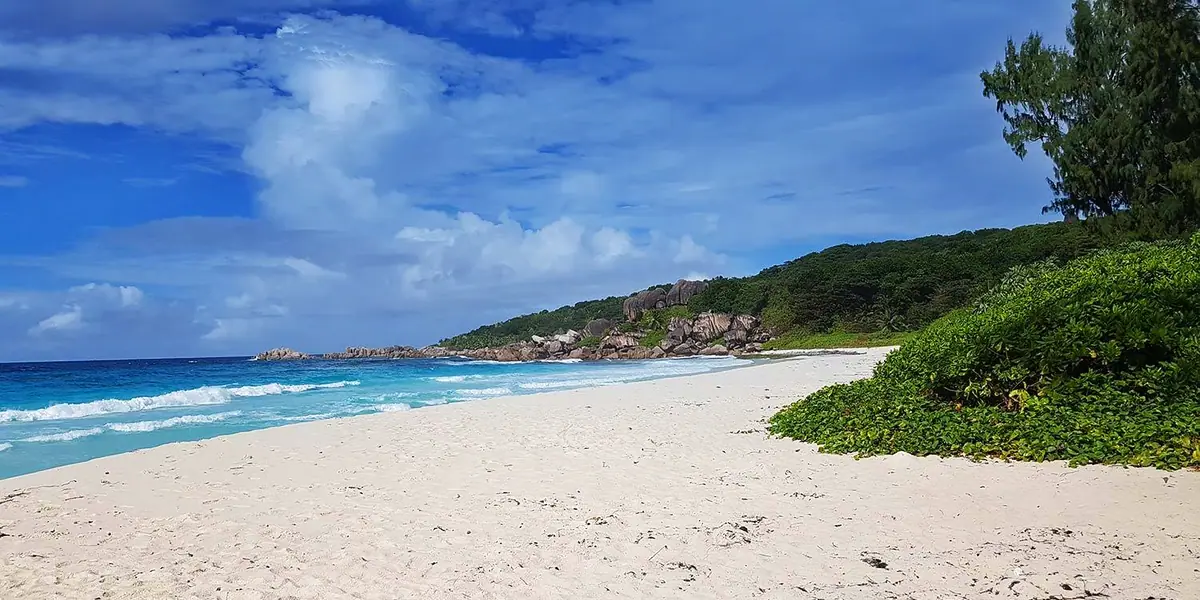
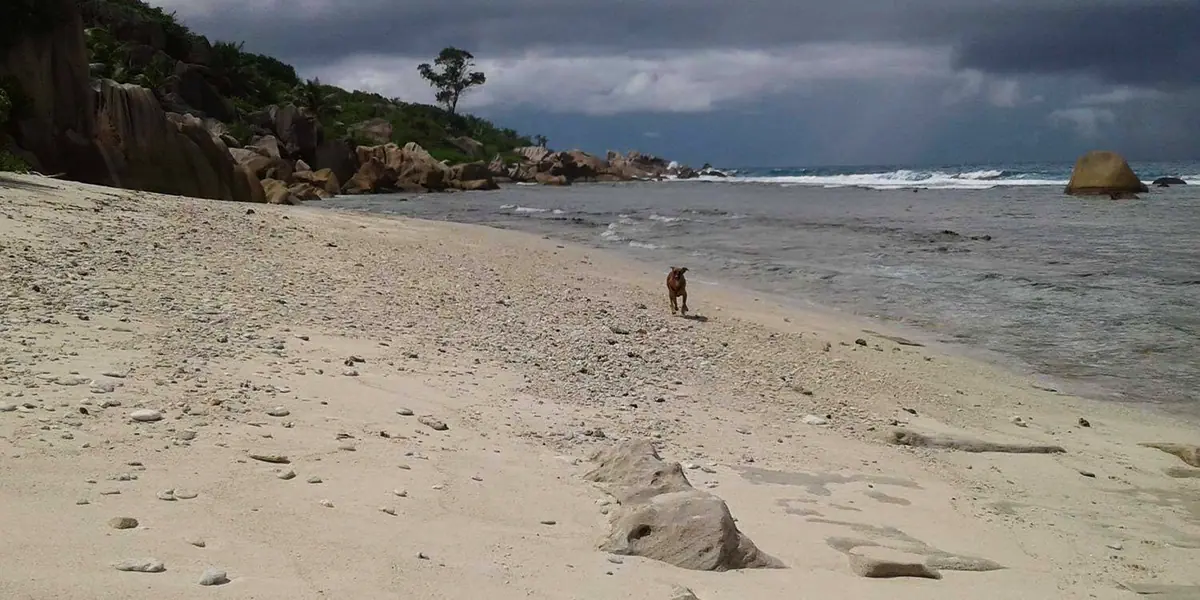
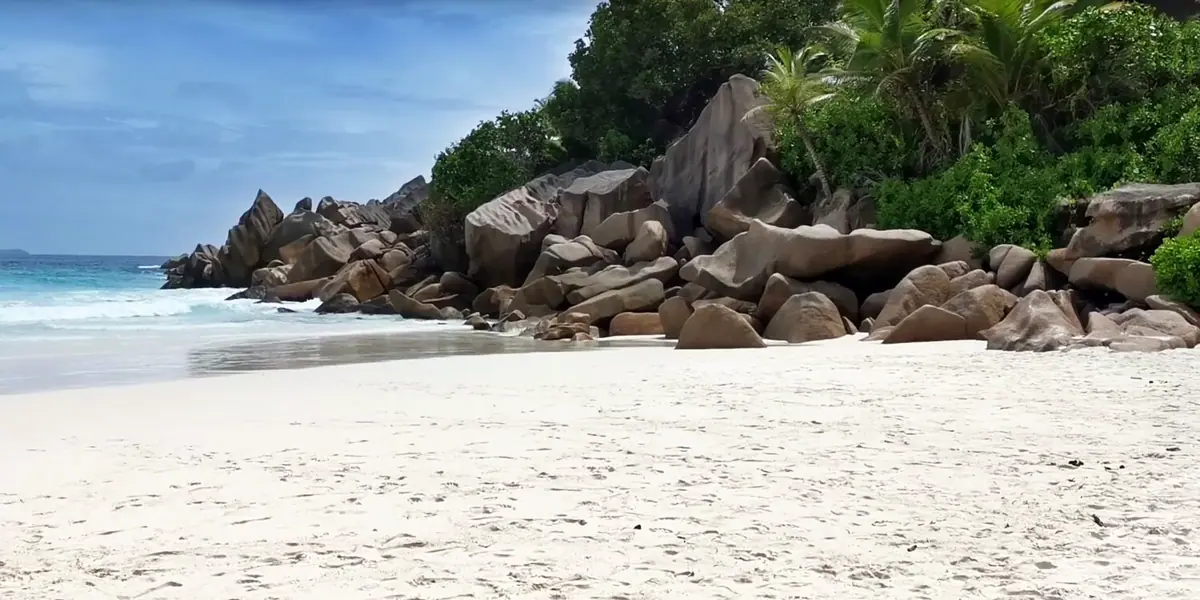
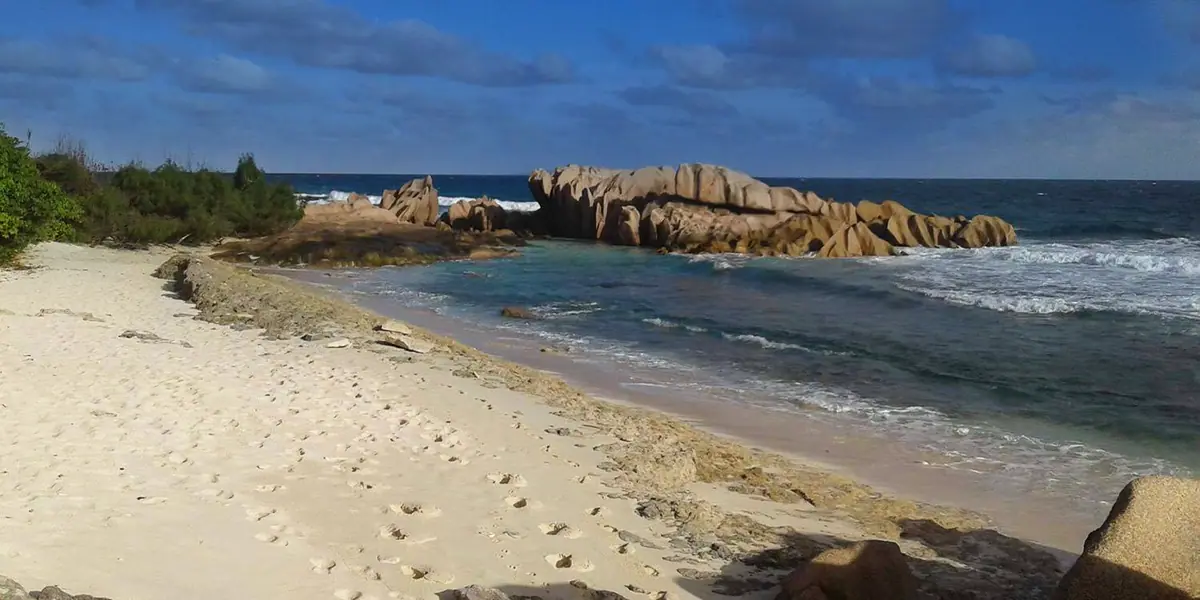
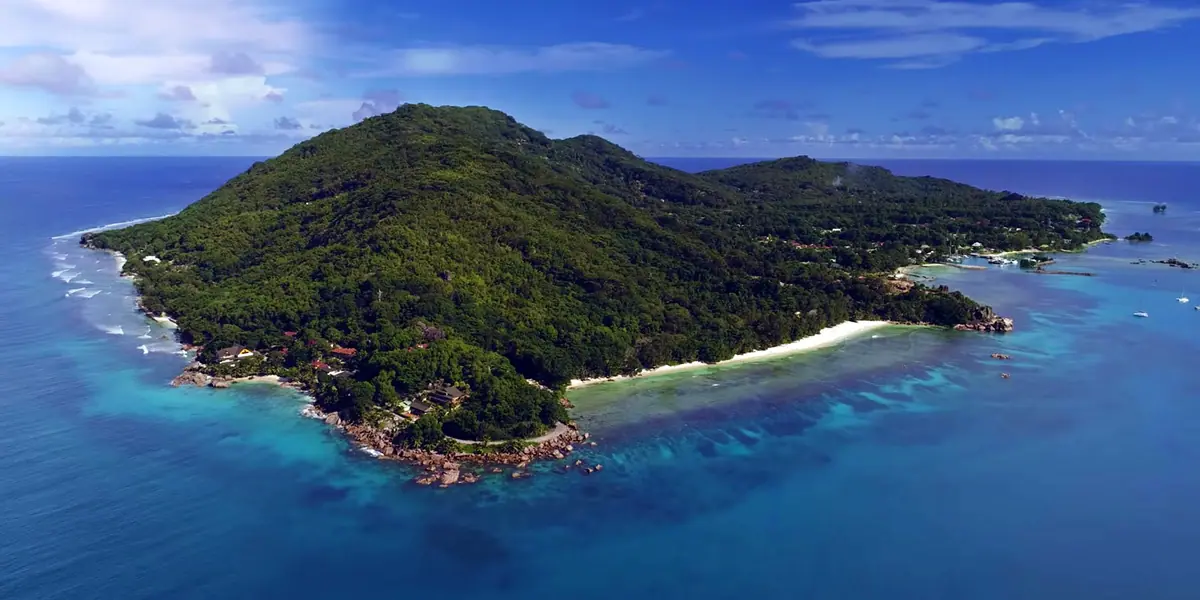
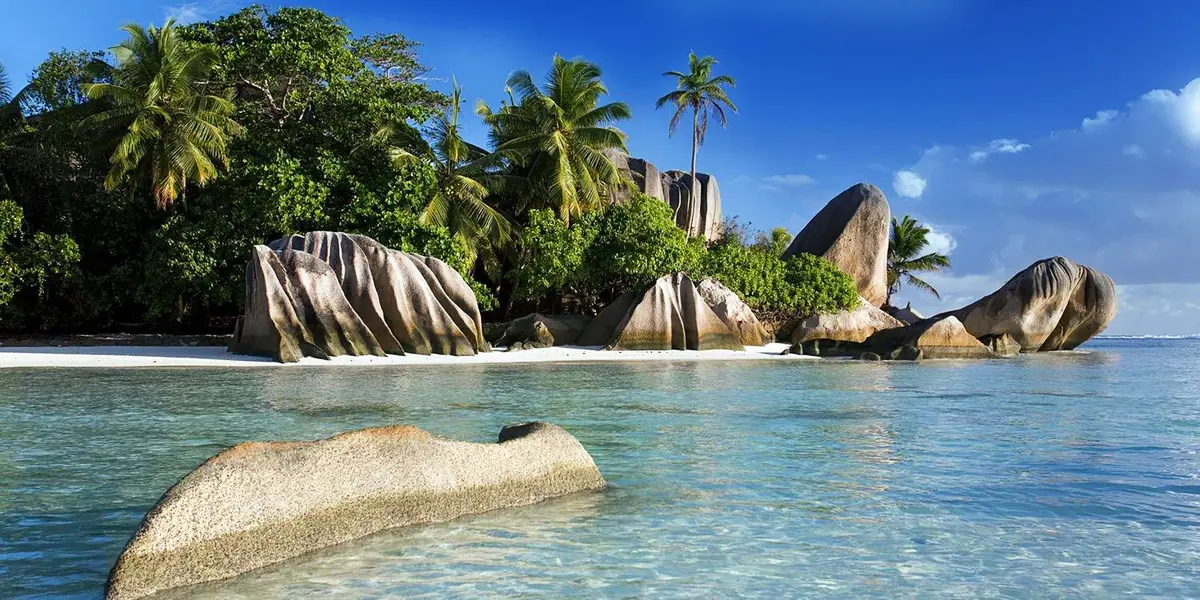
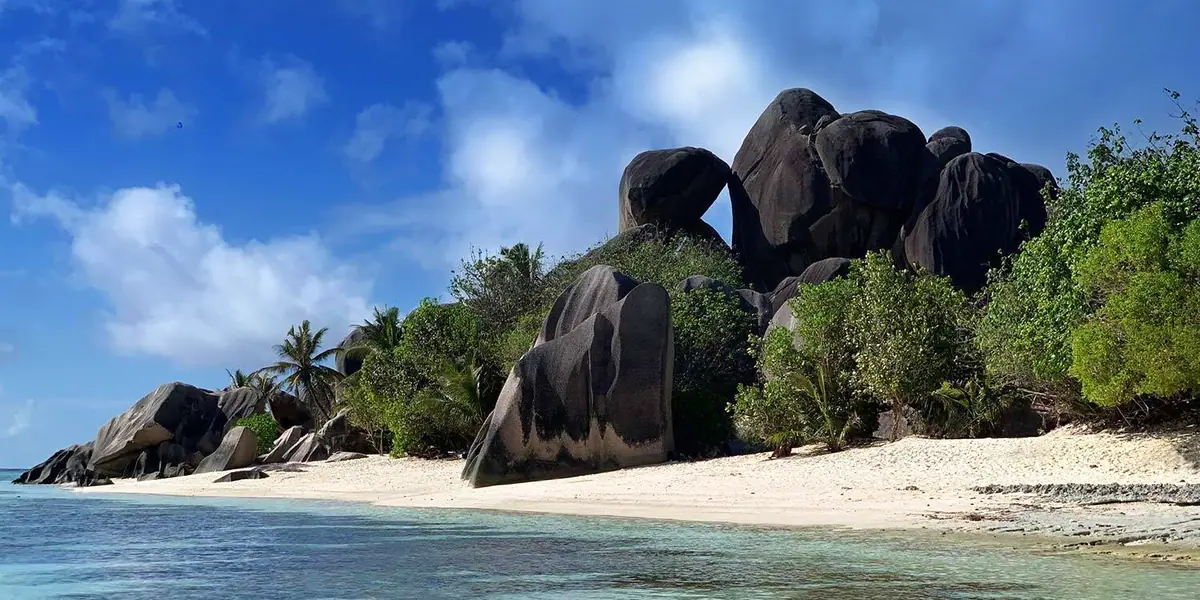
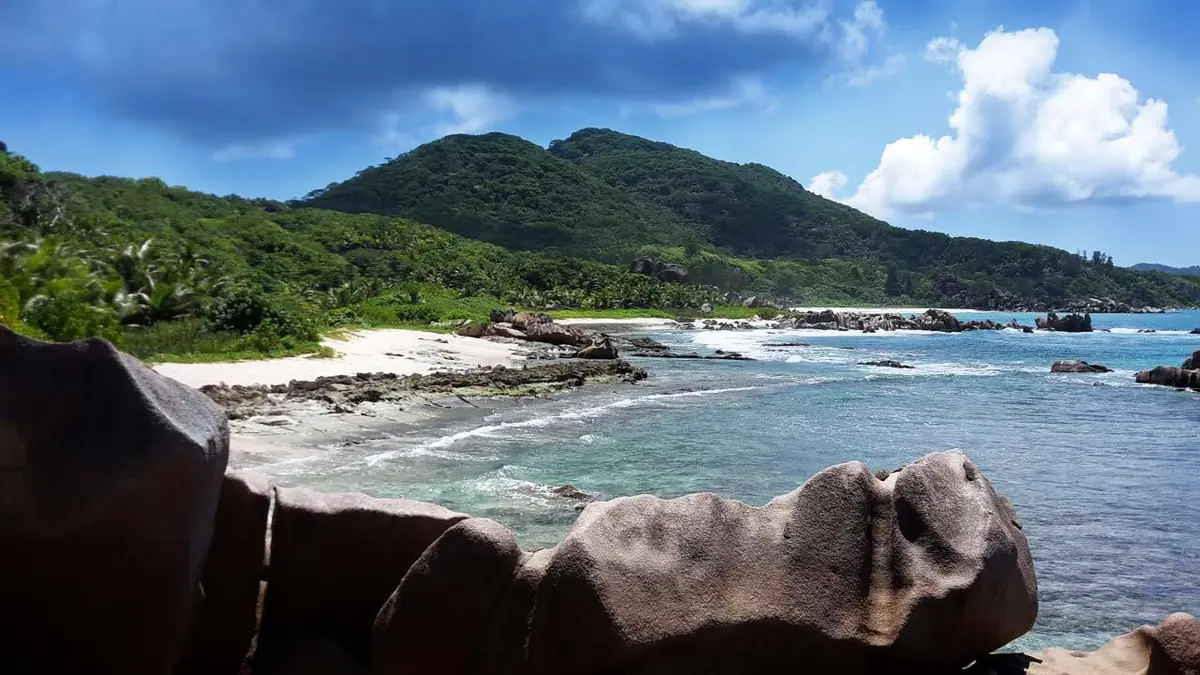
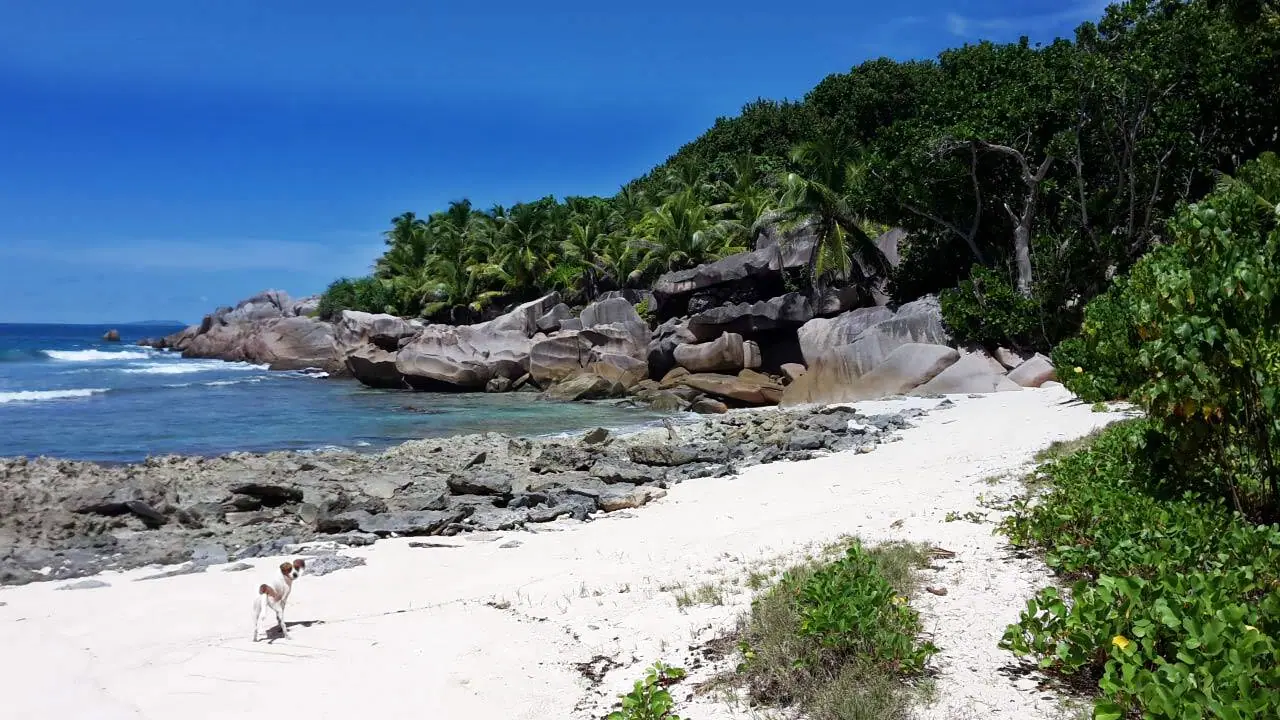
Grand L'Anse is the wild south of La Digue. This beach, split in two, can only be reached on foot. You will often find shells and washed-up pieces of coral here. The small granite island just offshore makes a great photo subject.
Grand L'Anse lies on the south coast, a little south of the better-known Grand Anse, and should not be confused with it. Many visitors only know the bay from the hike to Anse Marron, because this is where the difficult part of that tour begins. Apart from the view and the flotsam, the bay offers little, and that is exactly why it is quieter here than on the island's famous beaches.
Getting there
By bike to the end of the tarmac road
There are hardly any cars on La Digue, and the bicycle is the usual way to get around. You can hire bikes at the harbour in La Passe, and many guesthouses can arrange them too. According to recent travel reports, a basic bike costs about €8 to 15 a day (as at November 2026). Check the brakes and gears before you set off, as there are some steep stretches. For getting to La Digue, see Ferry and Seychelles from A to B.
Directions
- From the harbour in La Passe, cycle south along the coast road.
- At the junction after Gregoire's Pizzeria and the STC supermarket, turn left.
- Shortly before the next fork you cross a river, and the road climbs for a few metres. Take the right-hand fork here and follow the road.
- The road climbs in stages and then drops more steeply. At the end of the tarmac road, carry straight on to Grand Anse, where you leave your bike.
On foot to Anse Songe and beyond
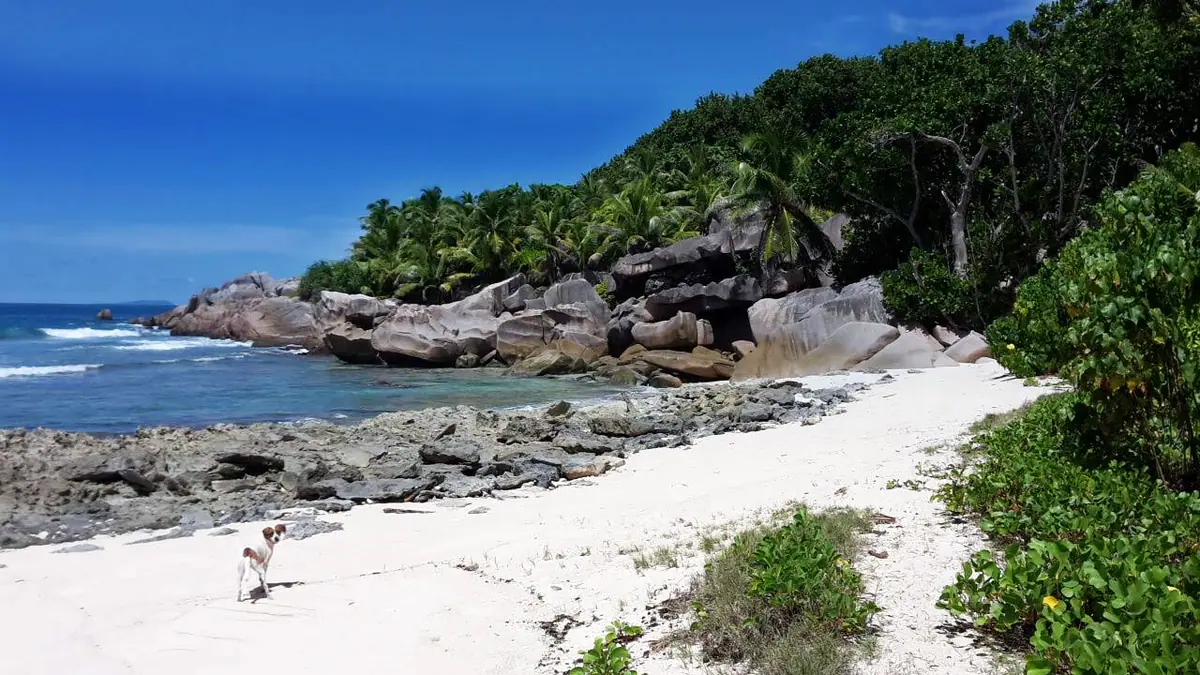
A path with a signboard branches off to the right to Anse Songe. After the little Anse Songe, follow the footpath for a few more minutes and you reach Grand L'Anse. The path is easy to make out as far as here. You cannot continue by bike on the stony, sandy track.
| Route | Duration |
|---|---|
| La Passe to end of the paved road, by bicycle | approx. 30–45 minutes |
| End of the paved road to Anse Songe, on foot | approx. 15–20 minutes |
| Anse Songe to Grand L'Anse, on foot | a few minutes, about 20 minutes in total from the end of the road |
Swimming and waves
The waves can be high, and the seabed is extremely sharp. Swimming here is not recommended.
The south coast is open to the Indian Ocean. According to travel reports, no reef protects the coast here, just as at nearby Grand Anse, the water gets deep quickly, and the surf between the rocks is unpredictable. The sea is especially rough during the south-east trade wind, roughly from May to October. In the transitional periods around April/May and October/November it is usually calmer. Even so, this is not a bay for swimming.
For swimming and snorkelling, you are better off going to Anse Severe on the other side of the island.
Facilities
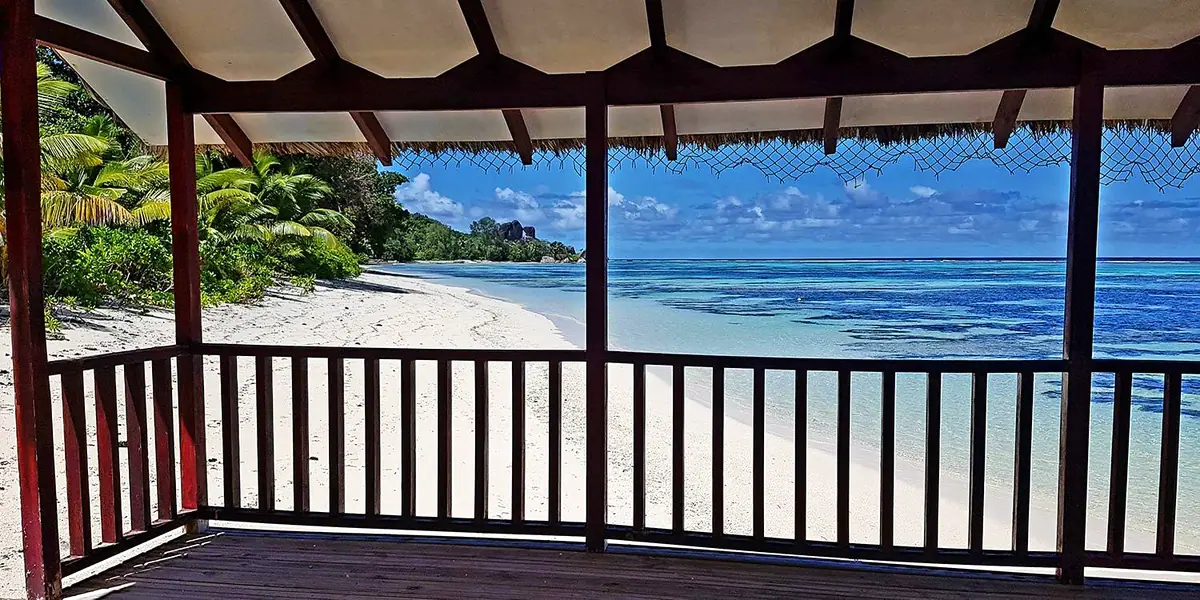
Only at the far end of the beach, near the rocks, is there a small patch of shade. No facilities are known on the beach itself, so plan for the whole trip.
Tips and what is nearby
The bay is at its best in the morning and in calm weather, when you have time to take photos and look for shells. Do not take anything living, and leave larger pieces of coral where they are.
- Grand Anse: the long beach at the end of the tarmac road, starting point for the footpaths to the south and north.
- Petite Anse and Anse Cocos: more beaches north of Grand Anse, reached only on foot.
- Anse Marron: the tour there starts at Grand Anse or at Anse Source d'Argent and takes a whole day. Beyond Grand L'Anse the path becomes difficult, and the tour is usually done with a guide.
- L'Union Estate: a former plantation on the way back towards La Passe.
You will find more routes under Hiking, and an overview of the island under La Digue.