What to expect
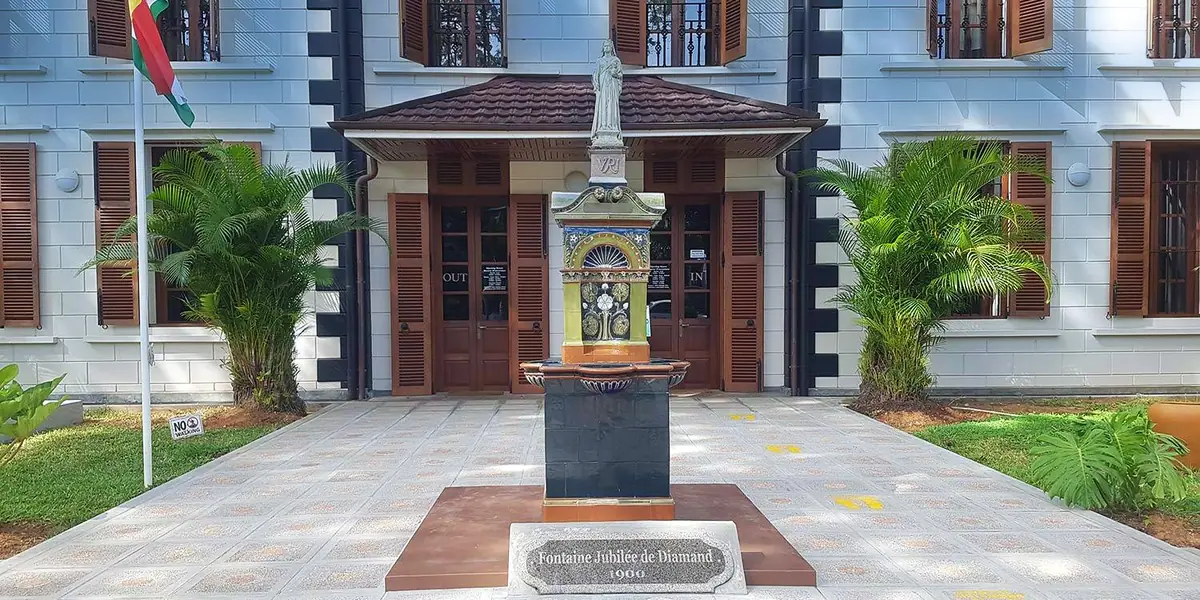
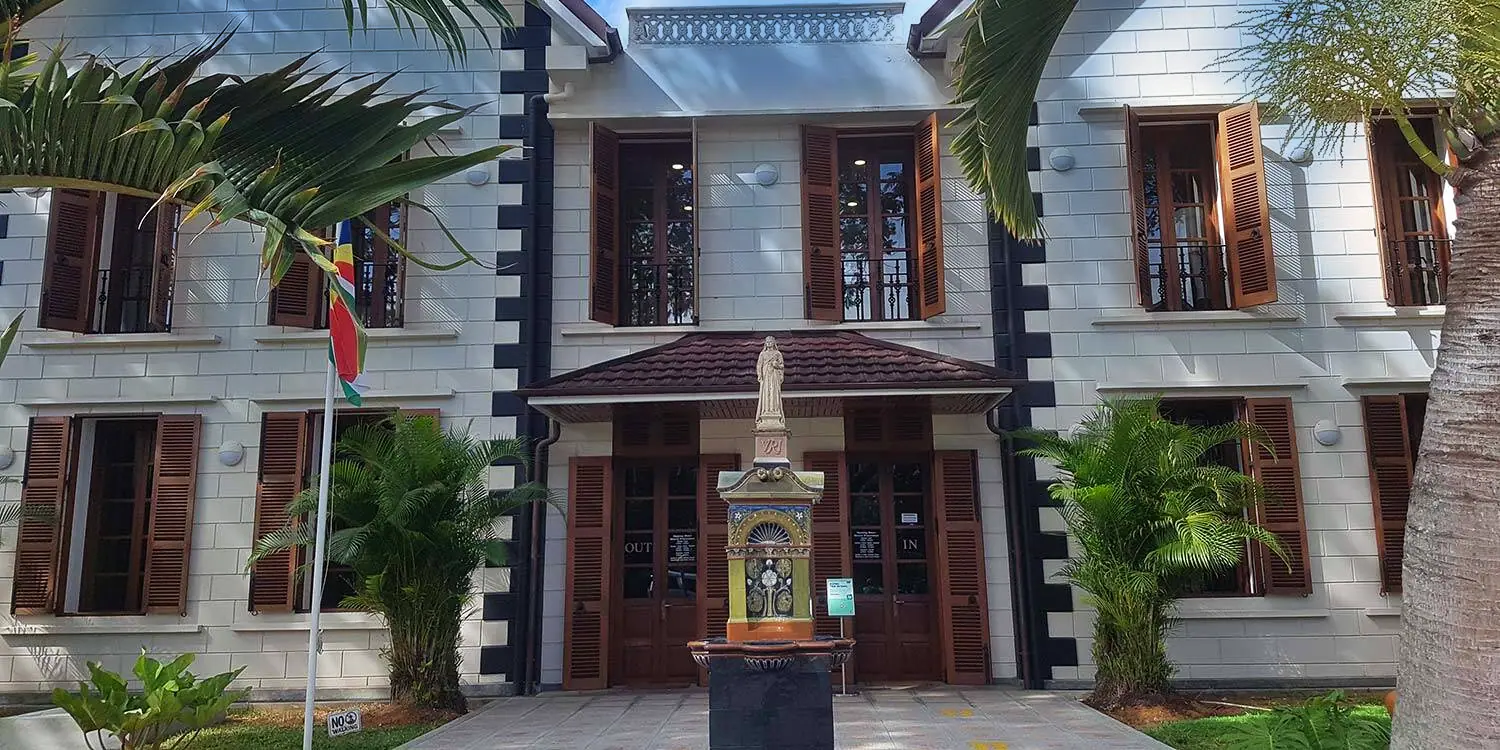
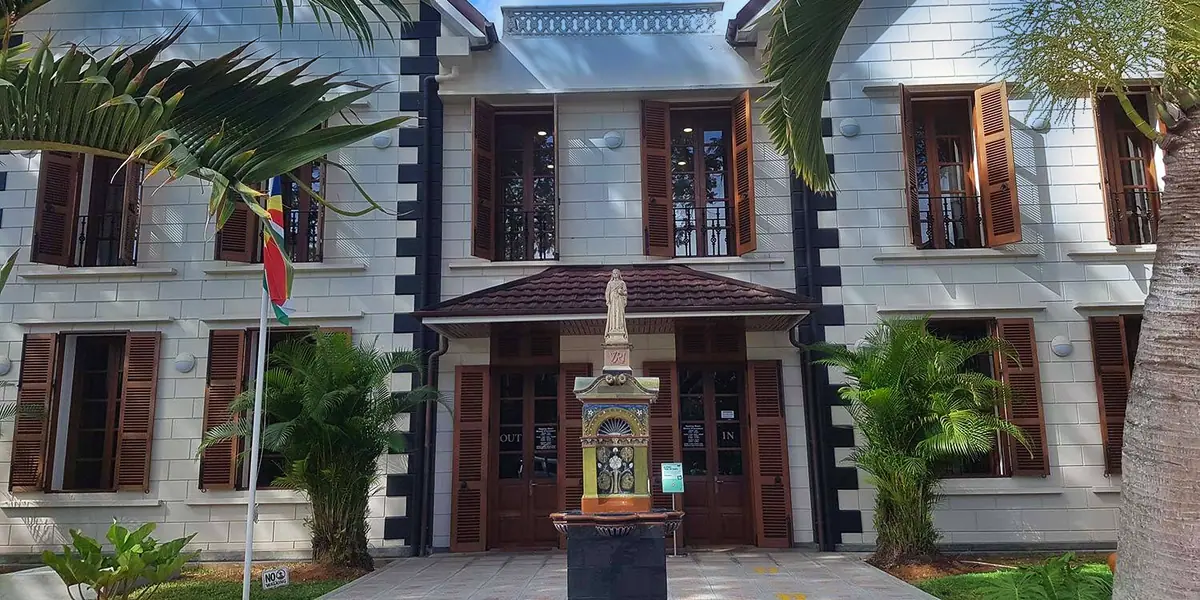
This monument, the Queen Victoria Diamond Jubilee Fountain, was unveiled on 5 January 1900 by Lady Sweet-Escott, wife of the administrator Ernest Bickham Sweet-Escott, at a ceremony held during the reign of Queen Victoria. The fountain is said to hold the smallest depiction of Queen Victoria in the world. The statue you see on it today is a replica. The original, made of porcelain, can be admired in the National Museum of History.
What very few people know: the fountain provides drinking water.
A brief history
The fountain commemorates the Queen's Diamond Jubilee, which was celebrated in 1897, three years before the unveiling. The London ceramics firm Royal Doulton is named as the maker. After the coup of 1977 the figure was removed and kept in the museum. The present replica was put in place in June 1993 and was donated by the British government.
The statuette is only about 30 centimetres tall, and many visitors feel it bears little resemblance to the Queen. One detail stands out: the original held an orb with a cross, while the replica lacks the cross. Around the base are three taps with basins, from which drinking water used to flow.
Getting there
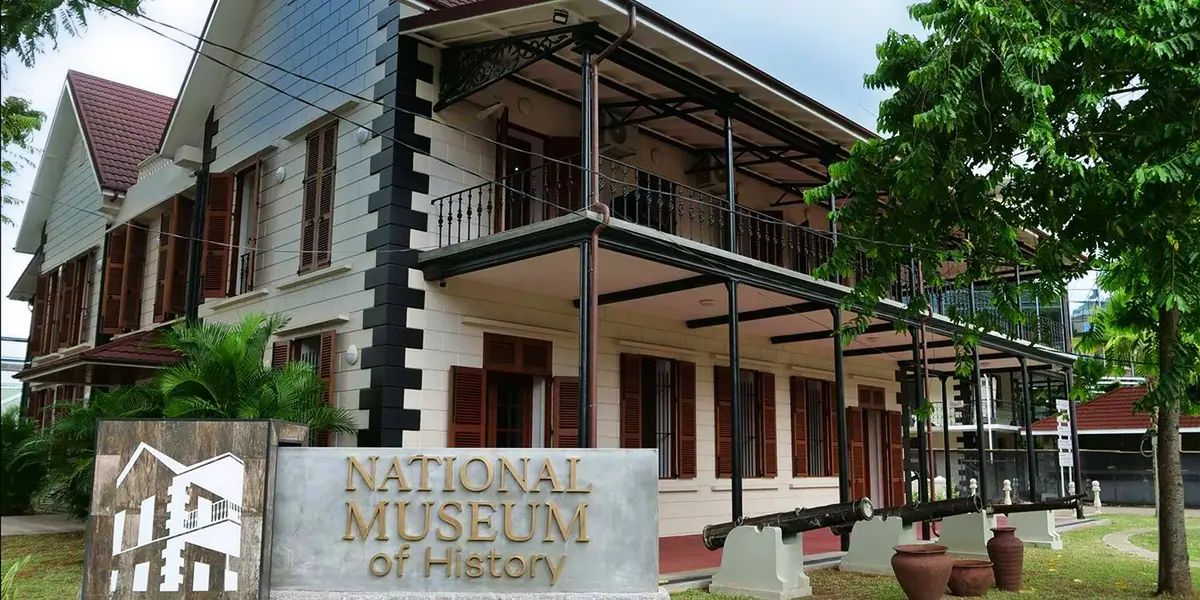
The fountain is practically next to the Clocktower and in front of the main entrance of the National Museum. The address is Independence Avenue in Victoria. The Clocktower stands at the junction of Independence Avenue, Albert Street, State House Avenue and Rue Pierre de Possession, which used to be called Francis Rachel Street. That makes it a good landmark for finding your way.
By bus
Bus: From the bus station head west onto Palm Street. At the junction turn left, heading south onto Albert Street. At the Clocktower, cross the road to the National Museum.
According to travel portals, the bus station is only about 300 metres east of the Clocktower. From there it is a walk of a few minutes.
On foot and by car
The centre of Victoria is small and easy to explore on foot. If you arrive by ferry from Praslin or La Digue, travel portals also say you can walk to the fountain. By car, follow Independence Avenue. The Clocktower sits in the middle of a busy junction, so for photos you are better off on foot.
Opening hours and admission
The fountain stands outdoors in front of the museum. We are not aware of any admission charge for it. Costs and fixed hours apply only to the National Museum of History, where you can see the original statue. According to Seychelles National Museums:
| Day | Museum opening hours |
|---|---|
| Monday | 9:30–12:30 |
| Tuesday to Friday | 9:30–12:00 and 13:00–16:30 |
| Saturday | 9:30–12:30 |
| Sunday and public holidays | closed |
| Entrance fee for foreign visitors, aged 12 and over | Rs 150 (as of November 2026) |
| Children aged 0 to 11 | free |
Duration, best time and tips
Combine the fountain with a stroll through the centre. The Clocktower is right next door. In the National Museum of History you can see the porcelain original of the Queen, as well as old maps and exhibits on Creole culture. The town has more to see: the Sir Selwyn Selwyn-Clarke Market, St Paul's Cathedral, the Bicentennial Monument, the Unity Monument and the Pierre Poivre Statue. You will find more about the island on the Mahé page.