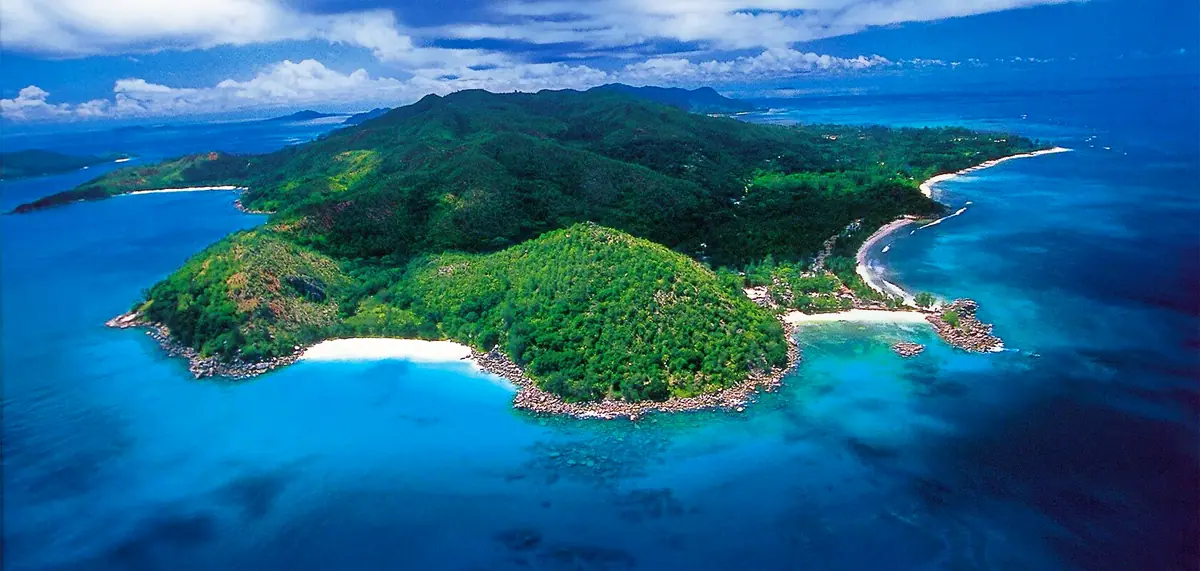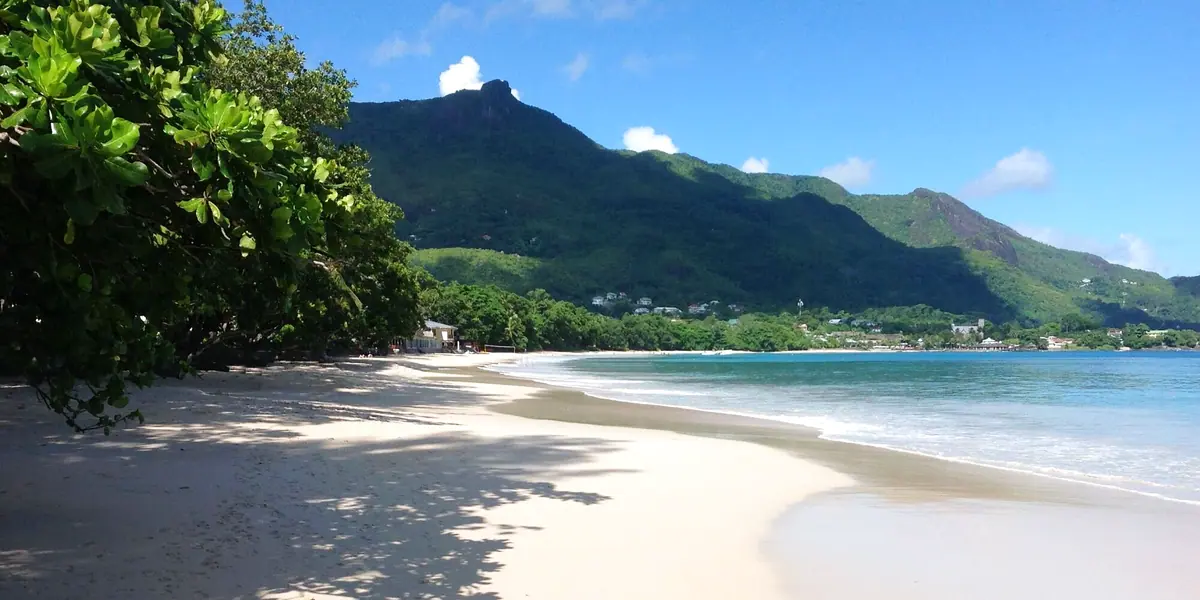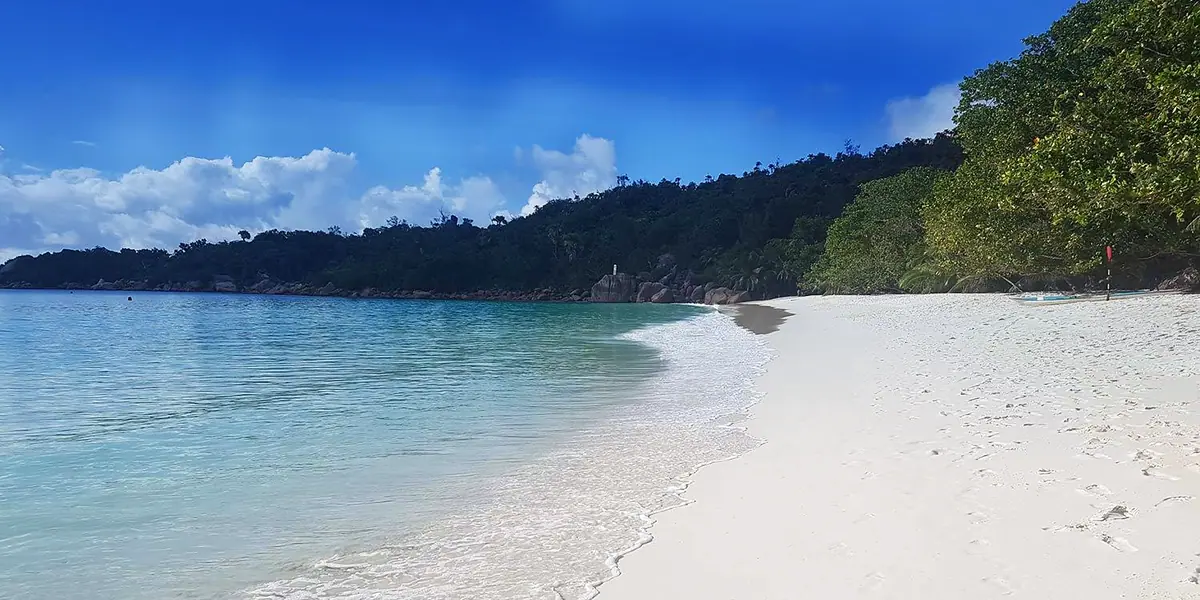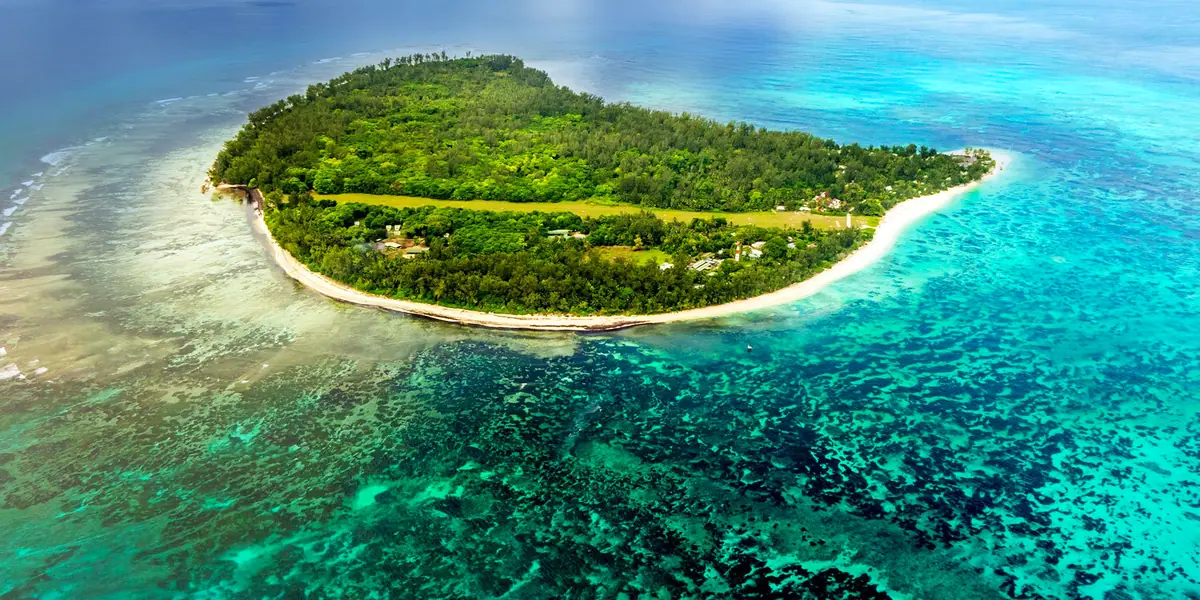
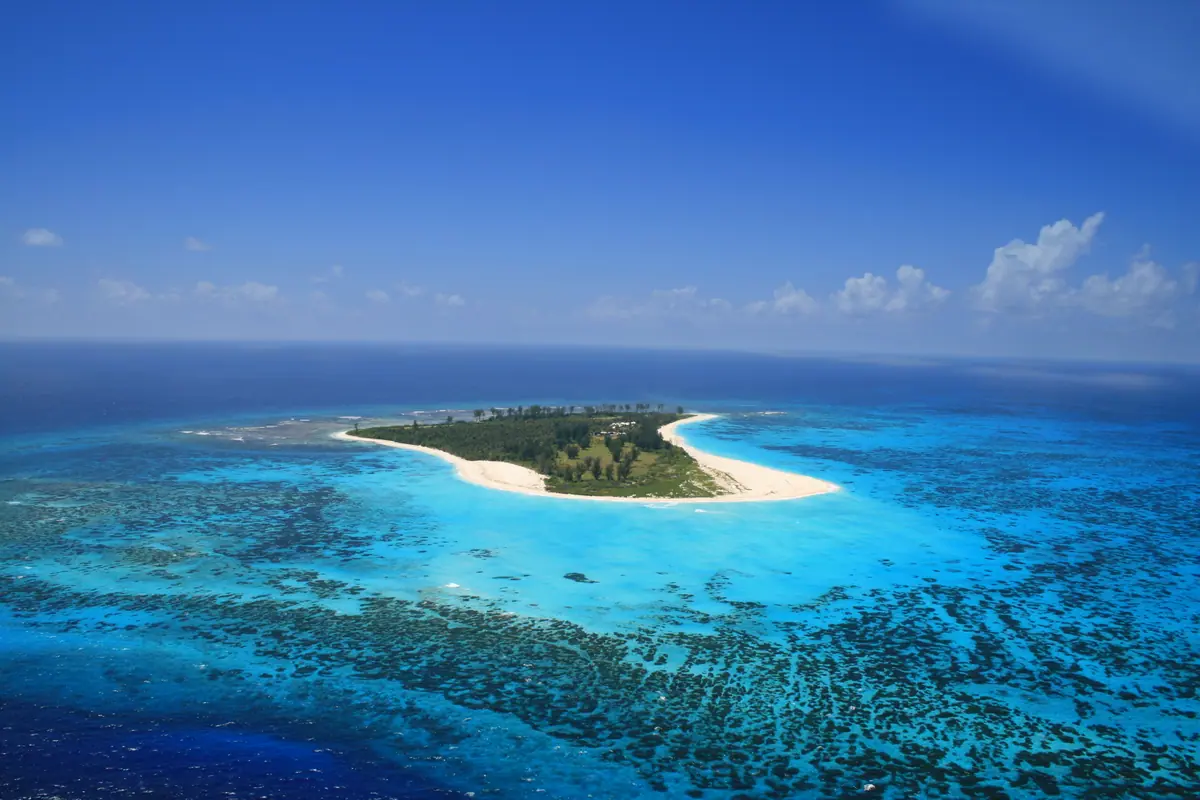
Aldabra is one of the most remote islands in the Seychelles. The atoll lies more than 1,000 kilometres south-west of Mahé and is among the least disturbed atolls in the Indian Ocean. Anyone who wants to visit is not planning a day trip but an expedition. In return, you get to see nature that has barely changed.
What to expect
Aldabra is one of the largest raised coral atolls in the world. Four main islands, Grande Terre, Malabar, Picard and Polymnie, enclose a tidal lagoon. The emblem of the atoll is the Aldabra giant tortoise. With more than 100,000 animals, this is the largest population anywhere. Apart from Aldabra, giant tortoises survive only in the Galápagos Islands.
Bird lovers will find the trip worthwhile too. Aldabra is home to one of the largest frigatebird colonies in the world and one of only two flamingo populations on oceanic islands. The Aldabra rail is the last flightless bird in the western Indian Ocean. Sea turtles also nest here. On guided walks ashore, visitors get to know the jagged limestone landscape, the wildlife and the plants.
History and protection
The first documented visit by a European was that of Captain Lazare Picault in 1742. There is no fresh water on the surface of the island, so few people settled here. The main resources were tortoises, sea turtles and fish. The giant tortoises in particular were hunted heavily.
In the 1960s there were plans for military use, which were abandoned after international protests. In 1971 the Royal Society built a research station on Picard. In 1979 the Seychelles Islands Foundation (SIF) was founded by presidential decree. It has managed Aldabra since 1981. The atoll has been on the UNESCO World Heritage List since 1982, and it is also a Special Reserve under Seychelles law.
Getting there and access
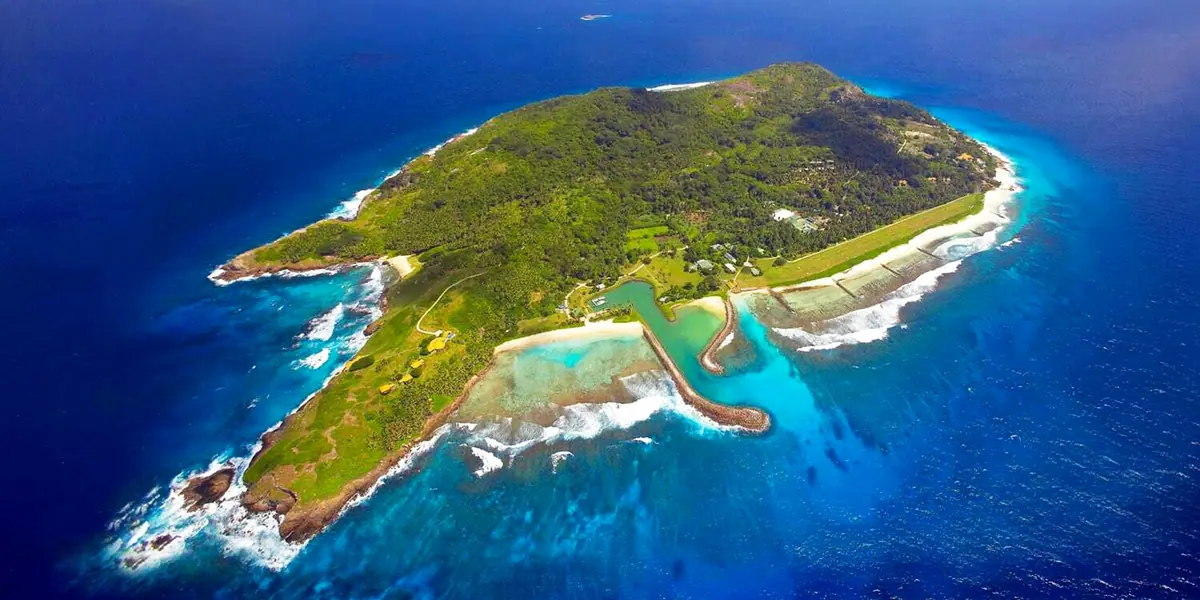
Aldabra has no airstrip, no harbour, no jetty and no helipad. There are no hotels or guesthouses. The only facility is the SIF research station on Picard.
The SIF does not organise tours for tourists itself. Every ship that wants to call at Aldabra needs prior permission from the SIF and the Seychelles Ports Authority. Without it, a vessel may neither anchor nor put anyone ashore. In practice, visitors therefore reach the atoll on expedition cruises, liveaboard dive safaris or private yacht charters. The permit is usually applied for by the operator. From Mahé the crossing takes several days each way, depending on the season and the wind. The SIF recommends allowing at least a few days for the visit.
A second option is via the neighbouring island of Assumption, which has an airstrip. Charter flights from Mahé are offered to this island. The onward boat trip to Aldabra has to be arranged separately. For the other islands of the Aldabra group, the Islands Development Company is responsible.
Practical tips
Ashore, SIF staff accompany visitors, and access is limited to designated areas. The number of guests is deliberately kept small. One report speaks of well under a thousand visitors a year. There is no medical care on site, so you should put your travel first aid kit together carefully.
Protecting the unique flora and fauna takes priority. Strict biosecurity rules apply on landings so that no alien species are introduced. Sturdy footwear with a good sole is sensible for the sharp-edged coral rock. If Aldabra is on your itinerary, ask your operator early on about the current status of permits.