Location and character
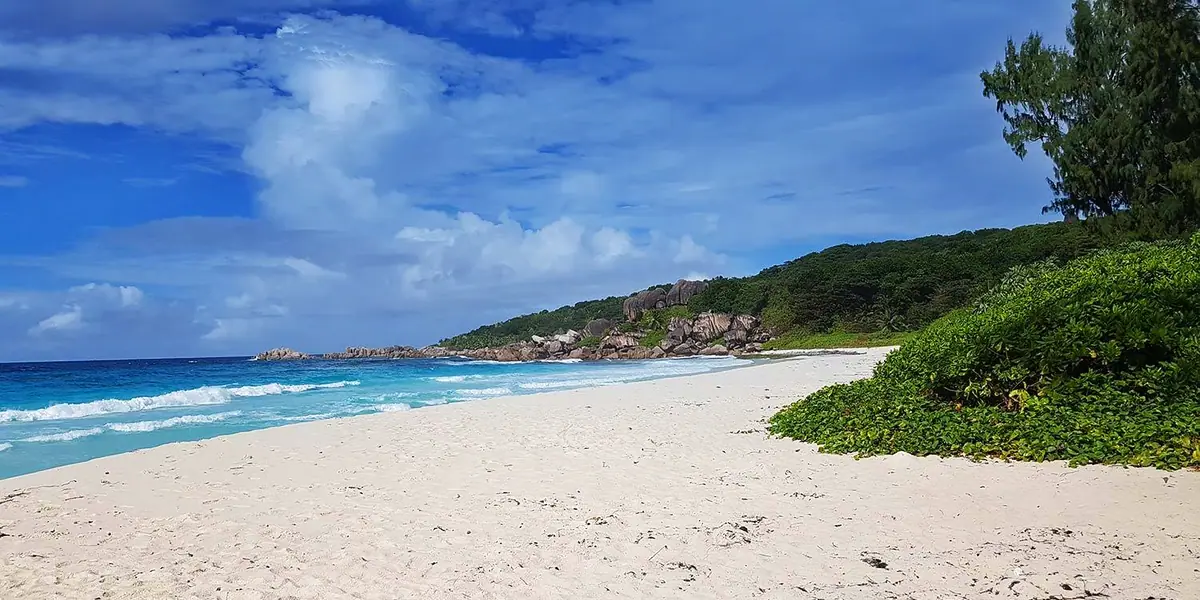
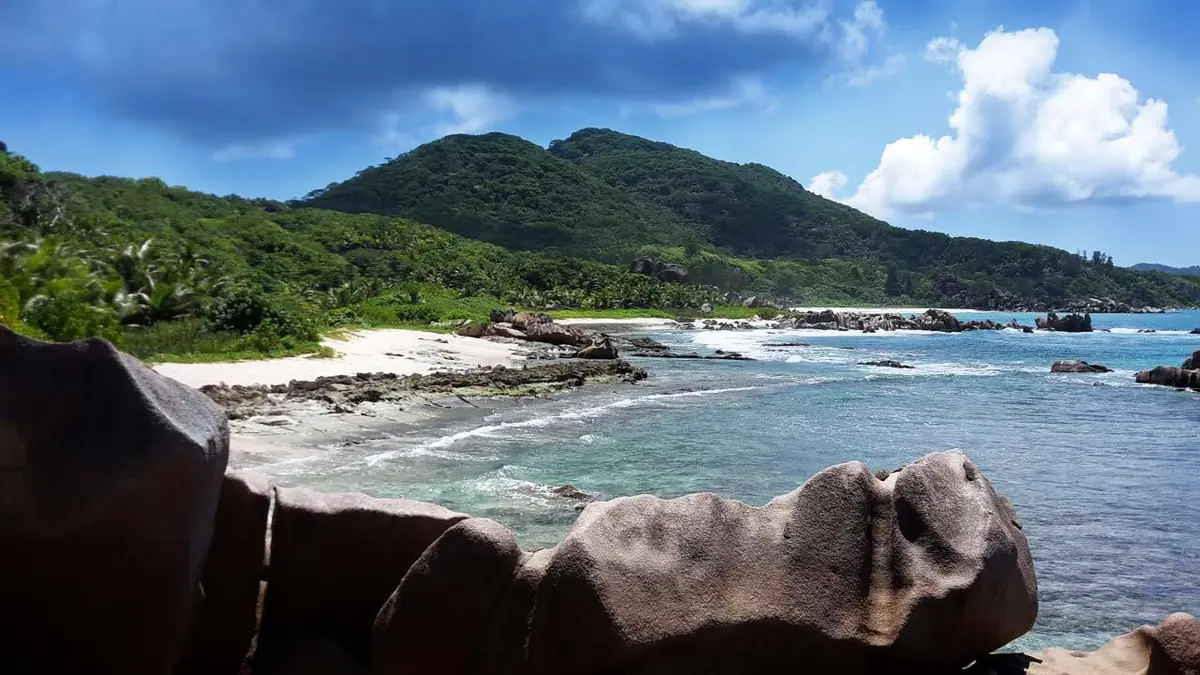
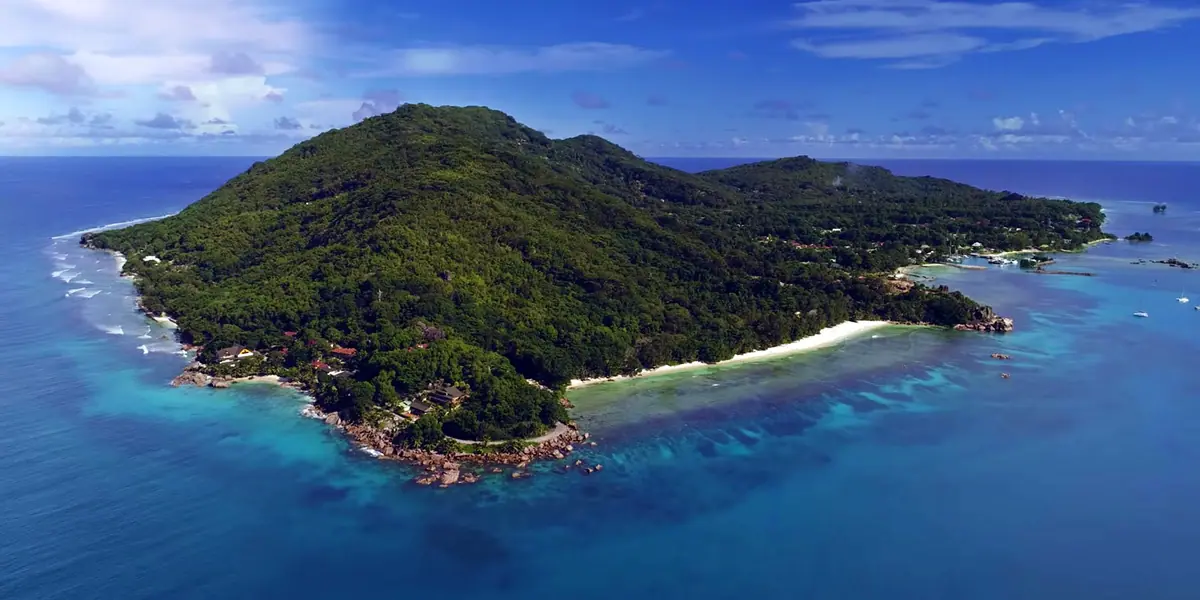
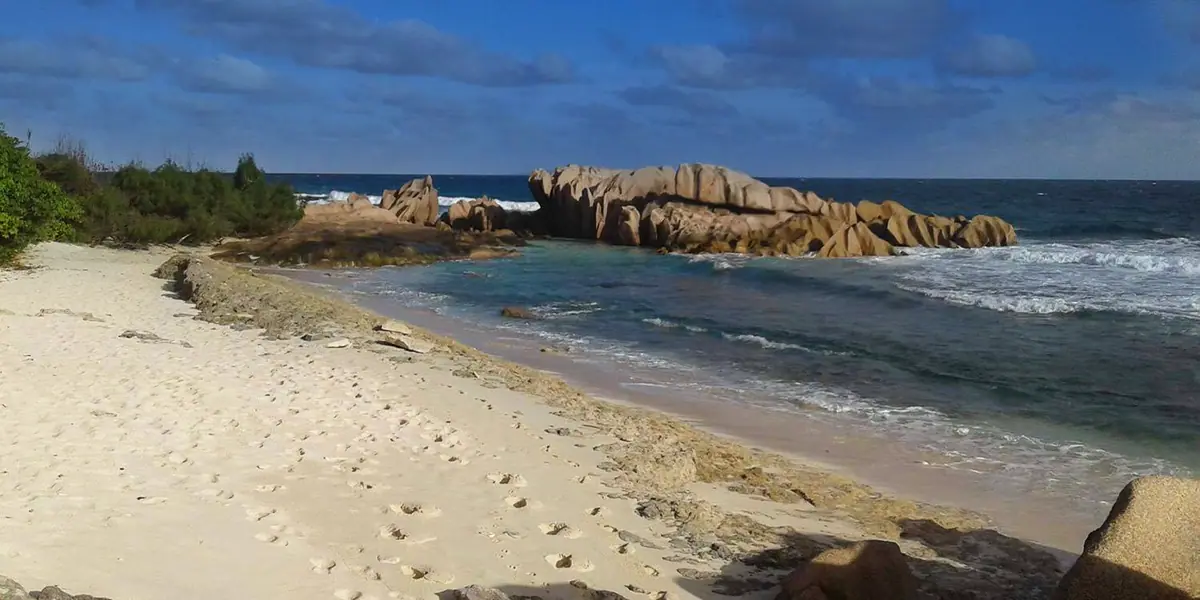
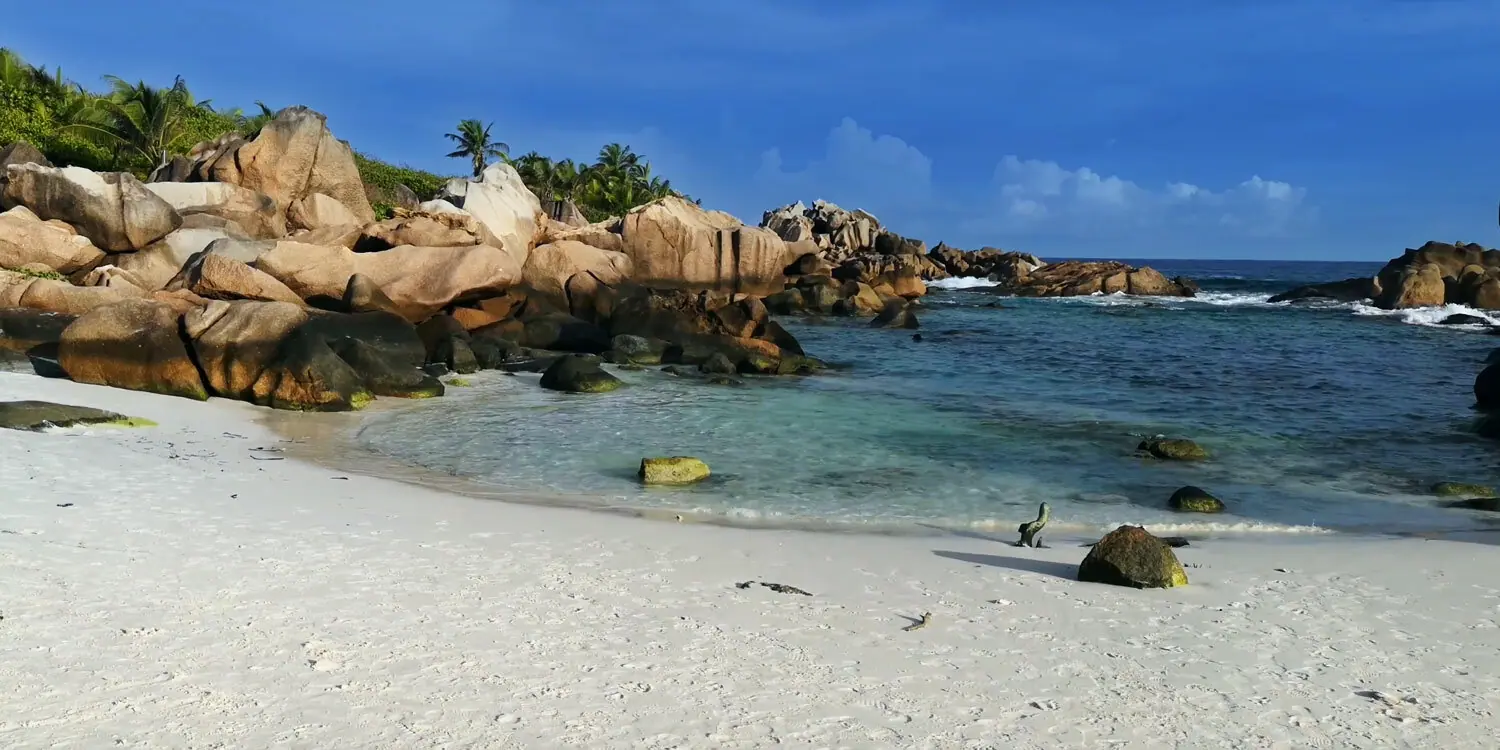
This pretty bay on the south-east coast of La Digue can only be reached on foot, either by a path from Grand’ Anse or, from the other direction, from Anse Fourmis. As at the neighbouring bays of Grand’ Anse and Petite Anse, swimming here is limited, and the strong currents call for caution.
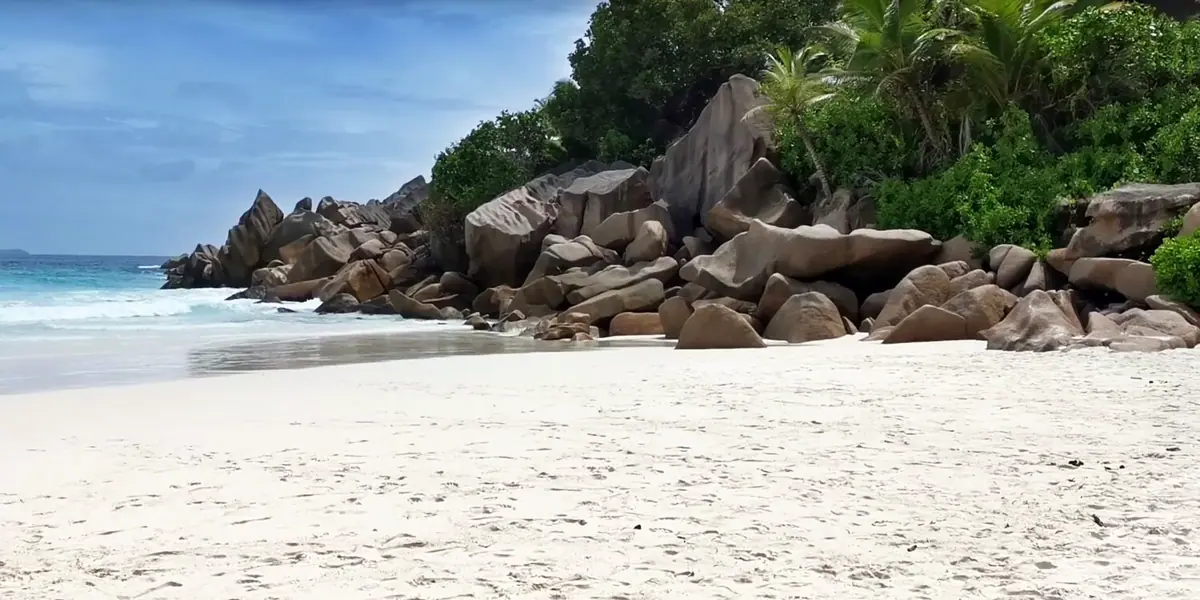
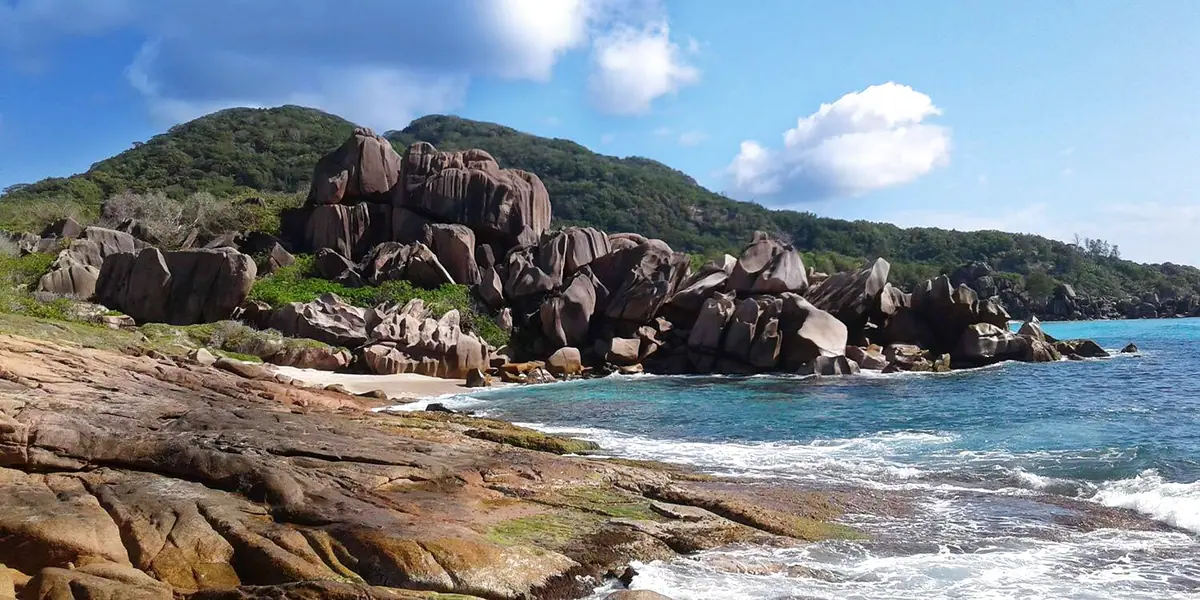
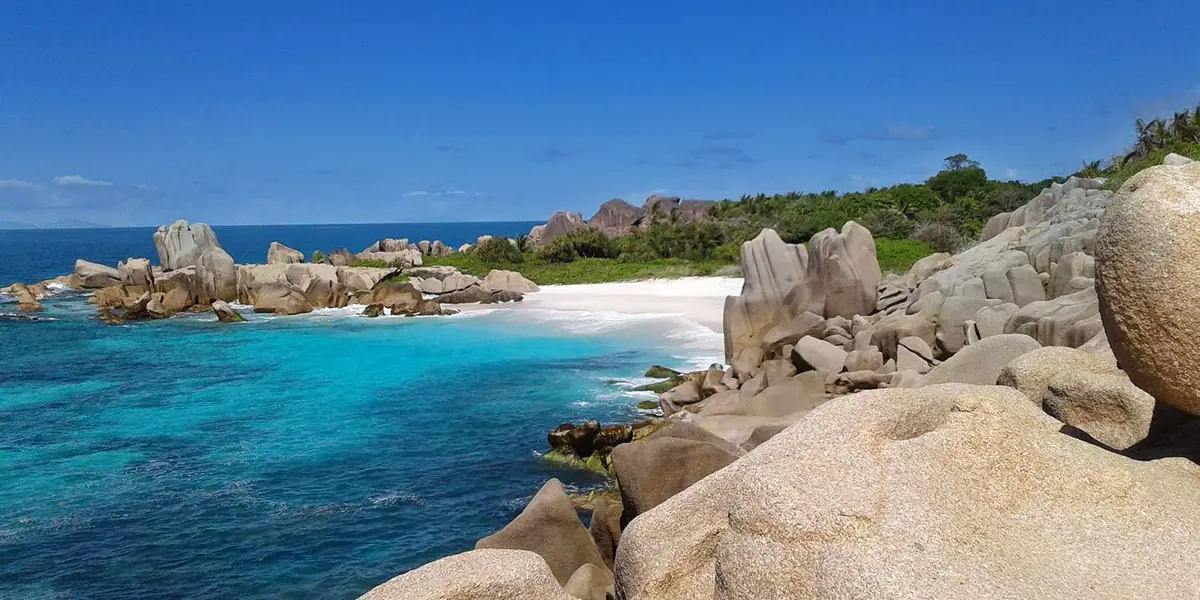
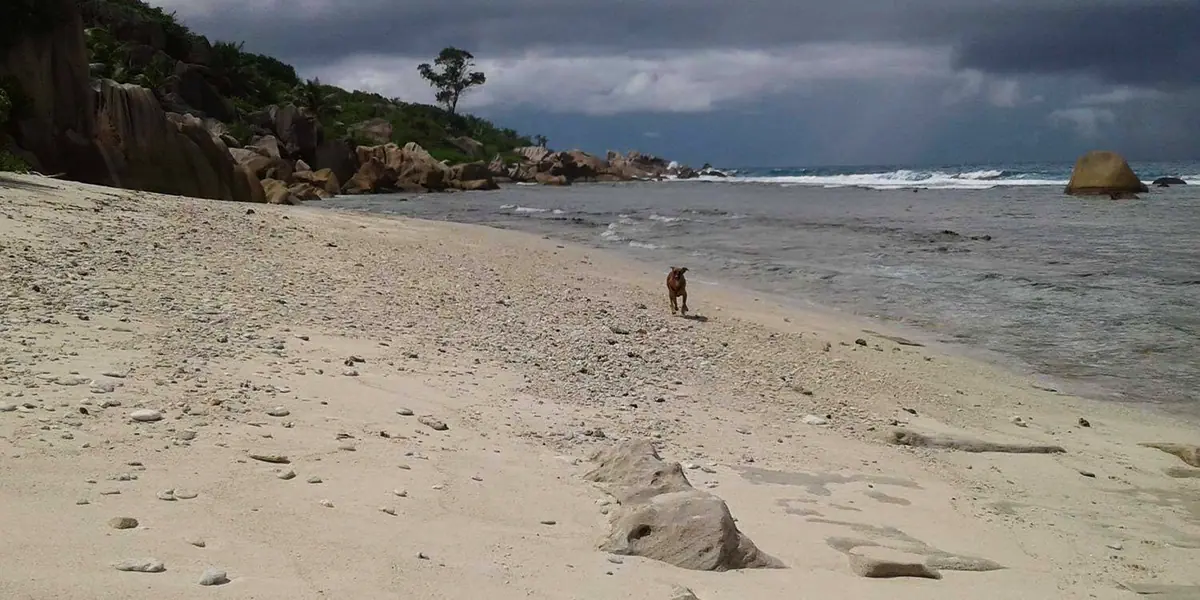
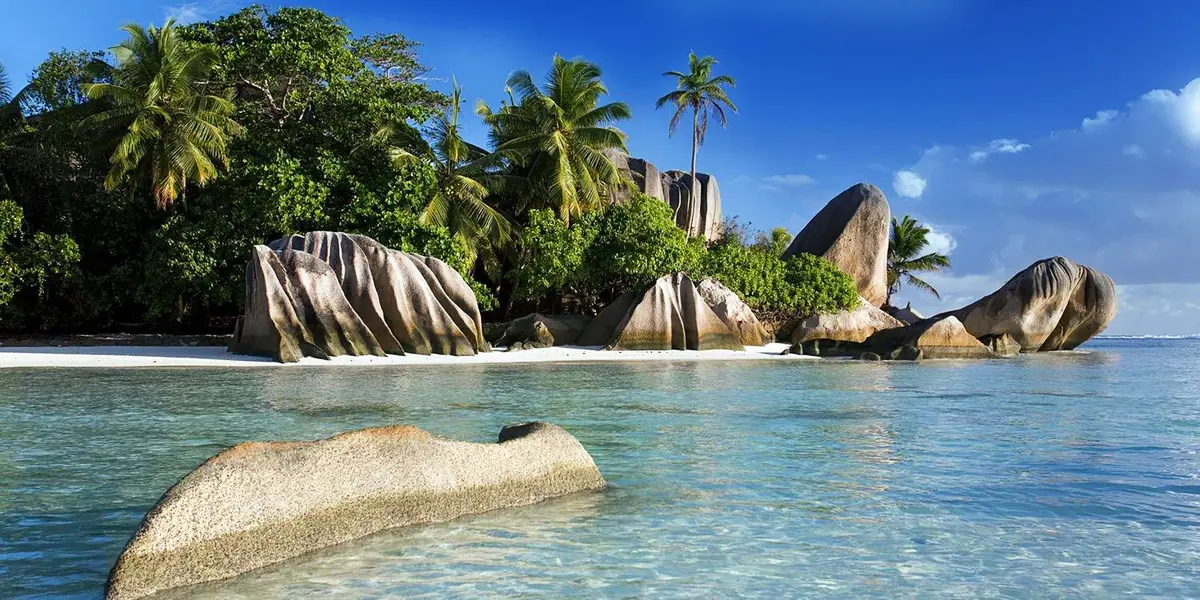
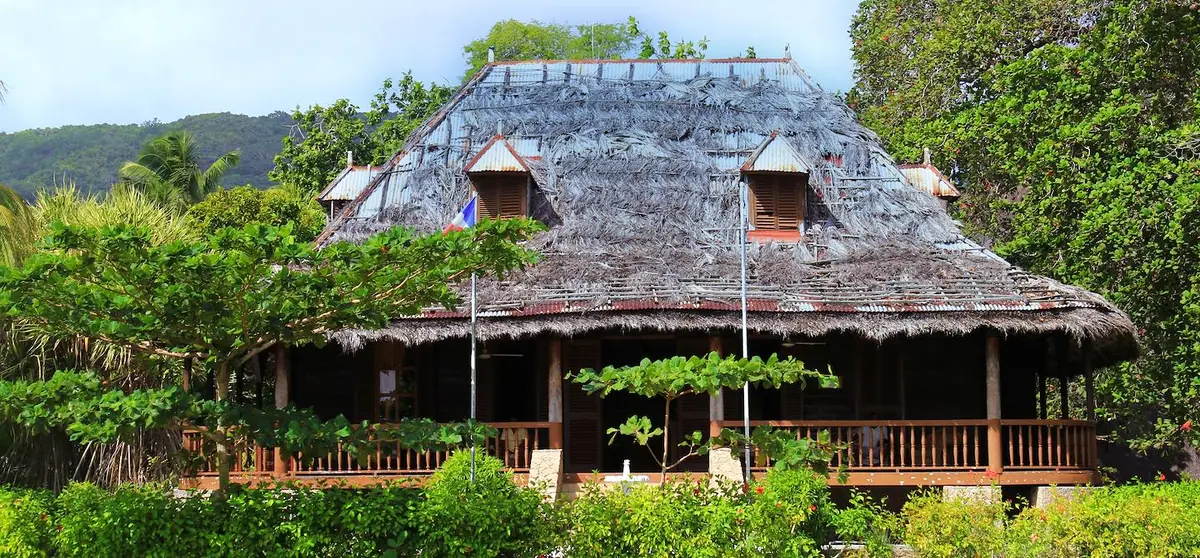
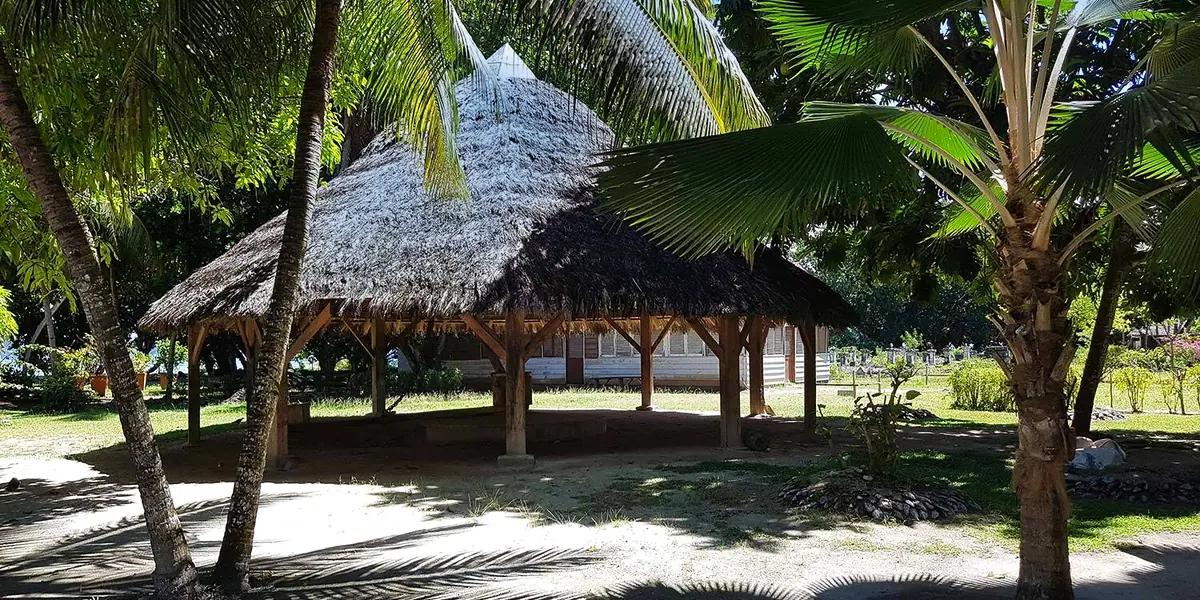
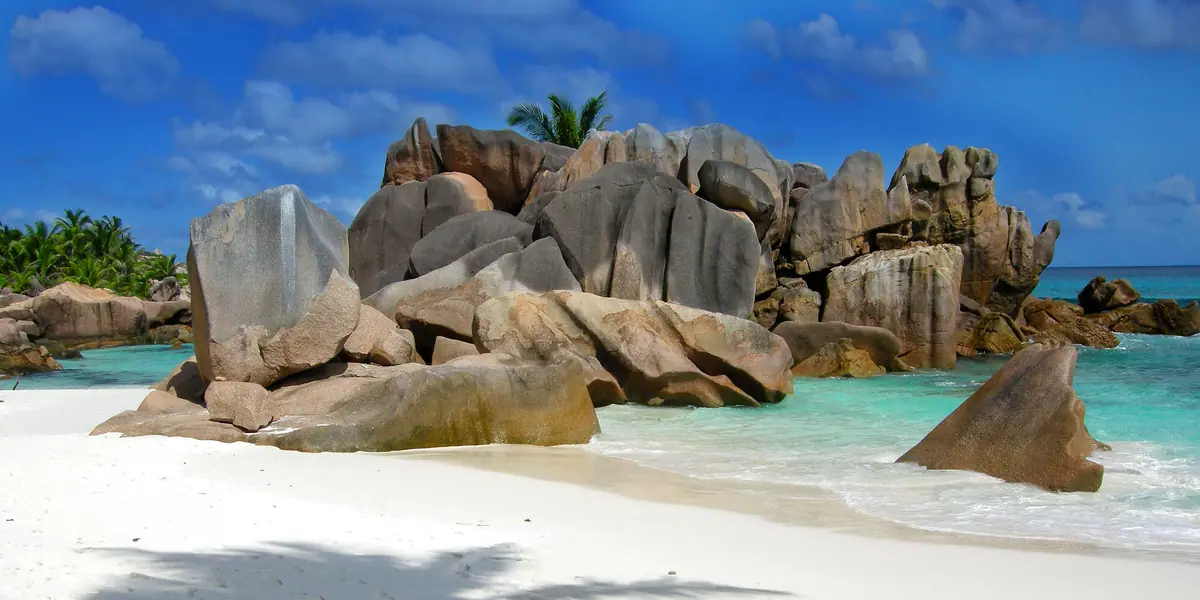
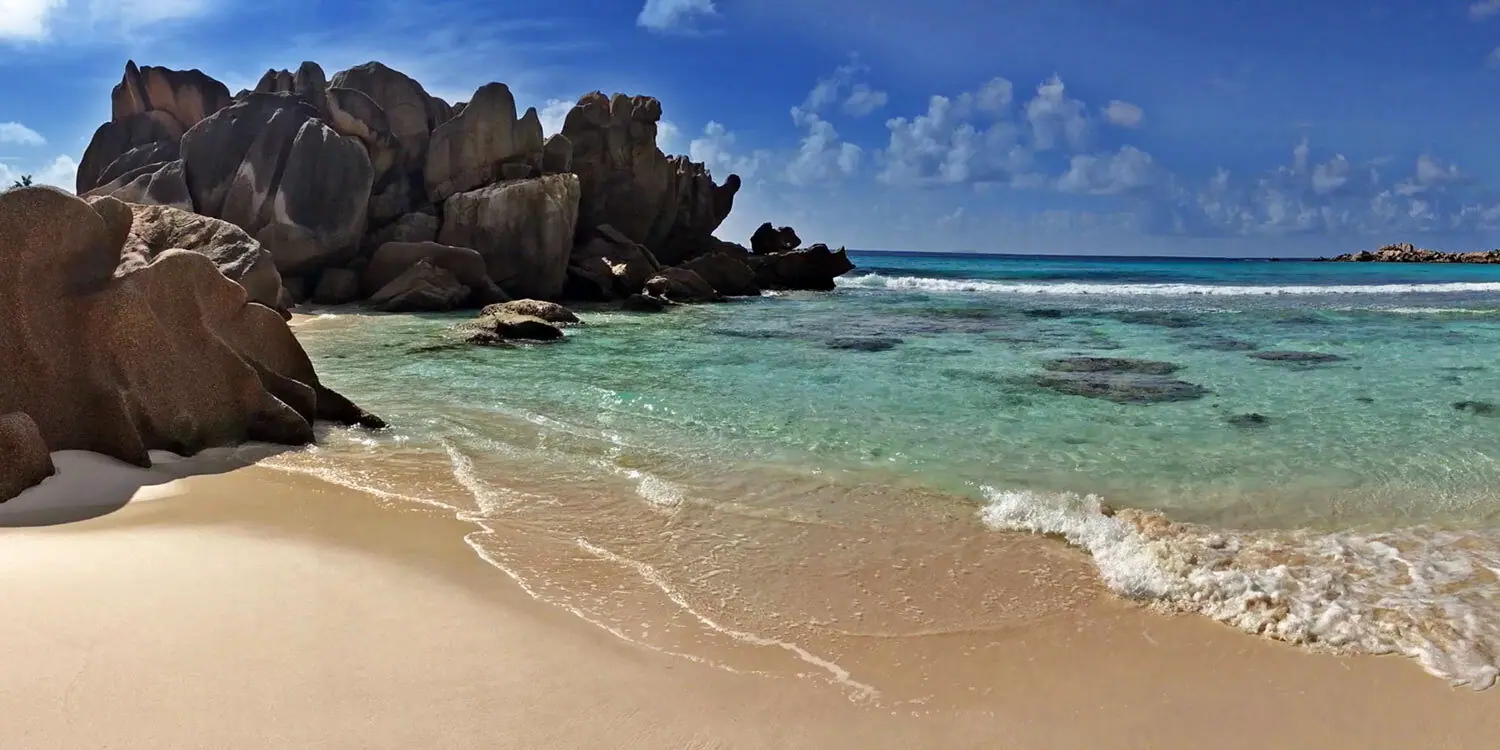
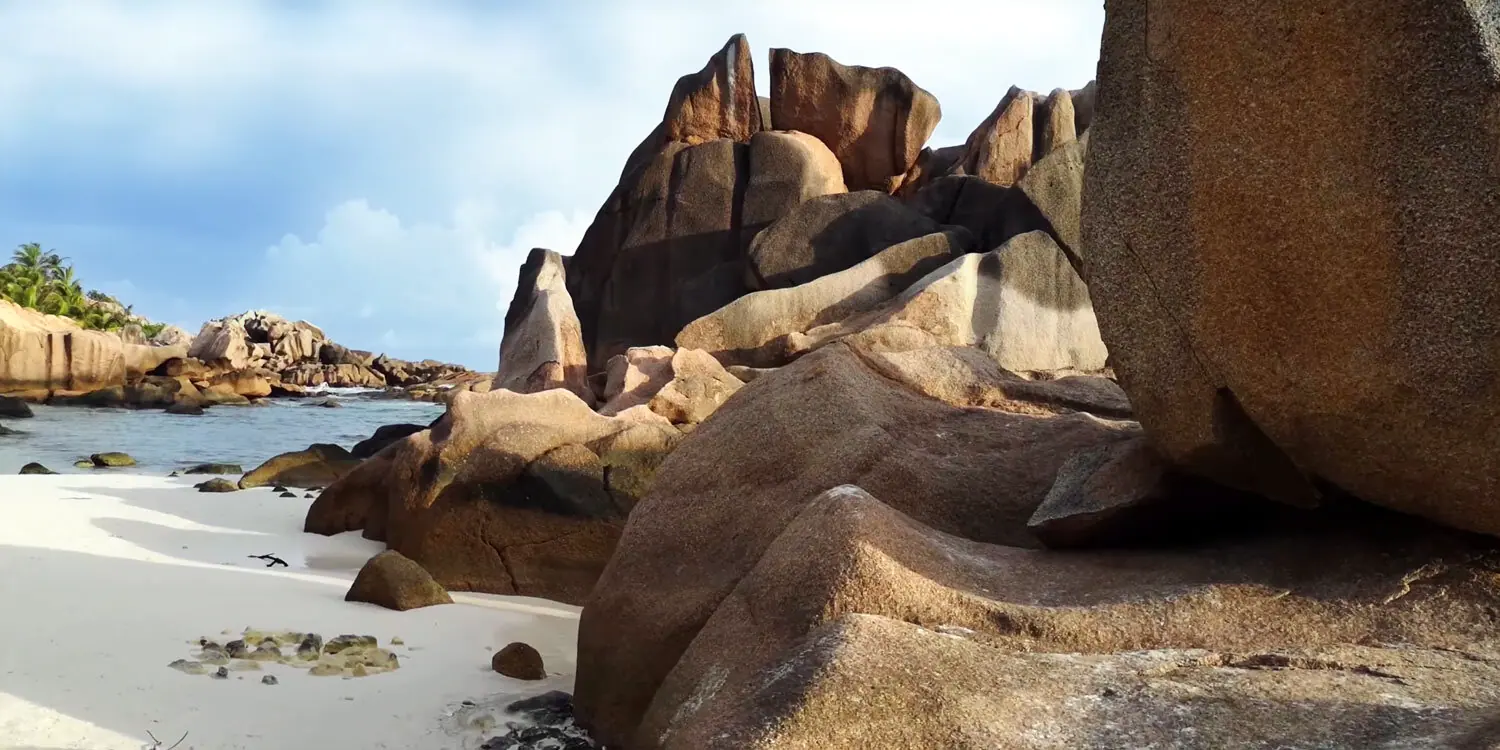
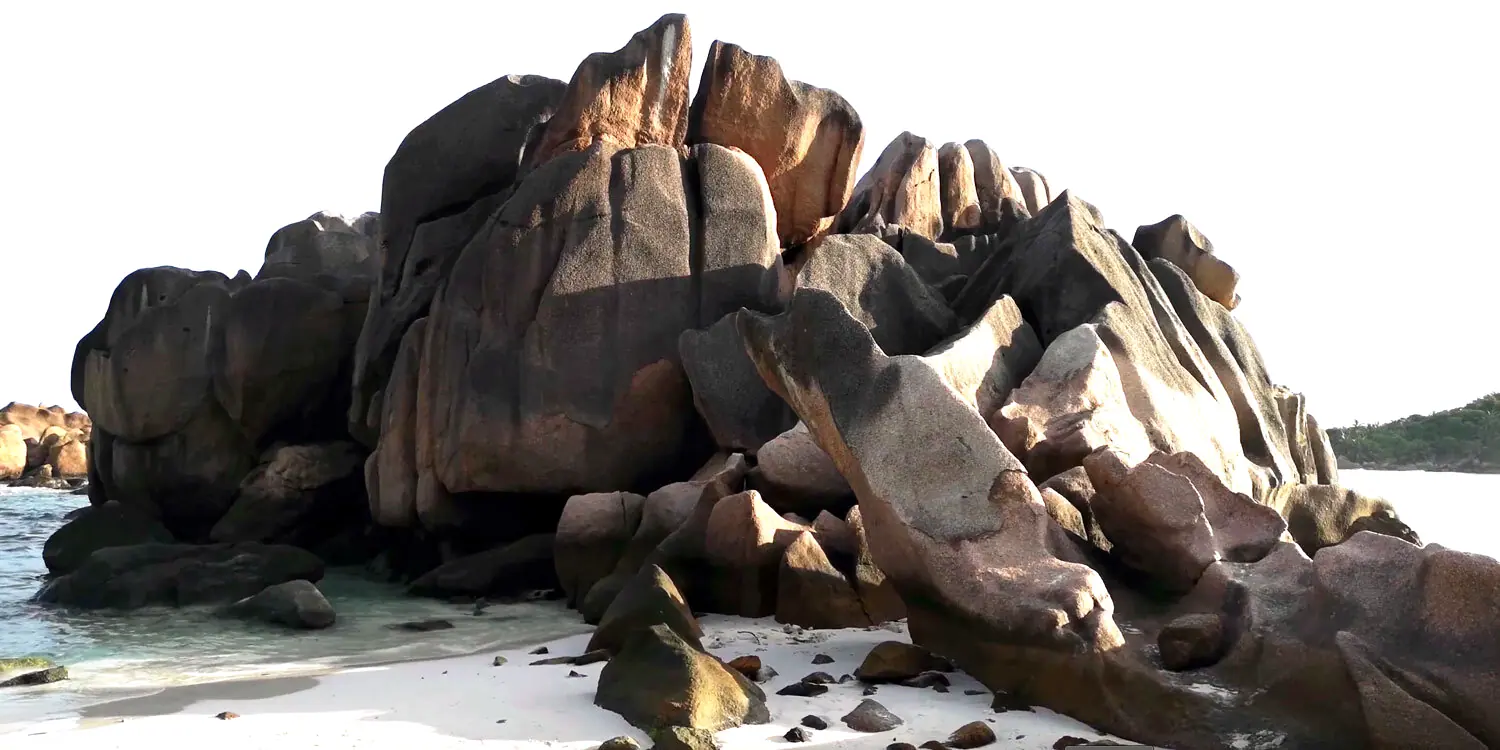
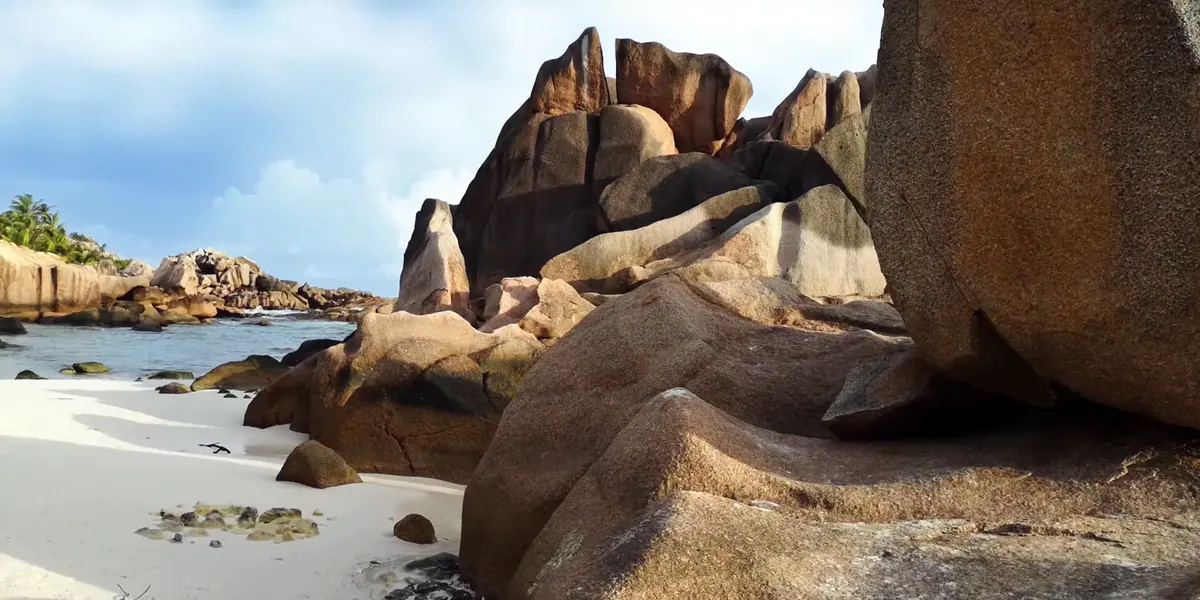
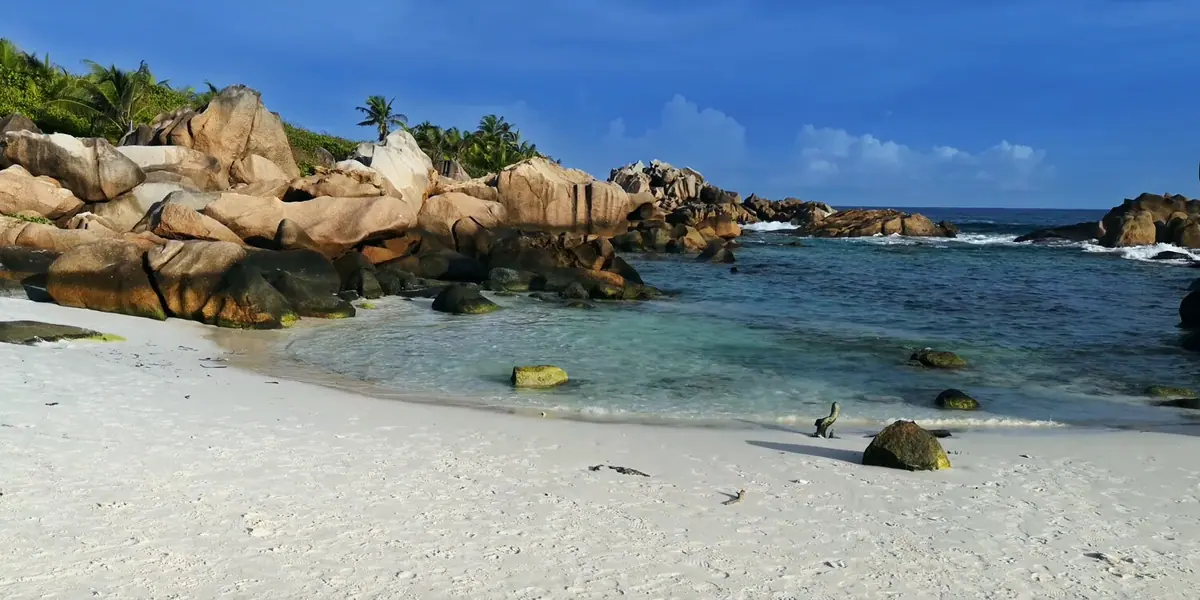
The beach is about 450 metres long and narrow, framed by granite rocks. Because the walk takes time, it is usually quieter than Grand’ Anse. Behind the beach you can still see the remains of old buildings, a rewarding subject for photographers. As the bay faces south-east, there is no sunset over the sea here, but the mornings are bright and calm.
Getting there and the walking route
There are hardly any cars on La Digue, and no road leads to Anse Cocos. The usual way begins with a bicycle ride to Grand’ Anse. If you are not on the island yet, you will find the crossing under Cat Cocos ferry and Getting around the Seychelles.
From Grand’ Anse via Petite Anse
This is the easier and more popular route. From La Passe it is about 5 kilometres by bike to Grand’ Anse, usually 25 to 30 minutes, with a few climbs. There is a place to leave bicycles at the Loutier Coco restaurant. Hire bikes usually cost around 100 to 150 SCR a day (as of November 2026), and it is worth checking the brakes and gears beforehand.
The path starts at the northern end of Grand’ Anse, on the left behind the beach. It leads over a hill to Petite Anse, then continues behind the beach over a second hill, through woodland and across two small wooden bridges. A wooden sign announces Anse Cocos. The path is stony and tiring in the heat, and flip-flops are not suitable.
From Anse Fourmis via Anse Caiman
From the northern end of the island road, a path leads over Anse Caiman to Anse Cocos. It is considered harder than the route from Grand’ Anse and takes about an hour in each direction. It is around 4.6 kilometres from La Passe to Anse Fourmis, roughly an hour on foot, and that is where your bike waits for the return.
| Route | Duration | Difficulty |
|---|---|---|
| La Passe to Grand’ Anse (by bike) | 25 to 30 minutes | Moderate, a few climbs |
| Grand’ Anse via Petite Anse to Anse Cocos (on foot) | 30 to 45 minutes, about 2 km | Easy to moderate, two ascents |
| Anse Fourmis via Anse Caiman to Anse Cocos (on foot) | about 1 hour | More demanding, partly rocky |
Swimming and snorkelling
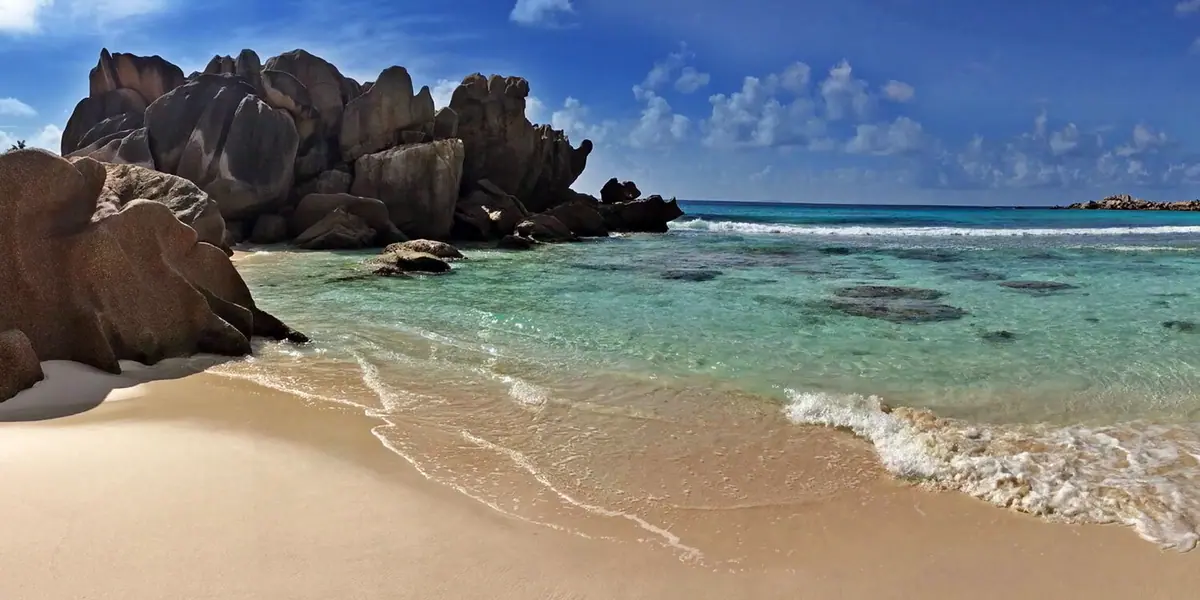
There is no reef off the three bays of Grand’ Anse, Petite Anse and Anse Cocos to break the surf. Take particular care between May and October. The small rock pools at the edge of the bay are suitable for a dip, sheltered all year round by large granite boulders. At low tide the water there is shallow and clear. At high tide, do not wade out far. The fact box above lists the calmer months.
For snorkelling, bring your own mask and snorkel. There is no rental station here, and there are no larger reefs. The pools between the rocks are still worth a look underwater, though.
Facilities
Tips and nearby
Plan on half a day to a full day and start early, when the path and the beach are still cool and quiet. Pack a sun hat, sun protection and sturdy footwear. The sources I have checked mention no entrance fee for the beach or the walking trail.
For something to eat, the Loutier Coco restaurant at Grand’ Anse is a good choice. If you are coming from the north, you will find the Chez Jules restaurant at Anse Fourmis.
The walk combines well with the neighbouring bays: Grand’ Anse and Petite Anse lie right along the way. From Grand’ Anse you can also reach Anse Songe and, depending on the tides, Anse Marron, both considerably more demanding. On the other side of the island lies Anse Source d’Argent, which is reached through L’Union Estate, where an entrance fee is charged. You will find more routes under Hiking in the Seychelles.